
To choose the best long golf ball retriever as a beginner in Singapore, you must balance maximum extended reach with physical weight, locking mechanism reliability, and collapsed storage size. A reliable retriever helps you recover lost balls from water hazards, thick vegetation, and deep drains, saving you money on replacements and keeping your round moving. By focusing on practical design standards and material specifications rather than unverified brand claims, you can find a durable tool that fits your golf bag and matches your physical comfort.
Evaluating a retriever requires looking closely at how the pole behaves when fully extended. A tool that is too heavy or flexible will be difficult to control, while one that is too short will limit your ability to recover balls from deeper hazards. Understanding these mechanical trade-offs is the first step toward making an informed purchase that improves your on-course experience.
Why Reach and Weight Matter for Beginner Golfers
When choosing a long golf ball retriever, the relationship between extended length and overall weight is the most critical factor to consider. As a telescopic pole extends, the physical law of leverage comes into play. A retrieval cup that feels weightless when collapsed becomes significantly heavier and harder to balance when positioned several meters away from your body. This leverage effect places increased strain on your wrists, forearms, and shoulders, which can affect your physical comfort during a long round.
Products mentioned in this guide
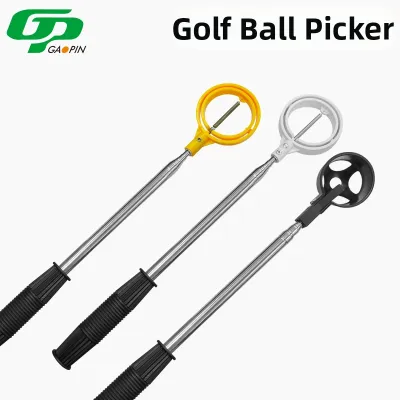
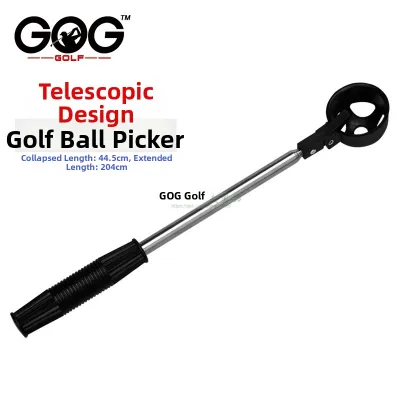
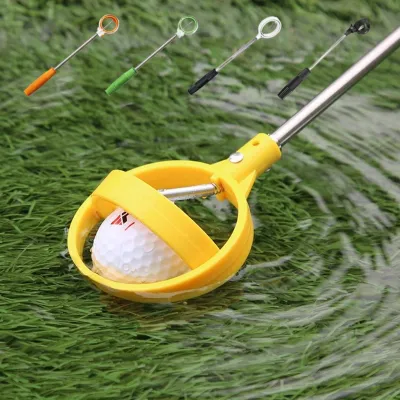
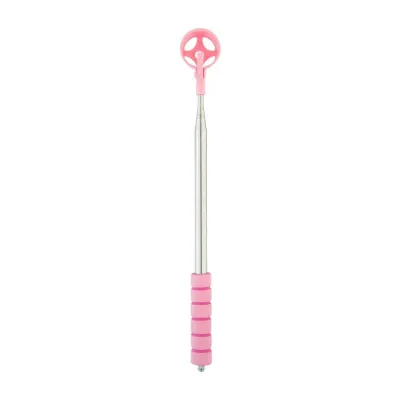
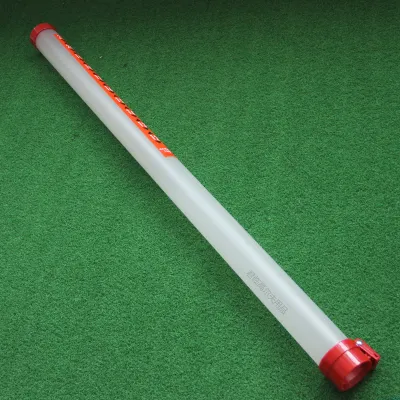
Prices are valid at publication and may change. Please refer to the product page for the latest price.
For beginner golfers who are already focusing on swing mechanics and carrying a golf bag, minimizing physical fatigue is essential. A lightweight retriever allows you to search for and recover balls without exhausting your upper body. If a retriever is too heavy, you may find yourself rushing the recovery process, leading to dropped balls or lost patience. Choosing a lightweight design ensures that retrieving a ball remains a quick, low-effort task rather than an exhausting chore.
However, reducing weight too much can introduce another issue: excessive flexibility, often referred to as pole whip. When a telescopic pole is made from materials that are too thin or flexible, the shaft will bend significantly under its own weight when fully extended. This whipping action makes it incredibly difficult to guide the retrieval cup precisely over a ball, especially in moving water or muddy hazards. The ideal retriever strikes a balance, offering enough rigidity to remain stable at its maximum length while keeping the overall weight low enough for easy, single-handed operation.
Core Features to Evaluate for Ease of Use
The mechanical features of a golf ball retriever dictate how quickly and smoothly you can deploy it on the course. The first mechanical component to evaluate is the telescopic locking mechanism. Most long retrievers use either twist-lock or lever-lock systems to secure the extended sections. Twist-lock mechanisms require you to rotate the individual shaft sections to tighten them in place. While this design keeps the pole streamlined and prevents it from snagging on other clubs in your bag, twist-locks can become difficult to operate when your hands are wet, sweaty, or covered by a golf glove.

In contrast, lever-lock mechanisms use external clamps that flip open and closed to secure each section. This design is highly intuitive and easy to operate quickly, even in humid weather. The main trade-off with lever-locks is that the external clamps add physical bulk to the shaft. This extra bulk can make the retriever slightly more difficult to slide into a dedicated umbrella slot or a tight side pocket on your golf bag. Evaluating which mechanism fits your physical dexterity and bag setup will help you avoid frustration on the course.
Another key feature is grip ergonomics. Because you will often be extending the pole over water or into thick brush, a secure grip is vital to prevent the tool from slipping out of your hands. Look for handles made from textured rubber or high-density EVA foam. These materials provide excellent traction even when wet. The shape of the handle should also prevent the pole from twisting in your hands, allowing you to maintain precise control over the orientation of the retrieval head at long distances.
Finally, the design of the retrieval cup determines how effectively you can grab the ball. Spring-loaded claw designs automatically snap shut around the ball when you press down on it, making them highly effective for blind retrievals in murky water or deep mud. Manual cup or hoop designs require you to scoop the ball from underneath, which demands better visibility and a steadier hand. Suction cup attachments work well on flat, dry surfaces but often struggle to grip wet or muddy balls. Choosing a head design that matches the typical hazards you encounter will make recovery much more reliable.
Material Durability and Maintenance Checks
The durability of a long golf ball retriever depends heavily on the materials used to construct the telescopic shaft. Aluminum and fiberglass are the two most common materials utilized by manufacturers. Aluminum shafts are highly rigid, which minimizes pole whip and provides a solid feel when fully extended. However, aluminum is susceptible to denting if it is dropped on hard cart paths or struck against rocks. A single dent in a telescopic section can prevent the pole from collapsing or extending properly, rendering the tool unusable.
Fiberglass shafts offer excellent flexibility and resilience, meaning they can bend under pressure without taking permanent damage or denting. Fiberglass is also highly resistant to rust and corrosion, making it a popular choice for wet environments. The downside is that fiberglass is generally heavier than aluminum for the same length, and cheap fiberglass can splinter over time if the protective outer coating becomes deeply scratched. When evaluating product specifications, compare the labeled weight-to-strength ratios to find a material that suits your carrying preferences.
Before purchasing a retriever from a local pro shop or online marketplace, perform a quick visual inspection of the build quality. Check the joints and locking collars to ensure they are securely bonded to the shaft sections. Any play, wobbling, or loose adhesive at the joints indicates poor manufacturing quality that will likely fail under the stress of repeated extension. Additionally, inspect the attachment point where the retrieval cup connects to the shaft, as this joint experiences significant leverage and must be highly secure.
To prolong the lifespan of your retriever, establish a basic maintenance routine after every round. Tropical climates and muddy water hazards can introduce grit, sand, and minerals into the telescopic joints. If left uncleaned, this debris will scratch the shaft sections and cause the locking mechanisms to jam. Always rinse the extended retriever with clean, fresh water after use, paying close attention to the joints and the retrieval cup. Allow the pole to dry completely in an extended position before collapsing it and storing it in your golf bag to prevent mold and corrosion.
Matching the Retriever to Course Conditions
To get the most value from your golf ball retriever, you should align its specifications with the specific hazards and layout of the courses you play most frequently. If your typical course features wide, concrete-lined drainage canals or deep, steep-banked water hazards, you will need a retriever with a longer maximum reach. A pole that extends to 4 or 5 meters allows you to recover balls that have rolled down steep banks without requiring you to step onto slippery, wet concrete or risk falling into the water.
Conversely, if your local course is characterized by dense tropical rough, thick bushes, and low-hanging trees, a retriever with an excessively long or bulky head can become a liability. Pushing a large retrieval cup through thick ferns or tangled branches often leads to snagging, which can damage the tool or disturb the local vegetation. In these environments, a more compact, streamlined retrieval head made of durable plastic or stainless steel is much easier to maneuver through tight spaces.
Storage constraints are another practical consideration that many golfers overlook. Before choosing a retriever, measure the dimensions of your golf bag. If you use a compact carry bag or a stand bag, a retriever with a long collapsed length may stick out excessively, interfering with your club selection or making the bag awkward to transport. Ideally, the collapsed retriever should fit completely inside your bag’s side apparel pocket or slide neatly into the dedicated umbrella holder, keeping your gear organized and protected.
Building Your Shortlist: A Conditional Buying Checklist
When you are ready to purchase a long golf ball retriever, using a structured checklist will help you filter through the options available at local pro shops and online marketplaces. This step-by-step framework ensures you evaluate all critical dimensions before spending your money.
- Step 1: Define Your Reach Requirement. Assess your typical miss patterns and the hazards on your favorite courses. If you rarely hit balls deep into hazards, a compact 3-meter retriever may be sufficient. If you frequently play courses with wide water hazards, look for options extending to 4.5 meters or more.
- Step 2: Verify Collapsed Dimensions and Weight. Check the manufacturer's specifications for the collapsed length and total weight. Ensure the collapsed pole fits within your golf bag's pockets and that the weight is comfortable for you to carry throughout an 18-hole round.
- Step 3: Evaluate the Locking Mechanism. Choose between twist-locks and lever-locks based on your preference for speed, ease of use with gloves, and resistance to wet conditions. Read user feedback specifically focusing on whether the locks tend to slip over time.
- Step 4: Confirm Purchase Terms and Pricing. When shopping on e-commerce platforms, compare prices in S$, which typically range from S$20 for basic models to S$70 or more for premium, highly rigid designs. Verify the seller's return policy and check if any warranty coverage is provided for manufacturing defects.
By systematically working through this checklist, you can avoid low-quality products and select a reliable, long-lasting golf ball retriever that fits your budget and helps you enjoy your time on the course.
Frequently Asked Questions (FAQ)
Can a long golf ball retriever damage the golf ball?
Yes, certain retrieval cup designs can scuff or scratch the cover of a golf ball. Metal claws with sharp edges or hard, unpolished plastic hoops can leave marks on soft urethane-covered premium balls when pressed down firmly. To prevent this, look for retrieval heads made from smooth, high-quality molded plastic, or those featuring rubberized coatings on the contact points. These materials grip the ball securely without abrasive friction, preserving the aerodynamic integrity of the ball’s cover.
How do I fix a telescopic pole that gets stuck?
If a telescopic section becomes jammed, do not attempt to force it open or closed, as this can bend the aluminum or splinter the fiberglass. First, rinse the stuck joint under warm, running fresh water to dissolve any dried mud, salt, or organic debris that may be trapped inside. If the joint remains stuck after drying, apply a small amount of silicone-based lubricant directly to the seam and let it penetrate for a few minutes before gently twisting. If these steps do not resolve the issue, consult the manufacturer’s support guidelines.
Is it better to buy a retriever with a floating handle?
A floating handle is a highly practical feature if you frequently play courses with deep water hazards. If you accidentally drop the retriever into a pond or canal while reaching for a ball, a floating handle ensures the tool remains on the surface, allowing you to recover it easily. You can verify this feature by checking the product specifications for built-in foam inserts or buoyant handle materials. If you primarily retrieve balls from dry rough or shallow, clear drains, this feature is less critical.

Community discussion
Share your experience or ask a question. Comments are reviewed before publication.