
Selecting a mini electric bike pump in Singapore requires moving beyond generic marketing claims and focusing on the precise mechanical demands of your riding style. Whether you are navigating the daily commute along the Park Connector Network (PCN), tackling steep climbs in Bukit Timah, or maintaining high pressures on a road frame, the right tool is defined by its specifications rather than its brand name. A pump that excels at inflating a high-volume mountain bike tire may struggle to reach the high pressures required for a road bike, while an ultra-compact road pump might overheat before filling a wide commuter tire. By understanding how portability, pressure limits, and battery capacities align with your specific cycling discipline, you can make an informed decision that ensures you are never left stranded on the roadside.
Matching Pump Features to Your Specific Cycling Style
Commuting in Singapore presents unique challenges that demand a highly portable and reliable inflation solution. For those who integrate cycling into their daily transit routine—perhaps riding to an MRT station or navigating busy downtown streets—every gram of weight and millimeter of space matters. A commuter-focused mini electric pump must fit seamlessly into a compact backpack, a pannier, or even a jersey pocket without causing discomfort. The emphasis here is on rapid deployment and minimal bulk, allowing you to quickly address a soft tire during a sudden downpour before continuing your journey to the office. Look for models that prioritize a streamlined, pocket-friendly form factor and lightweight alloy or composite casings that do not add unnecessary weight to your daily carry.
Road cycling demands a completely different set of performance parameters, centered almost entirely on high-pressure capability. Road tires typically operate at pressures ranging from 80 to over 100 PSI, requiring a pump motor capable of overcoming significant resistance. When selecting a pump for road use, portability remains important, but it must not come at the expense of maximum pressure output. A pump designed for high-pressure road tires needs a robust internal piston mechanism that can compress air efficiently without stalling or draining the battery prematurely. Additionally, because road cyclists often ride long distances away from urban centers, the pump must be reliable enough to handle multiple high-pressure top-ups on a single charge, ensuring you can complete a long weekend loop around the island.
Products mentioned in this guide
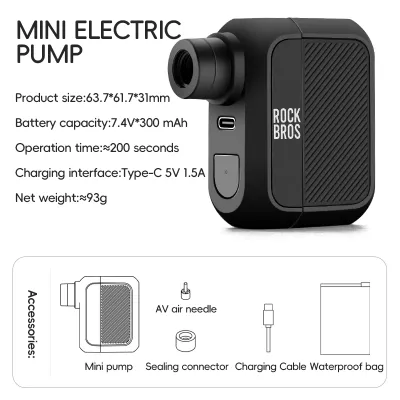
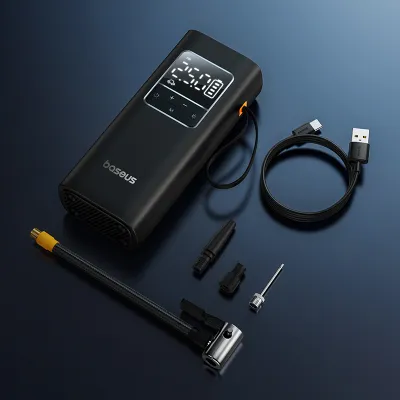
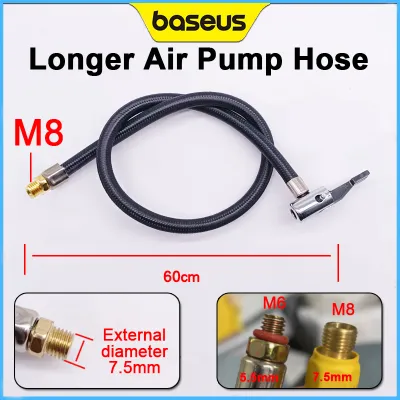
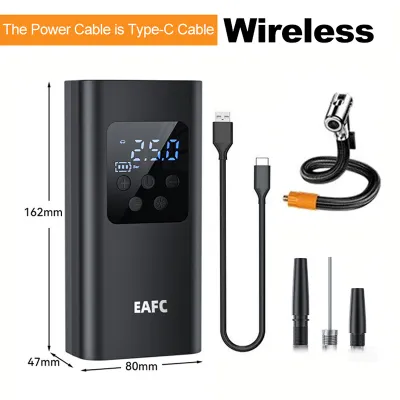
![[✅SG Ready Stock] 10000mAh Electric Air Compressor Inflator Car Or Bicycle Pump Wireless Air Pump Car Air Pump Tyre Pump](https://img.lazcdn.com/g/p/f0221063150bd090a973b049b20672b9.png_400x400q80.png_.webp)
![[2025] Xiaomi Pump 2 MiJia Portable Handheld Electronic Air inflator/Pump Suitable For Car Motorcycle EBike Scooter Instock](https://img.lazcdn.com/g/p/3e082dd3fde1bc260eb18bfa0cd19ce7.jpg_400x400q80.jpg_.webp)
Prices are valid at publication and may change. Please refer to the product page for the latest price.
Mountain biking and gravel riding shift the focus from high pressure to high air volume. Off-road tires are significantly wider and hold a much larger volume of air at lower pressures, typically between 20 and 40 PSI. Using a pump optimized solely for high pressure on a wide mountain bike tire can result in extremely slow inflation times and excessive heat buildup as the motor runs continuously to fill the large chamber. For trail riding, look for a pump that specifies a higher airflow rate, which indicates how quickly it can move volume. Furthermore, trail environments expose equipment to dust, mud, and physical impacts, making a rugged, dust-resistant housing and secure port covers essential features to protect the internal electronics from the elements.
Reading Specifications to Match Your Tire Requirements
To make an accurate purchase decision, you must learn to interpret the technical specifications listed on product packaging and manufacturer datasheets. The most critical trade-off to understand is the relationship between maximum pressure and airflow rate. A pump rated for a maximum pressure of 150 PSI is highly capable of inflating high-pressure road tires, but it may have a smaller internal cylinder that delivers less air per stroke, resulting in slower inflation for high-volume tires. Conversely, a pump designed for high volume might fill a mountain bike tire in under a minute but struggle to push past 50 PSI. Always check the manufacturer’s detailed specifications to ensure the pump’s optimal operating range aligns with your tire’s recommended PSI.

Valve compatibility is another essential verification step that must be completed before purchasing. Bicycle tires in Singapore generally use either Presta valves (common on road and high-end mountain bikes) or Schrader valves (standard on utility and commuter bikes), while some older or utility models may use Dunlop valves. Many mini electric pumps feature a universal nozzle or include screw-on adapters to accommodate different valve types. It is vital to verify that these adapters are constructed from durable materials, such as brass or high-grade aluminum, as plastic adapters can easily strip their threads under high pressure, rendering the pump useless when you need it most.
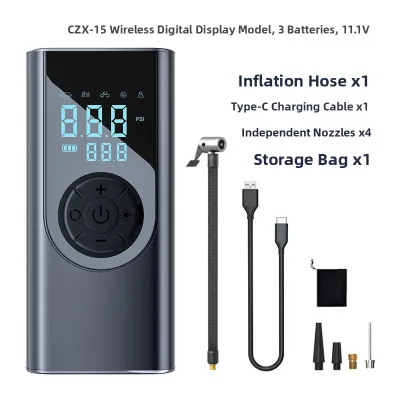
Battery capacity, typically measured in milliampere-hours (mAh), directly influences how many tires you can inflate on a single charge. However, a higher mAh rating also increases the overall weight and size of the pump, so you must balance your need for multiple inflations against your portability requirements. Look for pumps that utilize modern USB-C charging ports, which allow you to easily recharge the device using the same cable as your phone or a portable power bank during a long ride. Manufacturers often provide estimates of how many empty tires the pump can inflate from zero pressure on a full charge; verify these claims by checking if they specify the tire size and target pressure used during testing.
An accurate auto-shutoff feature is highly beneficial for maintaining tire health and preventing damage to your rims. Most modern mini electric pumps feature a digital LCD screen that displays the current tire pressure and allows you to preset your desired target PSI. Once the pump reaches this preset limit, the motor should automatically shut off to prevent over-inflation. When evaluating different models, look for specifications that detail the accuracy tolerance of the digital pressure gauge, typically expressed as a percentage or a specific PSI range (such as +/- 1.5 PSI), to ensure precise inflation every time.
Evaluating Brand Reliability and Building Your Shortlist
When building a shortlist of potential mini electric bike pumps, prioritizing brand reliability and local support is far more effective than relying on unverified online reviews. Because these devices rely on lithium-ion batteries and high-speed electric motors, purchasing from a brand with an established authorized distributor in Singapore is highly recommended. A local distributor ensures that you have access to a clear, enforceable warranty policy that covers common issues such as premature battery degradation, motor failure, or faulty pressure sensors. Before buying, check the distributor’s terms to confirm how warranty claims are processed and whether they offer direct replacements or repair services.
The physical build quality and thermal management design of the pump are strong indicators of long-term reliability. Compressing air generates a significant amount of heat, and a poorly designed pump can quickly overheat, leading to internal damage or safety hazards. Look for manufacturer specifications that highlight the use of metal cylinders, aluminum alloy housings, and integrated cooling fans or heat-dissipation vents. A well-engineered pump will also feature built-in thermal protection circuitry that automatically shuts down the motor if the internal temperature exceeds safe operating limits, protecting both the device and your hands from excessive heat.
High-quality product documentation is another hallmark of a reputable brand. A reliable manufacturer will provide a comprehensive user manual that includes clear safety instructions, detailed operational limits, maintenance guidelines, and a list of error codes. This documentation should clearly state the maximum continuous run time (often referred to as the duty cycle) and the required cooling-off period between uses. Avoid brands that offer vague instructions or fail to provide clear safety warnings, as this often indicates a lack of rigorous product testing and quality control.
To construct your final shortlist, create a comparison matrix based entirely on verified specifications and practical constraints. List your primary tire size, required PSI, and preferred carrying method, then filter out any models that do not meet these baseline criteria. Once you have a selection of technically compatible pumps, compare their warranty durations, the availability of local customer service, and the inclusion of essential accessories like protective carrying pouches and high-quality valve adapters. This structured approach ensures you select a reliable tool tailored to your specific cycling needs rather than falling for marketing hype.
Operating Safely and Maintaining Battery Health
Proper operation and regular maintenance are essential to ensure your mini electric pump remains functional and safe to use over its lifespan. Heat management is the most critical operational consideration; because these compact motors work under high load, they generate heat rapidly. Always adhere to the manufacturer’s recommended continuous run times, which typically limit operation to a few minutes before requiring a rest interval. Allowing the pump to cool down completely between inflating multiple tires prevents thermal degradation of the internal seals and extends the life of the motor.
Singapore’s warm and humid tropical climate requires careful attention to battery storage conditions. Lithium-ion batteries are sensitive to extreme heat and high humidity, which can accelerate capacity loss and, in extreme cases, lead to swelling or safety hazards. Store your pump in a cool, dry indoor location away from direct sunlight, and avoid leaving it in enclosed spaces that can trap heat, such as a parked car or a metal storage locker. If you carry the pump in a backpack or frame bag during hot daytime rides, try to keep it shaded and avoid exposing it to prolonged direct sun when taking a break.
Conducting routine visual and functional inspections will help you identify potential issues before they cause a failure on the road. Regularly check the inflation hose for signs of cracking, wear, or dry rot, especially near the connection points where bending occurs. Inspect the valve connectors and adapters for dirt, debris, or damaged threads that could prevent an airtight seal. Additionally, turn the pump on periodically to verify that the digital display is responsive, the battery charge level is accurately reported, and the motor runs smoothly without any unusual grinding noises.
Knowing when to stop using the pump and seek professional assistance is vital for your safety. If you notice the pump housing becoming excessively hot to the touch, if the battery drains rapidly within a few seconds of operation, or if the digital gauge displays erratic readings, discontinue use immediately. Other critical stop conditions include unusual burning smells, visible smoke, a swollen casing, or persistent error codes on the screen. In any of these scenarios, do not attempt to disassemble or repair the device yourself; instead, contact the manufacturer or the local authorized distributor for guidance.
Frequently Asked Questions (FAQ)
Can a mini electric pump inflate a completely flat mountain bike tire?
Yes, a mini electric pump can inflate a completely flat mountain bike tire, but the process is governed by physical and electrical limitations. Because mountain bike tires contain a large volume of air, the pump’s motor must run continuously for a longer duration compared to inflating a narrow road tire. This sustained operation draws significant current from the battery and generates substantial heat. Before attempting to inflate a large, completely flat tire, consult the manufacturer’s specifications to verify the maximum inflation volume or the estimated number of wide tires the pump can handle on a single charge. If the tire volume exceeds the pump’s continuous run-time limit, you must pause mid-inflation to let the device cool down and prevent overheating.
Should I carry a manual hand pump as a backup?
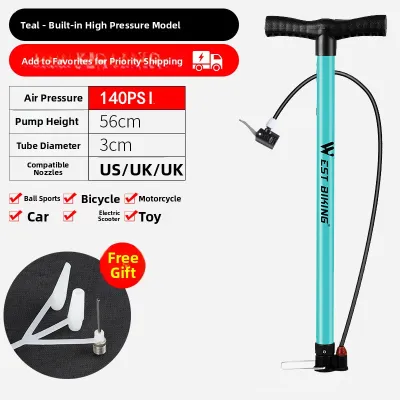
Carrying a lightweight manual hand pump as a backup is highly recommended, especially for long-distance rides, remote trail sessions, or endurance cycling. While mini electric pumps offer unmatched convenience and speed, they remain electronic devices subject to battery depletion, firmware glitches, thermal shutdowns, or physical damage from drops. If you are riding in areas with limited access to public transport or bike shops, a simple, mechanical hand pump serves as an invaluable fail-safe. It requires no battery power, operates reliably in wet weather, and ensures you can always inflate a tire sufficiently to ride home, providing peace of mind that electronic devices alone cannot guarantee.

Community discussion
Share your experience or ask a question. Comments are reviewed before publication.