
To find the best multi-purpose air pump for Presta valves in Singapore, you must look for a tool that balances high-pressure capability with versatile nozzle attachments. Many households in Singapore own a mix of road bikes, city commuters, sports balls, and inflatable recreational gear. Because Presta valves are narrower and more delicate than standard Schrader valves, a pump must feature a secure, dedicated connection to prevent air leaks and valve damage. Choosing the right pump involves evaluating the valve head design, the maximum pressure capacity, and the physical format that fits your storage space and usage habits.
Understanding Presta Valve Compatibility and Pump Mechanisms
Presta valves, often found on high-performance road and gravel bicycles, differ significantly from the Schrader valves common on mountain bikes, utility bikes, and car tires. A Presta valve is narrower, lacks a spring-loaded internal check valve, and relies on a small locking nut at the top of the threaded stem to remain sealed. To inflate a Presta valve, you must manually unscrew this locking nut and tap the tip to release any stuck seal before attaching the pump head.
In contrast, a Schrader valve features a wider body with a central spring-loaded pin that must be depressed to allow airflow. Because of these structural differences, a standard automotive pump nozzle or a basic inflation chuck cannot seal around a Presta valve without a specialized interface. Attempting to force a mismatched pump head onto a Presta valve will bend the delicate brass stem, render the valve useless, and cause immediate air loss.
Products mentioned in this guide
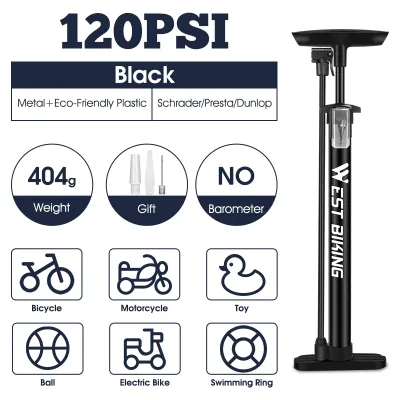
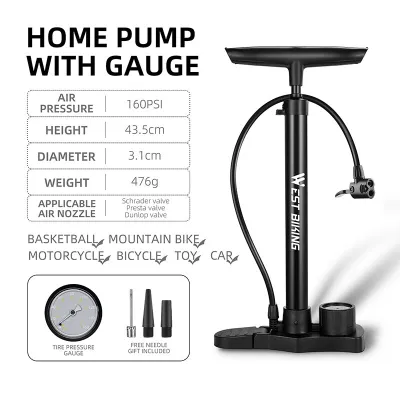
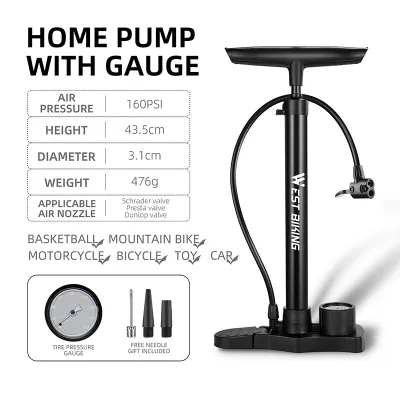
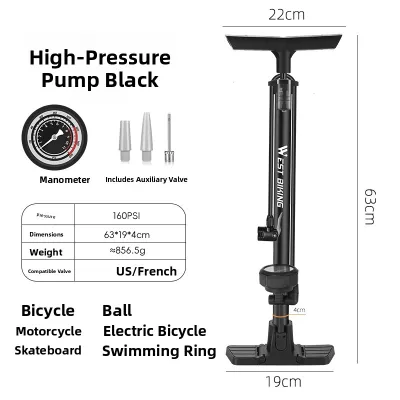
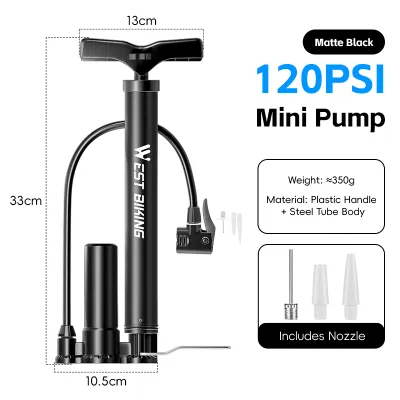
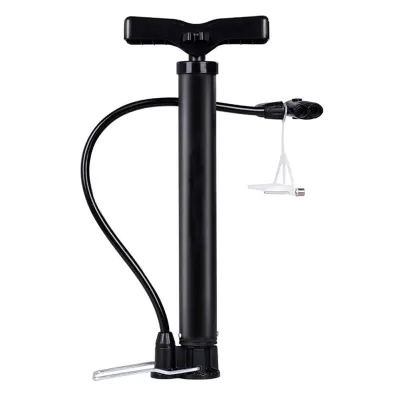
Prices are valid at publication and may change. Please refer to the product page for the latest price.
Modern multi-purpose pumps solve this compatibility issue using one of three nozzle designs: dual-head, twin-head, or smart-head. Dual-head nozzles feature two distinct ports—one sized for Presta and one for Schrader—requiring you to insert the valve into the correct opening and flip a locking lever. Twin-head designs use a single nozzle with interchangeable internal parts or a reversible chuck that you unscrew and flip depending on the valve type. Smart-head nozzles feature a single, self-adjusting port that automatically grips either valve type when the locking lever is engaged, simplifying the connection process.
Core Selection Criteria for Multi-Purpose Use
When selecting a multi-purpose pump, pressure capacity and volume output are the primary performance metrics to evaluate. High-pressure road bike tires require a pump capable of reaching 80 to 120 PSI (pounds per square inch) or more, which demands a narrower barrel design to make manual pumping manageable at high resistance. Conversely, high-volume mountain bike tires and large inflatables require a wider barrel that moves more air per stroke, even if the maximum pressure is lower. A true multi-purpose pump must strike a balance, offering a barrel diameter that allows you to reach high pressures without requiring excessive physical exertion.

Versatility also depends on the inclusion and quality of accessory adapters. Look for pumps that come with a dedicated storage compartment or a clip-on holder containing a metal ball needle and plastic cone nozzles for pool toys or air mattresses. Ensure these adapters thread securely into the pump head or lock firmly into the chuck to prevent air leakage during high-pressure inflation.
Build quality directly impacts both the lifespan of the pump and the accuracy of its pressure readings. A heavy-duty steel or aluminum barrel resists flexing and denting far better than thin plastic alternatives. The base of a stationary pump should be wide and constructed from cast iron, steel, or reinforced composite to prevent tipping when you step on it. Additionally, an integrated pressure gauge is essential for safety and performance; look for large, high-contrast dials mounted near the top of the barrel or digital displays that allow you to verify exact pressure levels without straining your eyes.
Before making a purchase on local ecommerce platforms, verify the product specifications carefully. Prices for reliable multi-purpose pumps in Singapore typically range from S$20 for basic portable models to over S$100 for professional-grade workshop floor pumps. Avoid choosing options solely based on the lowest price; instead, check user feedback regarding gauge accuracy, hose length, and the availability of replacement rubber gaskets to ensure long-term value.
Matching Pump Formats to Your Routine
Selecting the right pump format requires analyzing where and how often you intend to inflate your equipment. A heavy, high-volume pump is ideal for pre-ride checks in your HDB flat or garage, while a compact, lightweight model is necessary for emergency repairs along park connectors or coastal paths.
The primary trade-off lies between inflation speed and portability. Larger pumps inflate tires in fewer strokes and offer stable, two-handed operation but are too bulky to carry on a ride. Portable pumps fit easily into a backpack or mount directly to your bicycle frame but require significantly more physical effort and time to reach optimal tire pressure.
Floor Pumps for Home and Garage Maintenance
Floor pumps, also known as track pumps, are the gold standard for home maintenance due to their efficiency and ease of use. Their long, vertical barrels allow you to use your body weight rather than arm strength to compress air, making it simple to reach high pressures quickly. The long hose attached to a floor pump provides the reach needed to inflate tires while the bicycle is mounted on a work stand or resting against a wall.
A high-quality floor pump features a large, stable base that keeps the unit steady on tiled or concrete floors. The ergonomic T-handle should be wide and padded to prevent hand fatigue during repetitive pumping. Because these pumps remain stationary, manufacturers can equip them with larger, highly accurate analog or digital pressure gauges, allowing you to fine-tune your tire pressure to match specific riding conditions.
Portable and Mini Pumps for On-the-Go Repairs
Portable and mini pumps are designed strictly for emergency use when you encounter a puncture far from home. These compact tools feature short barrels and lightweight construction, allowing them to fit into a jersey pocket, saddle bag, or a frame-mounting bracket that sits beneath your bottle cage. Because of their small volume, inflating a standard road or hybrid tire with a mini pump can require hundreds of strokes, making it a physically demanding task.
When choosing a portable pump, look for models that feature a flexible, extendable hose rather than a rigid, direct-valve connection. A flexible hose isolates the movement of your pumping arm from the delicate Presta valve stem, preventing you from accidentally bending or snapping the brass core during vigorous pumping. Additionally, consider models with folding T-handles or foot pegs, which provide a more secure grip and mimic the ergonomics of a miniature floor pump.
Checking Adapters and Nozzle Fittings
To ensure your pump performs reliably across different equipment, you must regularly inspect the nozzle fittings and internal seals. The rubber gaskets inside the pump head are subject to wear and tear every time they are clamped onto a threaded valve stem. Over time, these gaskets can dry out, crack, or lose their elasticity, leading to air leaks that prevent the pump from building pressure.
If your multi-purpose pump does not feature a native Presta head, you will need to use a brass or aluminum Presta-to-Schrader adapter. This small, threaded sleeve screws onto the opened Presta valve stem, temporarily converting it into a Schrader profile that standard pumps can clamp onto. While highly effective, these adapters must be threaded on straight and tight to prevent air from escaping around the base of the threads.
When inflating sports balls or inflatable toys, never force a mismatched nozzle or needle into the valve opening. Sports balls use delicate rubber bladder valves that can easily tear or push inside the ball if a needle is inserted dry or at an angle. Always moisten the inflation needle slightly before gently inserting it, and ensure the pump head is locked securely to prevent the needle from shooting out under pressure.
Maintenance and Care for Long-Lasting Pump Performance
Regular maintenance is essential to keep your air pump operating at peak efficiency and to protect your valves from damage. Periodically inspect the entire length of the air hose for signs of dry rotting, cracking, or loose connections near the barrel and pump head. Tighten any threaded collars on the pump head to ensure a completely airtight seal during operation.
Singapore’s tropical climate, characterized by high humidity and warm temperatures, can accelerate the degradation of rubber seals and internal lubricants. Store your pump indoors in a cool, dry place away from direct sunlight, which can cause plastic barrels to become brittle and rubber hoses to crack prematurely. Avoid leaving your pump in damp outdoor corridors or balconies where moisture can seep into the pressure gauge and cause internal corrosion.
Keep the pump head clean and free of debris, sand, or grit that can accumulate during outdoor rides or storage. If dirt enters the pump nozzle, it can be transferred directly into the sensitive Presta valve core during inflation, causing the valve to stick open or leak air. Wipe the nozzle clean with a dry microfiber cloth after use, and occasionally apply a small drop of silicone lubricant to the internal rubber gaskets to keep them pliable and airtight.
Frequently Asked Questions (FAQ)
Can I use a standard car tire pump on a Presta valve?
No, you cannot use a standard car tire pump directly on a Presta valve because the nozzle sizes and mechanisms are completely incompatible. Car tire pumps are designed for wider Schrader valves and will not fit over the narrower Presta stem. To use an automotive pump or a gas station air compressor, you must screw a Presta-to-Schrader adapter onto the valve stem first. However, extreme caution is required when using motorized air compressors; these machines deliver high volumes of air rapidly, which can easily over-inflate and burst a bicycle tire or blow the delicate valve core out of the tube in seconds.
Why is my pump losing air when attached to the Presta valve?
Air loss during inflation is usually caused by an incomplete seal or an improperly prepared valve. First, ensure you have fully unscrewed the small brass locking nut at the top of the Presta valve and tapped it once to release the internal seal before attaching the pump. If the valve is open, check that the pump head is pushed far enough onto the stem and that the locking lever is fully engaged. If air continues to hiss out from the nozzle, the internal rubber gasket of the pump head may be worn, dirty, or cracked, requiring cleaning or replacement to restore an airtight seal.

Community discussion
Share your experience or ask a question. Comments are reviewed before publication.