
Finding a single air pump that can handle every inflation task in a Singapore household is a practical way to save space and money. Whether you need to top up your road bike tyres before a weekend ride along the Park Connector Network, inflate a basketball for a game at the local community court, or check your car’s tyre pressure before a road trip, a versatile multi-purpose pump is an invaluable tool. However, not all pumps are created equal, and choosing the wrong type can lead to damaged valves, inaccurate pressure readings, or exhausting physical labor.
To make an informed decision, you must understand the mechanical differences between high-pressure and high-volume inflation. Bicycle tyres, especially narrow road bike tyres, require high pressure but very little air volume. Conversely, car tyres require low pressure but an immense volume of air. Sports balls and recreational inflatables fall somewhere in between, requiring specialized adapters and gentle pressure management. By evaluating your household’s specific mix of equipment, you can select a pump that delivers the right balance of compatibility, physical ease, and long-term durability.
Understanding Valve Compatibility and Inflation Needs
Before purchasing any pump, you must identify the specific valves on your equipment. Bicycles in Singapore typically use one of three valve types: Presta, Schrader, or Dunlop. Presta valves are long, slender, and feature a locknut at the tip; they are standard on road bikes and modern mountain bikes. Schrader valves are wider, identical to those found on car tyres, and contain a spring-loaded internal pin. Dunlop valves, also known as Woods valves, are common on traditional utility bikes, market bikes, and older city cruisers. A truly multi-purpose pump must be able to connect securely to all three without leaking air.
Products mentioned in this guide
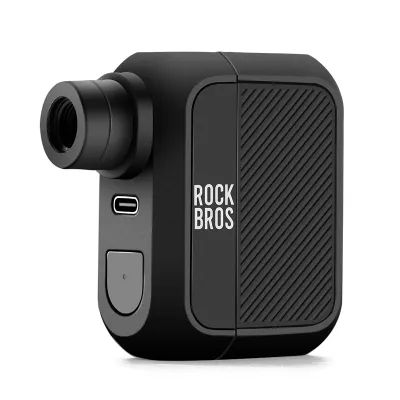
![[LOCAL SELLER] ROCKBROS A320 120PSI Bicycle Air Pump Aluminum Alloy Bike Mini Pump for Balloon Football Basketball Bicycle](https://img.lazcdn.com/g/p/4cdf88dce9570556e1ae5796568391e5.png_400x400q80.png_.webp)
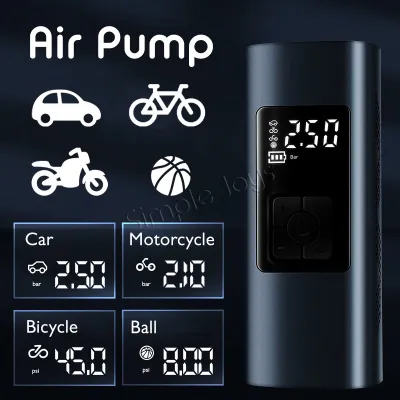
![[SG Stock] Air Pump Car Inflator Compressor Portable Ball Bike Bicycle Rechargeable Basketball Soccer Volleyball Tyre Wheel Tire 12V LED Fast Auto Shut-off Emergency](https://img.lazcdn.com/g/p/cc7d92c566c3860fbbfa1d535cc6f3bb.jpg_400x400q80.jpg_.webp)
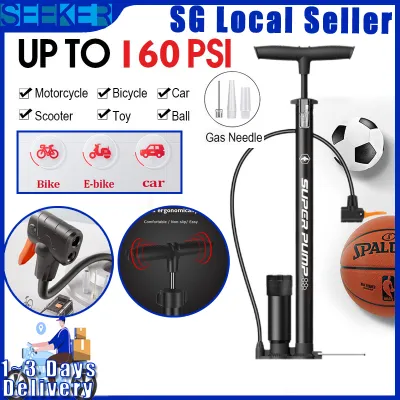
![[Steve & Leif] Cosmic Yellow High-Pressure Bicycle/ Bike Floor Pump with Gauge/ Bike Light/ Bike Cable/ Bike Lock](https://img.lazcdn.com/g/p/870ab1e2d583bf14a29296a36b42d8aa.jpg_400x400q80.jpg_.webp)
Prices are valid at publication and may change. Please refer to the product page for the latest price.
Beyond bicycles, household inflation needs often extend to sports equipment and leisure items. Footballs, basketballs, and netballs require a thin metal inflation needle that inserts directly into a rubber bladder valve. Inflatables like pool toys, air mattresses, and kayak chambers require wide-mouthed plastic nozzles to channel large volumes of air quickly. A versatile pump should either include these adapters as standard accessories or feature a storage compartment where they can be kept securely.
Car tyres represent the most demanding application for a household pump. Although they use the same Schrader valve as many mountain bikes, the sheer volume of air contained within a car tyre is massive. To inflate a car tyre safely and efficiently, the pump head must lock onto the valve stem with absolute security. Any slippage or loose connection can cause rapid air loss or damage the tyre’s valve stem, leading to costly repairs.
Key Features to Look for in a Multi-Purpose Pump
The design of the pump head is the most critical factor determining how easily you can switch between different items. Twin-head designs feature two distinct ports—one for Presta/Dunlop and one for Schrader—allowing you to insert the valve and flip a locking lever to secure it. Smart-head designs use a single auto-adjusting port that internally configures itself to fit whichever valve you insert. While smart-heads offer maximum convenience, they require high-quality internal seals to prevent wear over time. Alternatively, some pumps use thread-on chucks that must be flipped manually, which provides an exceptionally secure connection but takes slightly longer to set up.

An accurate pressure gauge is essential for safety and performance. Gauges are typically mounted either at the base of the pump or at the top of the barrel. Top-mounted gauges are significantly easier to read from a standing position, reducing eye strain and helping you monitor pressure increments closely. Look for a gauge that displays both PSI (pounds per square inch) and bar, with clear, high-contrast markings. If you frequently inflate low-pressure items like sports balls alongside high-pressure road tyres, a dual-stage gauge or a highly detailed low-pressure zone on the dial is highly beneficial.
The physical construction of the pump determines its stability and lifespan. Barrels made of steel or high-grade aluminium offer superior rigidity and heat dissipation compared to thin plastic alternatives. When pumping to high pressures, the barrel can become warm to the touch; metal construction handles this thermal stress far better. Additionally, look for a wide, heavy base made of cast iron or reinforced composite material. A stable base allows you to place both feet firmly on the ground, preventing the pump from tipping over as you apply downward force on the handle.
Types of Multi-Purpose Pumps for Household Use
Floor pumps, often referred to as track pumps, are the most practical choice for general household use. Because they stand upright on the floor and utilize a T-shaped handle, they allow you to use your body weight to compress the air, making high-pressure inflation relatively effortless. The long barrel provides a large air volume per stroke, which is essential when attempting to top up a car tyre or inflate a large air mattress. For most Singapore homes, a sturdy floor pump stored in a utility closet or bomb shelter is the primary tool for routine maintenance.
Portable hand pumps are designed primarily for on-the-go emergencies. These compact pumps can be mounted directly to a bicycle frame or carried in a backpack during outdoor activities. While modern hand pumps often feature clever extendable hoses and hidden adapters, their small barrel size limits the volume of air they can push with each stroke. Using a hand pump to inflate a sports ball or a bicycle tyre is entirely feasible, but attempting to inflate a car tyre with one is highly impractical and physically exhausting, making them unsuitable as a primary household solution.
Electric or 12V portable inflators have become increasingly popular for their convenience and precision. These devices are powered either by rechargeable lithium-ion batteries or by plugging directly into a vehicle’s 12V auxiliary power outlet. Most electric inflators allow you to set a target pressure, after which the device runs automatically and shuts off once the limit is reached. This automation is incredibly useful for car tyres and sports balls, though users must verify battery levels regularly and remain mindful of the device’s duty cycle to prevent overheating.
How to Verify Pressure and Volume Requirements
To avoid damaging your equipment, you must understand the relationship between pressure (measured in PSI or bar) and volume. Road bicycle tyres require high pressure (often between 80 and 110 PSI) but contain very little air volume. Car tyres, on the other hand, require low pressure (typically 30 to 35 PSI) but contain an immense volume of air. Sports balls generally require very low pressure, often between 5 and 13 PSI. Using a pump designed solely for high-volume, low-pressure applications (like a pool toy pump) on a road bike is impossible, as the pump cannot overcome the high resistance of the tyre.
Always check the manufacturer’s maximum pressure rating on the pump before attempting to inflate high-pressure tyres. A pump rated for a maximum of 160 PSI will easily handle any bicycle tyre on the market, while a basic pump rated for only 50 PSI is limited to mountain bikes, city bikes, and sports equipment. Attempting to force a low-pressure pump beyond its rated capacity can cause the internal seals to blow out, rendering the pump useless.
When using a manual floor pump on a high-volume item like a car tyre, be prepared for the physical effort required. While a floor pump can safely add a few PSI to a car tyre to correct a warning light, doing so requires steady, deliberate strokes. Monitor the temperature of the pump barrel; if it becomes hot to the touch, pause for a few minutes to let the seals cool down. This practice prevents premature wear of the internal plunger and ensures the pump remains reliable for years.
Maintenance and Storage Tips for Longevity
Singapore’s tropical climate, characterized by high humidity and warm temperatures, presents unique challenges for mechanical tools. To prevent rust on steel barrels and the premature dry-rotting of rubber hoses, store your pump indoors in a cool, dry place. Avoid leaving the pump on open balconies or in outdoor corridors where it is exposed to direct sunlight and rain. UV exposure quickly degrades plastic handles, gauge faces, and hose materials, causing them to crack and leak.
Regular inspection of the pump head and internal gaskets is essential for maintaining a tight seal. Over time, the rubber washers inside the pump head can wear down or collect dirt, leading to air leaks during inflation. If you notice air escaping from the valve connection, disassemble the pump head, clean the rubber gaskets, and apply a thin layer of silicone grease to restore the seal. If the gaskets are severely worn, many high-quality pump manufacturers offer inexpensive replacement rebuild kits.
To prevent losing the small adapters needed for sports balls and inflatables, keep them organized in a dedicated pouch. Many floor pumps feature integrated clips on the barrel or a small storage drawer in the handle specifically for these accessories. Returning the needle and plastic nozzles to their designated storage spot immediately after use prevents them from getting lost in drawers or damaged under heavy tools.
Frequently Asked Questions (FAQ)
Can a standard bicycle floor pump safely inflate a car tyre?
Yes, a standard bicycle floor pump can safely inflate a car tyre because both use the same Schrader valve interface. However, because a car tyre holds a massive volume of air compared to a bicycle tyre, inflating one from completely flat to full pressure using a manual pump requires hundreds of strokes and significant physical exertion. A manual floor pump is highly effective for minor top-ups of 2 to 3 PSI, but for a completely flat tyre, an electric compressor or professional roadside assistance is highly recommended.
Do I need a special adapter for Dunlop (Woods) valves?
Whether you need an adapter depends entirely on the design of your pump head. Many modern multi-purpose floor pumps feature a twin-head or smart-head design that natively accepts Dunlop valves alongside Presta and Schrader valves. If your pump only features dedicated Presta and Schrader ports, you will need a small, inexpensive brass Dunlop-to-Schrader adapter. This adapter screws directly onto the Dunlop valve stem, allowing you to use the standard Schrader port on your pump.
Why does my pump gauge read zero when inflating a sports ball?
Your pump gauge may read zero because sports balls require very low pressure, often between 5 and 10 PSI, which sits at the absolute bottom of a high-pressure gauge’s scale. Many standard bicycle pump gauges are designed to measure up to 120 or 160 PSI, making them less sensitive to single-digit pressure levels. Additionally, the narrow opening of an inflation needle can restrict air backpressure, meaning the gauge may only register a reading during the downward stroke of the pump handle rather than showing a continuous, static pressure reading.

Community discussion
Share your experience or ask a question. Comments are reviewed before publication.