
Finding a truly multi-purpose mini electric bike pump in Singapore requires looking beyond basic bicycle tire inflation. The best brands for multi-purpose use are those that balance high-pressure capabilities (for road bikes) with versatile nozzle adapters and smart preset modes (for sports balls, motorcycle tires, and occasional automotive top-ups). Rather than relying on a single “universal” brand, cyclists in Singapore should evaluate brands based on their local warranty support, battery safety certifications, and thermal management systems.
As electric pumps become more compact and powerful, they have transitioned from niche cycling accessories to essential multi-use tools. Whether you are commuting through busy streets, preparing for a weekend ride along the Round Island Route, or simply needing to inflate a basketball at a local community court, having a reliable portable inflator saves time and physical effort. However, not all mini pumps are built to handle the diverse demands of different inflatable items, making it crucial to understand what technical features separate a specialized bike pump from a truly versatile multi-purpose tool.
Defining "Multi-Purpose" for Your Specific Inflation Needs
To choose the right mini electric pump, you must first define what “multi-purpose” means for your specific lifestyle. Inflation tasks generally fall into two distinct categories: high-pressure, low-volume tasks and low-pressure, high-volume tasks. Bicycle tires, particularly road bike tires, require high pressure (often up to 110 PSI or more) but contain a relatively small volume of air. Conversely, items like air mattresses, inflatable kayaks, and large pool floats require very low pressure but a massive volume of air to fill.
Products mentioned in this guide
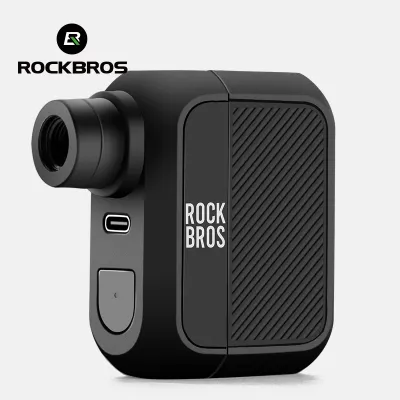
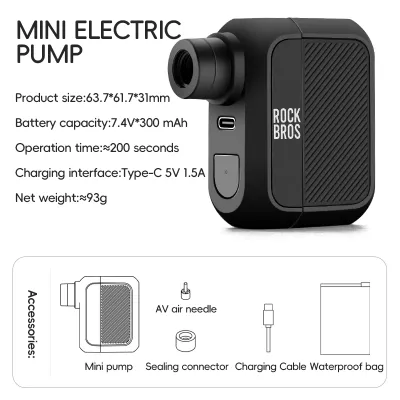
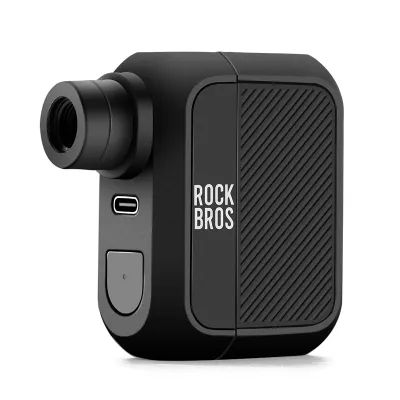
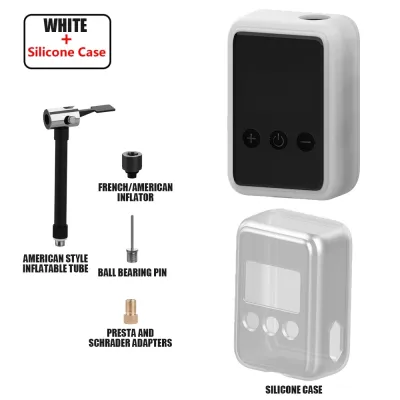
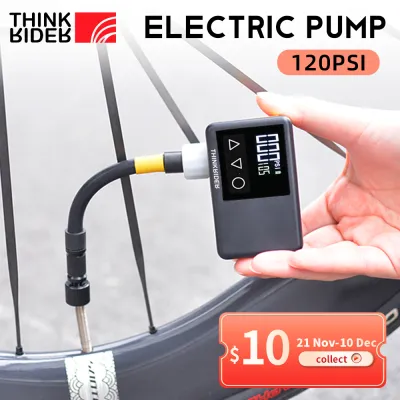
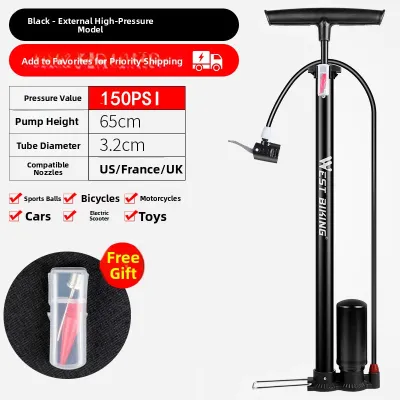
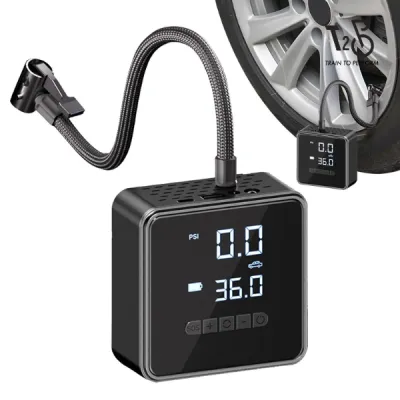
Prices are valid at publication and may change. Please refer to the product page for the latest price.
Mini electric bike pumps are fundamentally engineered for high-pressure, low-volume applications. Their internal motors and piston assemblies are designed to push air against high resistance, which makes them excellent for bicycle tires, motorcycle tires, and topping up car tires. However, using a mini pump to inflate a large air mattress or a family-sized inflatable pool is highly inefficient. Because these pumps move air slowly, the motor must run continuously for a long time, which can lead to rapid overheating and premature battery drain.
Before shopping, identify the maximum pressure (measured in PSI or Bar) required for the highest-pressure item you plan to inflate regularly. For example, if you ride a road bike with narrow tires, you will need a pump that can reliably reach 100 PSI without straining. If your primary use is inflating mountain bike tires (typically 30 to 50 PSI) and occasionally pumping up footballs or basketballs (around 8 to 12 PSI), your pressure requirements are much lower, allowing you to focus on other features like battery life or physical size.
You should also consider how frequently you will use the pump and whether it needs to handle continuous operation. If you plan to use the device to inflate multiple bicycle tires in a single session—such as during a group ride or when maintaining several family bikes at home—you must select a pump with a robust duty cycle. A pump that overheats after filling just one tire will quickly become a source of frustration rather than a convenient tool.
Key Technical Specifications to Evaluate in Any Mini Pump
When comparing different brands of mini electric bike pumps, looking past marketing buzzwords and focusing on concrete technical specifications is essential. The first specification to evaluate is the maximum pressure output alongside the airflow rate, which is typically measured in liters per minute (L/min). While many compact pumps claim a maximum pressure of 150 PSI, a low airflow rate means the pump will take a long time to reach that target. A higher L/min rating indicates faster inflation, which is particularly beneficial when dealing with larger tires.

Battery capacity, measured in milliampere-hours (mAh), directly dictates how many inflation cycles the pump can perform on a single charge. For a truly portable mini pump, you want to find a balance between battery capacity and physical weight. A larger battery provides more runtime but adds bulk to your saddlebag or backpack. Additionally, check the charging interface; a modern USB-C port is highly recommended, as it allows you to recharge the pump using standard phone chargers, laptop bricks, or portable power banks while on the go.
Another critical feature is the inclusion of an auto-shutoff function and preset memory modes. An auto-shutoff mechanism uses an internal digital pressure sensor to monitor the inflation progress and automatically stops the motor once the target pressure is reached. This prevents dangerous over-inflation, which can easily rupture a high-pressure bicycle tire or damage delicate sports equipment. Preset modes allow you to save specific pressure targets for different categories—such as bicycle, motorcycle, car, and ball—saving you from manually adjusting the target pressure every time you switch tasks.
Finally, pay close attention to the manufacturer’s specified thermal management features and duty cycle limits. Compressing air naturally generates a significant amount of heat, and in warm, humid climates, dissipating this heat is even more challenging. High-quality brands design their pumps with integrated cooling fans, metal heat sinks, or automatic thermal shutdown sensors that temporarily disable the pump if the internal temperature exceeds safe limits. Operating a pump beyond its recommended duty cycle without adequate cooling can permanently damage the motor and degrade the lithium-ion battery.
Verifying Valve Compatibility and Nozzle Adapters
A multi-purpose pump is only as useful as its ability to connect to different valves. Bicycles primarily use two types of valves: Schrader (the wider valve commonly found on mountain bikes, commuter bikes, and cars) and Presta (the narrower valve found on most road and gravel bikes). A versatile mini electric pump should feature a nozzle or hose that natively supports both valve types, either through a dual-purpose chuck or a secure, screw-on adapter.
For tasks beyond cycling, you must verify that the pump package includes specialized nozzle adapters. A standard multi-purpose kit should include a steel inflation needle for sports balls and at least one plastic cone adapter for inflating pool toys, balloons, or small camping pillows. If you own a utility bike or an older city bike, you may also need a Dunlop valve adapter. Ensure these adapters are made of durable materials; cheap plastic adapters can easily crack under pressure, leading to air leaks and inaccurate pressure readings.
Physical storage for these small adapters is a design detail that is easily overlooked but highly impactful in daily use. Some brands design the pump housing with a dedicated, built-in compartment or a slot to store the Presta adapter and ball needle. This integrated storage ensures that you always have the necessary connectors with you during an outdoor ride or a trip to the park, preventing the common frustration of losing tiny adapters in the bottom of a backpack or saddlebag.
Additionally, evaluate the design and quality of the inflation hose. A flexible, braided hose is generally superior to a stiff rubber hose, as it can bend easily to reach awkward valve positions without putting stress on the valve stem. The length of the hose should be sufficient to allow the pump to rest on the ground or hang securely while connected to a tire valve. High-quality threaded connectors are also crucial; they should screw onto the valve smoothly without stripping the threads, ensuring an airtight seal during high-pressure inflation.
Evaluating Brand Reliability and Local Support in Singapore
Purchasing an electric pump from a reputable brand with local support in Singapore offers significant advantages over buying unbranded, generic alternatives online. Because these devices rely on lithium-ion batteries and high-pressure mechanical parts, they are subject to wear and tear. Look for established brands that offer a clear warranty period—ideally six months to a year—backed by an authorized local distributor or a physical retail store. Having a local point of contact makes it much easier to handle warranty claims, returns, or exchanges without dealing with expensive international shipping.
When researching brands, analyze long-term user reviews on local online marketplaces and cycling forums. Pay close attention to feedback regarding battery degradation over time. Some lower-quality pumps may perform well initially but suffer from rapid battery capacity loss after a few months of storage, leaving you with a pump that cannot hold a charge when you need it most. Also, look for reviews concerning the accuracy of the digital pressure sensor, as a drifting sensor can lead to dangerous under- or over-inflation.
The local availability of replacement parts is another key factor in determining a brand’s long-term value. Over time, the rubber O-rings inside the pump hose will wear down, and hoses can develop leaks. If a brand does not offer replacement hoses, seals, or adapters locally, a minor wear-and-tear issue could force you to discard the entire pump. Brands that maintain a steady supply of spare parts in Singapore help you extend the lifespan of your investment.
Finally, consider the responsiveness of the brand’s customer service channels. A reliable brand should provide clear documentation, including user manuals in English, troubleshooting guides for common error codes, and instructions on how to recalibrate the pressure sensor. If you encounter an issue or have a question about battery safety, being able to reach a responsive customer support team via email, social media, or a local hotline provides peace of mind and ensures you can use your device safely.
A Practical Pre-Purchase Checklist for Online and In-Store Buying
Before finalizing your purchase on an ecommerce platform or at a local bicycle shop, use this practical checklist to ensure the mini electric pump meets all your multi-purpose requirements.
First, cross-reference the manufacturer’s advertised inflation times with independent user reviews. If a brand claims its pump can inflate a standard bicycle tire in under a minute, verify if real-world users experience similar speeds, or if the pump takes significantly longer under normal operating conditions.
Second, check for safety certifications. Because these devices contain high-energy lithium-ion batteries, they should carry recognized international safety markings such as CE, FCC, or RoHS. These certifications indicate that the product has undergone testing for electrical safety, overcharge protection, and thermal stability, reducing the risk of battery-related hazards in warm climates.
Third, calculate the total cost of ownership. Compare the complete package price—whether you are looking at a basic model around S$40 or a premium option over S$100—including any local shipping fees or extended warranty options, against your allocated budget. A cheaper pump might seem like a bargain initially, but if it lacks essential adapters, a protective carrying case, or a charging cable, you may end up spending more to purchase these items separately.
Fourth, confirm the physical dimensions and weight of the pump. If you plan to carry the pump in your cycling jersey pocket or a small saddlebag, every gram and millimeter counts. Ensure the device is genuinely compact and lightweight enough for your carrying method, without sacrificing the battery capacity and pressure output you need for your multi-purpose tasks.
Frequently Asked Questions (FAQ)
Can a mini electric pump inflate a car tire from completely flat?
While many mini electric pumps are technically capable of reaching the pressure required for a car tire, they are not designed to inflate a completely flat car tire from zero. The volume of air inside an automotive tire is massive compared to a bicycle tire. Attempting to fill a flat car tire will run the mini pump’s motor continuously for an extended period, leading to severe overheating, thermal throttling, and likely draining the battery completely before the task is finished. You should only use a mini pump for minor pressure top-ups on car tires, and always check the manufacturer’s specified duty cycle to allow the pump to cool down between uses.
How should I maintain the battery of an electric pump during long-term storage?
To maximize the lifespan of your electric pump’s lithium-ion battery, avoid storing it completely empty or fully charged. The optimal storage charge level is typically between 50% and 60%, which minimizes stress on the battery cells. If you store the pump in your cabinet for long periods, set a reminder to check and top up the battery every 3 to 6 months to prevent it from falling into a deep discharge state, which can permanently reduce its capacity. Always store the device in a cool, dry place, away from direct sunlight, high humidity, and extreme temperature fluctuations.

Community discussion
Share your experience or ask a question. Comments are reviewed before publication.