
Sports enthusiasts and active families often accumulate a diverse collection of inflatable gear, ranging from low-pressure soccer balls and basketballs to high-pressure road bicycle tires. Finding a single high pressure pump that can transition seamlessly between these different requirements is a common challenge. Many generic pumps fail prematurely because they cannot handle the structural stress of high-pressure inflation or lack the precision needed for delicate, low-pressure bladders.
To avoid wasting money on fragile equipment, you must look beyond flashy marketing and focus on the engineering standards of reputable manufacturers. A reliable pump brand prioritizes durable materials, accurate pressure gauges, and robust valve connections. By understanding what separates a professional-grade pump from a cheap alternative, you can ensure your sports gear is always inflated safely and accurately, whether you are preparing for a weekend ride or a match at the local pitch.
Core Criteria for Evaluating Pump Brand Reliability
When evaluating the reliability of a high pressure pump brand, the first physical characteristic to examine is the construction material of the barrel and base. Premium manufacturers construct their pump barrels from seamless steel or anodized aluminum, which can withstand high internal pressures without flexing or warping. Cheap, unbranded pumps often rely on thin plastic barrels that expand under pressure, leading to air bypass around the internal piston and a rapid loss of efficiency. The base of the pump should also be heavy and wide, ideally made of cast iron or thick steel, to provide a stable platform when you are pumping at high pressures.
Products mentioned in this guide
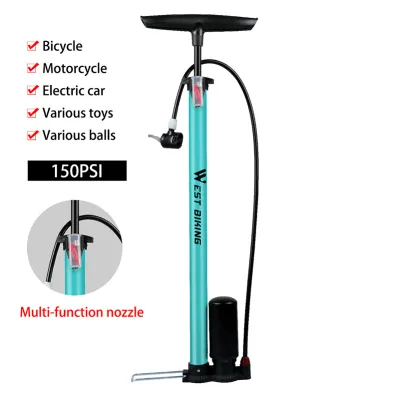
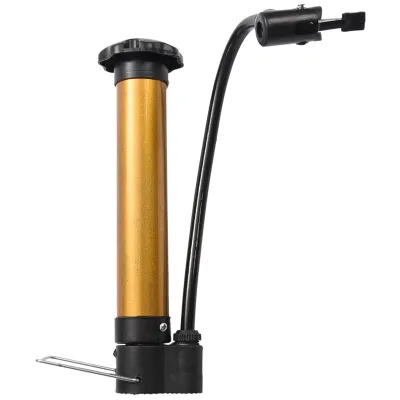
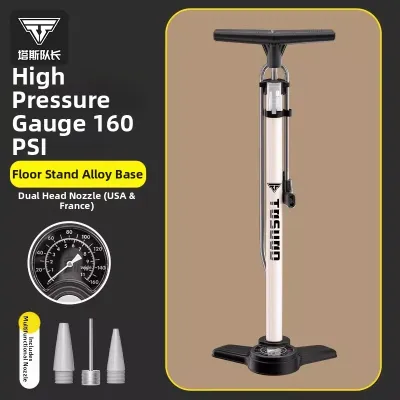
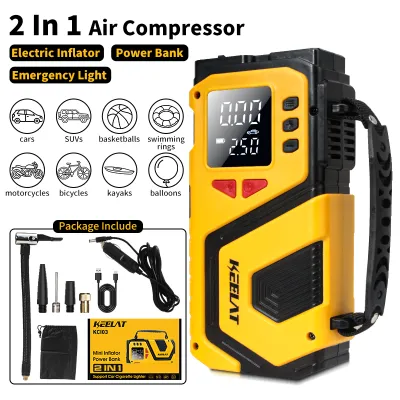
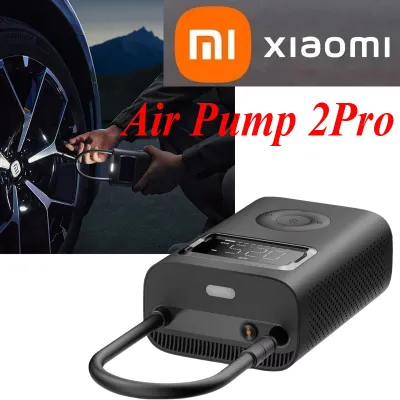
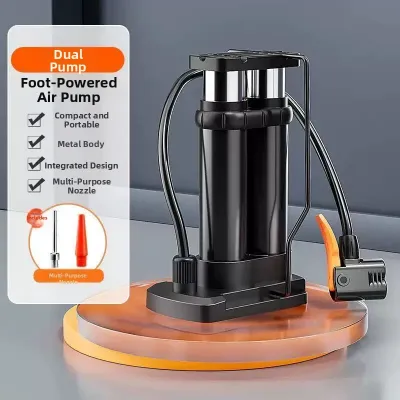
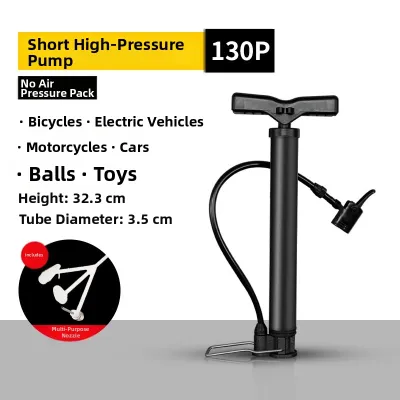
Prices are valid at publication and may change. Please refer to the product page for the latest price.
The pressure gauge is another critical component that distinguishes high-quality brands from budget options. A reliable brand integrates a clear, easy-to-read gauge with a prominent display, often featuring color-coded zones for different sports equipment. Look for brands that position the gauge at the top of the pump or use an oversized dial at the base, which reduces eye strain during use. The gauge mechanism itself should be protected by a shock-resistant rubber bezel to cushion it against accidental drops on hard concrete surfaces.
Internal seal quality and hose construction are equally vital for long-term durability. High-quality pumps utilize thick, reinforced rubber hoses that resist kinking and dry-rotting, even when exposed to fluctuating temperatures and humidity. The chuck—the piece that connects the hose to the valve—should feature robust internal gaskets made of durable synthetic elastomers. Brands that design their chucks with metal locking levers rather than plastic ones offer significantly better wear resistance, ensuring a tight, leak-free seal over hundreds of inflation cycles.
Finally, evaluate the brand’s commitment to product longevity through its warranty terms and the availability of replacement parts. Trustworthy manufacturers view their pumps as long-term investments and offer rebuild kits containing replacement O-rings, gaskets, and hoses. If a brand does not sell replacement seals or chucks, a simple worn gasket could force you to discard the entire pump. Checking customer support responsiveness and the clarity of the manufacturer’s warranty policy provides an excellent indication of how well the brand stands behind its engineering.
Matching Pump Types to Your Inflation Scenarios
Selecting the right pump form factor depends heavily on where and how you plan to inflate your sports equipment. Floor pumps, often referred to as track pumps, are the gold standard for home garages, bike sheds, and equipment rooms. Because of their long barrels and stable bases, they allow you to use your entire body weight to push air, making it relatively effortless to reach high pressures up to 160 PSI. They deliver a large volume of air per stroke, which means you can inflate a flat basketball or a high-volume mountain bike tire in just a few seconds.

For field-side emergencies, school sports days, or travel, portable hand pumps or foot pumps are far more practical. Hand pumps are compact enough to slide into a backpack or mount directly to a bicycle frame, prioritizing portability over raw inflation speed. However, because of their small chamber volume, inflating a completely flat ball or tire requires significant physical effort and hundreds of strokes. Foot pumps offer a middle ground, utilizing leg muscles to reduce fatigue, but they require a flat, stable surface to operate safely and can be awkward to balance on soft grass or gravel.
Electric or battery-powered portable compressors have grown in popularity due to their sheer convenience. These compact devices allow you to set a target pressure, attach the nozzle, and let the motor do the work, automatically shutting off once the desired PSI is reached. While excellent for inflating multiple sports balls quickly before a game, they do have distinct limitations. Their internal batteries require regular charging, the motors can run extremely hot during continuous use, and they are generally much louder than manual pumps, which may not be ideal in quiet residential areas.
Understanding the trade-offs between maximum pressure capabilities and air volume delivery is crucial when choosing between these form factors. High-pressure pumps feature narrower barrels, which reduces the physical force required to push air against high resistance, making them perfect for road bike tires but slower for high-volume items. Conversely, high-volume pumps have wider barrels that move a large amount of air quickly but struggle to push past lower pressure thresholds. A versatile sports setup often benefits most from a high-pressure floor pump for home preparation, paired with a compact hand pump for quick top-ups on the field.
Navigating Nozzle Compatibility and Valve Types
A high-pressure pump is only as useful as its ability to connect securely to your specific sports gear. Different sports equipment and bicycles utilize distinct valve standards, making nozzle compatibility a primary consideration. The most common valve is the Schrader valve, which is identical to the valves found on car tires and is standard on almost all sports balls, utility bicycles, and inflatable toys. Road bicycles and high-performance sports gear often use Presta valves, which are narrower and require a different clamping mechanism, while some European or vintage equipment may feature Dunlop valves.
To handle these diverse standards, reliable pump brands design their heads with multi-valve compatibility. Some feature a “smart head” that automatically adjusts to fit both Schrader and Presta valves without any internal changes, while others utilize a dual-head design with separate, clearly labeled ports for each valve type. Avoid brands that require you to manually disassemble the pump head and flip internal rubber seals to switch between valves, as this process is tedious and increases the risk of losing small internal springs or gaskets.
When inflating sports balls, the connection between the pump head and the inflation needle must be absolutely secure. Cheap pumps often use loose-fitting plastic adapters that allow the needle to wobble, which can bend the needle or damage the ball’s delicate rubber valve bladder. Look for brands that offer thread-on brass needle adapters or robust lever-lock mechanisms that clamp the needle firmly in place. This ensures that all the air pressure is directed straight into the ball rather than leaking out around the base of the needle.
Another practical feature to look for is integrated accessory storage. Because ball needles, plastic mattress adapters, and Presta valve adapters are small and easily misplaced, reputable brands often build dedicated storage compartments directly into the pump’s handle or base. Having a secure, snap-close compartment ensures that your inflation accessories are always with the pump when you need them on the field, preventing the frustration of arriving at a game only to realize you cannot inflate the match ball.
Pre-Purchase Verification and Maintenance Checklist
Before purchasing a high pressure pump, you should perform a few quick verifications to ensure the model matches your specific athletic needs. Cross-reference the manufacturer’s stated maximum PSI with the actual requirements of your highest-pressure equipment. If you ride a road bicycle that requires 100 PSI, purchasing a pump rated for a maximum of 120 PSI is safer than buying one rated for exactly 100 PSI, as operating a pump at its absolute limit accelerates wear on the internal seals and requires immense physical effort.
Once you have purchased a reliable pump, simple routine maintenance will extend its lifespan by several years. Periodically inspect the internal O-rings and the piston shaft for signs of dry-rot or dirt buildup. Applying a thin layer of high-quality silicone grease to the internal plunger and seals keeps the action smooth and maintains an airtight compression chamber. Never use petroleum-based lubricants like standard WD-40 or motor oil, as these chemicals rapidly degrade rubber and synthetic seals, ruining the pump’s ability to hold pressure.
Storage conditions play a massive role in preserving the integrity of your pump, especially in warm, humid climates. Storing a pump in a damp outdoor corridor, an unventilated balcony, or the trunk of a hot car can cause the rubber hose to crack prematurely and the pressure gauge lens to fog up with condensation. Keep your pump indoors in a cool, dry closet or utility room, and ensure the hose is loosely clipped into its designated storage guides rather than bent at a sharp, crimped angle.
Finally, learn to recognize the warning signs that indicate your pump requires maintenance or replacement. If you feel a sudden loss of resistance during the downward stroke, hear air escaping from the barrel cap, or notice that the pressure gauge needle fails to return to zero, stop using the pump immediately. Forcing a malfunctioning pump can lead to sudden hose failure, which can cause injury or damage the valve stems on your expensive sports equipment. Consulting the manufacturer’s manual or replacing worn gaskets early prevents minor seal leaks from turning into complete equipment failures.
Frequently Asked Questions (FAQ)
Can I use a high pressure bicycle pump for sports balls?
Yes, you can use a high-pressure bicycle pump to inflate sports balls, but you must proceed with caution. High-pressure pumps are designed to push small volumes of air at high force, which is ideal for bicycle tires but can easily overwhelm the low-pressure bladders found inside soccer balls, basketballs, and volleyballs. Most sports balls require only 4 to 12 PSI of pressure, whereas a single full stroke of a high-pressure floor pump can quickly exceed this limit if you are not careful. To avoid overinflating and permanently warping or popping the ball, insert the needle fully, pump slowly and incrementally, and monitor the pressure closely using a sensitive, low-range gauge or by checking the ball’s firmness by hand after each stroke.
How do I know if my pump's pressure gauge is accurate?
You can verify the accuracy of your pump’s pressure gauge by comparing its readings against a standalone, high-quality digital pressure gauge. Inflate a tire or sports ball to a specific reading on your pump’s gauge, then immediately attach the standalone digital gauge to the valve to see if the measurements match. Additionally, observe the physical behavior of the pump’s gauge during use; if the needle sticks in place, jumps erratically rather than rising smoothly, or fails to return completely to the zero mark when the hose is disconnected, the internal Bourdon tube or digital sensor is likely damaged. Keep in mind that base-mounted gauges are generally more stable and less prone to impact damage than handle-mounted gauges, though they can be slightly harder to read from a standing position.

Community discussion
Share your experience or ask a question. Comments are reviewed before publication.