
Starting your angling journey in Singapore requires gear that matches both the local environment and your daily transit habits. A small fishing rod is often the most practical choice for a beginner, offering a balance of portability on public transport and responsiveness in crowded fishing spots. Rather than searching for a single magic brand, finding the right setup involves understanding how rod specifications align with local waters, verifying the quality of components, and ensuring you have reliable local support for maintenance and spare parts.
Matching Small Rod Specifications to Local Fishing Spots
In Singapore’s urban angling landscape, a “small” fishing rod typically refers to a setup measuring between 5 and 7 feet in length. These rods generally fall into categories such as ultra-light spinning rods, multi-piece travel rods, or compact telescopic rods. Choosing the right configuration depends heavily on where you plan to fish and how you intend to get there. For instance, if you rely on the MRT or bus network to reach your destination, a three-piece or four-piece travel rod that packs down to under 60 centimeters is highly practical, as long one-piece rods are difficult to transport on public transit and can easily damage in tight spaces.
Different local environments demand specific rod characteristics. When fishing in freshwater reservoirs like Bedok or Lower Peirce, where casting space is often restricted by overhanging vegetation, a short 5.5-foot to 6-foot rod allows for precise, short-range casts. These spots are home to active species like peacock bass, which require a highly sensitive rod to detect subtle bites on artificial lures. Conversely, if you are heading to coastal jetties such as Bedok Jetty or Woodlands Jetty, a slightly longer 6.5-foot to 7-foot light rod helps clear the high safety railings while still remaining manageable for a beginner. At these saltwater locations, you are more likely to target smaller schooling fish like tamban using multi-hook rig setups, or small bottom-dwelling species like rabbitfish and wrasses.
Products mentioned in this guide
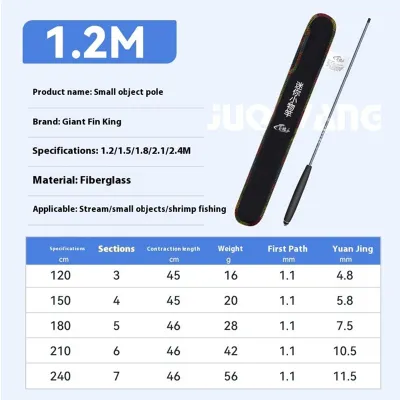
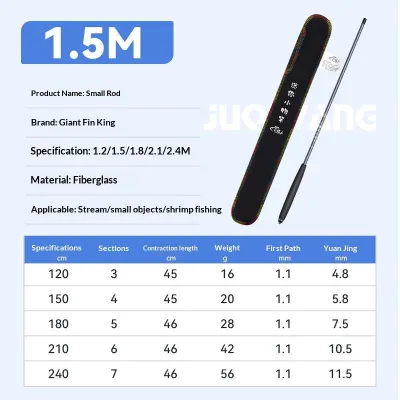
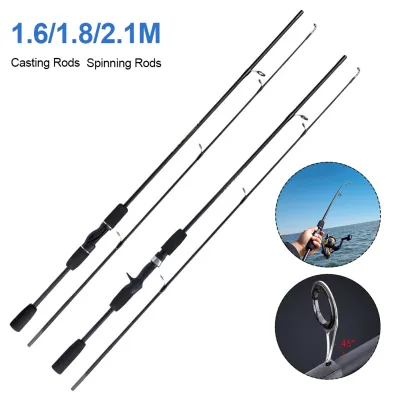
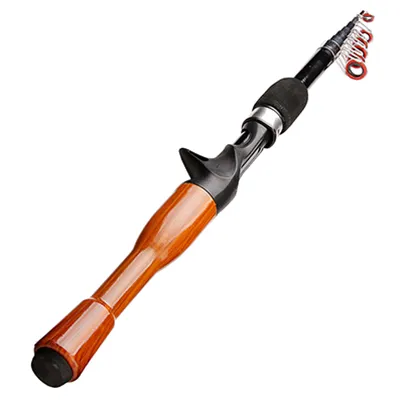
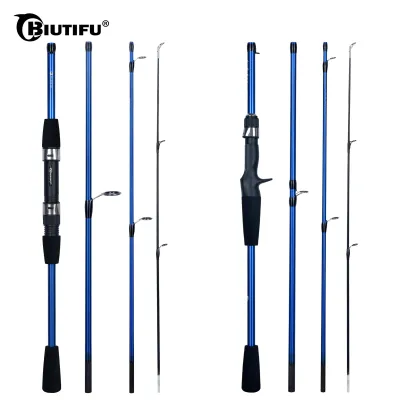
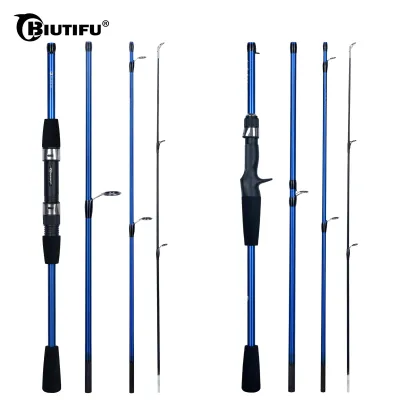
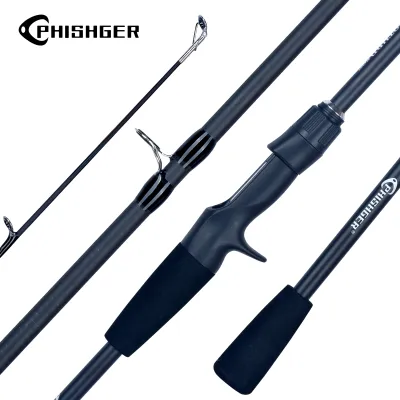
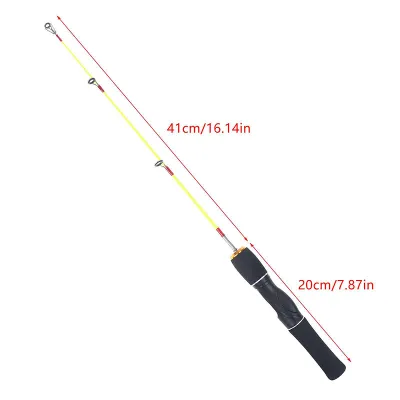
Prices are valid at publication and may change. Please refer to the product page for the latest price.
Paid fishing ponds, which are popular across Singapore for their controlled environments, present another scenario. In these shared spaces, a compact rod prevents you from tangling with neighboring anglers. The rod must possess enough backbone to handle stocked snappers or groupers without bending so excessively that you lose control of the fish. By matching your rod’s length and build to these specific environments, you ensure that your entry-level equipment remains a functional tool rather than a source of frustration.
Reading Technical Labels and Specifications on the Rod Blank
Before purchasing a small fishing rod, you must learn to read the technical specifications printed directly on the rod blank, usually just above the handle. These markings indicate the rod’s power, action, recommended line weight, and lure weight limits. Understanding these ratings helps you select a forgiving setup that minimizes common beginner mistakes, such as snapping the rod tip during a cast or losing fish due to poor hook sets.

Rod power describes how much force is required to bend the rod, ranging from ultra-light to heavy. For a beginner in Singapore, a light or medium-light power rod is highly recommended. This range offers a versatile middle ground: it is sensitive enough to make catching small jetty fish exciting, yet strong enough to handle an unexpected larger catch in a paid pond. Rod action, on the other hand, determines where the rod bends. A fast action rod bends primarily near the tip, offering excellent sensitivity and quick hook sets, while a moderate or slow action rod bends further down the blank. A moderate-fast action is often the most forgiving for novices, as it absorbs casting errors and cushions the sudden lunges of a hooked fish, reducing the likelihood of the hook pulling free.
You must also pay close attention to the recommended line and lure weights. A typical light rod might display a line rating of 4 to 10 pounds and a lure rating of 1/16 to 1/4 ounce (approximately 2 to 7 grams). Exceeding these limits can cause the rod to fracture under stress, while using tackle that is too light will severely limit your casting distance. Additionally, inspect the materials used for the guides (the rings that hold the line) and the reel seat. Singapore’s tropical climate and high humidity accelerate corrosion. Look for guides made from stainless steel or aluminum oxide with smooth ceramic inserts, and a reel seat constructed from high-grade graphite or anodized metal to ensure the setup survives regular exposure to saltwater spray.
Evaluating Brand Reliability and Local Tackle Shop Support
When selecting a brand, beginners often focus solely on aesthetics or price, overlooking the importance of long-term support. In Singapore, a brand’s local distributor presence and the availability of physical tackle shops are critical factors. Purchasing a rod from a brand with established local representation allows you to visit a shop, hold the rod, and feel its weight and balance before spending any money. This hands-on experience is invaluable for a beginner who cannot yet judge a rod’s feel from an online description.
Furthermore, look closely at the manufacturer’s warranty terms. Fishing rods, especially thin-profile small rods, are susceptible to accidental damage during transport or when learning proper casting techniques. Check whether the brand offers a local warranty that covers manufacturing defects, and ask about their policy regarding accidental breakages. Some reputable brands provide a section replacement service, allowing you to purchase a replacement tip or butt section at a fraction of the cost of a completely new rod. This is particularly beneficial for multi-piece travel rods, where only one section might need replacing after a mishap.
Finally, verify if local tackle shops regularly stock compatible spare parts for the brand you are considering. Standard wear-and-tear items, such as the ceramic inserts inside the guides or the tip-top guide itself, can occasionally crack or pop out. If your chosen brand uses standard sizes and is widely supported by local shops, a technician can easily repair a damaged guide within a few minutes. Choosing a well-supported brand ensures that a minor accident does not permanently end your fishing trips.
Pre-Purchase Inspection and Reel Balancing Checklist
Before finalizing your purchase at a local tackle shop, perform a thorough physical inspection of the rod. Even high-quality brands can occasionally have transit damage or manufacturing variances. Use the following checklist to verify the rod’s condition:
- Inspect the Blank: Run your fingers gently along the entire length of the rod blank to feel for any scratches, dents, or uneven spots in the finish. Sight down the rod from the butt to the tip to ensure the blank is perfectly straight and free of twists.
- Check Guide Alignment: Look down the line of guides to confirm they are perfectly aligned with each other and with the reel seat. Misaligned guides create friction, which reduces casting distance and causes premature line wear.
- Examine the Ceramic Inserts: Inspect the inside of every guide ring. The ceramic inserts must be completely smooth, secure, and free of hairline cracks or chips that could cut your fishing line under tension.
- Test the Reel Seat: Screw the reel seat hood up and down to ensure the threads operate smoothly without binding or slipping.
Once the rod passes visual inspection, ask the shop staff to mount an appropriately sized spinning reel onto the seat. For a small rod measuring 5 to 7 feet, a reel size between 1000 and 2500 is typically ideal. Hold the combined setup and find the balance point, which should ideally rest just above the front grip where your index finger naturally sits. A well-balanced setup minimizes wrist fatigue during long casting sessions. If the rod feels tip-heavy or butt-heavy, try pairing it with a different reel weight. If specifications on the rod blank seem conflicting or unclear, always consult the tackle shop professional to ensure your line, lure, and reel choices are fully compatible.
Frequently Asked Questions (FAQ)
How to Clean and Dry a Rod After Saltwater Exposure
To prevent corrosion and preserve the lifespan of your small fishing rod, you must clean it after every saltwater outing. Rinse the entire rod under a gentle stream of cool or lukewarm tap water; avoid using high-pressure hoses, as high pressure can force salt crystals and moisture into the reel seat threads or under the guide wrappings. Pay close attention to the guides and the reel seat, gently wiping away any salt crust with a soft microfiber cloth. Once rinsed, dry the rod thoroughly with a clean towel. Loosen the reel seat hood slightly to allow any trapped moisture underneath to evaporate, and store the rod in a cool, dry place away from direct sunlight, which can degrade the protective epoxy coating over time.
Managing Unexpected Larger Catches on a Light Rod
When using a small, light rod in Singapore’s waters, you may occasionally hook a fish that exceeds your gear’s rated capacity. To prevent the rod from snapping, you must rely on your reel’s drag system and the natural bend of the rod blank. Never point the rod directly at the fish, as this places all the tension on the line and reel; instead, keep the rod at a 45-degree angle to let the blank absorb the shock. Set your reel drag to slip before the line reaches its breaking strength, allowing the fish to run and tire itself out. If the rod bends excessively near the handle or you hear cracking sounds, the equipment is overloaded. In high-risk situations where the fish cannot be controlled, prioritize safety and be prepared to cut the line or let the fish go to prevent gear failure or injury.
Choosing Between Pre-Matched Combos and Separate Components
For absolute beginners, a pre-matched rod and reel combo offers immediate convenience. Manufacturers design these combos to ensure the reel size, line capacity, and rod power are perfectly balanced, removing the guesswork for novices who want to start fishing right away. However, as your skills develop, you may find that a generic combo limits your ability to target specific species or use specialized techniques. Selecting separate components allows you to customize your setup—such as pairing a highly sensitive, fast-action travel rod with a specific high-durability saltwater reel. While buying separately requires a higher initial effort to research and balance, it provides a more tailored setup that can grow with your angling abilities.

Community discussion
Share your experience or ask a question. Comments are reviewed before publication.