
Setting up a home gym in Singapore requires a careful balance of space efficiency, cost, and training versatility. For many fitness enthusiasts, adjustable dumbbells represent the ultimate space-saving solution, replacing an entire rack of traditional fixed weights with a single pair. However, selecting the right set involves more than simply picking the heaviest option available. Because these fitness tools rely on complex mechanical parts to change weights, understanding how different systems operate, how they fit into your living space, and how to verify their build quality is essential before making an investment.
The ideal adjustable dumbbell set must align with your specific training style, strength goals, and the physical constraints of your home. Whether you are performing rapid supersets that require instant weight changes or heavy compound lifts that demand maximum structural durability, the mechanism you choose will directly impact your workout flow. By evaluating the mechanical designs, weight increments, and safety features of these systems, you can make an informed decision that supports your long-term fitness journey without cluttering your living area.
Understanding Adjustable Dumbbell Mechanisms
Adjustable dumbbells generally fall into three primary mechanical categories: dial-and-pin selector systems, block-style selector pins, and traditional spinlock or slide-lock bars. Each design offers a distinct balance of adjustment speed, mechanical complexity, and structural durability. Understanding these differences allows you to choose a system that matches the tempo and intensity of your workouts.
Products mentioned in this guide
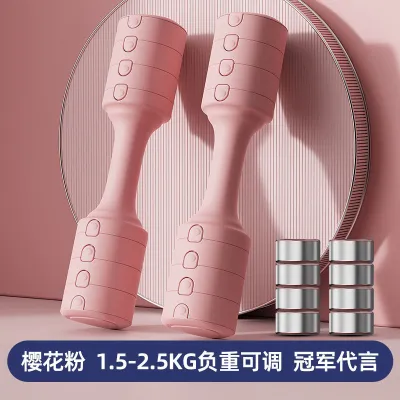
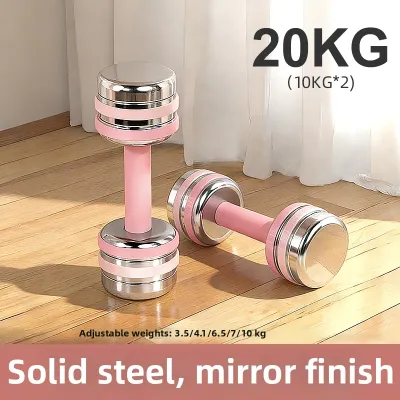
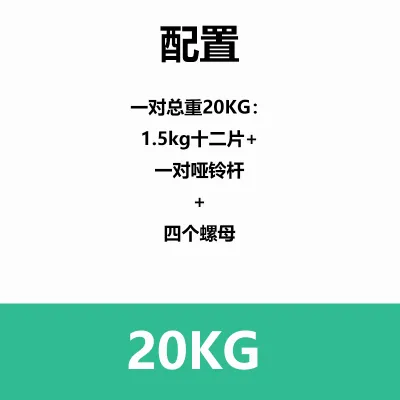
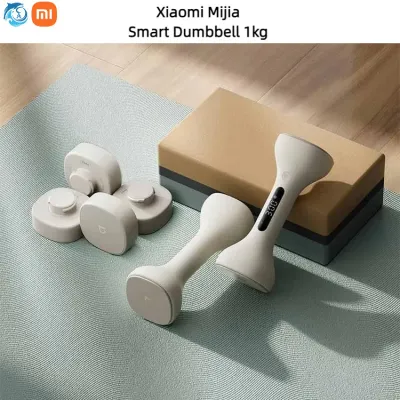
Prices are valid at publication and may change. Please refer to the product page for the latest price.
Dial-and-pin selector systems are highly popular for fast-paced training styles, such as circuit training or supersets. With these models, you place the dumbbell in its custom tray, turn a dial or twist the handle to your desired weight, and lift. The internal mechanism automatically engages the correct number of weight plates while leaving the rest secured in the tray. While this system offers unmatched speed, it relies on intricate internal gears, plastic alignment tabs, and precise locking pins. This mechanical complexity means dial systems are more vulnerable to damage from impacts or drops, requiring careful handling during and between sets.
Block-style selector dumbbells utilize a U-shaped magnetic pin to select weight plates stacked horizontally. To change the weight, you pull the pin out, insert it into the slot corresponding to your target weight, and lift the handle. This design tends to have fewer moving parts than dial systems, often resulting in a more compact profile and greater structural resilience. However, the square shape of block dumbbells can feel unfamiliar to lifters accustomed to traditional round plates, and the selector pin must be fully inserted and aligned to prevent plates from slipping during overhead movements.
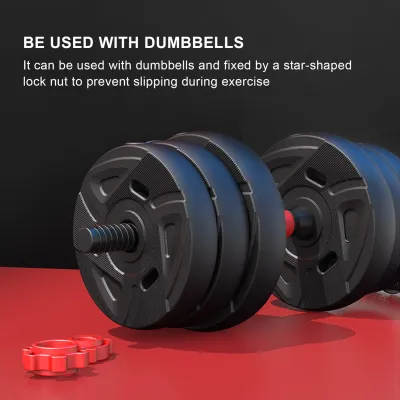
Spinlock and slide-lock mechanisms represent the most traditional and budget-friendly approach to adjustable weights. These systems consist of a threaded steel bar and individual weight plates secured by threaded collars or quick-release slide clamps. While changing weights requires manually unscrewing the collars, adding or removing plates, and tightening them back down—a process that can take up to a minute—the simplicity of this design is virtually indestructible. With no internal gears or delicate pins to break, spinlock dumbbells are highly durable, making them an excellent choice for heavy lifting where drop risks are higher.
Key Selection Criteria for Home Workouts
Selecting the right adjustable dumbbell set requires a clear assessment of your current physical capabilities and your long-term strength progression. Because you cannot easily add weight plates beyond the maximum capacity of a closed mechanical system, choosing a set that allows for progressive overload is critical. You must evaluate the starting weight, the maximum capacity, and the specific weight increments of each model.

For beginners or those focusing on high-repetition endurance training, a lower starting weight—typically around 2 kg to 4 kg—is essential for maintaining proper form during lateral raises, rotator cuff exercises, or bicep curls. Conversely, experienced lifters or those planning to perform heavy compound movements like chest presses, squats, and rows will need a system that tops out at 24 kg, 32 kg, or even 40 kg per dumbbell. Choosing a maximum weight that challenges your projected strength over the next two to three years prevents the need for a costly secondary purchase.
The size of the weight increments is equally important for consistent strength development. Many premium adjustable dumbbells offer small increment steps, such as 1 kg or 2 kg adjustments, allowing for smooth progressive overload. Systems with large jumps, such as 4 kg or 5 kg increments, can create frustrating plateaus, as the jump to the next weight level may be too steep to perform safely with correct form. Verify the exact increment breakdown across the entire weight range, as some models feature smaller steps at lower weights and larger jumps as the total weight increases.
Ergonomics and handle design also play a pivotal role in performance and safety. Look for handles with textured knurling or high-traction rubber grips to prevent slipping when your hands sweat in Singapore’s humid climate. The shape of the handle should feel comfortable in your palm, and the overall balance of the dumbbell should remain centered. Some adjustable models maintain a fixed, maximum length regardless of the weight selected, which can feel awkward or restrict your range of motion during exercises like hammer curls or overhead extensions. Other designs shorten as weight is removed, mimicking the natural feel of traditional fixed dumbbells.
Space, Storage, and Safety Considerations
In Singapore’s typical high-rise apartments and compact residential spaces, the physical footprint of your fitness equipment is a major consideration. Unlike standard dumbbells that can be scattered on the floor, mechanical adjustable dumbbells require dedicated storage trays to facilitate weight changes. These trays hold the unused plates in perfect alignment so the locking mechanism can engage smoothly.
Before purchasing, measure the exact dimensions of the dumbbell trays and ensure you have a flat, stable surface to place them. Many manufacturers offer dedicated dumbbell stands that elevate the trays to waist height. A stand not only saves floor space but also promotes safer lifting ergonomics, preventing you from bending over awkwardly to pick up heavy weights from the floor. If you plan to store the dumbbells under a bed or in a closet when not in use, verify the total height clearance of the dumbbells resting in their trays.
Clearance and alignment are also critical for the longevity of dial and pin mechanisms. If the storage tray is placed on an uneven surface, such as a thick carpet or a warped floorboard, the weight plates may tilt slightly. This misalignment can cause the selector pins to jam, strip the internal gears, or prevent the handle from locking securely. Always operate the adjustment mechanism on a hard, level surface and never force a dial or pin if it encounters resistance.
Safety during exercise must always be your top priority, particularly when performing overhead movements like shoulder presses or tricep extensions. Mechanical adjustable dumbbells are engineered to hold plates securely, but they are not designed to withstand the high-impact forces of being dropped. Dropping a mechanical dumbbell can bend the selector shaft, crack the plastic dial housings, or weaken the locking tabs, creating a severe risk of plates falling out during subsequent exercises. To protect your equipment, your home’s flooring, and your physical safety, always perform controlled descents and invest in high-density rubber gym tiles to absorb minor impacts.
Pre-Purchase Verification Checklist
Because purchasing adjustable dumbbells is a significant financial investment, conducting thorough pre-purchase checks is essential to avoid compatibility issues, unexpected shipping fees, or lack of customer support. Use the following structured checklist to verify product details before finalizing your order on any online marketplace or local retail site.
First, confirm the exact physical specifications directly from the manufacturer’s official product sheet. Do not rely solely on promotional images or simplified product titles. Verify the minimum and maximum weight capacities, the precise weight increments, and the total length of the dumbbell at its maximum capacity. Ensure that the listed weight is per individual dumbbell or if the product is sold as a single unit rather than a pair, as listing formats can vary widely across ecommerce platforms.
Second, carefully review the warranty terms and conditions. Because adjustable dumbbells contain moving parts, they are more prone to wear and tear than solid iron weights. Check whether the warranty covers the internal locking mechanisms, selector dials, and structural frame, and note the duration of this coverage. Be aware that dropping the dumbbells or using them on unsuitable surfaces often voids the manufacturer’s warranty entirely.
Third, verify the seller’s status and the availability of local customer support in Singapore. Purchasing from an authorized local distributor ensures that you have access to replacement parts, such as spare weight plates or replacement trays, if a component fails. Confirm the return policy, including who covers the shipping costs for returns, as shipping heavy iron weights back to an overseas seller can be prohibitively expensive.
Frequently Asked Questions (FAQ)
Can adjustable dumbbells be dropped like standard bumper plates?
No, mechanical adjustable dumbbells should never be dropped. Unlike solid iron or rubber-coated bumper plates designed for Olympic lifting, adjustable dumbbells contain delicate internal components, including selector pins, plastic dials, alignment gears, and spring-loaded locking tabs. The high-impact force of dropping a dumbbell can easily fracture these parts, misalign the locking system, or bend the central steel shaft. This damage not only ruins the adjustment functionality but also poses a severe safety hazard, as compromised locking mechanisms may fail during overhead exercises, causing heavy plates to fall. Always lower the weights under control to a flat surface, and use thick rubber flooring to protect both the equipment and your home.
How do I maintain the adjustment mechanism to prevent jamming?
Maintaining your adjustable dumbbells involves keeping them clean, dry, and properly aligned. Always store the dumbbells in their designated alignment trays when adjusting the weight or when they are not in use, as this keeps the plates perfectly positioned for the selector pins. Avoid exposing the dumbbells to excessive moisture, sweat, or high humidity, which can cause rust on metal plates and internal shafts; wipe them down with a dry microfiber cloth after every workout. Keep the mechanism free of chalk dust, dirt, and pet hair, which can clog the gears. Finally, always consult the manufacturer’s instruction manual before applying any lubricants, as some systems require specific dry-film lubricants while others can be damaged by standard oils or greases.

Community discussion
Share your experience or ask a question. Comments are reviewed before publication.