
Selecting the right 1kg dumbbells in Singapore requires matching the physical design, grip ergonomics, and material safety of the weight to your specific physical therapy or fitness goals. Because there is no single option that suits every individual, your choice should depend on how well a dumbbell’s features align with your physical capabilities and workout environment.
In Singapore’s warm and humid climate, factors like sweat resistance, grip security, and ease of sanitization become highly important. Furthermore, for those living in compact residential spaces such as HDB flats, selecting equipment that is easy to store and will not roll away unexpectedly is a key safety consideration. Before purchasing any equipment for rehabilitation, always consult with your physiotherapist or healthcare provider to ensure that light resistance training is safe for your specific recovery plan.
Core Selection Criteria for 1kg Dumbbells
Evaluating the weight distribution and balance of a 1kg dumbbell is the first step in ensuring safe, controlled movements. High-quality dumbbells typically feature a solid cast-iron core, which ensures that the weight is evenly distributed throughout the implement. In contrast, some budget options are filled with sand or water, which can shift during movement, altering the center of gravity and potentially straining delicate wrist or shoulder joints during slow, precise rehabilitation exercises.
Products mentioned in this guide
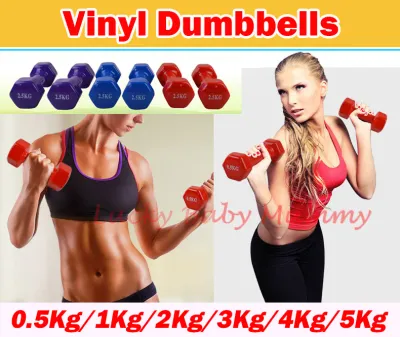
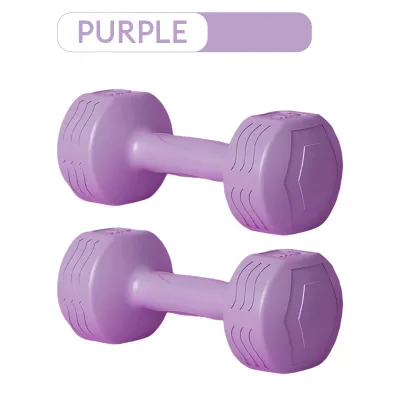
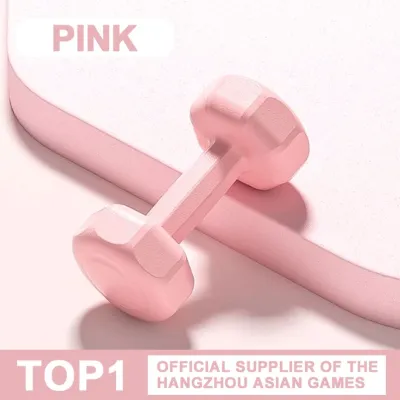
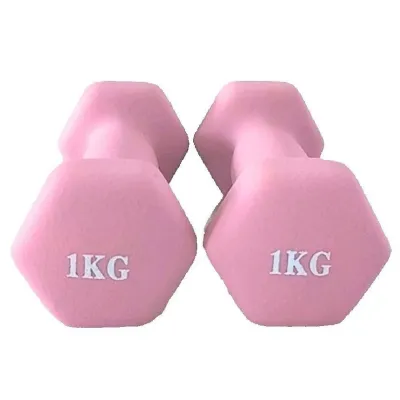
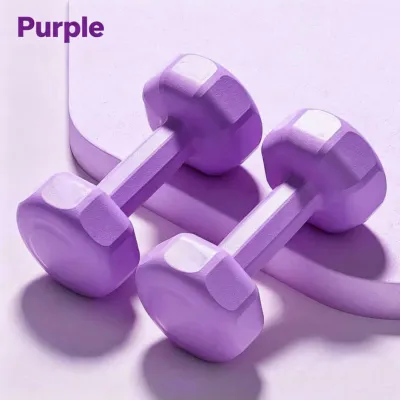
![[SG Stock]Neoprene Dumbbell Weight Strength Training Neoprene Dumbell Set 1kg 2kg 3kg suitable for home and gym exercise](https://img.lazcdn.com/g/p/15509c2888b8e8dae4efd080518cd81f.png_400x400q80.png_.webp)
![[SG in Stock]Dumbbell for Weight Strength Training Neoprene Dumbell Set 1kg 2kg 3kg Suitable For Home And Gym Exercise](https://img.lazcdn.com/g/p/7d8c29df8dc2348f95309f9dc80d8aa1.jpg_400x400q80.jpg_.webp)
Prices are valid at publication and may change. Please refer to the product page for the latest price.
Handle diameter and ergonomics play a critical role in preventing hand fatigue and joint strain. A handle that is too thick forces your hand muscles to overcompensate, which can be highly uncomfortable if you are managing joint stiffness, arthritis, or limited grip strength. Conversely, a handle that is too thin can cause cramping during longer, high-repetition sessions. Opting for a contoured handle—one that is slightly thicker in the middle and tapers toward the ends—helps the dumbbell conform to the natural shape of your closed fist, distributing pressure evenly across your palm.
Evaluating the overall footprint and shape of the dumbbell is essential for both safety and storage. Hexagonal dumbbells feature flat edges that prevent them from rolling across the floor when set down. This design is particularly beneficial in smaller home environments where a rolling dumbbell could easily become a trip hazard or damage tiled or vinyl flooring. Round dumbbells offer a classic look but require a dedicated storage rack or a completely flat surface to remain stationary, while contoured, bone-shaped designs are engineered specifically to maximize hand comfort during active movement.
Material and Grip Comfort: What to Check Before Buying
Coated dumbbells, such as those finished with neoprene, vinyl, or silicone, are highly popular for home workouts and rehabilitation due to their comfort and floor-protecting properties. Neoprene coatings feature a matte, slightly textured finish that provides excellent slip resistance, even when your hands become sweaty in Singapore’s humid weather. However, because neoprene is slightly porous, it can absorb sweat and skin oils over time, making regular cleaning essential to prevent odors.

Vinyl coatings offer a smooth, glossy finish that is incredibly easy to wipe clean and sanitize after a workout. While vinyl is highly durable and resistant to moisture absorption, it can become slippery when wet with sweat, which may compromise your grip during dynamic exercises. Silicone-coated dumbbells are a premium alternative, offering a soft, hypoallergenic grip that is highly slip-resistant and gentle on sensitive skin, though they are generally less common in standard retail outlets.
Bare metal or chrome dumbbells are exceptionally durable and virtually wear-resistant, making them a long-lasting investment. They are incredibly easy to sanitize using standard alcohol wipes, which is highly advantageous if multiple family members share the equipment. However, bare metal can feel cold to the touch initially and lacks the cushioning of coated options, which may cause discomfort for individuals with sensitive skin or joint pain. If you choose metal, look for light knurling—a textured cross-hatch pattern on the handle—to improve traction without being too abrasive on your palms.
Before making a purchase, always verify the surface texture and material specifications by checking product labels or online manufacturer manuals. Look for explicit product claims regarding non-slip properties and check the recommended cleaning agents. Avoiding harsh chemical solvents is crucial, as they can break down neoprene or vinyl coatings, causing them to become sticky, crack, or peel prematurely.
Matching Dumbbell Features to Your Specific Goals
Your priority when selecting a 1kg dumbbell will shift depending on whether your primary objective is joint recovery or light cardiovascular conditioning. By understanding how different design features support these distinct activities, you can select an option that maximizes both safety and comfort.
For Physical Therapy and Joint Rehabilitation
When recovering from an injury or managing limited mobility, your primary focus should be on minimizing joint stress and preventing skin irritation. Prioritize dumbbells with soft, contoured grips that reduce localized pressure on sensitive palms and finger joints. A contoured shape allows you to maintain a secure hold with minimal grip force, which is essential if you are recovering from carpal tunnel syndrome, tennis elbow, or wrist sprains.
It is equally important to verify that the dumbbells have smooth, rounded edges and seamless construction. Cheaply manufactured plastic or vinyl dumbbells often have raised seams along the handle, which can rub against your skin and cause painful abrasions during slow, repetitive range-of-motion exercises. Ensuring a completely smooth surface protects fragile skin, particularly for elderly users.
Before starting any new exercise routine or purchasing equipment for physical therapy, always confirm the suitability of the exercises and the weight increment with a qualified physiotherapist or medical professional. In some early-stage rehabilitation scenarios, even a 1kg weight may be too heavy, and your therapist may recommend starting with resistance bands or lighter, specialized mobility tools before transitioning to dumbbells.
For Beginner Toning and Light Cardio
If you are integrating 1kg weights into high-repetition workouts, shadowboxing, or light cardio routines, maintaining a secure grip during dynamic movements is paramount. Look for sweat-resistant coatings, such as high-quality textured neoprene, which help you maintain control of the weight even during rapid, multi-directional movements. Some cardio-specific dumbbells also feature integrated hand straps that wrap around the back of your hand, preventing the weight from flying out of your grip if it slips.
Consider hexagonal designs if your workouts involve quick transitions between standing exercises and floor-based movements. For example, if your routine includes transitioning from a light overhead press to a plank, hex dumbbells provide a stable base on the floor, allowing you to transition smoothly without the weights rolling away. This stability protects your wrists and ensures a fluid workout experience.
Finally, plan for your future fitness progression by checking if the manufacturer offers matching heavier increments in the same product line. As your strength and endurance improve, you may eventually want to transition to 1.5kg or 2kg weights. Purchasing from a brand with a consistent design language allows you to maintain the same grip feel, material texture, and handle diameter as you progress to heavier resistance.
Safety Boundaries and When to Stop Your Routine
Engaging in light-weight training is generally low-risk, but establishing clear safety boundaries is essential to prevent overuse injuries. It is vital to distinguish between normal muscle fatigue and sharp joint or tendon pain. Normal fatigue presents as a dull, warm ache or a mild burning sensation within the muscle belly during high-repetition sets, which gradually subsides after you stop. Sharp, sudden, or localized pain in your joints, ligaments, or tendons is a clear warning sign of strain and should never be ignored.
Before every workout, perform a quick equipment check to ensure your dumbbells are safe to use. Inspect the outer coating for any tears, cracks, or peeling areas that could pinch your skin or cause a sudden loss of grip. If you are using adjustable or filled dumbbells, verify that the locking collars are secure and that there are no leaks or loose internal weights that could shift suddenly and disrupt your balance during an exercise.
Establish strict stopping conditions for your routine to protect your physical well-being. Cease exercising immediately if your form begins to break down, if you experience sharp pain, or if you feel joint clicking accompanied by discomfort. Additionally, stop the workout if you experience dizziness, lightheadedness, or shortness of breath. Equipment and self-guided routines cannot replace professional training or medical judgment; if you experience persistent pain or discomfort, consult a qualified healthcare professional or a certified fitness trainer before resuming your exercises.
Frequently Asked Questions (FAQ)
Can 1kg dumbbells build significant muscle mass?
No, 1kg dumbbells are generally not sufficient for building significant muscle mass, as muscle hypertrophy requires progressive overload. To stimulate substantial muscle growth, you must challenge your muscles with weights that tire them within a lower repetition range, typically between 6 to 12 repetitions.
Instead, 1kg dumbbells are highly effective for improving muscular endurance, enhancing joint stability, and developing neuromuscular activation. They are ideal for high-repetition cardiovascular workouts, physical therapy recovery, and helping beginners master proper exercise form before transitioning to heavier resistance.
How should I clean and store coated dumbbells?
To clean coated dumbbells, wipe them down after each use with a soft cloth dampened with warm water and a small amount of mild dish soap. Avoid using harsh chemical solvents, bleach, or abrasive scrubbing pads, as these substances can degrade, discolor, or peel neoprene, vinyl, and silicone coatings over time.
Store your dumbbells in a cool, dry place away from direct sunlight. Prolonged exposure to UV rays and extreme heat, which are common in tropical climates, can cause neoprene to dry out and crack, vinyl to become sticky, and colors to fade. Keeping them on a low shelf or in a dedicated storage bin also prevents them from becoming a tripping hazard in your home.

Community discussion
Share your experience or ask a question. Comments are reviewed before publication.