
Selecting the right ankle protector in Singapore requires balancing your specific activity level, injury history, and the demands of a tropical climate. Ankle protectors are not one-size-fits-all accessories; they range from lightweight compression sleeves that offer mild warmth and swelling control to rigid, hinged braces designed to restrict movement after a severe sprain. Choosing an unsuitable type can either leave you vulnerable to painful lateral rolls on the court or unnecessarily restrict your natural stride during a run. By matching the structural design of the protector to the biomechanical demands of your sport, you can maintain peak performance while safeguarding your joints.
An ankle protector serves as an external support system, but its effectiveness depends entirely on selecting the correct level of stabilization. Whether you are recovering from an injury or looking to prevent one during high-intensity workouts, understanding the structural differences between available designs is the first step toward making an informed purchase.
Understanding Ankle Protector Types and Support Levels
Ankle protectors are generally categorized into three primary levels of support: mild, moderate, and maximum. Each category utilizes different materials and structural elements to target specific physical needs, allowing you to choose a model that aligns with your current physical condition.
Products mentioned in this guide
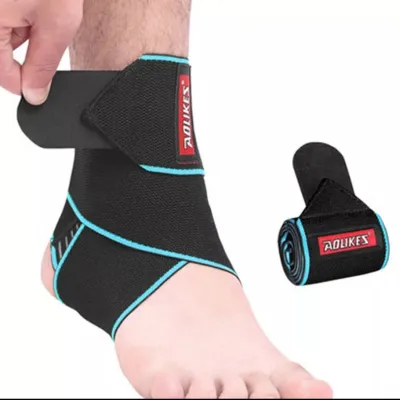
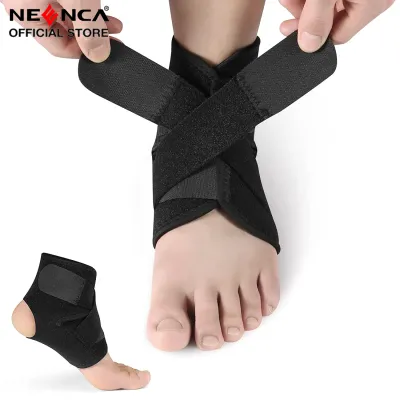
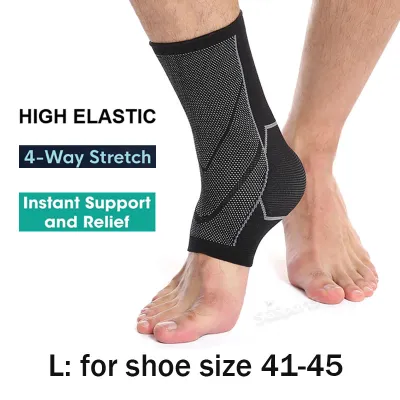
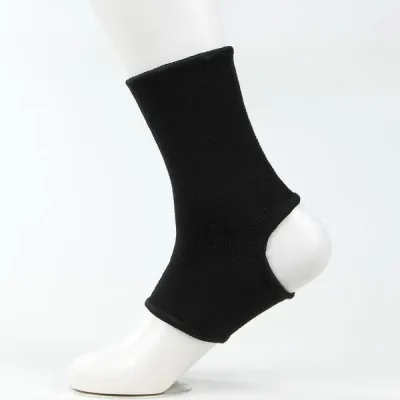
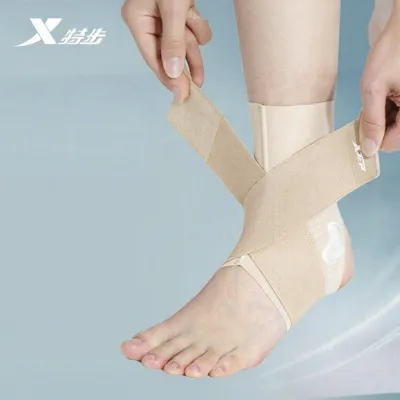
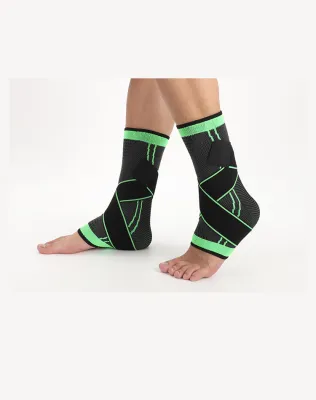
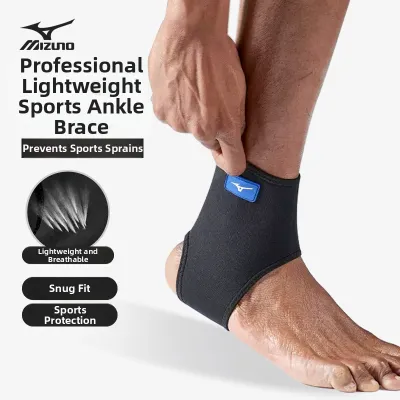
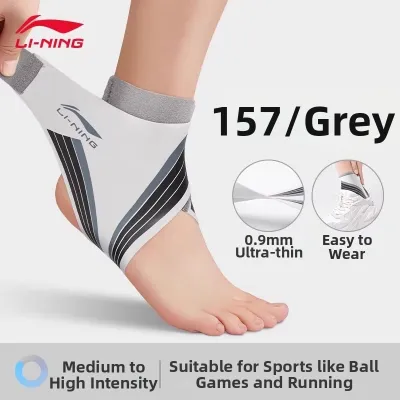
Prices are valid at publication and may change. Please refer to the product page for the latest price.
Compression sleeves represent the mildest level of support and are typically made from elasticized knit fabrics or neoprene. These sleeves slip over the foot and provide uniform compression around the entire joint, which helps stimulate blood flow, reduce minor swelling, and keep the muscles warm. While they do not offer mechanical resistance against sudden ankle rolls, they enhance proprioception—your brain’s awareness of the joint’s position—which can improve overall stability during low-impact activities.
Strap-based and figure-eight designs offer moderate, adjustable support by combining a compression sleeve with inelastic nylon straps. These straps wrap around the ankle in a pattern that mimics professional athletic taping, allowing you to customize the tension and target specific ligaments, such as the anterior talofibular ligament. This design is highly versatile, as you can tighten the straps for high-intensity training sessions and loosen them for recovery periods or daily wear.
Lace-up braces and rigid hinged braces provide maximum stabilization and are engineered to physically restrict harmful ranges of motion. Lace-up models use a front-lacing system to lock the heel in place, while rigid hinged braces incorporate plastic or composite side guards to block lateral rolling (inversion and eversion) entirely. Despite this rigid lateral protection, hinged models still allow normal forward and backward bending (plantarflexion and dorsiflexion), enabling athletes to run and jump while minimizing the risk of a re-injury.
To assess your personal support needs, consider your injury history alongside your intended use. If you have healthy ankles and simply want to manage minor fatigue or swelling, a lightweight compression sleeve is usually sufficient. However, if you are returning to sports after a moderate-to-severe sprain, or if you suffer from chronic joint laxity, a strap-based or rigid brace is necessary to provide the mechanical reinforcement your ligaments lack.
Matching Ankle Protectors to Specific Sports
Different athletic activities place unique physical demands on your lower limbs, meaning a brace that works well for one sport may hinder your performance in another. Matching the protector’s structure to the specific movement patterns of your sport ensures both safety and comfort.

High-Impact and Court Sports
Court sports such as basketball, volleyball, netball, and badminton involve frequent jumping, rapid lateral shuffling, and sudden deceleration. These dynamic movements place immense stress on the lateral ligaments of the ankle, making inversion sprains one of the most common injuries on the court. A single awkward landing on an opponent’s foot or a slip on a polished indoor surface can easily stretch or tear these delicate tissues.
To counter these risks, athletes in court sports require lace-up or rigid hinged braces that actively limit excessive lateral rolling. These structures provide a physical stop against sudden outward rolls while still allowing the forward flexion needed for explosive jumping and sprinting. When selecting a high-support brace, look for models with reinforced side stabilizers that can withstand repeated lateral impacts without losing their shape.
However, maximum support often comes with added physical bulk, which can create compatibility issues with your footwear. High-top court shoes already provide some ankle coverage, and adding a thick brace inside the shoe can cause uncomfortable pressure points or prevent the heel from sitting securely in the heel cup. You may need to loosen your shoe laces significantly, adjust your lacing pattern, or consider low-profile lace-up designs that minimize material bulk around the instep.
Endurance and Linear Sports
In contrast to court sports, endurance activities like running, cycling, and hiking consist primarily of repetitive, linear movements. The primary goal for endurance athletes is not to block lateral movement, but to support the joint through thousands of repetitive strides or pedal strokes. Heavy, rigid braces are highly counterproductive in these scenarios, as they add unnecessary weight and can alter your natural gait, potentially transferring stress upward to your knees and hips.
For these linear activities, thin compression sleeves or low-profile strap designs are the preferred choice. These lightweight options fit comfortably inside snug running shoes or stiff cycling cleats without causing hot spots, friction blisters, or restricted circulation. They provide just enough compression to manage joint fatigue and enhance proprioceptive feedback over long distances, helping you maintain proper foot strike mechanics as your muscles tire.
Singapore’s hot and humid weather adds another layer of complexity for outdoor endurance athletes, as heavy sweating is inevitable. Standard neoprene sleeves can trap heat and moisture, leading to skin irritation, chafing, and unpleasant odors over time. Opt for protectors made from advanced moisture-wicking synthetic knits or perforated materials that promote airflow and dry quickly, ensuring your feet stay comfortable during prolonged training sessions.
Recovery and Daily Stability
Managing an ankle injury requires a careful transition from strict immobilization to gradual mobilization. In the immediate aftermath of an acute injury, such as a severe sprain or a minor fracture, rigid immobilization under medical supervision is necessary to allow the tissues to heal. Once your healthcare provider clears you for light movement, transitioning to a supportive brace helps protect the healing ligaments as you rebuild strength and mobility.
For daily wear and chronic instability, comfort and skin health are paramount, especially when wearing a protector for several hours at a time. Look for breathable, hypoallergenic fabrics that do not irritate the skin when subjected to friction and sweat. Seamless construction and flatlock stitching are highly beneficial, as they prevent the brace from digging into your skin during ordinary movements like walking or climbing stairs.
While over-the-counter ankle protectors are valuable tools for managing daily stability, they are not a substitute for professional medical care. If you experience severe swelling, an inability to bear weight, visible joint deformity, or persistent pain that does not improve with rest, seek immediate medical attention. An ankle protector should always be used as part of a comprehensive recovery plan that includes targeted rehabilitation exercises prescribed by a physiotherapist.
Key Features to Check Before Buying
Before purchasing an ankle protector, evaluating specific product features and construction details will help ensure you select a durable, effective, and comfortable model. Taking the time to verify these specifications prevents the common frustration of buying a brace that is either too uncomfortable to wear or fails to provide adequate support.
First, always measure your ankle circumference accurately rather than relying solely on your standard shoe size. Sizing charts vary significantly between manufacturers, and a brace that is too loose will fail to stabilize the joint, while one that is too tight can restrict blood circulation and cause pain. Use a flexible measuring tape to measure around the narrowest part of your ankle, just above the ankle bone, and compare this measurement directly to the brand’s specific sizing guide.
Second, evaluate how the protector will fit inside your existing athletic footwear. Thin compression sleeves generally fit standard shoes without issue, but thicker strap-based or lace-up braces require extra physical space. When planning to use a high-support brace, you may need to remove your shoe’s original insole, wear thinner socks, or even size up by a half-size in your sports shoes to accommodate the added volume without pinching your toes.
Third, inspect the construction quality and safety features of the brace. Look for seamless designs or flatlock stitching along the inner seams to minimize friction against your skin, which is a common cause of blisters during active use. Additionally, check for non-slip silicone grips or bands along the upper and lower cuffs; these grips prevent the protector from migrating, sliding down, or bunching up during high-intensity movements.
Finally, prioritize material breathability and ease of maintenance to cope with Singapore’s tropical climate. Neoprene provides excellent compression and heat retention, which can be beneficial for chronic joint stiffness, but it can quickly become uncomfortably hot. If you run hot or sweat heavily, look for lightweight knit fabrics, spacer mesh, or perforated panels that allow heat to escape. Ensure the product instructions allow for regular washing, as keeping the brace clean is essential for maintaining hygiene and preventing bacterial buildup.
Where to Buy and Verify Authenticity in Singapore
To ensure your ankle protector provides the structural integrity and safety features promised by the manufacturer, it is essential to purchase from reputable, authorized channels. Buying from unverified sources increases the risk of acquiring counterfeit products that use low-grade materials, which can fail under stress and lead to joint injuries.
We recommend purchasing your ankle protector from specialized sports equipment retailers, official brand stores, or authorized online marketplaces. These established channels source their inventory directly from manufacturers or licensed distributors, ensuring that the materials, stitching, and structural supports meet strict quality control standards. Physical retail stores also offer the advantage of allowing you to try on different sizes and styles to find the most comfortable fit before buying.
Be highly cautious when browsing unverified third-party sellers on online marketplaces or ecommerce platforms that offer premium braces at heavily discounted prices. These cheap imitations often look identical to genuine products in photos but typically use inferior plastics that crack under pressure, weak stitching that unravels quickly, or low-grade elastics that lose their tension after just a few uses. Investing in a genuine, high-quality protector is a direct investment in your physical safety and long-term joint health.
When making your purchase, check for a local distributor warranty and a clear return or exchange policy. Because proper fit is critical for both support and circulation, having the option to exchange the brace for a different size if it does not fit correctly at home is highly valuable. Additionally, look for clear manufacturer labeling, holographic authenticity stickers, or official packaging that confirms the product has undergone proper quality assurance testing.
Frequently Asked Questions (FAQ)
How tight should an ankle protector be?
An ankle protector should feel snug, firm, and supportive, providing even compression around the joint without causing discomfort or pain. It should never pinch your skin, dig into your heel, or restrict your blood circulation. Warning signs that your brace is too tight include numbness, tingling, a cold sensation in your toes, or visible skin discoloration. If you experience any of these symptoms, loosen the straps or laces immediately, or transition to a larger size to ensure safe usage.
Can I wear an ankle protector with any sports shoe?
No, not all ankle protectors are compatible with every type of sports shoe. While lightweight compression sleeves and thin strap designs easily fit inside standard running shoes, football boots, or cycling cleats, bulkier lace-up and rigid hinged braces require significantly more physical space. If you need to wear a high-support brace, you may need to remove your shoe’s existing insoles, loosen the laces completely, or wear athletic shoes that are a half-size larger. It is highly recommended to bring your ankle brace with you when shopping for new athletic footwear to test the fit and compatibility firsthand.
When should I stop using an ankle protector and see a doctor?
You should stop using an ankle protector and seek immediate professional medical attention if you experience severe swelling, visible joint deformity, an inability to bear any weight on your foot, or sharp, localized pain that worsens despite rest. An ankle protector is designed to support a healing joint or prevent minor injuries during activity; it cannot repair torn ligaments, realign bones, or cure chronic joint instability. Relying solely on a brace instead of receiving a professional medical diagnosis and targeted physical therapy can lead to improper healing, chronic weakness, and long-term mobility issues.

Community discussion
Share your experience or ask a question. Comments are reviewed before publication.