
Selecting a badminton bag is rarely as simple as matching a number on a label to the number of rackets you own. A manufacturer’s capacity rating typically assumes the bag is packed with rackets alone, leaving players to guess how much additional gear will actually fit. A “6-racket bag,” for example, will not comfortably hold six rackets alongside your court shoes, a change of clothes, and a tube of shuttlecocks.
To make an informed purchase, you must accurately assess your personal equipment load, decode standard bag capacity specifications, and choose a layout that protects your gear. This guide provides a practical framework to help you select the right bag size and compartment features for your specific playing routine.
Assessing Your Equipment Load
Before looking at bag designs, take a realistic inventory of the gear you carry to every session. Start by counting your active rackets and noting how you transport them. Carrying rackets in individual padded sleeves or fabric covers adds significant bulk, which quickly reduces the available space in your bag’s main compartments.
Products mentioned in this guide
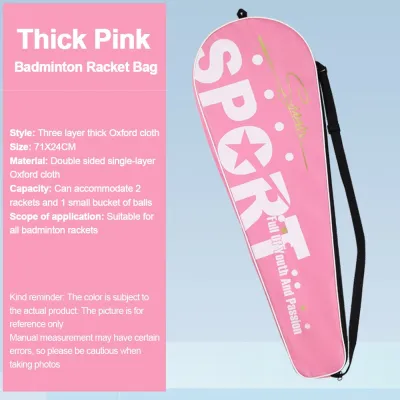
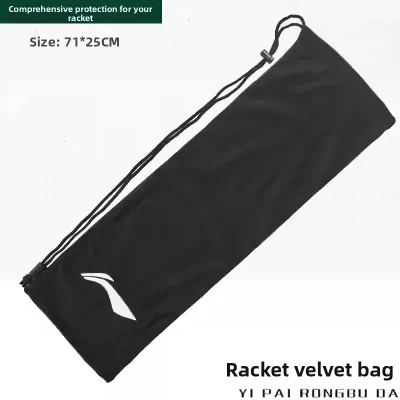
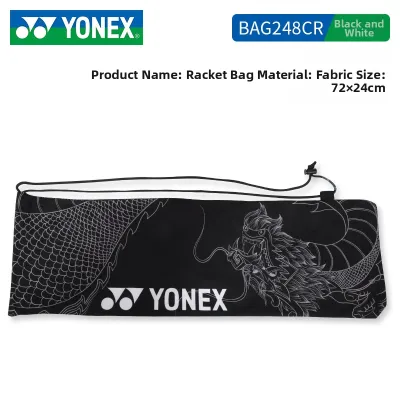
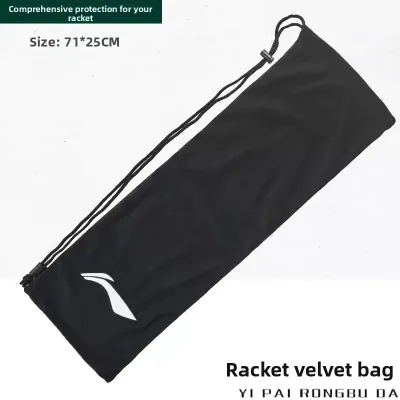
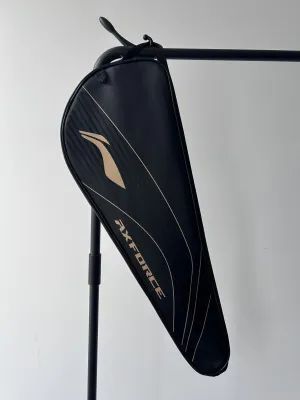
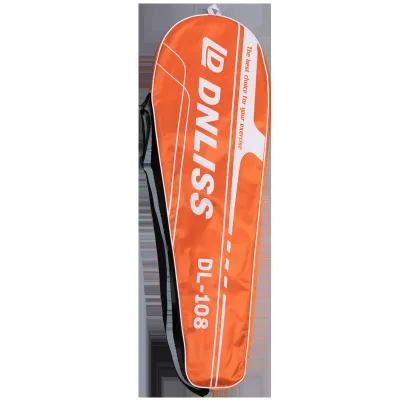
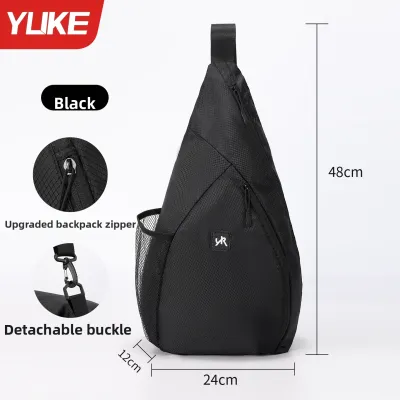
Prices are valid at publication and may change. Please refer to the product page for the latest price.
Next, account for bulky non-racket items that consume substantial volume. Court shoes are typically the largest single item you will pack, and their structured, non-marking soles do not compress easily. You must also factor in shuttlecock tubes, a water bottle, a towel, and a fresh change of clothes.
Post-match realities also demand consideration. Sweaty apparel, damp socks, and used towels must be isolated to maintain hygiene. If your bag lacks a dedicated wet compartment, you will need extra physical space to accommodate a separate dry-sack or plastic bag to keep moisture away from your dry gear and sensitive racket grips.
Finally, consider your potential gear expansion over the next year. If you plan to increase your playing frequency, join a league, or transition to team play, you may soon need to carry extra grip tape, a backup pair of shoes, or additional rackets. Choosing a bag with slightly more capacity than your current minimum prevents you from outgrowing it too quickly.
Decoding Badminton Bag Capacities
When browsing badminton bags, understanding how manufacturers calculate capacity is crucial. The stated “racket capacity” represents the maximum number of bare rackets the bag can hold when completely empty of other gear. As soon as you add shoes, clothing, or accessories, the actual number of rackets you can safely fit drops significantly.

The structural design of the bag also dictates how efficiently you can use this space. Rigid, molded bags maintain their shape and protect your gear from external impacts, but they offer very little flexibility if you try to overstuff them. Conversely, soft, unstructured sports duffels can stretch to accommodate awkward items, but they offer minimal protection and can cause rackets to press against each other, risking frame warping or string damage.
3-Racket Bags
A 3-racket bag is a compact, lightweight option designed for players who travel light. Typically configured as a slim single-strap shoulder bag or a specialized backpack, it is built to carry one or two rackets safely, with just enough remaining space for small essentials like keys, a wallet, and a phone.
These entry-level bags generally lack dedicated shoe compartments, meaning you must either wear your court shoes to the venue or carry them in a separate compartment. They also rarely feature thermal insulation or advanced organizational pockets, making them best suited for casual sessions where minimal gear is required.
6-Racket Bags
The 6-racket bag is the standard choice and the most popular size for regular club players. This size strikes an excellent balance between portability and storage capacity, typically featuring two large main compartments.
This dual-compartment layout allows you to dedicate one side entirely to two or three rackets, while using the other side for your court shoes, a towel, and a change of clothes. Most 6-racket bags also include external zippered pockets for small accessories like grip tape and scissors, along with side mesh compartments for water bottles or shuttlecock tubes.
9-Racket and Tournament Bags
Designed for competitive players, coaches, and those who travel for tournaments, 9-racket bags feature three large main compartments. This expanded footprint easily accommodates six or more rackets alongside multiple pairs of shoes, warm-up apparel, and several tubes of shuttlecocks.
Because of the substantial weight of this gear, these bags utilize dual-strap backpack systems with heavy padding to distribute the load evenly across your shoulders. If you commute via public transport or use standard gym lockers in Singapore, be sure to check the physical dimensions of these oversized models before purchasing, as they can be cumbersome on busy trains or too wide for narrow lockers.
Evaluating Compartment Layouts and Protection
The internal layout of a badminton bag is just as important as its overall size. Rackets are highly sensitive to environmental factors, particularly heat and moisture. High temperatures can soften graphite frames and cause strings to lose tension rapidly, which is why many high-quality bags feature thermal-lined compartments. These compartments use a reflective foil layer to shield your rackets from external temperature spikes; when choosing a bag, verify whether the thermal lining covers the entire compartment or just a small section.
Hygiene and gear preservation rely heavily on a dedicated, ventilated shoe compartment. Keeping your court shoes isolated prevents court dust, dirt, and sweat from transferring to your clean apparel or the absorbent grip wrap on your rackets. Look for compartments with ventilation grommets or mesh panels that allow moisture to escape, preventing mold and odor buildup.
Internal structural features also play a vital role in protecting your equipment. Look for padded internal dividers that keep rackets from scraping against each other, reinforced bases that absorb shock when you set the bag down, and external compression straps that keep the load tight and prevent racket handles from shifting or snapping during transit.
Lastly, inspect the hardware and construction quality. Heavy-duty, smooth-gliding zippers and double-stitched seams are critical, as overstuffing a bag places immense stress on these failure points. A split zipper or a torn seam can render an otherwise excellent bag unusable.
Matching Bag Size to Your Playing Routine
To choose the right bag, align its capacity and features with your specific player profile and commuting habits. If you are a casual or fitness player who hits the court once a week, carries one or two rackets, and wears your court shoes to the venue, a compact 3-racket bag or a specialized badminton backpack is highly efficient and easy to carry.
If you are a regular club player who plays multiple times a week, a structured 6-racket bag is the ideal standard. It provides the necessary separation for your court shoes, wet clothes, and up to three rackets, ensuring your gear stays organized and protected without being overly bulky.
For tournament competitors, coaches, or players who carry extensive gear—such as multiple shuttlecock tubes, resistance bands, and backup apparel—a 9-racket tournament bag is the most practical choice.
Before making your final decision, use a quick checklist to verify the bag’s ergonomics. Ensure the shoulder straps are wide and well-padded, the base material is water-resistant and durable enough to withstand rough court floors, and the overall weight feels balanced and manageable when fully loaded.
Frequently Asked Questions (FAQ)
Can I use a regular sports backpack instead of a dedicated badminton bag?
While a standard backpack can hold basic gear, it is not ideal for protecting your rackets. Regular backpacks lack the length to cover a badminton racket fully, leaving the fragile handle protruding from the zipper where it can easily snag or snap. They also lack specialized thermal lining to protect string tension and rarely feature isolated, ventilated compartments to keep dirty shoes away from clean clothes.
How do I protect my rackets from heat damage inside the bag?
To minimize heat exposure, always store your badminton bag in a cool, shaded, and well-ventilated indoor area. Never leave your bag inside a parked vehicle under direct sunlight, as cabin temperatures can rise rapidly and warp graphite frames. If your bag has a thermal-lined compartment, always store your rackets there, or use individual padded racket covers for an extra layer of insulation.

Community discussion
Share your experience or ask a question. Comments are reviewed before publication.