
The best lock for your bike depends entirely on where you plan to park and how long you intend to leave your bicycle unattended. For quick, recreational stops along the Park Connector Network (PCN), a lightweight folding lock or a compact U-lock offers the ideal balance of portability and basic security. Conversely, leaving a bicycle at an MRT station for a full workday demands a heavy-duty U-lock or a thick chain lock capable of resisting sustained physical attacks.
Understanding the specific risks of your cycling route allows you to choose a security setup that protects your investment without adding unnecessary weight to your ride. By matching the physical properties of different lock designs to your daily routine, you can keep your bicycle secure whether you are stopping for a quick coconut water along the coast or commuting to a major transit hub.
Quick Guide: Matching Lock Types to Your Cycling Routine
Recreational riding along the PCN and daily commuting to MRT stations present two completely different security environments. PCN rides are typically active and dynamic, meaning your bicycle is rarely out of sight for more than a few minutes at a time. In these scenarios, carrying a massive, heavy lock can ruin the enjoyment of your ride, making lightweight portability your primary concern.
Products mentioned in this guide
![Bicycle Cable Lock with mounting bracket accessories High Security 5 Digit Combination Coiling Bike Cable locklong 1.2m cable for outdoor convenience [Local Seller. Ready Stock]](https://img.lazcdn.com/g/p/267a2958bea32e83a697cb6ef9eed928.jpg_400x400q80.jpg_.webp)
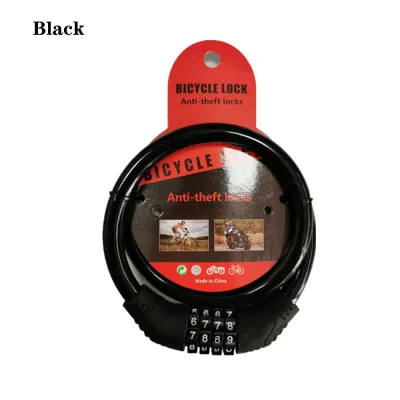
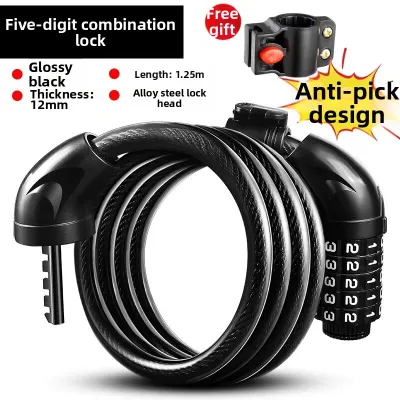
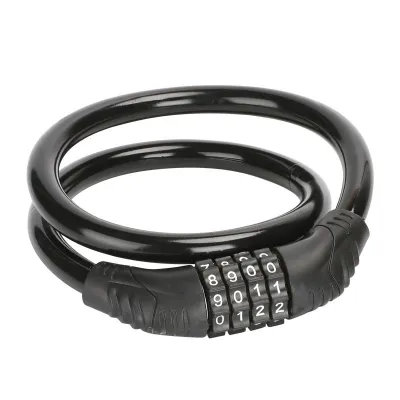
Prices are valid at publication and may change. Please refer to the product page for the latest price.
MRT station parking, however, is static and long-term. Your bicycle will often sit unattended in a public space for eight to twelve hours while you work or study. Because opportunists have more time to operate in these high-traffic transit hubs, physical resistance must take priority over carrying comfort.
U-locks generally serve as the benchmark for high-security needs, making them excellent for transit stations. Folding locks offer a highly packable alternative that fits neatly onto your frame during long PCN journeys. Chain locks provide maximum flexibility for awkward locking points but are heavy to transport, while cable locks are best reserved as secondary deterrents rather than primary security.
Choosing the right setup is always a trade-off between weight and security. A heavier lock constructed from thicker, hardened steel naturally provides greater resistance to cutting tools, but it requires more physical effort to carry on your daily route.
Comparing the Main Types of Bike Locks
U-Locks (D-Locks)
U-locks feature a rigid steel shackle that locks into a solid crossbar, creating a tough, protective loop. Their rigid design makes them highly resistant to common hand tools, as there are no moving parts or hinges to exploit. The solid construction also prevents thieves from easily inserting prying tools if the lock is sized correctly to your frame.

However, this rigidity limits where you can park your bicycle. A U-lock cannot wrap around wide pillars, trees, or thick concrete posts, restricting you to standard metal bike racks. They are also relatively bulky to carry, often requiring a dedicated frame mount or a spacious backpack.
Folding Locks
Folding locks consist of a series of hardened steel plates joined together by heavy-duty rivets. This design allows the lock to fold down into a compact, rectangular shape that fits into a small holster mounted directly to your bicycle frame. They offer a much wider locking radius than standard U-locks, making it easier to secure your bike to non-standard posts.
While highly convenient, the structural integrity of a folding lock depends heavily on the quality of its hinges. Over time, these pivot points can become targets for specialized tools, so it is important to regularly inspect the rivets for any signs of loosening or wear.
Chain Locks
Chain locks are made of heavy, hardened steel links covered by a tough fabric sleeve. This flexibility allows you to wrap the chain around almost any secure structure, including thick lampposts or multiple bicycles at once. They are incredibly difficult to cut with manual tools due to the shifting nature of the links.
The primary drawback of a chain lock is its substantial weight, which can make long-distance cycling tiring. Additionally, you must regularly check the protective fabric sleeve; if the fabric tears, the heavy metal links can quickly scratch or dent your bicycle frame during transit.
Cable Locks
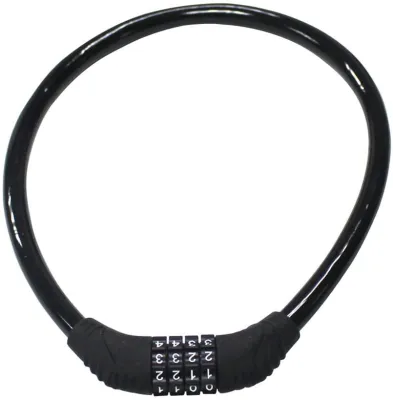
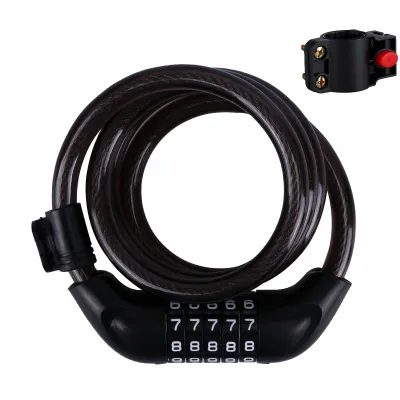
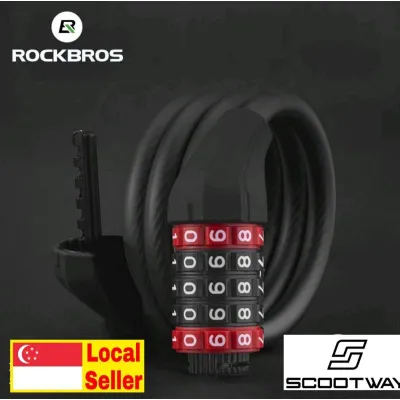
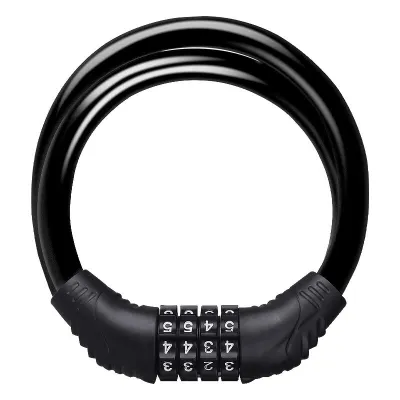
Cable locks are made of braided steel wires encased in a flexible plastic coating. They are incredibly light, easy to coil around your seat post, and highly affordable. This makes them highly convenient for quick stops where your bike remains within your line of sight.
However, cable locks offer very low resistance to basic cutting tools, which can silent cut through the braided wire in seconds. Because of this vulnerability, they should never be used as your primary lock in high-risk areas, but they function well as secondary locks to secure quick-release front wheels or saddles.
Securing Your Bike at PCN (Park Connector Network) Stops
The PCN environment consists of scenic, open-air pathways that connect parks and residential estates across Singapore. Racks along these routes are fully exposed to tropical weather, including intense sunlight and sudden downpours. Because you are actively pedaling long distances, carrying a heavy lock can quickly lead to fatigue.
For short, recreational stops—such as buying a drink, taking photos, or using restroom facilities—convenience is key. A lightweight folding lock or a compact, medium-duty U-lock provides more than enough security for these brief periods, especially since other cyclists are constantly passing by.
When parking along the PCN, always check that the rack is firmly anchored to the ground and not rusted through by rainwater. Position your bicycle so that it does not block the path of pedestrians, runners, or other riders. To maximize security, keep your lock off the ground; leaving a lock resting on the concrete makes it much easier for someone to use the pavement as leverage for cutting tools.
Securing Your Bike for MRT Station Commuting
MRT station bicycle bays are busy, high-traffic areas that experience constant foot traffic throughout the day. While many of these parking zones are sheltered from the rain, your bicycle will remain parked in the same spot for many hours. This extended exposure gives potential thieves a large window of opportunity to target your property.
For long-duration parking at transit hubs, you must prioritize physical strength over portability. A heavy-duty U-lock with a thick shackle or a robust chain lock is highly recommended. The inconvenience of carrying a heavier lock during your morning commute is a minor trade-off for the security it provides while you are away.
When selecting a lock for daily commuting, look for a shackle thickness of at least 13mm of hardened steel. Ensure your locking strategy secures both the frame and the rear wheel to the station rack, as these are the most valuable parts of your bicycle and the easiest to target if left unsecured.
How to Evaluate Lock Specifications and Rack Compatibility
Shackle and Link Thickness
When shopping for a lock on an online marketplace, always check the manufacturer specifications for steel thickness. For U-locks, a shackle diameter of 13mm to 16mm is generally considered the standard for high security. For chain locks, look for link thicknesses of 8mm or greater. Hardened steel alloys are highly preferred, as they are specifically treated to resist manual cutting tools.
Locking Mechanism
Inspect the design of the locking cylinder itself. Disc-detainer cylinders offer excellent resistance to picking and drilling compared to older, traditional pin-tumbler designs. Additionally, look for locks that feature integrated keyhole covers; these sliding covers prevent tropical humidity, rain, and road grit from entering the keyway and causing the internal springs to rust.
Mounting and Carry
Consider how you will transport the lock on your daily rides. Many folding locks and U-locks come with mounting brackets that attach directly to your bicycle frame’s bottle cage bosses. If your bicycle does not have these mounting points, verify whether the lock can fit comfortably inside your commuter backpack or pannier bag without shifting around and affecting your balance.
Frequently Asked Questions (FAQ)
Can I use a cable lock as my primary lock at an MRT station?
No, using a cable lock as your primary security measure at an MRT station is not recommended. Cable locks can be cut through very quickly using basic hand tools that fit easily into a pocket or backpack. They do not provide sufficient physical resistance for long-term, unattended parking and should only be used as secondary locks to secure accessories like your helmet or quick-release front wheel.
How should I lock my bike to a standard PCN or MRT bike rack?
To secure your bicycle properly, park it as close to the metal rack as possible. Pass your primary lock through the rear wheel rim (ensuring it goes inside the rear triangle of the frame) and around the frame itself, then anchor it directly to the metal rack. This technique secures both the frame and your expensive rear wheel while minimizing the amount of open space inside the lock, making it much harder for anyone to insert prying tools.

Community discussion
Share your experience or ask a question. Comments are reviewed before publication.