
Selecting an appropriate cooling towel for golf in Singapore requires balancing instant evaporative cooling, sweat absorption, and ease of use during a four-hour round. Because tropical humidity can limit how quickly moisture evaporates, beginner golfers must evaluate material types, attachment features, and on-course maintenance to ensure the gear actually provides relief rather than just adding damp weight to their bag. This guide breaks down the essential selection criteria to help you build a practical shortlist for your next tee time.
Understanding Cooling Towel Materials for Tropical Golf
Polyvinyl Alcohol (PVA) is a highly popular synthetic material known for its exceptional water retention capabilities. A PVA towel acts much like a sponge, holding a significant volume of water without dripping onto your golf apparel. When wet, it delivers a highly pronounced, chilled sensation against the skin, making it excellent for rapid cooling during brief rests between holes.
However, PVA has a distinct physical drawback that golfers must consider. When the material dries completely, it becomes entirely stiff and rigid, resembling a piece of cardboard. To make it pliable and soft again, you must re-wet it thoroughly. This stiffness can make it awkward to drape comfortably around your neck while executing a golf swing if the towel has started to dry out.
Products mentioned in this guide
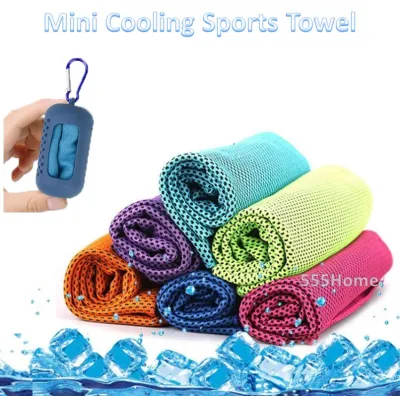
![[Clearance] Cooling Towel - Ice Towel Soft Breathable Cool Towel Microfiber Towel](https://img.lazcdn.com/g/p/f2058ce8ec80876bd40cca84d1df6016.jpg_400x400q80.jpg_.webp)
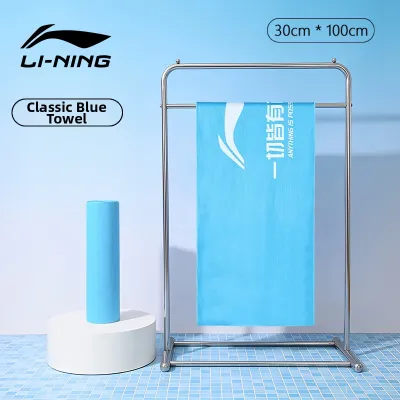
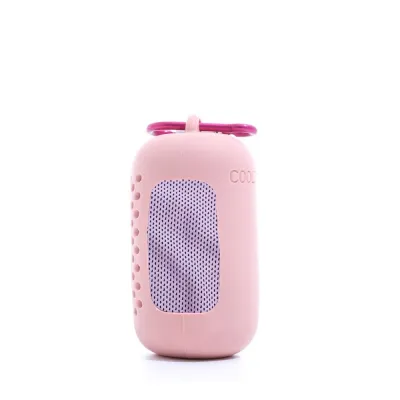
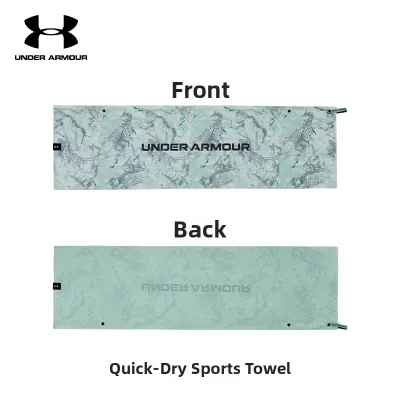
Prices are valid at publication and may change. Please refer to the product page for the latest price.
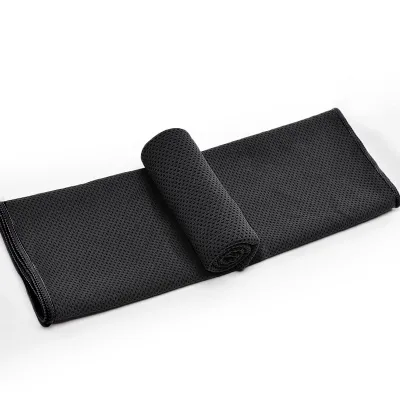
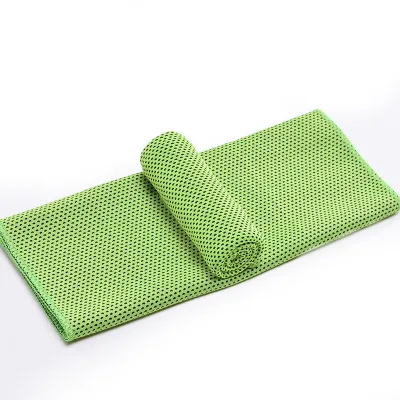
Microfiber and mesh towels offer a highly flexible alternative for active players. These towels are typically woven from polyester and nylon blends, allowing them to remain soft, lightweight, and pliable whether they are wet or dry. This continuous softness makes them incredibly comfortable to wear around your neck, tuck into your collar, or wrap under a golf cap throughout an entire round.
Unlike PVA, microfiber and mesh fabrics rely heavily on active airflow to trigger and maintain their cooling properties. Snapping the damp fabric in the air circulates breeze through the weave, which lowers the temperature of the towel. In Singapore’s high ambient humidity, however, the moisture-saturated air can slow down this evaporative process, meaning you may need to snap or re-wet a microfiber towel more frequently than you would in a dry climate.
When dealing with heavy perspiration on the course, the trade-offs between these materials become clear. A PVA towel holds its moisture longer and provides a more intense cooling sensation, but it feels heavier and becomes rigid when dry. A mesh towel is lighter, remains soft, and is easier to wear during a swing, but it requires more frequent re-activation to combat the tropical humidity.
Essential Features to Evaluate for On-Course Comfort
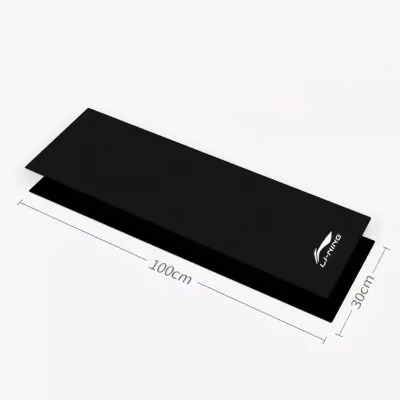
The physical dimensions of a cooling towel directly impact how you use it on the course. A long, narrow neck drape, typically measuring around 100 centimeters by 30 centimeters, is highly practical for golfers because it can be worn comfortably without restricting your shoulder turn or swing path. Larger rectangular towels offer more surface area for wiping down your face, arms, and hands, but they can feel bulky and heavy when fully saturated.

Integrated attachment features are essential for keeping your towel accessible and clean during play. Look for towels equipped with sturdy metal grommets, carabiner clips, or snap-button loops. These attachments allow you to secure the towel directly to the exterior of your golf bag, the frame of a pushcart, or the handrails of a motorized buggy, preventing it from falling onto the damp grass or getting lost on the fairway.
The design of the carrying case is another critical factor for maintaining hygiene. Many cooling towels are sold with dedicated storage containers, such as breathable mesh pouches or waterproof plastic tubes. A breathable mesh pouch allows a damp towel to air-dry slowly while clipped to your bag, which helps minimize the buildup of musty odors. Conversely, a waterproof tube is excellent for keeping a pre-soaked towel wet and ready before your round, though you must remove it promptly after play to prevent mildew.
Sun protection is a vital consideration during hours of exposure on an open golf course. While all towels provide some physical shade, many specialized cooling towels feature verified Ultraviolet Protection Factor (UPF) ratings, such as UPF 50+. Checking the manufacturer’s label for a certified UPF rating ensures the fabric actively blocks harmful UV rays, offering an extra layer of defense for your neck and shoulders.
Matching Towel Profiles to Your Golfing Style
Golfers who experience heavy perspiration should prioritize high-absorbency materials to manage continuous moisture. A thick microfiber blend or a high-capacity PVA towel is ideal for these players, as they can absorb multiple times their weight in sweat. This allows you to thoroughly dry your hands and face before gripping your club, which is crucial for maintaining control over your shots in humid conditions.
If you prefer riding in a motorized golf buggy, you can opt for larger towel dimensions with secure carabiner clips. Because you are frequently moving between the cart and your ball, hanging a larger towel from the buggy’s canopy frame keeps it at eye level and easily accessible. The movement of the cart also generates a consistent breeze, which helps keep a mesh or microfiber towel cool without constant manual snapping.
Walking golfers, whether carrying their bag or using a pushcart, must prioritize weight and compactness. Walking 18 holes in tropical heat is physically demanding, so choosing an ultra-lightweight, thin mesh towel is highly beneficial. These towels fold down tightly into small pockets, do not add unnecessary weight to your shoulders, and dry relatively quickly when exposed to the natural breeze as you walk the fairways.
For beginners building their gear collection, evaluating multipacks is a highly practical and cost-effective strategy. Multipacks, which are commonly priced between S$10 and S$30 on local online marketplaces, allow you to keep one towel active on your neck while keeping a clean, dry backup in your bag. Having multiple towels also means you can easily rotate them between rounds, ensuring you always have a fresh option ready for your next tee time.
Activating and Maintaining Your Towel on the Course
Activating a cooling towel is a simple process, but doing it correctly is essential for maximizing its performance. Start by thoroughly soaking the towel in water; while cold water provides an instant chill, even lukewarm water from a course washing station will work. Next, wring out the excess water so the fabric is damp but not dripping, and then hold the towel by both ends and snap it vigorously three to four times to initiate the evaporative cooling process.
Because Singapore’s high humidity naturally slows down evaporation, you will need a consistent re-wetting strategy to maintain relief. Plan to re-hydrate your towel every four to six holes, or whenever you notice the cooling sensation beginning to fade. You can easily utilize the water coolers or washing stations located near the tee boxes of most local courses to rinse, wring, and snap your towel back to a cool temperature.
During your round, avoid the temptation to stuff a damp cooling towel into a closed, unventilated pocket of your golf bag. The combination of moisture, heat, and darkness creates an ideal environment for bacteria to grow, which can lead to sour odors and mildew in a matter of hours. Instead, use the towel’s clip to hang it on the outside of your bag or drape it over your pushcart handle where air can circulate freely.
Proper post-round care is crucial for preserving the towel’s absorbency and overall lifespan. Once you finish your round, rinse the towel thoroughly under clean running water to remove sweat, salt buildup, dirt, and sunscreen residue. Gently squeeze out the excess water and hang the towel to air-dry completely in a well-ventilated indoor area before storing it away for your next game.
Frequently Asked Questions (FAQ)
Can I use a regular gym towel instead of a specialized cooling towel?
Standard cotton gym towels are designed primarily to absorb moisture and hold onto it, which causes them to become heavy, soggy, and warm when wet. They do not facilitate the rapid, regulated evaporation required to lower the fabric’s temperature. Specialized cooling towels use engineered synthetic fibers that control moisture release, keeping the fabric significantly cooler than the surrounding air while remaining lightweight and comfortable to wear.
Will a cooling towel lower my core body temperature?
A cooling towel is designed to provide localized surface relief and improve your perceived comfort in hot weather, but it does not lower your core body temperature. It is not a substitute for proper heat safety practices. To stay safe on the course, you must combine the use of a cooling towel with consistent hydration, wearing a wide-brimmed hat, seeking shade whenever possible, and recognizing the early signs of heat exhaustion.
How do I remove sunscreen and sweat stains from my cooling towel?
To clean your cooling towel, hand wash or machine wash it on a gentle cycle using mild detergent and cold water. Avoid using fabric softeners or bleach, as these chemicals can coat the synthetic fibers or clog the pores of PVA materials, severely reducing their absorbency and cooling efficiency. Always check the manufacturer’s care label for specific washing instructions, and allow the towel to air-dry completely before storing it.

Community discussion
Share your experience or ask a question. Comments are reviewed before publication.