
An emergency whistle is one of the most critical yet frequently overlooked components of a sports first aid kit. Unlike digital communication devices that can lose battery power, suffer water damage, or lose signal coverage in remote areas, a physical whistle provides a reliable, low-tech signaling method that requires no power source. Selecting the right whistle involves evaluating its acoustic design, material resilience, and suitability for your specific sporting environment, ensuring that you can signal for help effectively when every second counts.
Integrating a high-quality signaling device into your medical response gear transforms your ability to manage crises. Whether you are coordinating a rescue on a remote trail or calling for assistance on a crowded playing field, a dedicated whistle ensures your distress signal is heard over long distances and through challenging environmental barriers. By understanding the key design features and maintenance requirements, you can make an informed decision that enhances the safety profile of your sports first aid kit.
Why an Emergency Whistle is Essential in Sports First Aid
During a physical emergency, relying on your voice to call for help is highly inefficient and often ineffective. High-stress situations, physical trauma, exhaustion, and dehydration can rapidly lead to vocal fatigue, rendering a person unable to shout after only a few minutes. A whistle requires significantly less lung capacity and physical effort to produce a sound that is far louder than any human scream, allowing an injured athlete or first responder to signal continuously for hours without physical exhaustion.
Products mentioned in this guide
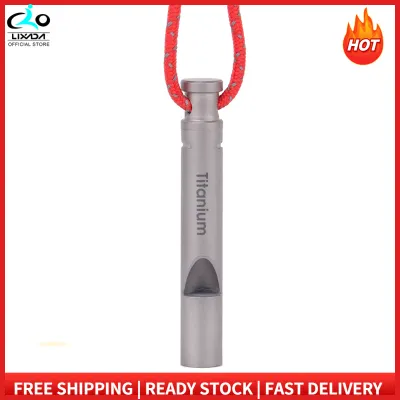
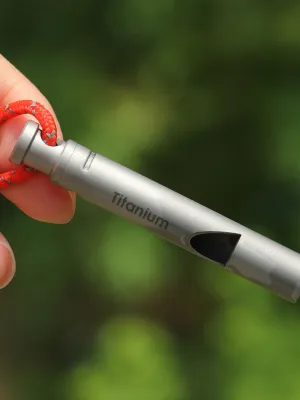
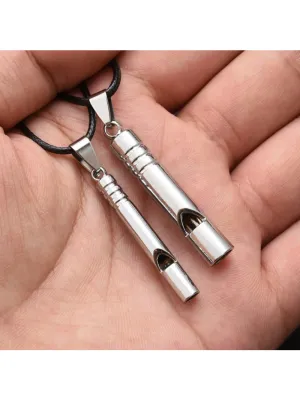
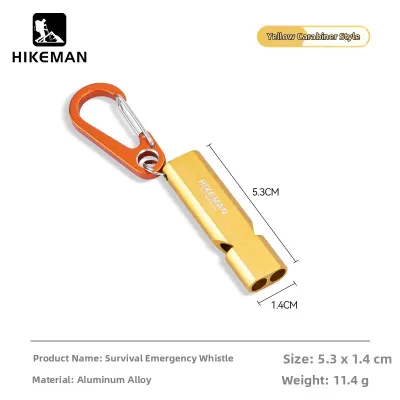
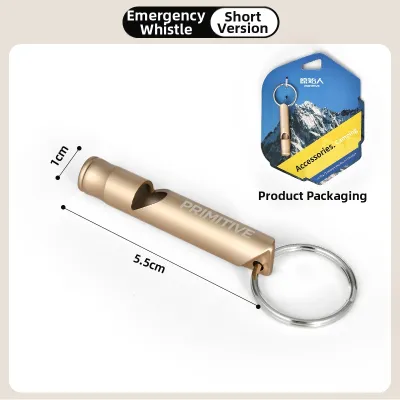
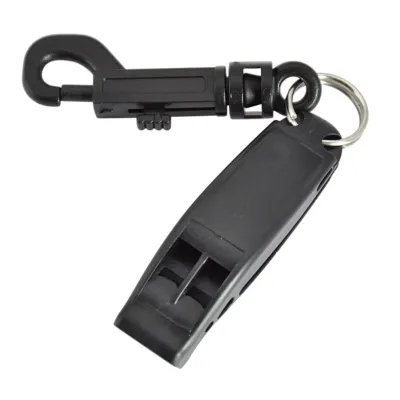
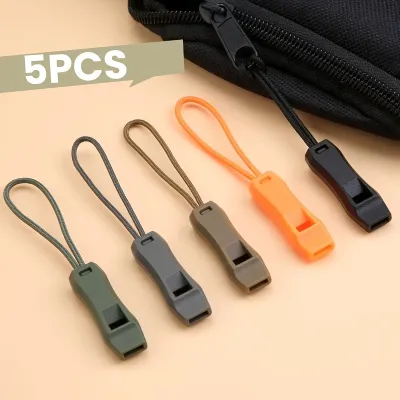
![[SG SELLER] OUTDOOR FINGER WHISTLE CYLINDRICAL AND 6 FORM ORDINARY SPORTS TRAINING WHISTLE WITH LANYARD AND HARD CASE](https://img.lazcdn.com/g/p/a0d018a86bb7b795fca9e591acaf5500.png_400x400q80.png_.webp)
Prices are valid at publication and may change. Please refer to the product page for the latest price.
Environmental factors also severely limit the range of the human voice. Sound waves from a shout are easily absorbed by dense foliage, heavy rain, rushing water, and strong winds, which can muffle or distort the sound. In contrast, the high-frequency pitch of a dedicated emergency whistle is specifically engineered to cut through ambient environmental noise, making it much easier for search and rescue teams or nearby bystanders to pinpoint your exact location.
Furthermore, a whistle is the primary tool for executing standard first aid and wilderness survival signaling protocols. In emergency situations, a series of three short, sharp blasts is universally recognized by search and rescue personnel as a distress signal. Having a reliable whistle in your first aid kit ensures that you can execute these standardized signals clearly and consistently, reducing confusion and accelerating the response time of rescue teams.
Key Features to Evaluate for Effectiveness and Durability
When selecting an emergency whistle, the acoustic design is the first and most critical feature to evaluate. Traditional whistles contain a small cork or plastic ball, known as a pea, which rotates inside the chamber to create a trilling sound. However, in emergency scenarios, moisture from saliva, heavy rain, or condensation can cause the pea to stick to the inner walls, rendering the whistle silent. Pealess designs use advanced multi-chambered acoustics to generate sound, ensuring they remain fully functional even when wet, muddy, or exposed to freezing temperatures.

Material durability is another essential factor to consider before making a purchase. Whistles made from high-impact plastics, such as ABS or polycarbonate, offer excellent resistance to drops, impacts, and crushing forces. It is also important to check manufacturer specifications for UV stability, as prolonged exposure to sunlight can degrade cheap plastics, making them brittle and prone to cracking when stored in outdoor gear or attached to the exterior of a pack.
Portability and attachment options determine how easily the whistle can be deployed during a crisis. Look for whistles that feature integrated lanyard loops, split rings, or heavy-duty clips that allow for secure attachment to your first aid kit, life jacket, or backpack harness. For active sports, a breakaway lanyard is highly recommended, as it prevents choking hazards if the cord accidentally catches on branches, equipment, or other obstacles during movement.
Finally, consider the weight and physical footprint of the whistle. A compact, lightweight design ensures that the whistle does not take up excessive space in your first aid kit, leaving room for essential medical supplies like bandages, splints, and antiseptics. Despite their small size, high-quality emergency whistles are engineered to maximize sound output, proving that you do not need a bulky device to achieve superior acoustic performance.
Matching the Whistle to Your Specific Sports Environment
Water sports and high-humidity environments, such as kayaking, sailing, or coastal trekking, require specialized whistle features. In these settings, a pealess whistle with built-in drainage channels is indispensable, as it allows water to clear instantly from the acoustic chambers when blown. Additionally, the whistle should be constructed from completely corrosion-resistant materials to withstand saltwater exposure, and choosing a buoyant design ensures the whistle will float if dropped in water.
For mountain and trail sports, such as hiking, trail running, or mountain biking, the primary focus should be on acoustic range and environmental resilience. These environments demand a whistle that can project sound over long distances and through dense vegetation or rugged terrain. Opting for high-visibility colors, such as neon orange, bright yellow, or lime green, is also crucial, as it allows you to locate the whistle quickly in low-light conditions or if it becomes detached from your gear.
Field and court sports, such as football, rugby, or athletics, present different challenges, as emergencies often occur in closer proximity to medical assistance but amidst high ambient crowd noise. In these scenarios, a compact whistle with a quick-access attachment method, such as a zipper-pull clip, is ideal. This allows the first responder to attach the whistle directly to the exterior of the team first aid kit, ensuring rapid deployment to signal for immediate medical timeouts or to coordinate emergency responses on the field.
How to Integrate and Maintain the Whistle in Your Kit
To ensure your emergency whistle is effective, it must be integrated into your first aid kit in a way that allows for rapid, one-handed access. Avoid burying the whistle deep inside the main compartment of your kit under heavy bandages or splints. Instead, secure it to an exterior pocket, attach it to the main zipper pull, or clip it to the outside of the bag using a durable carabiner, ensuring you can reach and use it even if your movement is restricted by injury.
Regular maintenance and inspection are vital to guarantee the whistle functions when needed. Establish a routine checklist to inspect the whistle at least once every few months or before embarking on major outdoor excursions. Check the body of the whistle for physical cracks, inspect the acoustic chambers for dirt or debris blockages, and examine the lanyard or attachment clip for signs of wear, fraying, or damage that could lead to loss.
Proper cleaning and drying protocols will extend the lifespan of your whistle and maintain its acoustic performance. After exposure to sweat, saltwater, mud, or rain, rinse the whistle thoroughly with clean, fresh water to remove any residue. Avoid using harsh chemical solvents or abrasive cleaners that could degrade the plastic. Allow the whistle to air dry completely in a well-ventilated area before storing it back inside your first aid kit to prevent the growth of mold or bacteria.
Frequently Asked Questions (FAQ)
Can I use a standard referee whistle for outdoor emergencies?
Standard referee whistles are generally not recommended for outdoor emergency signaling. Many referee whistles utilize a pea design, which can easily fail if water, saliva, or dirt enters the chamber, causing the internal ball to stick and silencing the whistle. Additionally, referee whistles are acoustically tuned for shorter distances on flat, open playing fields, whereas dedicated emergency whistles are engineered with multi-chambered pealess designs that project high-frequency sound waves over much greater distances and through dense environmental obstacles.
How loud does an emergency whistle need to be for wilderness sports?
While decibel ratings are a common marketing metric, the effectiveness of an emergency whistle depends more on its acoustic frequency and chamber design than on volume alone. A whistle should produce a high-frequency tone that contrasts sharply with natural ambient sounds like wind and running water. When evaluating whistles, look for designs that have been tested to perform reliably across various weather conditions, and focus on pealess models that maintain consistent sound projection regardless of how hard they are blown, rather than relying solely on maximum decibel claims.

Community discussion
Share your experience or ask a question. Comments are reviewed before publication.