
When starting your angling journey in Singapore, searching for a “Fuji fishing rod” is a common path to finding reliable gear. However, a beginner must first understand that Fuji does not actually manufacture complete fishing rods. Instead, they produce high-quality rod components, specifically the guides and the reel seats. Choosing the right rod equipped with these components depends entirely on where you plan to fish, whether you are casting from a saltwater jetty, targeting peacock bass in a freshwater reservoir, or testing your skills at a commercial paypond.
To make the best choice, you need to match the rod’s blank specifications—such as length, power, and action—with the specific type of Fuji components installed on it. A setup designed for the harsh saltwater environment of Bedok Jetty requires different guide materials than a sensitive, lightweight outfit meant for a crowded urban pond. By understanding how these components interact with your fishing line and environment, you can select a versatile starter rod that prevents line tangles, resists corrosion, and helps you land your first catch.
Understanding What a "Fuji Fishing Rod" Actually Means
Fuji Kogyo Co. is a Japanese manufacturer that sets the industry standard for high-quality rod components. When a rod is marketed as a “Fuji rod,” it means the rod manufacturer has built their blank using Fuji guides, reel seats, or both. For a beginner, these components are critical because they directly affect how smoothly your line casts, how well heat is dissipated during a hard fight, and how long your gear lasts in Singapore’s humid, tropical climate.
Products mentioned in this guide
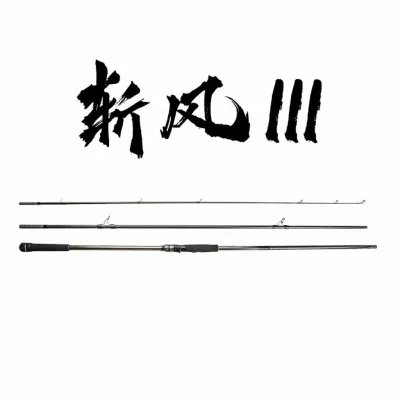
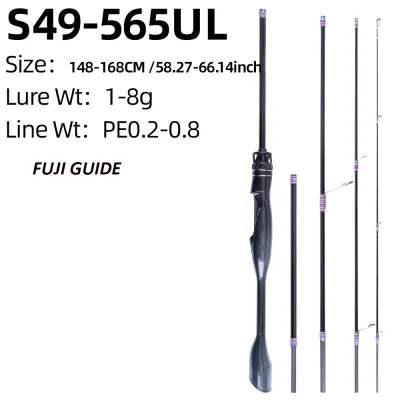
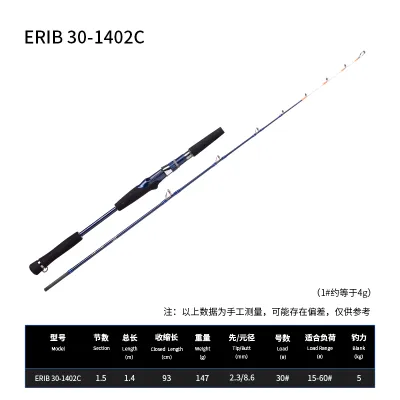
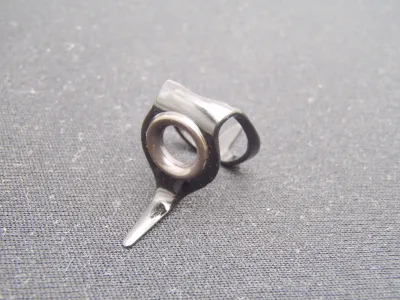
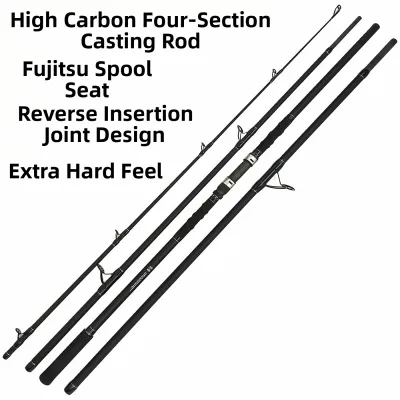
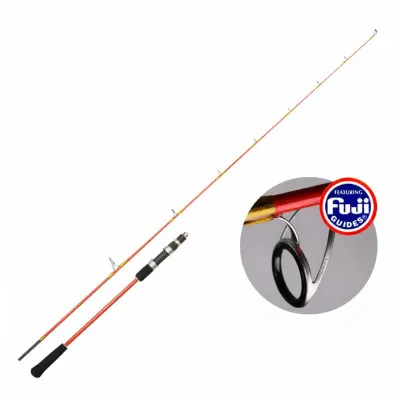
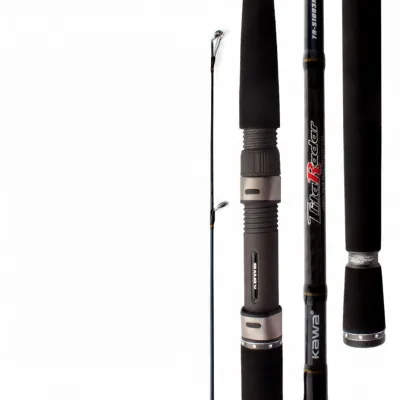
Prices are valid at publication and may change. Please refer to the product page for the latest price.
Anglers specifically seek out Fuji components for their exceptional line protection and durability. The ceramic inserts inside the guide frames—made from materials like aluminum oxide, FazLite, Alconite, or silicon carbide (SiC)—are polished to an extremely smooth finish. This smoothness minimizes friction, which prevents your braided line from fraying and allows for longer, more accurate casts. Additionally, Fuji reel seats provide a secure, ergonomic grip that keeps your reel firmly locked in place without slipping or backing off during a fight.
To verify that a rod features genuine Fuji parts, look for physical markings on the components. Genuine Fuji reel seats almost always have the “Fuji” logo stamped or engraved on the metal hood or molded directly into the plastic body. On the guides, the logo is often stamped in tiny letters on the stainless steel or titanium frame, usually near the foot where it attaches to the rod blank. Checking the manufacturer’s specifications sheet for terms like “Fuji K-Series guides” or “Fuji DPS reel seat” is another reliable way to confirm authenticity before making a purchase.
Matching Rod Specs and Fuji Guides for Coastal Fishing
Singapore’s coastal fishing spots, such as Bedok Jetty, Woodlands Jetty, or the sandy beaches of Changi, present a challenging environment for fishing gear. The combination of high salinity, abrasive sand, and strong tidal currents requires robust equipment. For these scenarios, a beginner should look for a medium-heavy spinning rod, typically between 7.5 to 9 feet in length. This extra length is essential for casting heavy sinkers or lures past the shallow surf and reaching deeper water where predatory species feed.

When selecting a rod for coastal saltwater use, the choice of Fuji guide frames is paramount. Saltwater is highly corrosive, and standard metal guides can quickly develop rust, which weakens the frame and can damage your line. Look for rods equipped with Fuji guides featuring corrosion-resistant frames, such as those made from high-grade stainless steel with specialized anti-corrosion treatments or premium titanium. These frames hold up against constant saltwater spray and require less intensive maintenance over time.
The ceramic ring inserts must also be tough enough to handle heavy braided lines and the abrasive particles suspended in coastal waters. Fuji’s Alconite or FazLite rings are excellent, cost-effective choices for beginners. They offer superb hardness and heat dissipation when a strong fish runs against the drag. Before buying, check that the rod’s guide sizes are large enough to allow shock leaders and connection knots to pass through without catching, which is crucial when casting heavy rigs from high jetties.
Selecting the Right Setup for Reservoir Fishing
Freshwater reservoir fishing in Singapore, restricted to designated zones in areas like MacRitchie or Bedok, requires a completely different approach. Here, the primary targets are aggressive predators like Peacock Bass and Giant Snakehead, which often hide near submerged structures, weeds, and overhanging trees. To pull these fish out of heavy cover, you need a rod with medium to medium-heavy power and a fast or extra-fast action. This combination provides a stiff backbone for solid hooksets and immediate control over the fish.
In these environments, casting accuracy is far more important than raw distance. You will often need to cast small lures or soft plastics precisely into tight pockets of vegetation. Rods equipped with Fuji K-Series tangle-free guides are highly beneficial for this style of fishing. The unique sloped design of the K-Series frame automatically releases line loops before they can wrap around the guide, virtually eliminating wind knots when casting lightweight lures into a headwind.
Sensitivity is another critical factor when fishing reservoirs, as bites can sometimes be incredibly subtle. A rod featuring a Fuji exposed-blank reel seat allows your fingers to make direct contact with the graphite rod blank. This direct contact transmits the vibrations of a swimming lure or a gentle fish tap straight to your hand. Ensure the reel seat locking nut is robust and matches your preferred reel type—whether spinning or baitcasting—to maintain a seamless connection between your hand, the reel, and the rod.
Choosing a Rod for Commercial Ponds and Urban Canals
Commercial payponds and urban canals represent a highly popular segment of Singapore’s fishing scene. Because these waters are heavily fished, the resident species—such as barramundi, redtail catfish, or pacu—can be highly cautious and selective. To fool these pressured fish, anglers must scale down their gear, using lighter lines, smaller hooks, and highly realistic lures or baits. For these scenarios, a light or medium-light power rod with a fast action is the ideal choice.
Maneuverability is key when fishing in crowded commercial ponds or tight urban concrete canals. A shorter rod, ranging from 6.0 to 6.6 feet, allows you to cast accurately under low-hanging structures, around concrete pillars, or between closely spaced anglers without risking damage to your rod tip. The shorter length also makes it much easier to control and land fish quickly when space along the bank is limited.
Because you will be using lighter lines—often braided lines paired with light fluorocarbon leaders—the quality of the guide rings is critical. Fuji’s Alconite or SiC rings are highly recommended for light-line applications. These ultra-smooth ceramic materials reduce line friction to an absolute minimum, allowing lightweight lures to fly further with less effort. They also prevent the thin braided line from digging into the ring under tension, ensuring a smooth, consistent drag performance when fighting a powerful pond fish on light tackle.
Evaluating Cross-Scenario Compatibility for Your First Rod
For many beginners in Singapore, purchasing a dedicated rod for every single scenario is not practical. If you want one versatile “all-rounder” setup to explore coastal jetties, reservoirs, and commercial ponds, you must accept certain compromises. The most versatile configuration for a starter rod is a medium power spinning rod, measuring 7 feet in length, with a fast action. This setup is light enough to cast medium-sized lures in reservoirs and ponds, yet strong enough to handle moderate saltwater species from a jetty.
However, using a single rod across both saltwater and freshwater environments requires strict maintenance discipline. Saltwater residue left on a rod used in a freshwater reservoir can quickly degrade the components and contaminate freshwater gear. Furthermore, a 7-foot medium-power rod will feel slightly too heavy and stiff for delicate pond fishing, and somewhat too short for maximizing casting distance on open coastal beaches.
To help you decide whether to buy a specialized rod or an all-rounder, prioritize your primary fishing location. If you plan to spend most of your time at coastal jetties, buy a longer, saltwater-optimized rod. If you want to explore all options equally, start with a 7-foot medium-power spinning rod equipped with Fuji stainless steel frames and Alconite guides. This provides the perfect balance of durability, sensitivity, and versatility while you develop your angling skills.
Frequently Asked Questions (FAQ)
How do I clean and maintain Fuji guides after saltwater fishing?
After every saltwater outing, rinse your rod thoroughly with lukewarm fresh water. Pay close attention to the guide frames and the areas where the guide feet are wrapped to the blank, as salt crystals easily trap there. Use a soft toothbrush to gently scrub away any stubborn salt crust or grime from the ceramic rings and metal frames. Dry the rod completely with a clean microfiber cloth before storing it in a cool, dry place. Never use harsh household detergents, WD-40, or abrasive chemicals, as these can degrade the epoxy coatings holding the guides or damage the rod blank itself.
Can I replace broken guides with genuine Fuji parts myself?
While it is possible to replace a broken guide at home, the process requires specialized tools and patience. You must carefully slice away the old epoxy and thread wrapping without nicking the graphite rod blank, align the new Fuji guide perfectly with the rest of the guide train, wrap it tightly with nylon thread, and apply a self-leveling two-part epoxy. For beginners, any misalignment or blank damage can ruin the rod’s casting performance or cause it to snap under pressure. It is highly recommended to take your rod to a local Singapore tackle shop or a professional rod builder to ensure a genuine Fuji replacement guide is sized, aligned, and secured correctly.

Community discussion
Share your experience or ask a question. Comments are reviewed before publication.