
Why You Need a Dedicated Helmet Lock on the PCN
Singapore’s Park Connector Network (PCN) offers a seamless way to explore the island, connecting residential areas, parks, and coastal routes. Whether you are stopping for a quick drink at a PCN-linked cafe, grabbing lunch at a hawker centre, or parking your bicycle near an MRT station, leaving your gear unattended presents a practical challenge. While most cyclists lock their bicycles, helmets are frequently left hanging loosely on handlebars, making them easy targets for opportunistic theft.
A dedicated helmet lock addresses this vulnerability directly. Carrying a bulky, sweaty helmet into a crowded food centre or air-conditioned shopping mall is highly inconvenient and unhygienic. By securing your helmet directly to your bicycle frame, you can walk away with peace of mind. The primary objective of a helmet lock is not to withstand heavy-duty power tools, but rather to deter casual, grab-and-run theft. A simple, visible deterrent is usually more than enough to discourage someone from walking off with your essential safety gear.
Key Features to Evaluate When Selecting a Helmet Lock
Selecting the right helmet lock requires balancing physical security with daily convenience. Because you will be carrying this accessory on every ride, it should not add unnecessary bulk or complicate your parking routine. When evaluating different models, look closely at the manufacturer’s specifications, material composition, and locking mechanism. Understanding these details helps you avoid purchasing a lock that is either too flimsy to deter a thief or too heavy to carry comfortably.
Products mentioned in this guide
![[SG 🚚] Anti-theft Helmet Lock Handlebar Mount Motorcycle Electric Motorbike Universal Security Metal](https://img.lazcdn.com/g/p/635519d37d2815dd802316c89273dc62.jpg_400x400q80.jpg_.webp)
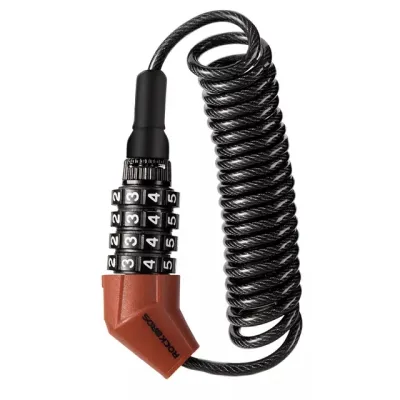
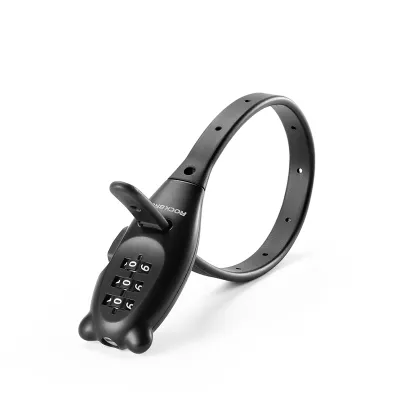
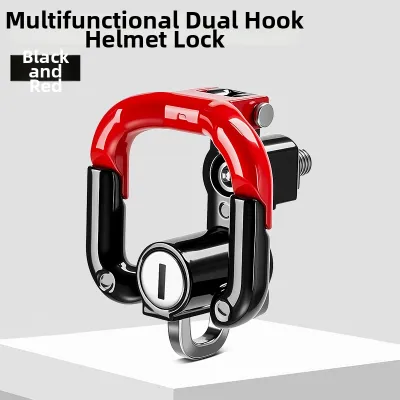
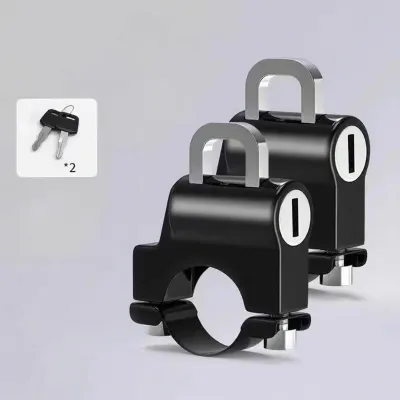
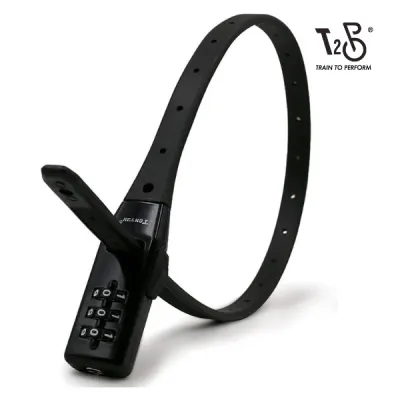
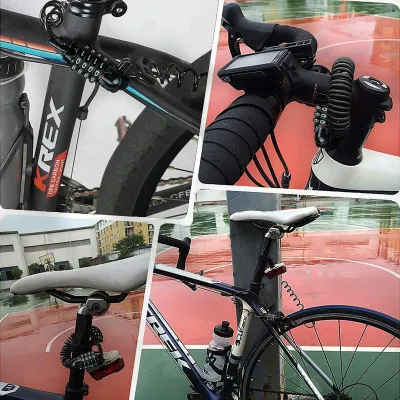
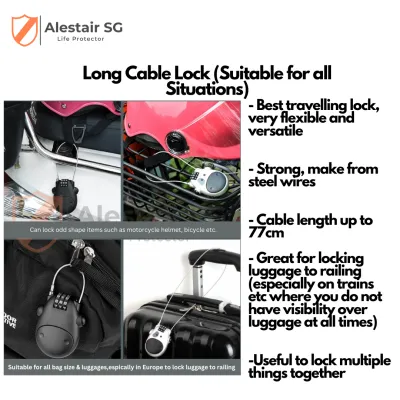
Prices are valid at publication and may change. Please refer to the product page for the latest price.

To assess the physical strength of a lock, examine the thickness of the internal cable or shackle rather than just the outer plastic sleeve. Manufacturers often list the outer diameter, which includes a thick vinyl coating designed to protect your bike’s paint from scratches. You should verify the actual metal thickness underneath this protective layer. Additionally, consider how the lock will handle Singapore’s tropical climate. High humidity and frequent rain showers can quickly rust cheap internal springs and locking cylinders, leading to jammed mechanisms. Look for locks that specify weather-resistant coatings, rust-proof brass cylinders, or protective dust covers over the keyhole.
Security Ratings and Build Materials
When browsing for a helmet lock, check the product packaging or official documentation for recognized security certifications. While lightweight accessory locks rarely carry high-security ratings like Sold Secure Gold, some reputable brands use their own internal security scales to help you compare models within their product line. For basic helmet security, a low-to-medium rating is generally sufficient, provided the build materials are robust.
Inspect the core materials of the lock. Hardened steel shackles or braided steel cables offer much better resistance to basic hand tools than simple plastic-coated wires. If you choose a cable lock, a braided design is preferable because it requires a thief to cut through multiple individual strands of steel, which takes more time and effort than cutting a single solid wire of the same thickness. Ensure that any exposed metal parts are fully coated in vinyl or rubber to prevent metal-on-metal contact with your bicycle frame or helmet shell.
Locking Mechanisms and Portability
The choice between a keyed lock and a combination lock is largely a matter of personal habit and convenience. Keyed locks are highly reliable and do not require you to remember a code, but they introduce the risk of losing or forgetting the key during a long ride. If you prefer a keyed system, look for models that come with multiple spare keys and consider keeping one on your main keychain and another in your saddlebag.
Combination locks eliminate the need for keys entirely, making them a popular choice for recreational cyclists. When selecting a combination lock, look for dials that turn smoothly and have clear, high-contrast numbers that are easy to read in low-light conditions, such as during evening rides along the PCN. Portability is another critical factor; the lock should be light enough to slip into a jersey pocket, a small saddlebag, or mount directly to your bike frame using an included bracket. Retractable cable locks offer the ultimate in portability, though they sacrifice some physical strength for their compact size.
Matching Lock Types to Your PCN Cycling Routine
Your choice of helmet lock should align with your typical riding habits and where you plan to park your bicycle. Different sections of the PCN present varying levels of risk. For instance, a brief stop at a self-service water point or a well-lit convenience store requires a different level of security than leaving your bicycle parked at a major transit hub or MRT station for several hours. By matching the lock type to your specific routine, you can avoid carrying excess weight while still keeping your gear secure.
Consider the physical limitations of each lock category before making your decision. Lightweight locks are designed for convenience and short-term deterrence, whereas heavier padlocks and thick cables offer greater physical resistance at the cost of added weight. To help you decide, evaluate your typical parking duration and the visibility of the parking spot. If you frequently park in high-traffic, supervised areas, a highly portable, low-security lock may be perfectly adequate. For long-term, unsupervised parking, investing in a sturdier, cut-resistant option is highly recommended.
Cable and Retractable Wire Locks
Cable locks and retractable wire locks are highly popular among PCN cyclists due to their flexibility and low weight. These locks feature a flexible steel cable that can be easily threaded through the vents of multiple helmets or around the frame of your bicycle. Retractable models allow the cable to spring back into a compact plastic housing, making them small enough to fit into the palm of your hand or a small pocket.
These locks are ideal for short, supervised stops, such as when you are sitting at an outdoor cafe table with your bicycle in plain sight. However, their thin cables can be severed quickly with basic wire cutters. If you use a cable lock, always try to keep your bicycle within your line of sight, and avoid leaving your helmet secured this way in secluded or unlit areas overnight.
Combination and Keyed Padlocks
For cyclists who require a higher level of security, small padlocks designed specifically for helmets or outdoor utility are an excellent option. These padlocks feature a hardened steel shackle that is much thicker and more difficult to cut than a standard cable. You can thread the shackle directly through a helmet’s D-ring, strap buckle, or a narrow vent opening, and then secure it to a dedicated mounting point on your bicycle.
Before purchasing a padlock, it is crucial to verify the shackle diameter against your helmet’s specific openings. Some high-end helmets have very narrow vents or thick plastic straps that may not accommodate a standard padlock shackle. Additionally, ensure the padlock body is compact enough that it does not rattle loudly against your bicycle frame while you are riding over uneven terrain or wooden boardwalks along the PCN.
Integrated Carabiners and Specialty Locks
Locking carabiners and specialty helmet locks offer a minimalist solution for riders who want to keep their setup as clean as possible. These devices combine a heavy-duty carabiner with a combination lock mechanism, allowing you to quickly clip your helmet strap to your handlebars, frame, or saddle rails. They are incredibly fast to deploy and take up virtually no space when not in use.
While highly convenient, locking carabiners provide minimal resistance to physical attacks. They are designed primarily to prevent someone from simply lifting your helmet off your bike and walking away. Because the carabiner typically clips around the fabric chin strap, a determined thief with a pair of scissors or a pocket knife could simply cut the strap to steal the helmet, rendering the lock ineffective. Use these locks only in low-risk environments where you remain nearby.
How to Secure Your Helmet Properly at Parking Spots
Even the strongest lock will fail to protect your gear if it is applied incorrectly. Properly securing your helmet requires identifying the strongest structural points on both your bicycle and the helmet itself. Simply looping a lock through a removable part or an easily cut strap is a common mistake that makes theft incredibly easy.
When locking your helmet, always thread the cable or shackle through a major structural opening. The best anchor point on a bicycle helmet is a large, central ventilation port that is completely surrounded by the hard outer shell and inner EPS foam. Alternatively, if your helmet features a high-strength metal D-ring on the chin strap, you can thread the lock directly through this ring. Avoid locking your helmet solely by the plastic chin buckle, the thin adjustable retention dial at the back, or a removable visor, as these components can be easily snapped, cut, or unscrewed without damaging the main helmet structure.
Once you have threaded the lock through a secure point on the helmet, anchor it to a solid part of your bicycle frame. The main triangle of the frame, the seat stays, or a permanently mounted rear rack are excellent choices. Avoid securing the lock to removable accessories like front baskets, pump mounts, or quick-release seatposts, which can be detached quickly without tools. Before walking away, perform a quick visual check: ensure the lock is fully closed, the combination dials are scrambled, and the helmet is positioned so that it cannot slip off or dangle too close to the ground where it might collect dirt or water.
Purchasing Checklist and Where to Buy
Before purchasing a helmet lock, take the time to verify its specifications and compatibility with your existing gear. Start by visiting the official website of the lock manufacturer to check the exact dimensions, weight, and material composition. Reading the user manual online can also give you a clear idea of how the locking mechanism operates and whether it requires regular maintenance, such as lubrication.
If possible, visit a local physical bicycle shop in Singapore to inspect the lock in person. This allows you to feel the weight of the lock, test the smoothness of the key or combination dials, and physically check if the cable or shackle fits through your helmet’s vents. Local bike shops are also excellent resources for advice on which locks hold up best against the local humid climate.
When buying from online marketplaces or ecommerce platforms, always verify the seller’s reputation and check the product reviews for feedback on durability and weather resistance. Ensure that the product comes with a clear return policy in case the lock is incompatible with your bicycle frame or helmet. Additionally, check if the manufacturer offers a warranty against defects, which can provide extra peace of mind for your investment.
Frequently Asked Questions (FAQ)
Can I just use my main bike lock to secure my helmet?
Yes, you can use your primary bicycle lock to secure your helmet, but it is often impractical for daily use. Heavy-duty U-locks and thick chain locks are designed to secure the bicycle frame to permanent fixtures, and their thick shackles or links are often too large to thread through the narrow ventilation ports of a standard bicycle helmet. Forcing a heavy lock through these vents can scratch the helmet’s outer shell or damage the protective foam liner inside.
Using a secondary, dedicated helmet lock is generally a much more practical and time-saving choice. A lightweight, dedicated lock can remain permanently attached to your saddle or handlebars, allowing you to secure your helmet in seconds without having to reposition your main bicycle lock. This setup also allows you to leave your helmet secured even if you need to move or adjust your bicycle’s main locking position.
Are combination locks safer than keyed locks for helmets?
The safety of a lock depends on its physical build quality and materials, not on whether it uses a key or a combination code. A lock with a hardened steel shackle will offer the same level of cut resistance regardless of the mechanism used to open it. Therefore, neither type is inherently safer than the other in terms of preventing physical attacks.
The choice between the two comes down to personal convenience and potential points of failure. Keyed locks are highly secure but carry the risk of lockouts if you lose the key while out on the PCN. Combination locks eliminate this risk but can be vulnerable if the code is easy to guess or if the dials wear down over time, making the correct numbers feel loose. Choose the mechanism that best fits your personal habits and ensures you will use the lock consistently on every ride.

Community discussion
Share your experience or ask a question. Comments are reviewed before publication.