
Selecting your first fishing reel can feel overwhelming, especially with the wide array of options offered by budget-friendly brands like KastKing. For a beginner angler in Singapore, the most versatile and forgiving starting point is a medium-sized spinning reel, specifically in the 2000 to 3000 size range. This setup balances ease of learning with the adaptability needed to fish across Singapore’s diverse environments, from tranquil freshwater reservoirs to high-salinity coastal jetties. While baitcasting reels offer excellent precision, they require a steep learning curve that can lead to frustrating line tangles for novices. By focusing on a reliable spinning reel first, you can master basic casting techniques and start catching local species without the headache of constant gear maintenance.
Quick Decision Framework for New Anglers
Before purchasing any fishing gear, you must decide between a spinning reel and a baitcasting reel. Spinning reels feature an open-face design with a fixed spool, allowing the line to flow off freely during a cast. This design is highly recommended for beginners because it virtually eliminates backlashes, which are the tangled nests of line that occur when a spool spins faster than the lure travels. Baitcasting reels, on the other hand, position the spool perpendicular to the rod and require precise thumb control to prevent overruns. While baitcasters offer superior accuracy for placing lures near heavy cover, mastering them takes time and patience that might distract you from learning basic watercraft.
Your choice should also align with the specific environments and target species you plan to pursue in Singapore. Local waters present a unique mix of fishing opportunities, from chasing aggressive peacock bass in freshwater reservoirs to targeting wild snappers from coastal jetties. If you plan to walk long distances along urban canals, a lightweight setup is essential to prevent fatigue. Conversely, if you intend to sit on a jetty waiting for larger saltwater species, a heavier reel with robust corrosion resistance and higher line capacity becomes your top priority.
Products mentioned in this guide
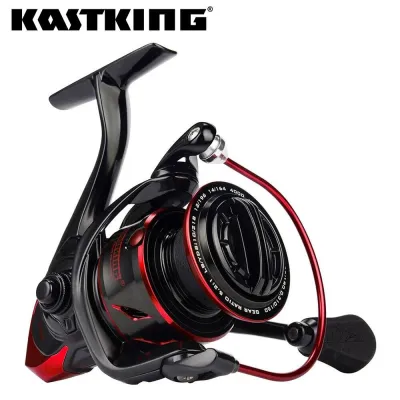
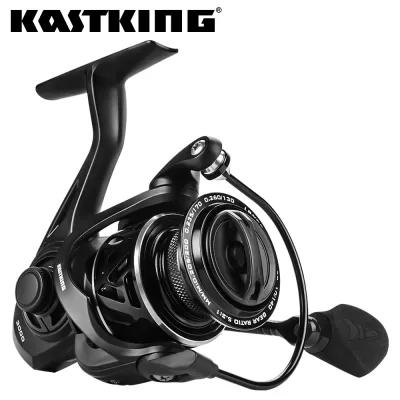
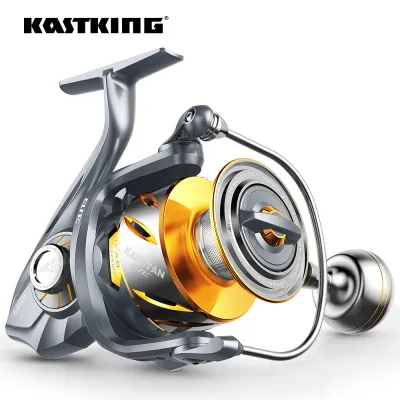
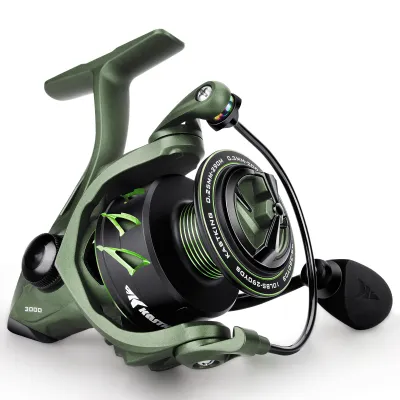
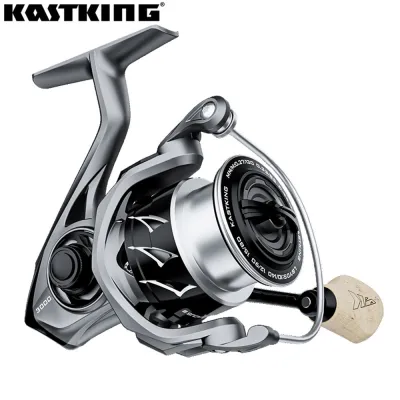
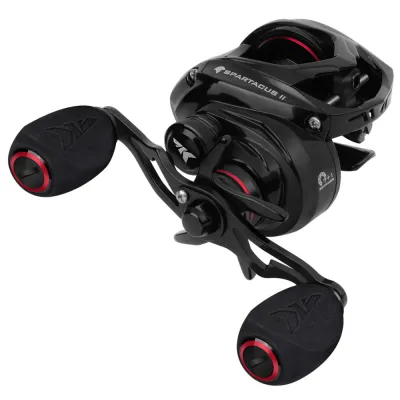
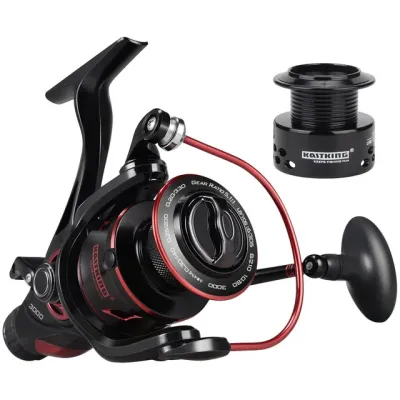
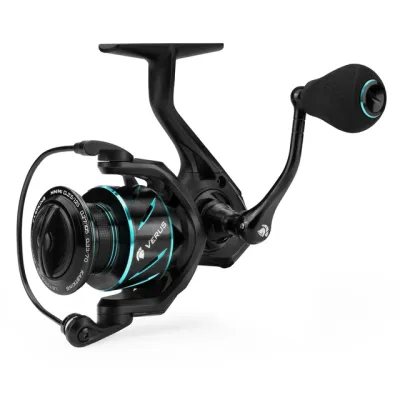
Prices are valid at publication and may change. Please refer to the product page for the latest price.
Setting a realistic budget is the final step in your initial decision-making process. For a beginner, spending between S$40 and S$80 on a KastKing reel provides a high-quality entry point without overcommitting financially. In addition to the reel, you should budget approximately S$15 to S$30 for a spool of quality braided line and S$10 for fluorocarbon leader material. Investing in these essential accessories ensures your reel performs as intended and reduces the risk of losing fish due to line breakage.
Matching Reel Specs to Singapore Fishing Scenarios
No single reel model can excel in every environment, so you must match your gear to your primary fishing location. Singapore offers distinct fishing scenarios that demand different reel characteristics, and understanding these differences will help you avoid buying the wrong equipment.

Reservoir and Freshwater Fishing
Freshwater fishing in Singapore’s designated reservoir zones typically involves casting lures for active predators like peacock bass and giant snakehead (toman). To successfully target these species, look for a reel with a moderate to high gear ratio, such as 5.2:1 or 6.2:1, which allows you to retrieve lures quickly enough to trigger aggressive strikes. A smooth drag system is critical here, as peacock bass are known for their sudden, powerful runs immediately after striking a lure.
When evaluating line capacity for reservoir casting, you do not need an excessively large spool. A reel that holds 100 to 150 meters of 10-pound to 15-pound test braided line is more than sufficient for the casting distances typical of reservoir banks. Before buying, check the manufacturer specifications to ensure the model is optimized for freshwater use, focusing on lightweight graphite or carbon frames that make casting all day comfortable.
Coastal and Saltwater Fishing
Fishing along Singapore’s coastlines, such as Bedok Jetty, Labrador Park, or coastal boardwalks, exposes your gear to harsh, high-salinity environments. Saltwater is highly corrosive and can quickly ruin internal gears if the reel lacks proper protection. When selecting a reel for these spots, prioritize models that feature sealed stainless steel ball bearings and corrosion-resistant frame materials like high-tensile graphite or aluminum alloys.
Coastal species like groupers and snappers often head straight for underwater structures or jetty pilings once hooked, requiring you to stop them quickly. This demands a stronger drag system, so look for reels offering at least 6kg to 8kg of maximum drag power. Additionally, establish a strict post-trip maintenance routine: always rinse your reel thoroughly under a gentle stream of fresh water after every saltwater outing to prevent salt crystals from binding the moving parts.
Urban Canals and Light Lure Fishing
Urban canal fishing and light lure casting require a highly portable and sensitive setup. In tight concrete spaces, you will often target smaller species like cichlids or halfbeaks using micro-lures and ultra-light soft plastics. For this style of fishing, a compact 1000 to 2000 size spinning reel is ideal because it balances perfectly with ultra-light rods.
These smaller reels must feature incredibly smooth drag systems to protect thin, light leader lines, which can easily snap under sudden tension. Portability is key when walking between urban spots, so look for reels that utilize lightweight carbon fiber frames to keep your overall gear weight to a minimum. A light setup allows you to make hundreds of precise casts without experiencing wrist fatigue.
Key Specifications to Check on Entry-Level Models
To make an informed purchase, you must learn how to read and compare the technical specifications listed on product pages. Manufacturers use several standard metrics to describe a reel’s performance, and understanding these terms will help you verify if a specific model fits your needs.
- Gear Ratio: This specification indicates how many times the spool rotates for every single turn of the handle. For example, a 6.2:1 gear ratio means the spool spins 6.2 times per handle turn. High-speed ratios (6.0:1 and above) are excellent for retrieving lures quickly and picking up slack line rapidly. Low-speed ratios (around 4.8:1 to 5.2:1) provide more cranking power, or torque, which is highly beneficial when fighting large fish or pulling heavy baits through thick vegetation.
- Maximum Drag Power: Drag is the friction mechanism that allows a fish to pull line from the reel under controlled resistance, preventing the line from snapping. You should evaluate the maximum drag rating against the size of your target fish and the strength of your line. For most beginner scenarios in Singapore, a maximum drag of 5kg to 8kg is more than enough; anything higher is typically unnecessary and may add unwanted weight to the reel.
- Ball Bearing Count: Ball bearings reduce friction between moving parts, resulting in a smoother retrieval experience. However, do not fall into the trap of assuming more bearings automatically equal a better reel. A reel with 5 high-quality, shielded stainless steel bearings will perform better and last longer than a reel advertised with 10 cheap, unshielded bearings. Look for terms like "double-shielded" or "sealed" in the bearing specifications to ensure durability.
- Spool Material and Line Capacity: Modern reels typically feature aluminum or graphite spools. Aluminum spools are highly recommended because they are stronger, more durable, and better suited for holding braided line without slipping. Check the line capacity chart on the product page, which indicates how many meters of a specific line diameter the spool can hold, and ensure it matches the line class you plan to use.
Buying Checklist and Warranty Verification
When you are ready to purchase your KastKing reel, taking a few precautionary steps will ensure you receive a genuine product with reliable customer support. Buying fishing gear online requires careful verification to avoid counterfeit items or models intended for different regional markets.
First, always verify that you are purchasing from authorized sellers or official brand stores on major e-commerce platforms. Look for official store badges and read customer reviews specifically mentioning the seller’s responsiveness and packaging quality. Avoid third-party sellers with extremely low prices and no established track record, as they may be selling older, discontinued stock or counterfeit goods.
Before finalizing your purchase, double-check the exact model number and package contents. Some reel models are sold in different configurations, such as left-handed versus right-handed retrieval for baitcasters, or with shallow versus deep spools for spinning reels. Ensure the listing explicitly states what is included in the box, such as spare spools, reel bags, or lubrication oil, so you do not face unexpected surprises upon delivery.
Finally, understand the local warranty terms and return policies available in Singapore. Because fishing reels contain intricate moving parts that can occasionally suffer from manufacturing defects, having access to a local service center or a straightforward return policy is invaluable. Check if the seller offers a local warranty or if you must ship the reel internationally for repairs, as international shipping costs can quickly exceed the value of an entry-level reel.
Frequently Asked Questions (FAQ)
Should a beginner start with a spinning or baitcasting reel?
A beginner should almost always start with a spinning reel. Spinning reels are incredibly user-friendly, easy to cast, and highly resistant to line tangles, allowing you to focus on learning how to present your lure and handle fish. Baitcasting reels offer excellent casting accuracy and control, but they require a coordinated thumbing technique to prevent severe line tangles known as backlashes. You should only transition to a baitcasting setup once you have mastered basic casting accuracy, line management, and knot-tying on a spinning reel.
How often should I clean my reel after fishing in saltwater?
You must clean your reel after every single saltwater fishing trip without exception. Saltwater leaves behind microscopic salt crystals as it evaporates, which can quickly corrode metal gears and seize ball bearings. To clean your reel, tighten the drag knob completely to prevent water from entering the drag washers, then rinse the entire reel under a gentle stream of lukewarm fresh water. Never use high-pressure water or submerge the reel completely, as this can force salt and water deep into the internal gear box. Once rinsed, wipe the reel down with a dry cloth, loosen the drag knob to relieve pressure on the washers, and let it air dry completely in a well-ventilated indoor area.

Community discussion
Share your experience or ask a question. Comments are reviewed before publication.