
Finding the right swim goggles depends entirely on how and where you swim. A competitive pool racer requires a low-profile, hydrodynamic design that stays secure during explosive dives and turns, while an open-water triathlete needs wide peripheral vision and polarized lenses to navigate choppy currents and bright sunlight. For fitness lap swimmers, long-term comfort, reliable suction, and durable anti-fog properties are the primary considerations. Rather than searching for a single “best” brand, the key is matching the specific design philosophy of a manufacturer to your personal swimming environment, facial structure, and performance goals.
How to Match Goggle Features to Your Swimming Activity
Every swimming discipline places distinct demands on your gear. Understanding these requirements before looking at specific brands ensures you select a model engineered for your exact activities.
For lap training, durability and sustained comfort are paramount. Fitness swimmers often spend an hour or more in the pool per session, making soft silicone gaskets and adjustable nose bridges essential to prevent painful pressure marks around the eye sockets. Because training involves repetitive laps, a reliable anti-fog coating is critical to avoid constant interruptions to clear your lenses. Look for models with slightly larger frames that distribute pressure evenly across the brow and cheekbones, reducing fatigue during extended workouts.
Products mentioned in this guide
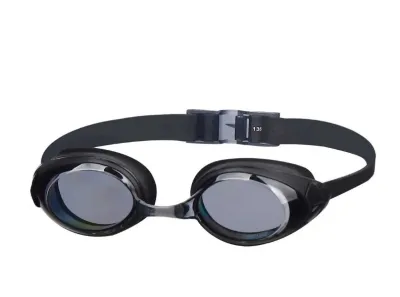
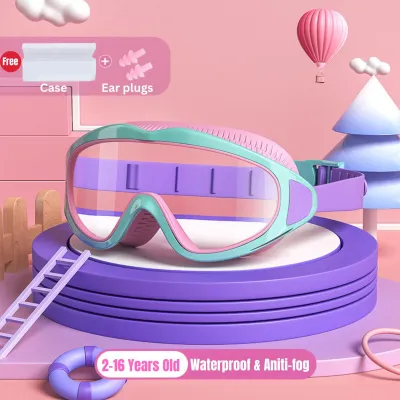
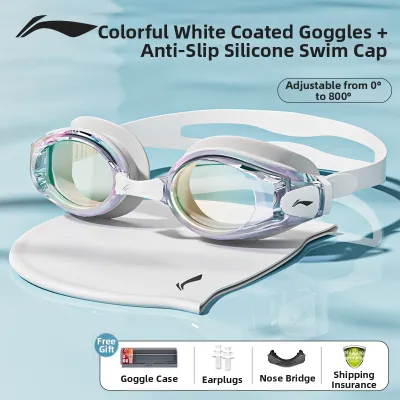
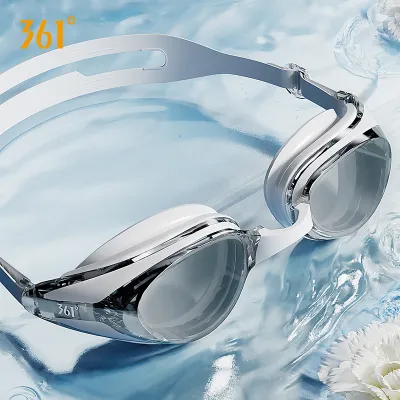
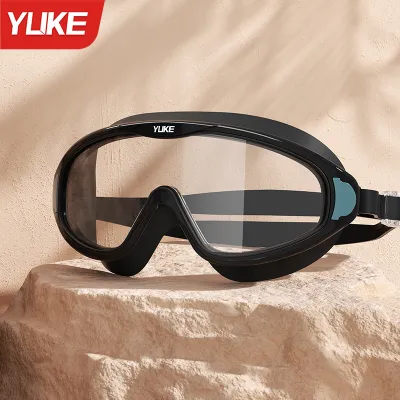
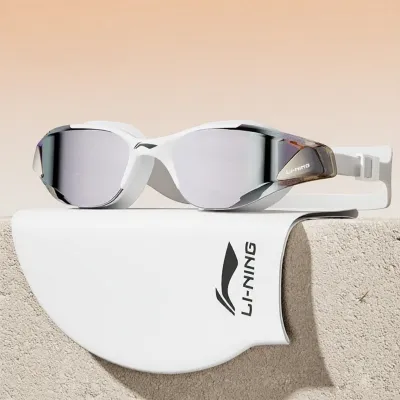
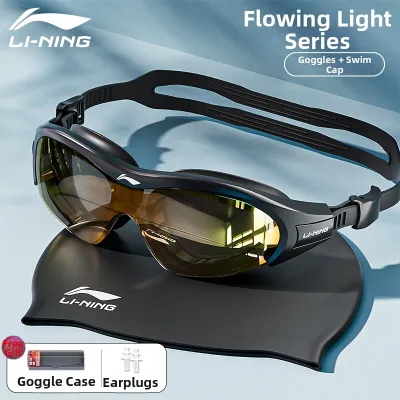
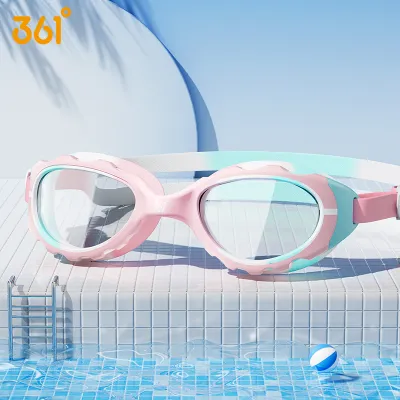
Prices are valid at publication and may change. Please refer to the product page for the latest price.
Competition goggles prioritize hydrodynamics and stability over plush comfort. When diving off a starting block or executing high-speed flip turns, the rush of water can easily dislodge loose-fitting eyewear. Competitive designs feature low-profile, rigid frames that sit deep within the eye socket to minimize drag. The straps are typically tensioned tighter, and the lenses are angled to allow forward visibility without requiring the swimmer to lift their head, preserving an efficient body position.
Recreational and open-water swimming demands a completely different set of features. In open water, such as lakes or coastal bays, swimmers must navigate natural obstacles, sight buoys, and monitor other competitors. This requires wide-angle, curved lenses that maximize peripheral vision. Outdoor environments also expose your eyes to intense glare and ultraviolet radiation, making UV protection and mirrored or polarized lenses highly beneficial. For casual recreational swimming in public pools, a relaxed fit with soft, oversized seals is generally preferred to ensure comfort during light, unstructured water activities.
Leading Swim Goggle Brands and Their Core Strengths
The global swim gear market features several prominent manufacturers, each focusing their research and development on specific segments of the swimming community. Some brands trace their origins to elite Olympic competition, while others have emerged from the worlds of triathlon, scuba diving, or casual fitness.

When evaluating different brands, it is important to look beyond marketing claims and focus on technical specifications. A brand known for elite racing goggles may also produce recreational models, but the design principles of their flagship competitive lines often influence their entire catalog. Conversely, brands specializing in open-water sports tend to carry their expertise in visibility and seal integrity across all their product offerings. Always check the manufacturer’s sizing charts, nose bridge options, and lens materials to verify if a specific model aligns with your needs.
Heritage and Professional Racing Brands
Brands with a deep heritage in competitive swimming focus heavily on hydrodynamic efficiency, precise fit, and official racing certifications. These manufacturers design their flagship models in collaboration with elite athletes, resulting in ultra-low-profile frames that sit snugly inside the orbital bone.
When examining traditional racing lines, you will frequently encounter rigid frame constructions and interchangeable nose bridges. These features ensure the goggles do not flex under the pressure of high-speed entries. Look closely at the product packaging or manufacturer specifications for competition compliance labels, such as approval from World Aquatics (formerly FINA). These certifications guarantee the goggles meet the dimensional and safety standards required for official swim meets. Additionally, pay attention to the strap tensioning systems; competitive models often feature numbered markings on the silicone straps to help swimmers replicate their preferred tension precisely before a race.
Triathlon and Open Water Specialists
Manufacturers that cater to triathletes and open-water swimmers prioritize environmental adaptability, wide-field visibility, and robust seal integrity. Because open-water swimming involves unpredictable water conditions and physical contact during mass starts, these brands design goggles with larger, more resilient frames.
A key characteristic of open-water specialist brands is the integration of advanced lens technologies. Look for polarized lenses designed to filter out horizontal glare from the water surface, or photochromic lenses that automatically adjust their tint based on changing sunlight conditions. The gaskets on these goggles are typically wider and made from highly pliable liquid silicone to absorb impacts and distribute pressure over a larger surface area. When shopping within this category, verify the manufacturer’s guidelines regarding impact resistance and peripheral field of view, which is often specified in degrees of lateral visibility.
Accessible and Recreational Brands
For casual swimmers, fitness enthusiasts, and those who swim occasionally, accessible brands offer a balanced combination of comfort, ease of adjustment, and practical value. These manufacturers focus on user-friendly designs that accommodate a wide variety of facial shapes without requiring complex adjustments.
Recreational goggles typically feature larger eye cups and thick, soft silicone seals that sit on the outer edge of the eye socket, minimizing pressure on sensitive areas. Many of these models incorporate quick-adjust strap buckles, allowing you to tighten or loosen the fit with a simple button press while wearing them. When selecting an accessible brand, check the packaging to verify basic features such as built-in UV protection and the type of anti-fog treatment applied. While these models may not feature the hydrodynamic profiles of racing gear, their emphasis on long-term comfort makes them highly suitable for casual lap swimming and water aerobics.
Key Fit and Comfort Checks Before You Buy
Regardless of the brand or technology, the most critical factor in choosing swim goggles is how well they fit your unique facial structure. A poor fit leads to water leakage, discomfort, and distraction, rendering even the most advanced features ineffective.
The suction test is the most reliable method to evaluate the fit of a pair of goggles before entering the water. To perform this check, gently press the goggle lenses against your eye sockets without putting the head strap over your head. If the goggles are a good match for your facial contours, they should create a temporary suction seal and remain in place on your face for a few seconds before falling off. If they pop off immediately or fail to hold any suction, air is escaping through gaps in the seal, meaning water will likely enter the goggles when you swim.
Evaluating the nose bridge is another essential step in securing a proper seal. The distance between eyes varies significantly from person to person. Goggles generally come with either a fixed, flexible nose bridge or a set of interchangeable nose pieces of varying lengths. If the nose bridge is too wide, the eye cups will sit too far apart, causing leaks at the outer corners of your eyes. If it is too narrow, the inner edges of the gaskets will pinch the bridge of your nose and pull the eye cups away from your temples. Ensure the model you choose allows you to adjust or select a nose bridge size that keeps the eye cups centered comfortably over your eyes.
Finally, assess the head strap design and material. High-quality straps are typically made from durable silicone or liquid silicone, which retains its elasticity over time. Look for split-strap designs, which divide into two bands at the back of the head. This configuration provides superior stability by allowing you to position one strap higher on the crown of your head and the other lower, preventing the goggles from slipping down during active swimming. The adjustment buckles should lock securely into place without slipping under tension, yet remain easy to operate when you need to make minor adjustments.
Maintenance and Care to Extend Goggle Lifespan
Proper maintenance is essential to preserve the performance, clarity, and hygiene of your swim goggles. Chlorine, salt water, body oils, and pool chemicals can rapidly degrade silicone seals and ruin delicate anti-fog coatings if left unchecked.
The golden rule of goggle maintenance is to never touch or wipe the inside of the lenses. Manufacturers apply a thin, hydrophilic anti-fog chemical layer to the inner surface during production. Wiping this surface with your fingers, a towel, or a cloth—even a microfiber one—will scratch or rub off this coating, leading to immediate fogging issues. If the lenses become dirty or cloudy, gently rinse them in clean water without touching the inner glass.
After every swim session, thoroughly rinse your goggles with cool, fresh tap water. This removes residual chlorine, salt, and organic debris that can cause the silicone gaskets to dry out, harden, and crack over time. Once rinsed, allow the goggles to air-dry completely in a well-ventilated area. Avoid exposing them to direct sunlight or placing them near heat sources like radiators, as extreme heat and UV rays accelerate the breakdown of silicone and plastic components, causing them to warp or lose their elasticity.
Store your dry goggles in a protective pouch or hard case rather than tossing them loose into your swim bag. This prevents other gear, such as keys, kickboards, or zippers, from scratching the outer lens surfaces or crushing the delicate silicone eye cups. Keeping them in a dedicated case also protects the goggles from dust and lint, which can cling to the silicone seals and compromise their ability to form a watertight suction during your next swim.
Frequently Asked Questions (FAQ)
Do men's swim goggles differ significantly from women's or unisex models?
In the swim gear industry, many high-performance and competitive goggles are designed as unisex models, focusing entirely on hydrodynamic efficiency and universal fit. However, some brands offer gender-specific models to accommodate general anatomical differences. Men’s swim goggles often feature slightly wider nose bridges and larger eye cup frames to match broader facial structures and wider-set eyes. Women’s models may have smaller gaskets and narrower nose bridges. Rather than choosing a pair based solely on gendered marketing labels, you should prioritize how the physical dimensions of the frame and nose bridge align with your personal facial measurements to ensure a watertight seal.
How often should I replace my swim goggles?
The lifespan of swim goggles depends on your frequency of use, water conditions, and how well you maintain them. For regular fitness swimmers who train two to three times a week, a pair of goggles typically lasts between four to six months before showing signs of wear. You should replace your goggles when you observe physical degradation, such as persistent water leakage that cannot be resolved by adjusting the straps, visible cracks or stickiness in the silicone gaskets, or a loss of elasticity in the head strap. Additionally, if the factory-applied anti-fog coating has completely worn off and aftermarket anti-fog drops or sprays no longer provide clear vision, it is time to invest in a new pair to maintain safety and visibility in the water.

Community discussion
Share your experience or ask a question. Comments are reviewed before publication.