
Finding a reliable portable ball pump means looking beyond a one-size-fits-all solution. Different sports balls—ranging from high-pressure basketballs to delicate, low-pressure volleyballs—require precise inflation to perform correctly and last longer. A pump that works perfectly for a rugged outdoor soccer ball might lack the pressure control needed for a match-grade volleyball, or it might require exhausting physical effort during a quick sideline top-up.
To select the ideal portable ball pump, you must evaluate how well its valve adapters, pressure measurement tools, and physical mechanisms align with your specific sports activities and playing environments. Whether you are managing gear for a school team, preparing for a weekend game at a local community court in Singapore, or keeping a personal kit ready in your sports bag, understanding these technical differences ensures your equipment remains in peak condition without damaging the valves or bladder.
Essential Features for Multi-Sport Compatibility
To achieve true multi-sport compatibility, a portable ball pump must accommodate the distinct physical characteristics of different sports balls. Basketballs, footballs, netballs, rugby balls, and volleyballs do not just differ in size; they also require vastly different internal air pressures and utilize specific valve designs. A pump that cannot adapt to these variations risks under-inflating your gear, over-stretching the inner bladder, or damaging the valve core entirely.
Products mentioned in this guide
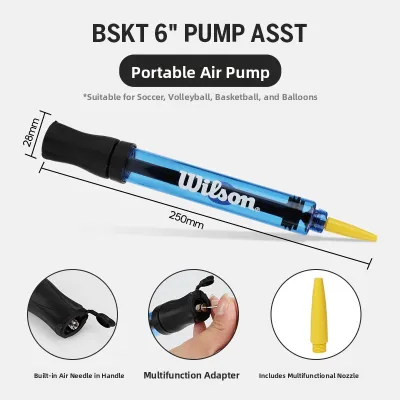
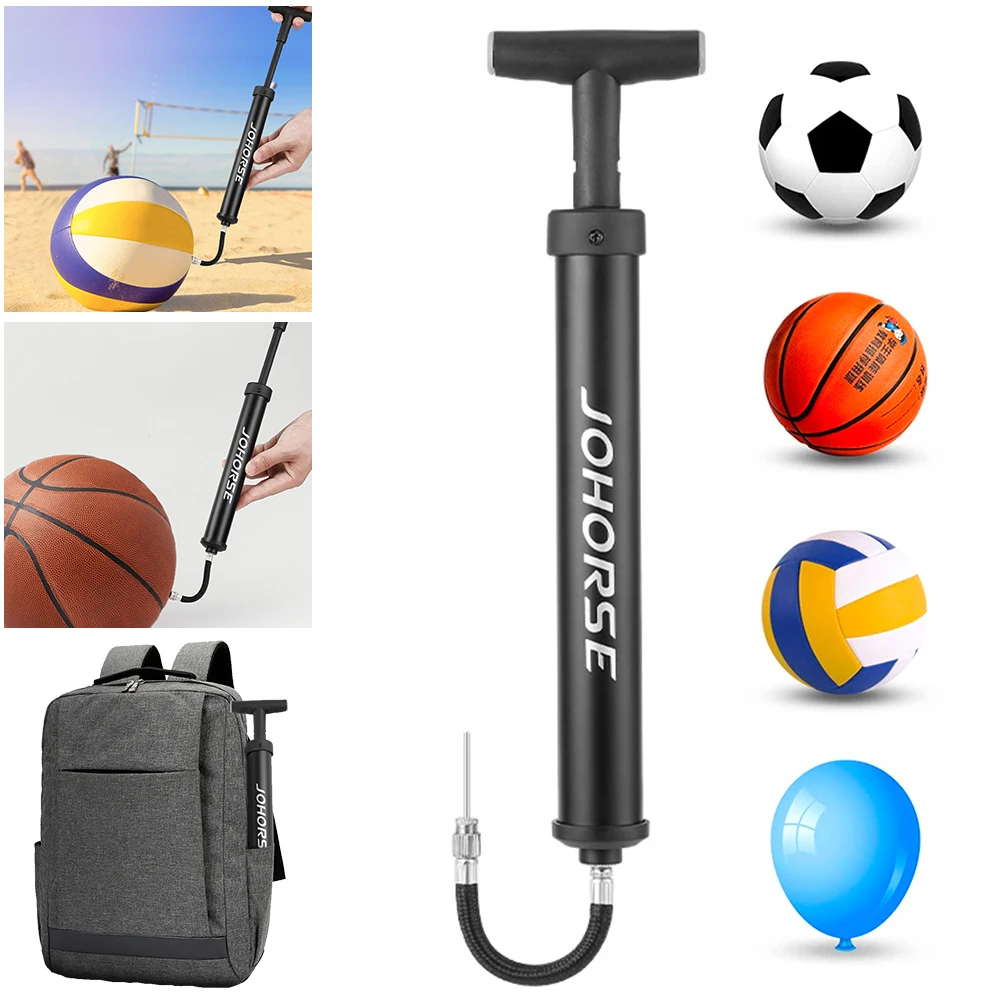
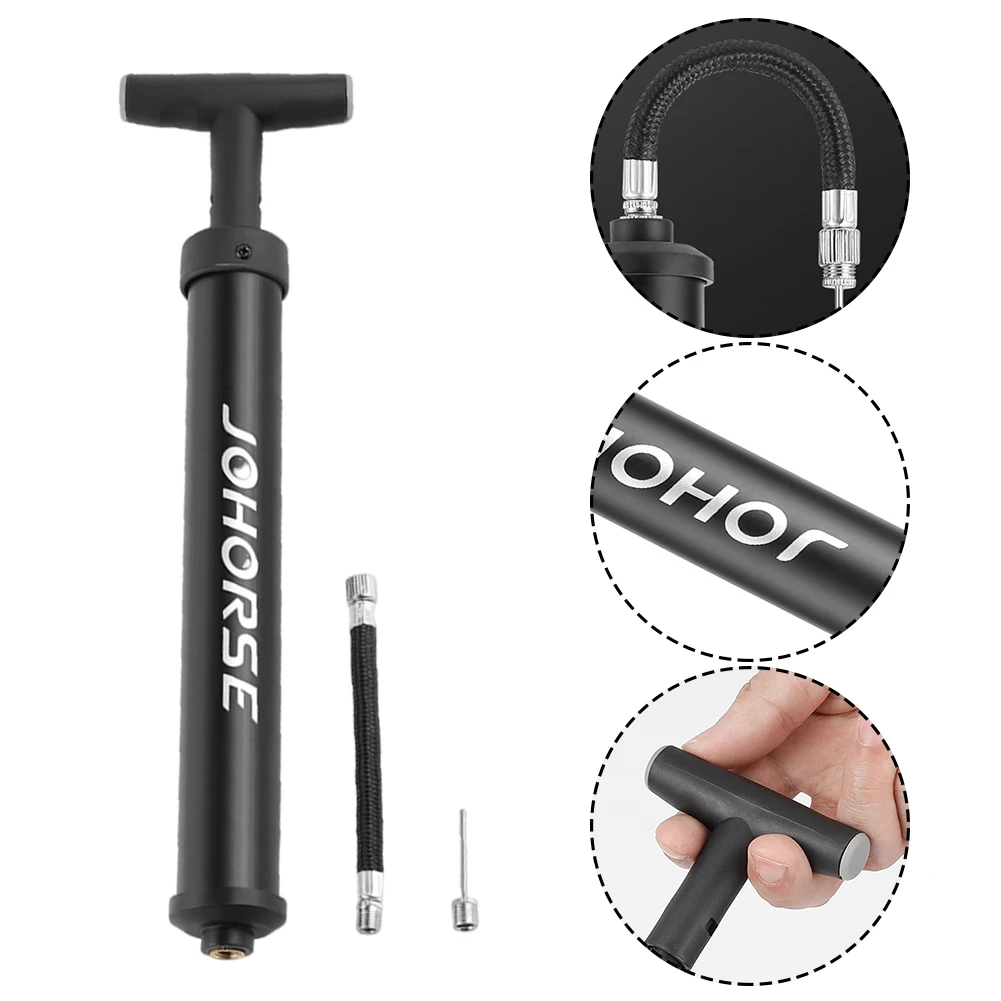
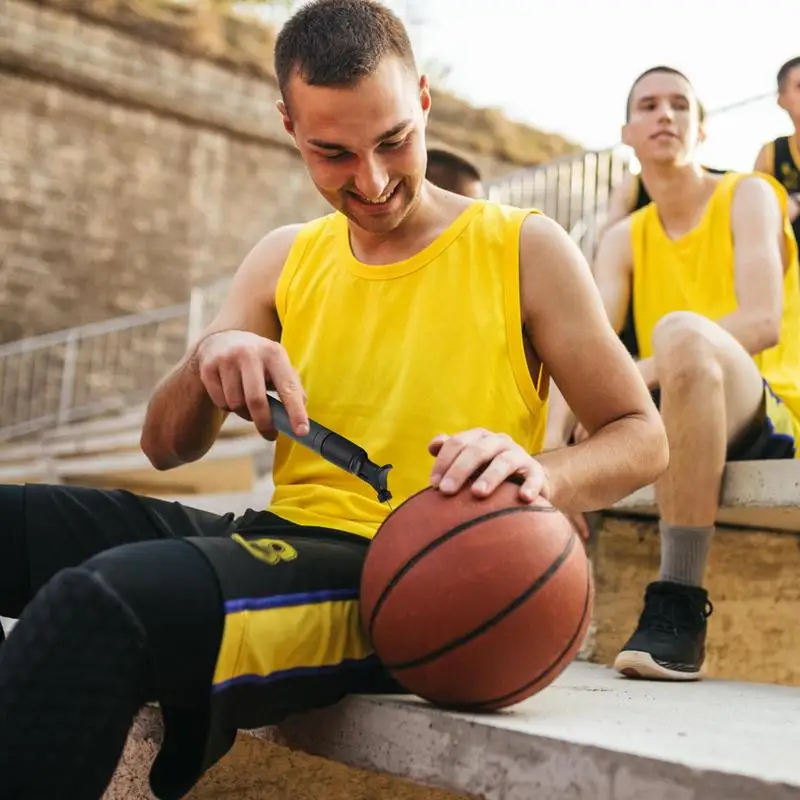
![[SG STOCK] Ball Air Pump with Needle](https://img.lazcdn.com/g/p/68529c3a4e15f53d0ddf08e7dc2c6925.png_400x400q80.png_.webp)
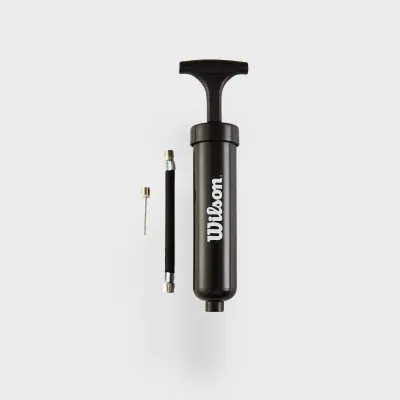
Prices are valid at publication and may change. Please refer to the product page for the latest price.
Valve Compatibility and Interchangeable Adapters
The foundation of multi-sport utility lies in the pump’s connection interface. Most standard sports balls utilize a narrow, hollow inflation needle (often referred to as a pin valve). However, other inflatable sports gear, such as fitness balls, speed bags, or water sports equipment, may require plastic tapered nozzles or flexible hose extensions. When evaluating a portable pump, verify that the connection port uses a standard thread size (typically 5/16-32 UNEF or standard bicycle valve threads) that accepts universal metal needles. Having a flexible hose attachment is highly recommended; a rigid connection where the needle screws directly into the pump body transfers all your pumping motion directly to the ball’s valve, which frequently leads to bent or snapped needles.
Pressure Gauge Accuracy and PSI Ranges
Inflating by feel is highly inaccurate and can permanently warp high-quality sports balls. A reliable portable pump must feature a clear, legible pressure gauge—either a mechanical dial or a digital display. The gauge must cover the specific pressure ranges of your sports equipment with high resolution:
- Volleyballs: Typically require a very low pressure range of 4.26 to 4.61 PSI (0.30 to 0.325 kgf/cm²). A gauge with coarse increments makes it incredibly easy to over-inflate these sensitive bladders, stiffening the ball and causing pain during play.
- Footballs (Soccer): Generally require 8.5 to 15.6 PSI.
- Basketballs: Require a higher pressure range, usually between 7.5 and 8.5 PSI, though some heavy-duty training balls can go higher.
- Rugby Balls: Typically require 9.5 to 10.0 PSI.
Ensure the gauge is calibrated to measure low pressures accurately. Many high-pressure bicycle pumps have gauges that go up to 120 PSI, which makes reading a precise 4 PSI level for a volleyball nearly impossible. Look for pumps with dedicated low-pressure gauges or digital sensors that display increments of 0.1 PSI.
Build Materials, Cylinder Seals, and Hose Durability
The longevity of a portable pump depends heavily on its construction. Aluminum alloy cylinders offer an excellent balance of lightweight portability and structural rigidity, resisting dents when tossed into a crowded sports bag. Plastic cylinders are lighter and more affordable but are prone to cracking under heavy physical pressure or when exposed to high temperatures. Inside the cylinder, the piston seal (often made of synthetic rubber or silicone) must maintain an airtight fit to prevent air bypass during strokes. In humid tropical climates like Singapore, look for corrosion-resistant materials and reinforced rubber hoses that will not dry out, crack, or degrade when stored in warm locker rooms or car trunks.
Choosing the Right Pump Mechanism for Your Needs
Selecting the right pump mechanism is a trade-off between physical effort, inflation speed, weight, and power reliability. No single mechanism is perfect for every scenario; a coach managing twenty balls for a training session has very different needs than a casual player who only needs to top up a single basketball before a pickup game. Understanding how manual, electric, and foot-operated systems compare allows you to match the pump to your typical playing venue and carrying capacity.

| Pump Type | Portability | Inflation Speed | Physical Effort | Power Source | Best Suited For |
|---|---|---|---|---|---|
| Manual Hand Pump | Excellent (Fits in pocket) | Slow to Moderate | High | Manual labor | Quick sideline top-ups, single-ball users |
| Electric Portable Pump | Good (Slightly heavier) | Fast (Automated) | None | Rechargeable battery | Coaches, multi-ball setups, precise pressure control |
| Foot-Operated Pump | Moderate (Foldable) | Fast (High volume) | Moderate | Manual labor (Legs) | Home storage, club equipment rooms, high-volume inflation |
Manual Hand Pumps for Sideline Portability
Manual hand pumps are the traditional choice for on-the-go athletes due to their unmatched reliability and lightweight design. Because they do not rely on batteries, they are always ready for use, making them an essential backup tool in any sports kit. When choosing a manual pump, the primary performance differentiator is the stroke action.
Single-action pumps only push air into the ball when you compress the handle, meaning half of your physical motion is wasted. Dual-action pumps, by contrast, utilize a specialized internal valve system that forces air through the needle on both the push and the pull strokes. This effectively cuts inflation time in half and significantly reduces arm fatigue. While manual pumps are incredibly compact—often measuring under 20 centimeters—they do require sustained physical effort, which can become tiring if you need to inflate multiple completely deflated balls from scratch.
Electric Portable Pumps for Convenience
Battery-powered electric pumps have revolutionized sports gear maintenance by automating the inflation process. These compact devices use a small electric motor and piston compressor to deliver air at the touch of a button. The primary advantage of an electric pump is precision; most models allow you to pre-set your target PSI, automatically shutting off the motor once the correct pressure is reached to prevent over-inflation.
When evaluating electric models, pay close attention to battery capacity (typically measured in milliampere-hours or mAh) and the charging interface. A universal USB-C port is highly desirable, allowing you to recharge the pump using standard phone chargers or portable power banks. However, electric pumps do have distinct limitations. They are heavier than manual pumps, generate noticeable motor noise during operation, and can fail if the battery drains or if they are exposed to heavy rain. Additionally, prolonged continuous use can cause the internal motor to overheat, requiring cool-down periods between balls.
Foot Pumps for High-Volume and Home Use
Foot-operated pumps occupy a middle ground, offering high-volume air delivery without the battery dependency of electric models. By utilizing the larger muscle groups in your legs rather than your arms, foot pumps allow you to inflate balls quickly and with minimal physical strain. These pumps feature a sturdy metal frame, a wide cylinder base, and a spring-loaded pedal that folds flat for storage.
The primary benefit of a foot pump is stability; because the pump rests firmly on the ground, you do not have to balance the pump body in your hands while trying to keep the needle steady inside the ball’s valve. This hands-free stability greatly reduces the risk of bending the inflation needle. However, foot pumps have a much larger physical footprint and are significantly heavier than hand pumps, making them less practical for carrying in a small backpack. They are best suited for home garages, school equipment rooms, or carrying in the trunk of a car.
Building Your Shortlist: Pre-Purchase Verification
Before purchasing a portable ball pump from an online marketplace or local sporting goods store, it is crucial to verify the product’s specifications and real-world reliability. Marketing descriptions often promise universal compatibility, but a closer look at the physical components can reveal potential points of failure. Use this verification checklist to ensure you select a high-quality tool:
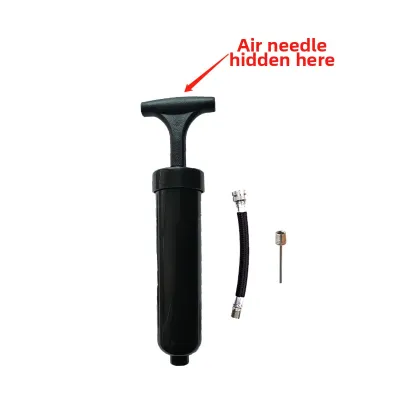
- Inspect the Nozzle and Adapter Kit: Ensure the pump comes with multiple spare metal needles. Needles are easily lost or bent, so having a built-in storage compartment within the pump handle or body is a major advantage. If you plan to inflate other items like bicycle tires or pool floats, verify that the pump includes a Presta-to-Schrader adapter and plastic cone nozzles.
- Check the Hose Design: Avoid pumps where the needle connects directly to a rigid plastic nozzle without a flexible hose. A flexible rubber hose isolates the movement of the pump from the needle, protecting the ball's valve from tearing during vigorous pumping.
- Verify Gauge Calibration and Readability: If buying a manual pump with an analog gauge, check that the dial has clear markings in the low-pressure range (1 to 15 PSI). For electric pumps, look for digital displays that show real-time pressure readings alongside the target preset.
- Review User Feedback for Common Failures: When reading online reviews, search specifically for mentions of "air leaks" around the hose connections or "gauge drift," where the pressure reading becomes inaccurate over time. A pump with a leaky seal will require twice as many strokes to inflate a ball, while an inaccurate gauge can lead to damaged equipment.
- Assess Warranty and Replacement Parts: Check if the manufacturer offers a warranty or sells replacement hoses and gaskets. High-quality pumps often feature replaceable internal seals, allowing you to service the pump rather than throwing it away when a rubber ring wears out.
Proper Usage and Maintenance for Longevity
Even the highest-quality portable ball pump will fail prematurely if used incorrectly or stored poorly. Proper technique not only extends the lifespan of your pump but also protects the delicate valves of your sports balls, which can easily leak if damaged during inflation.
Correct Needle Insertion and Lubrication
The most common cause of both needle breakage and ball valve failure is dry insertion. Inserting a dry metal needle into a rubber valve core creates intense friction, which can tear the valve or push the rubber core entirely inside the ball. Always lubricate the needle before insertion. You can use a specialized valve oil, glycerin, or even a small amount of soapy water. Avoid using saliva, as it can dry out and degrade the rubber over time. When inserting the needle, push it straight in at a 90-degree angle to the ball’s surface. Never twist, bend, or force the needle at an angle, as this can snap the metal or warp the valve housing.
Storage and Environmental Protection
To prevent premature wear, store your pump in a cool, dry environment away from direct sunlight. In high-humidity regions like Singapore, moisture can quickly rust internal steel springs in foot pumps or degrade the lithium-ion batteries in electric models. Never store an electric pump with a completely depleted battery; charge it to around 50% to 80% before long-term storage to maintain battery health. Keep hoses coiled loosely without sharp bends to prevent the rubber from crimping or cracking.
Identifying Signs of Wear
Regularly inspect your equipment for signs of degradation. If you notice that manual pumping requires significantly more effort but yields little air pressure, the internal piston seal may be dry or worn, requiring a drop of silicone lubricant or a replacement gasket. Hisses or whistling sounds during operation indicate an air leak along the hose or at the needle connection point. If a needle becomes slightly bent, do not attempt to straighten it; metal fatigue makes it highly likely to snap off inside a ball valve during your next use. Replace bent needles immediately to avoid ruining expensive sports balls.
Frequently Asked Questions (FAQ)
Can I use a standard ball needle for all sports equipment?
A standard metal inflation needle is designed to fit the narrow rubber valves found on almost all basketballs, footballs, volleyballs, netballs, and rugby balls. However, it is not a universal tool for all inflatable gear. Larger recreational inflatables, such as yoga fitness balls, pool floats, and air mattresses, utilize wider plastic valves that require tapered plastic nozzles or specialized high-volume adapters. Attempting to force a metal needle into these wider plastic valves will not create an airtight seal and can puncture the material. Always match the adapter to the specific valve type of your equipment.
How do I know the correct PSI for my sports balls?
The recommended inflation pressure is almost always molded or printed directly onto the surface of the ball, typically located immediately adjacent to the inflation valve. It is usually expressed in PSI (pounds per square inch) or bar/kPa. If the markings have worn off due to heavy use, you can refer to standard sports regulations: basketballs generally perform best between 7.5 and 8.5 PSI, soccer balls between 8.5 and 15.6 PSI, and volleyballs at a much lower 4.26 to 4.61 PSI. Operating within these specified ranges ensures optimal bounce, flight characteristics, and structural integrity while preventing seam splits.

Community discussion
Share your experience or ask a question. Comments are reviewed before publication.