
Navigating Singapore’s Park Connector Network (PCN) after dark requires a reliable lighting setup to ensure your safety and that of other path users. Choosing the right Newboler bike light is not about finding a single universal model, but rather matching specific technical features—such as lumen output, beam spread, and battery runtime—to your specific riding habits. While high-quality equipment is essential, remember that a bike light cannot replace active rider judgment, situational awareness, and defensive cycling habits on shared paths. By evaluating how and where you ride, you can select a light that provides adequate illumination without carrying unnecessary weight or blinding oncoming traffic.
Identify Your Primary PCN Riding Scenario
Defining your primary cycling context is the first step to narrowing down your lighting requirements before evaluating specific products. The PCN accommodates a wide variety of users, and your lighting needs will differ dramatically depending on when and where you ride.
Commuters typically navigate well-lit urban connectors and streetlit paths during dawn, dusk, or early evenings. On these routes, the surrounding infrastructure already provides substantial ambient light, meaning your primary safety goal is to make yourself visible to pedestrians, runners, and other cyclists. For this scenario, a highly intense beam is rarely necessary, and a compact, lower-lumen light with a flashing mode is often the most practical choice to conserve battery.
Products mentioned in this guide
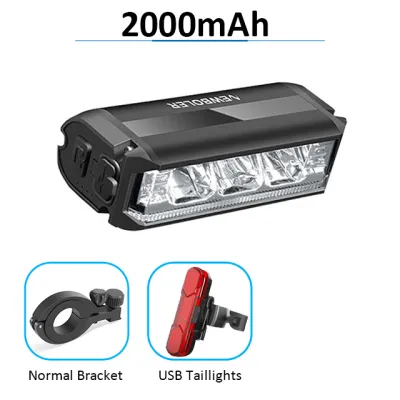
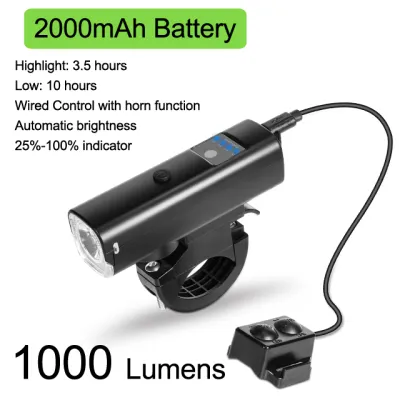
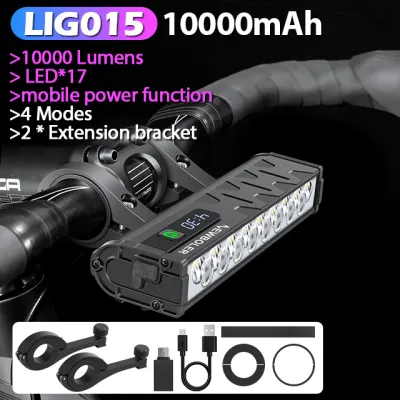
Prices are valid at publication and may change. Please refer to the product page for the latest price.
Recreational riders often enjoy weekend evening trips that feature mixed lighting conditions, frequent stops, and varied path surfaces. These journeys might take you from brightly lit commercial hubs to darker, tree-lined coastal paths where streetlights are sparse. A versatile light that allows you to toggle easily between low and medium brightness levels helps you adapt to these changing environments on the fly.
Night riders who engage in dedicated training or long-distance rides often seek out unlit or poorly lit PCN stretches late at night. Navigating these dark corridors safely requires maximum visibility to spot debris, sudden turns, or wet patches on the pavement. In these conditions, high-capacity batteries and robust light outputs are non-negotiable safety requirements to give you sufficient reaction time at higher speeds.
Evaluate Newboler Bike Light Specifications
When browsing Newboler models on your preferred online marketplace, it is crucial to look past generic marketing terms and focus on verifiable specifications. Start by examining the stated lumen output, which measures the total amount of visible light emitted. However, lumens alone do not tell the whole story; you must also check the beam pattern. A wide flood beam is excellent for peripheral vision on winding paths, while a focused spot beam helps you see far down straight, dark stretches.

Battery capacity, typically measured in milliampere-hours (mAh), directly dictates how long your light will remain functional. You should evaluate these claims critically, as high-brightness modes drain batteries significantly faster than low or flashing modes. Always check the manufacturer’s runtime estimates for each specific brightness setting to ensure the light can sustain your typical ride duration with a safe margin of error.
Mounting hardware is another critical specification that is easily overlooked. Verify that the included bracket is compatible with your handlebar diameter, whether you ride a standard road bike, a folding bike, or a mountain bike. Look for tool-free, quick-release mounting mechanisms that allow you to easily remove the light when parking your bike in public spaces around Singapore to prevent theft.
Match Features to Your Cycling Profile
To make an informed decision, you can map your riding profile directly to the technical features of the Newboler lineup. If your route consists entirely of well-lit commuter paths, prioritize a lightweight, compact design with moderate output (around 200 to 400 lumens). This setup keeps your handlebars clutter-free while providing enough visibility to ensure you are seen by others without adding unnecessary bulk to your commuter rig.
For recreational riders tackling mixed-light paths, a mid-range light offering 400 to 800 lumens with a wide flood beam is highly effective. This wider angle illuminates the edges of the path, helping you spot pedestrians stepping off the grass or sudden obstacles around tight corners. Look for models that feature a simple, single-button interface so you can adjust the brightness quickly as you move between lit and unlit zones.
If you are planning extended night rides on unlit stretches of the PCN, you should look for high-output models capable of delivering 1000 lumens or more. Because running a light at maximum brightness drains the battery rapidly, planning for redundancy is essential. Carrying a secondary, compact backup light ensures you will not be left in total darkness if your primary light runs out of power unexpectedly.
The following decision matrix maps common PCN riding scenarios to recommended light characteristics to help you filter the product lineup:
| Riding Scenario | Recommended Lumens | Beam Pattern Priority | Battery Priority | Key Feature to Check |
|---|---|---|---|---|
| Commuting | 200 – 400 lm | Wide flood / Flashing | Low to Medium | Compact, quick-release mount |
| Recreational | 400 – 800 lm | Mixed flood and spot | Medium | Easy mode-switching button |
| Night Riding | 1000+ lm | Focused spot / Long throw | High (large mAh) | Redundant backup light compatibility |
Safe Installation and PCN Path Etiquette
Once you have selected your Newboler light, proper installation is key to safe operation. Before setting off, perform a physical check to ensure the mount is tightened securely. Vibrations from uneven PCN surfaces, tactile paving, or wooden boardwalks can cause a loose light to shift, pointing the beam straight down or directly into the sky, which compromises your visibility.
PCN etiquette is a vital part of shared-path safety in Singapore. Always adjust your front light’s beam angle downward, aiming it at the ground approximately five to ten meters ahead of your front wheel. A high-powered light pointed horizontally will blind oncoming cyclists and pedestrians, creating a severe safety hazard on narrow, shared paths.
Singapore’s tropical climate brings high humidity and sudden, heavy downpours. To protect your equipment, conduct regular inspections of the light’s charging port cover and silicone seals. Ensure the USB port cover is pressed firmly in place before every ride to prevent moisture ingress, which can cause short circuits or permanent battery damage.
Frequently Asked Questions (FAQ)
Do I need a rear light if my front light is very bright?
Yes, a rear light is absolutely essential for safe riding on the PCN. While a bright front light illuminates your path and alerts those ahead of you, it does nothing to make you visible to faster cyclists or personal mobility device (PMD) users approaching from behind. A dedicated red rear light, preferably set to a gentle pulsing mode, ensures you are visible from all angles and helps prevent rear-end collisions.
How should I adjust my light when passing pedestrians on the PCN?
When approaching pedestrians or oncoming cyclists in close quarters, you should lower your light’s brightness setting or tilt the beam further downward. If your Newboler model has a quick-access low-power mode, switch to it temporarily. This simple courtesy prevents blinding other path users, allowing everyone to navigate the shared space safely and comfortably.

Community discussion
Share your experience or ask a question. Comments are reviewed before publication.