
Selecting the right OPPO ankle support depends on matching the mechanical design to your specific activity demands and ankle stability needs. Compression sleeves offer mild compression and warmth, strap designs provide adjustable targeted stability for dynamic movements, and hinged braces deliver rigid lateral protection for maximum structural support. This guide breaks down how these mechanisms differ and how to verify the right fit for your condition.
Understanding the Three Main OPPO Ankle Support Designs
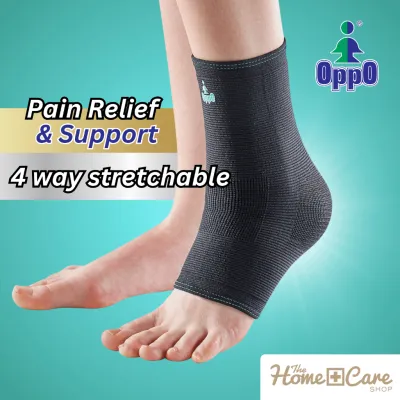
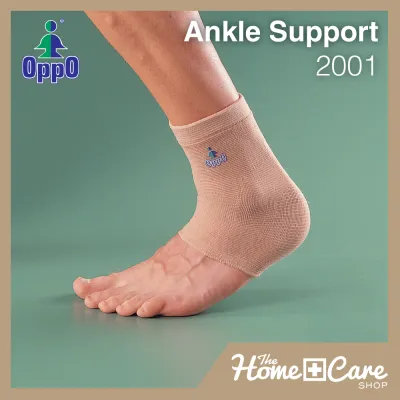
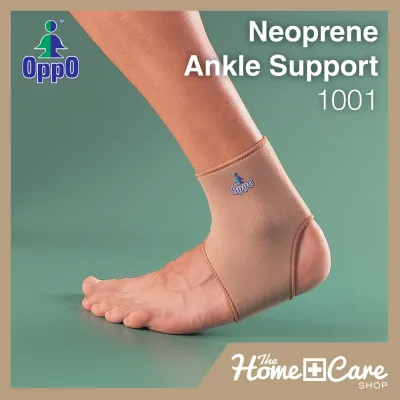
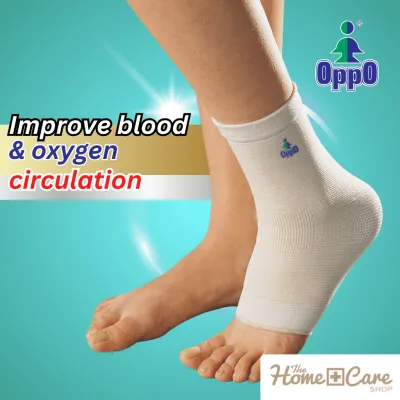
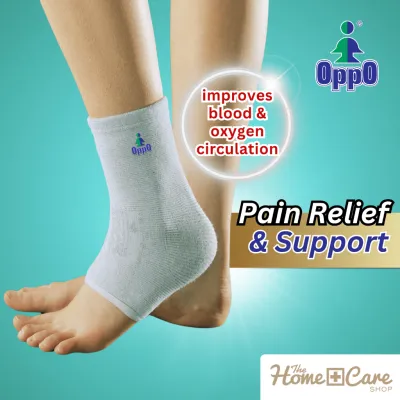
Compression sleeves represent the most basic level of support. They are typically knitted or made of neoprene, sliding over the foot to cover the entire ankle joint. The primary mechanism is uniform circumferential pressure. This compression helps manage minor swelling by promoting fluid movement and retaining local body heat, which can soothe stiff joints. Additionally, the constant physical contact of the fabric against the skin enhances proprioception—your body’s subconscious awareness of joint position and movement. This sensory feedback helps you make minor, natural adjustments during low-impact activities, though it does not physically restrict the joint from rolling.
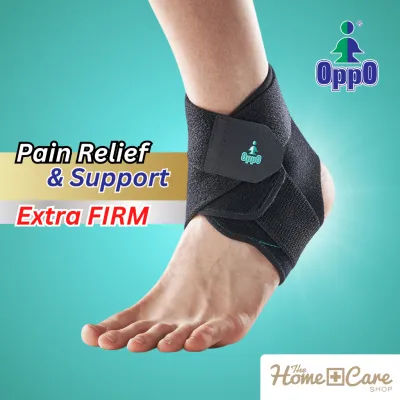
Strap and cross-strap designs introduce adjustable, mechanical tension to the ankle joint. These models often combine a basic sleeve or wrap with one or more elastic or non-elastic straps that wrap around the ankle in a figure-eight pattern. This configuration mimics the natural path of the ankle ligaments, allowing you to customize the level of tension and support. By tightening the straps, you can restrict specific movements, such as inversion (the outward rolling of the ankle) or eversion (inward rolling), while still maintaining a relatively high degree of flexibility for running, jumping, or pivoting. The adaptability of these straps makes them highly versatile for dynamic sports where movement patterns change rapidly.
Products mentioned in this guide
![Oppo Ankle Support (S M L XL) [NTFGH x JCH LIFE HUB]](https://img.lazcdn.com/g/p/5466eec4a278755506fa17c170ad2f85.jpg_400x400q80.jpg_.webp)
Prices are valid at publication and may change. Please refer to the product page for the latest price.
Hinged braces represent the highest level of structural support available in the lineup. These devices feature rigid or semi-rigid lateral uprights, often made of plastic or composite materials, positioned on either side of the ankle. These uprights are connected by a mechanical hinge that aligns with the natural pivot point of the ankle joint. This design allows for normal dorsiflexion (pointing the toes up) and plantarflexion (pointing the toes down) while physically blocking lateral movement. By preventing the ankle from rolling sideways, hinged braces provide maximum protection against severe inversion and eversion injuries, making them suitable for individuals recovering from significant ligament tears or managing chronic joint instability.
Matching the Support Mechanism to Your Activity and Condition
When dealing with mild stiffness, minor aches, or the early stages of recovery from a minor strain, a compression sleeve is often the most appropriate choice. These supports are ideal for low-impact activities such as walking, light jogging, or daily household tasks. Because they lack bulky straps or rigid inserts, they fit easily under standard socks and inside most everyday footwear. The gentle warmth and compression they provide can help ease morning stiffness and keep the joint lubricated during prolonged periods of standing or light movement. However, if your activity involves sudden changes of direction or uneven terrain, a sleeve alone may not offer sufficient protection.

For multi-directional sports such as badminton, tennis, basketball, or netball, where rapid lateral movements, jumping, and pivoting are common, strap and cross-strap designs are highly effective. These sports place significant dynamic stress on the ankle ligaments, increasing the risk of sprains. A strap-based support allows you to pre-tension the brace to resist excessive lateral rolling without locking out the joint entirely. This balance of mobility and targeted stability ensures you can perform quick footwork while maintaining a protective barrier against sudden, uncontrolled movements. It is also an excellent option for athletes returning to play after a moderate sprain, providing both physical reinforcement and psychological confidence.
In scenarios involving high lateral stress, chronic ankle instability, or recovery from severe ligament injuries, a hinged brace is typically required. Activities on highly uneven surfaces, such as trail running or hiking on rocky paths, present a constant threat of sudden ankle inversion. Similarly, contact sports or activities with high collision risks can force the ankle into extreme, unsafe angles. A hinged brace physically limits the lateral range of motion, ensuring that even if you step awkwardly, the rigid uprights absorb the force rather than your recovering ligaments. This level of support is also beneficial for individuals with chronic joint laxity who require external structural reinforcement to perform daily movements safely.
While choosing the correct support mechanism is vital for managing symptoms and protecting the joint during activity, it is crucial to understand the limitations of these devices. An ankle support, regardless of its complexity or rigidity, is a mechanical aid designed to assist the joint; it does not cure underlying structural damage or replace the need for professional medical evaluation. If you experience severe pain, immediate swelling, inability to bear weight, or persistent instability, you must consult a qualified healthcare professional for an accurate diagnosis. Furthermore, external supports should ideally be used in conjunction with a targeted rehabilitation program focused on strengthening the surrounding muscles and restoring natural balance, rather than as a permanent substitute for joint strength.
Key Fit, Sizing, and Shoe Compatibility Checks
To ensure an ankle support functions as intended, obtaining an accurate fit is paramount. A support that is too loose will fail to provide the necessary compression or structural stability, while one that is too tight can restrict blood flow and cause discomfort. Before purchasing, consult the manufacturer’s specific sizing chart, as sizing can vary significantly between different models. Use a flexible measuring tape to measure the circumference of your ankle just above the ankle bone. For some strap or hinged models, you may also need to measure the circumference of your heel and the instep of your foot. Always take these measurements while standing with your weight evenly distributed, as the foot naturally expands when bearing weight.
Once you have selected the correct size and applied the support, it is essential to monitor for signs of improper fit during the first few hours of wear. Pay close attention to any sensations of numbness, tingling, or a “pins and needles” feeling in your toes or foot, which can indicate nerve compression. Additionally, check the color and temperature of your toes; if they appear pale, bluish, or feel unusually cold compared to your other foot, the support is likely too tight and is restricting circulation. If you observe any of these signs, remove the support immediately, adjust the tension of the straps, or verify if you need to transition to a larger size.
Another critical factor is how well the ankle support integrates with your existing footwear. Compression sleeves are thin and generally fit into any shoe without modification. However, strap designs and especially hinged braces add significant bulk around the midfoot and ankle. When testing a new support, always wear it with the specific athletic shoes and socks you plan to use during your activities. Loosen the laces of your shoe fully before inserting your foot with the brace on, then tighten them gradually to ensure a secure but comfortable fit. If the brace causes the shoe to pinch or feel excessively tight, you may need to wear a slightly wider shoe or adjust the lacing pattern to accommodate the extra volume without compromising foot comfort.
Care, Maintenance, and Replacement Signals
Proper care and maintenance are essential to preserve the structural integrity and hygienic condition of your ankle support. Over time, sweat, dirt, and skin oils can degrade the elastic fibers and weaken the adhesive properties of Velcro straps. Always refer to the care label on your specific product for precise instructions. Generally, most fabric and neoprene supports should be hand washed in cold water using a mild detergent. Avoid using bleach, fabric softeners, or harsh chemicals, as these can break down the materials. Air dry the support flat in a shaded, well-ventilated area; never use a tumble dryer or expose the support to direct heat sources like radiators, as high temperatures can warp plastic hinges and destroy elastic elasticity.
Regularly inspect your ankle support for signs of wear and tear that could compromise its effectiveness. Over months of regular use, elastic materials will naturally lose their rebound capacity, resulting in a looser fit and reduced compression. Check the stitching along the seams for any fraying or unraveling, and examine the Velcro fasteners to ensure they still grip securely under tension. For hinged models, inspect the plastic uprights for hairline cracks and verify that the hinge mechanism moves smoothly without excessive play or loose components. If you notice any of these indicators, the support may no longer provide the level of stabilization required, and it should be replaced to avoid the risk of re-injury.
Prolonged use of ankle supports, particularly during intense physical activity, can lead to moisture buildup and friction against the skin. This environment increases the risk of skin irritation, chafing, and friction blisters. To minimize these issues, ensure your skin is clean and dry before applying the support. Wearing a thin, moisture-wicking sock underneath the brace can act as a protective barrier, absorbing sweat and reducing direct friction. If you are using a neoprene sleeve, which retains heat and moisture more than knitted fabrics, consider taking brief breaks during extended wear to allow your skin to breathe and dry completely, helping to maintain overall foot hygiene.
Frequently Asked Questions (FAQ)
Can I wear an OPPO ankle support while sleeping?
Generally, it is not recommended to wear compressive or rigid ankle supports while sleeping unless specifically instructed by a healthcare professional. When you are lying down and inactive, your blood circulation naturally slows, and the continuous pressure from a compression sleeve or strap can restrict blood flow, leading to numbness or tissue irritation. Furthermore, the risk of rolling your ankle is virtually non-existent while resting in bed, making the mechanical support unnecessary. The primary exception to this rule is during the acute phase of a severe injury or post-operative recovery, where a specialist may direct you to wear a specific rigid brace to keep the joint immobilized and protected from accidental movement during sleep.
Should I wear ankle supports on both feet for balance?
Unless you have active injuries or instability in both ankles, you should only wear a support on the affected or vulnerable joint. Bracing a healthy, stable ankle is unnecessary and can be counterproductive. External supports alter the natural sensory feedback and movement patterns of the joint. Wearing a brace on a healthy ankle can cause you to rely on the external support rather than your own muscles and ligaments, potentially leading to a slight alteration in your gait or running mechanics. This imbalance can transfer unusual stresses up the kinetic chain to your knees, hips, or lower back, causing discomfort or overuse injuries in those areas. Focus on bracing only the joint that requires assistance, while keeping the healthy side unencumbered to maintain natural movement.

Community discussion
Share your experience or ask a question. Comments are reviewed before publication.