
Choosing the right posture trainer as a Pilates beginner requires understanding that these tools are not one-size-fits-all solutions, but rather a diverse category of alignment aids. The term “posture trainer” can refer to several distinct types of equipment, ranging from passive wearable braces that physically hold your shoulders back to active alignment props and digital biofeedback sensors. Finding the right match depends on whether you need physical support, active muscle engagement, or real-time sensory reminders to correct your form. It is essential to recognize that while these tools can assist your journey, no external device can replace the foundational core strength and body awareness developed through consistent Pilates practice.
In Singapore’s warm and humid climate, or within the air-conditioned comfort of a home studio, selecting the right material and design is crucial for both comfort and hygiene. Beginners often face the challenge of navigating a crowded market filled with conflicting claims of instant alignment fixes. To make an informed decision, you must evaluate how each device functions, how it fits into your movement routine, and how to use it safely without developing a physical dependency. By focusing on adjustable features, material suitability, and your specific movement goals, you can select an aid that complements your Pilates practice rather than hindering your natural biomechanics.
Identifying the Right Type of Posture Trainer for Pilates
To choose the correct tool for your practice, you must first clarify the different equipment categories referred to as posture trainers. Wearable braces and straps are the most common passive options available on online marketplaces. These devices typically wrap around your shoulders and upper back, using physical tension to retract the scapulae and prevent slouching. While they offer immediate physical support, they are primarily passive, meaning they do the work for your muscles rather than encouraging them to fire. This makes them highly effective for desk wear but less suitable for dynamic movement where muscle activation is the primary goal.
Products mentioned in this guide
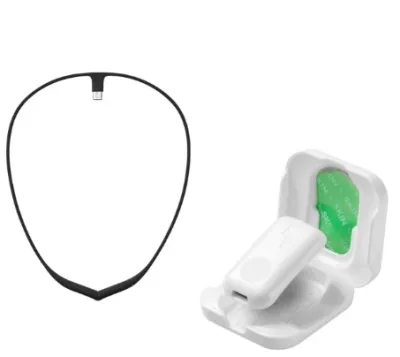
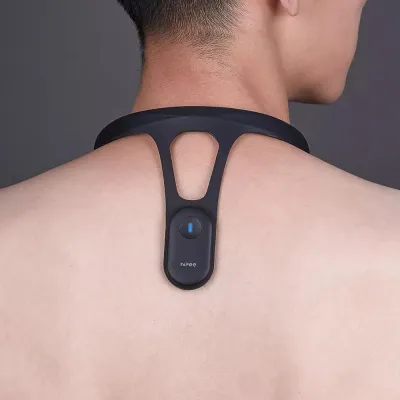
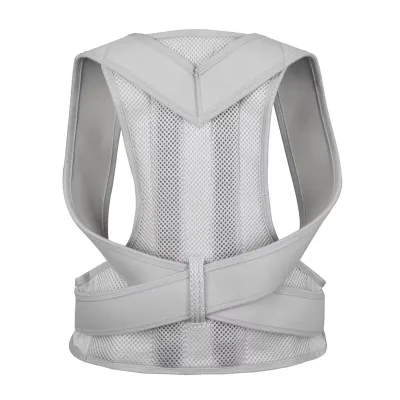
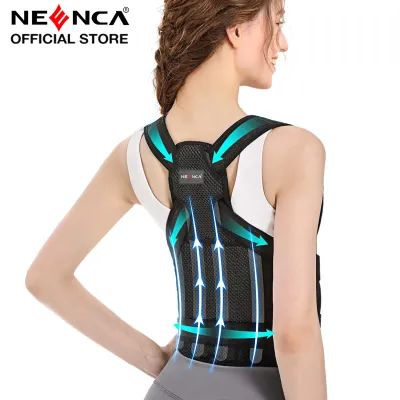
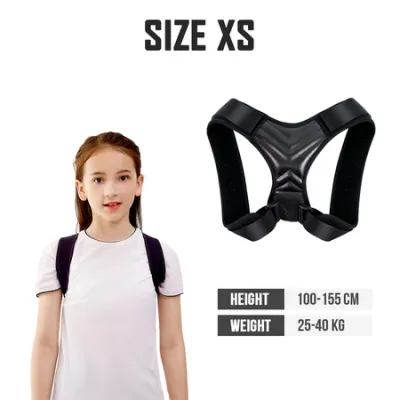

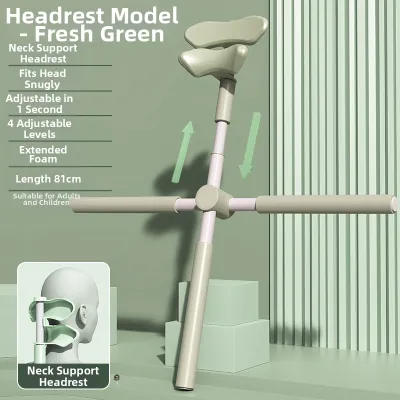
Prices are valid at publication and may change. Please refer to the product page for the latest price.
Active alignment props, such as specialized resistance bands, tactile cues, and alignment blocks, represent a more fitness-oriented approach. These tools do not hold you in place; instead, they require your muscles to actively work against resistance or maintain contact with a surface to stay aligned. For example, a light resistance band looped around your back can provide a physical boundary that prompts your core and upper back muscles to engage. These props align closely with the core principles of Pilates, as they encourage active muscle recruitment, motor learning, and the development of intrinsic strength.
Smart biofeedback sensors offer a modern, digital alternative to physical restriction. These small, lightweight devices adhere to your upper back or clip onto your clothing, monitoring your spinal curvature throughout the day. When you slouch past a pre-set angle, the sensor emits a gentle vibration, prompting you to self-correct using your own muscle power. This method focuses entirely on cognitive awareness and proprioception, making it an excellent tool for beginners who want to build lasting habits without relying on physical straps or rigid supports.
Distinguishing between medical-grade orthopedic braces and fitness-oriented posture aids is vital for your safety. Medical-grade braces are rigid structures prescribed by healthcare professionals to immobilize or support the spine during recovery from injury or to manage clinical conditions like scoliosis. Fitness-oriented posture aids, on the other hand, are flexible, non-restrictive, and designed to enhance movement awareness. As a Pilates beginner, you should focus on fitness-oriented aids that allow for natural movement, unless a medical professional has specifically directed you to use a clinical brace.
Essential Features to Check Before You Buy
When shopping for a posture trainer, your first priority should be verifying its adjustability and how much freedom of movement it allows. A trainer that is too rigid will restrict standard Pilates flows, spinal twists, and rolling exercises, which can lead to compensatory movements and potential strain. Look for products with adjustable straps, sliding buckles, or flexible materials that allow you to customize the fit to your body shape. Before committing to a purchase, check the manufacturer’s sizing charts and user instructions to ensure the device can be adjusted to provide light feedback rather than rigid immobilization.

Material breathability and ease of cleaning are critical considerations, especially when exercising in warm environments or during intense mat sessions. Look for hypoallergenic, moisture-wicking fabrics such as nylon mesh, perforated neoprene, or lightweight cotton blends that allow heat to escape. Avoid heavy, non-breathable plastics or thick foams that trap sweat against your skin, which can cause chafing and irritation. Ensure the product specifications indicate that the trainer is hand-washable or machine-washable, as regular cleaning is necessary to maintain hygiene after sweaty workouts.
Tension and resistance customization options are essential for accommodating your changing strength levels as you progress in your Pilates journey. A high-quality posture trainer should allow you to modify the level of support or resistance it provides. For strap-based trainers, this might mean adjustable hook-and-loop fasteners that let you loosen the tension as your upper back muscles grow stronger. For resistance-based props, look for systems that offer interchangeable bands of varying tension levels, allowing you to start with light resistance and gradually increase the challenge as your stability improves.
Finally, evaluate the fastening mechanisms and how they interact with typical Pilates apparel and mat work. Bulky plastic buckles, heavy metal clips, or rough Velcro patches can dig into your spine, ribs, or collarbones when you lie flat on a Pilates mat for exercises like the hundred or spine stretch. Opt for low-profile, flat fasteners that lie flush against your body and do not snag on delicate athletic fabrics. If you plan to use the trainer during home workouts, budget-friendly options typically range from S$20 to S$50, while advanced digital sensors may cost upwards of S$100, so choose a fastening style that fits both your comfort needs and your budget.
Aligning Your Choice with Specific Pilates Goals
Your choice of a posture trainer should directly align with your specific postural challenges and current training stage. If your primary struggle is rounded shoulders and a closed chest from long hours of desk work, look for tools designed to gently encourage scapular retraction. A lightweight, figure-eight elastic strap can provide the subtle tactile feedback needed to keep your collarbones wide and your chest open. This helps you identify the sensation of a neutral shoulder girdle, which you can then carry into your mat exercises.
For beginners struggling to find pelvic neutrality and spinal alignment during core work, tactile alignment props are often more beneficial than wearable shoulder braces. Small, inflatable stability cushions or foam alignment blocks placed under the pelvis or lower back can help you identify when your spine is arching or tucking excessively. These props provide immediate physical feedback during exercises like leg lifts or pelvic curls, helping you develop the deep abdominal control required to maintain a stable pelvis without relying on external strapping.
It is important to use any posture trainer as a temporary sensory cue rather than a permanent fixture in your routine. The goal of Pilates is to build intrinsic core control, which requires your muscles to support your skeleton independently. Try wearing or using your posture trainer for the first 15 to 20 minutes of your practice to prime your nervous system and establish alignment awareness. Once you feel connected to your posture, remove the device and complete the remainder of your session relying solely on your internal muscle engagement and proprioception.
Be mindful of when a posture trainer might interfere with the natural biomechanics of specific Pilates exercises. Exercises that require significant spinal articulation, such as the roll-up or the rolling back, demand that each vertebra moves independently. A rigid posture brace that locks your upper back in place will prevent this natural articulation, forcing your lower back or neck to overcompensate. If your workout plan includes dynamic spinal flexion, extension, or rotation, verify whether your posture aid allows these movements naturally; if it restricts them, remove the aid before performing those exercises.
Safe Usage Limits and When to Stop
To prevent muscle weakening and physical dependency, you must establish strict limits on how long you wear or use a posture trainer daily. Overusing a passive support brace can lead to muscle atrophy, as your postural muscles stop working when they are constantly held up by external straps. Limit your use of passive wearable correctors to no more than 30 to 60 minutes per day, using them primarily as a training tool to build awareness rather than a crutch to keep you upright. Active props and sensors can be used more frequently, but they should still be balanced with unassisted movement.
Always pay close attention to physical warning signs that indicate your posture trainer is fitted incorrectly or worn for too long. Restricted breathing is a primary warning sign; if you cannot take deep, diaphragmatic breaths—which are essential for Pilates lateral breathing—the trainer is too tight and must be loosened immediately. Other warning signs include skin chafing, redness, or a pins-and-needles sensation in your arms or hands, which suggests that the straps are compressing nerves or restricting blood circulation around your shoulders.
Remember that no posture tool can replace active strengthening exercises. To achieve lasting alignment improvements, you must pair any posture aid with a balanced exercise routine that targets the deep core, upper back extensors, and shoulder stabilizers. Consult a certified Pilates instructor or a physiotherapist to design a personalized exercise plan that addresses your specific muscle imbalances. The posture trainer should only serve as a secondary reminder to maintain the form you are actively building through your physical training.
Stop using your posture trainer immediately if you experience sharp pain, persistent numbness, joint discomfort, or dizziness. These symptoms indicate that the device is placing unnatural stress on your musculoskeletal system or restricting vital circulation. Do not attempt to push through pain or discomfort in the hope of forcing your body into alignment. If pain persists after removing the device, seek professional medical advice or consult a qualified movement specialist to assess your posture and movement patterns safely.
Frequently Asked Questions (FAQ)
Can I wear a posture brace during Reformer or mat Pilates classes?
Wearing a passive posture brace during a dynamic Reformer or mat Pilates class is generally not recommended. These braces can severely restrict your range of motion, preventing the natural spinal articulation, twisting, and reaching required in standard Pilates sequences. Additionally, bulky straps or buckles can interfere with Reformer carriage straps, pulleys, and headrests, creating a safety hazard. Wearing a rigid brace during dynamic movement can also alter your natural biomechanics, forcing other joints to overcompensate and increasing the risk of strain. It is safer to use the brace for quiet, static activities and focus on unassisted alignment during your active classes.
How do I transition from using a posture trainer to maintaining alignment naturally?
Transitioning to natural alignment involves gradually weaning your body off the posture trainer while actively building your intrinsic core strength. Start by reducing the amount of time you use the trainer each week, moving from daily use to every other day, and eventually using it only during specific desk sessions or warm-ups. Replace the external feedback of the device with internal proprioceptive checks, consciously scanning your body from head to toe during the day. Focus on the core engagement, ribcage placement, and shoulder stability you practice in Pilates, allowing these active habits to naturally replace the passive support of the trainer.
What is the difference between a posture corrector and a standard Pilates resistance band?
A posture corrector is typically a wearable, passive harness designed to physically hold your shoulders back and restrict slouching through structural tension. It does not require active muscle effort to maintain your position. In contrast, a standard Pilates resistance band is a versatile, active training tool that provides variable resistance. When using a resistance band, your muscles must actively contract to pull against the band or stabilize your joints. While a corrector provides passive structural support, a resistance band is used to actively strengthen the upper back, shoulders, and core muscles, helping you build the physical strength needed to support your own posture naturally.

Community discussion
Share your experience or ask a question. Comments are reviewed before publication.