
Finding the best tennis rebounder ball in Singapore as a beginner comes down to selecting a system that matches your physical space, your current reaction speed, and the surfaces available to you. Rather than looking for a single “perfect” model, you should focus on verifying key specifications: a highly stable, fillable base, an adjustable elastic cord that allows you to control the return speed, and a durable, high-visibility ball designed for hard outdoor surfaces. By focusing on these adjustable components, you can customize your solo practice sessions to build consistent muscle memory without the need for a partner or an expensive court booking.
Why a Rebounder Ball Is Ideal for Solo Tennis Practice
Solo practice is one of the most effective ways for tennis beginners to build muscle memory, but finding a consistent partner or booking a court in Singapore can be challenging. A tennis rebounder ball solves this problem by providing a continuous, self-returning target that mimics basic rally play. Every time you strike the ball, the elastic cord stretches and pulls it back toward you, allowing you to practice repetitive strokes like forehands and backhands in rapid succession. This high volume of repetitions is crucial for developing clean contact and consistent swing paths early in your tennis journey.
Beyond the physical benefits, using a rebounder is highly cost-effective. Booking public tennis courts through active booking systems can be highly competitive, and hiring private coaches or purchasing ball machines requires a significant financial commitment. A rebounder ball offers a low-cost alternative that requires no booking fees and can be used repeatedly. This makes it an accessible entry point for beginners who want to test their interest in the sport before investing in premium gear or club memberships.
Products mentioned in this guide
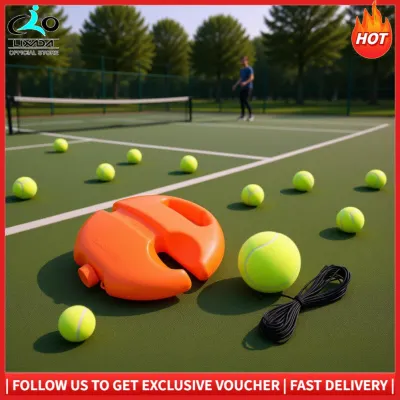
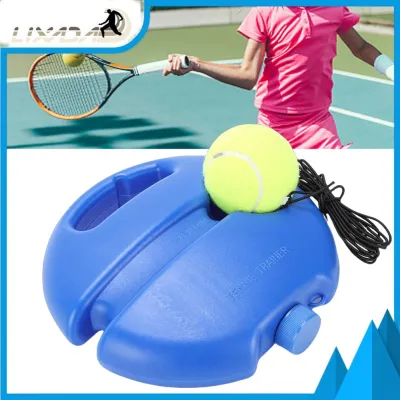
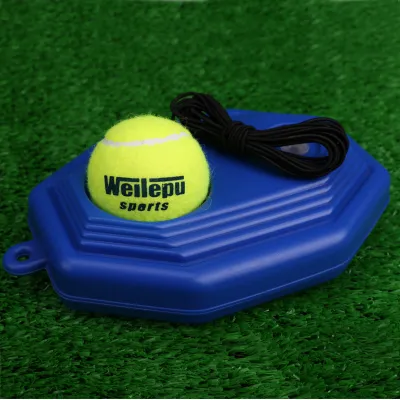
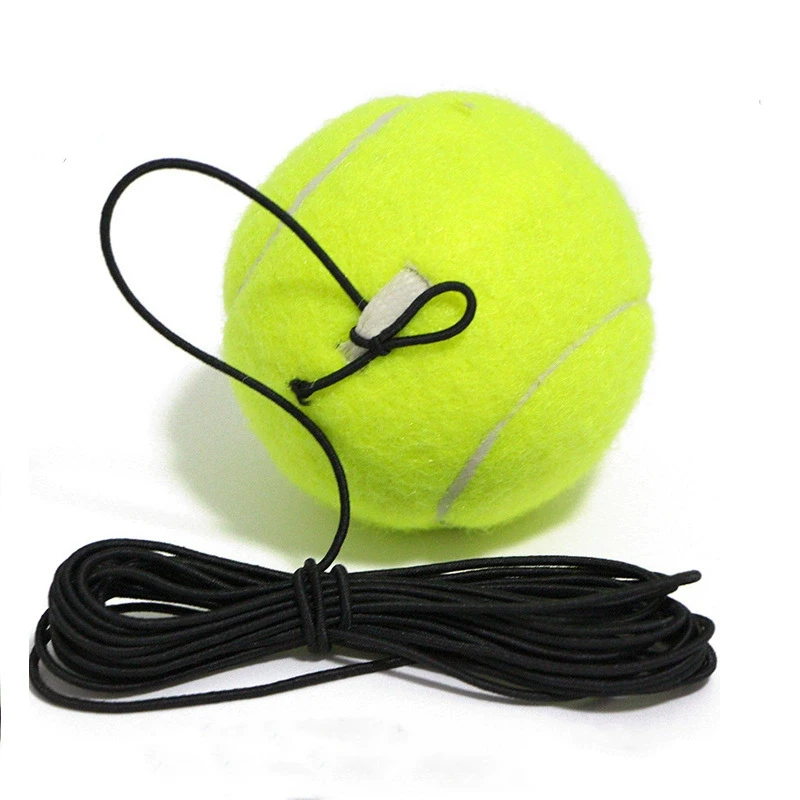
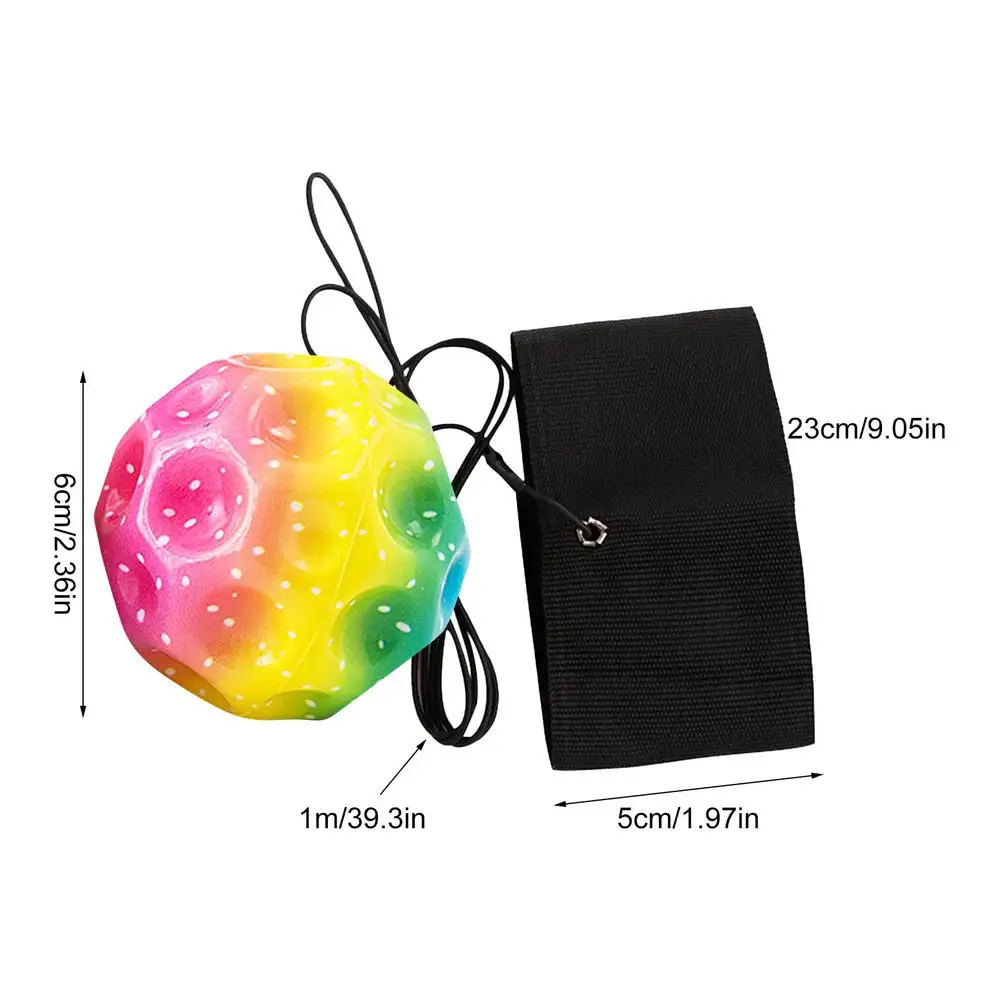
Prices are valid at publication and may change. Please refer to the product page for the latest price.
Additionally, a rebounder provides immense spatial flexibility. While a standard tennis match requires a full-sized court, a rebounder can be set up in various open areas such as driveways, quiet parks, or permitted community spaces. This convenience means you can squeeze in a quick twenty-minute practice session near your home without the hassle of traveling to a dedicated sports facility. It turns almost any flat, hard surface into a personal training ground.
Key Features to Look for in a Beginner Rebounder Ball
To choose a rebounder that will actually help you improve, you must understand how its individual parts work together. A standard setup consists of three main components: a heavy or fillable base, an elastic cord, and a specialized tennis ball. The base anchors the system to the ground, the cord determines the speed and trajectory of the return, and the ball provides the physical contact point for your racket.

For beginners, adjustable features are particularly important because your skill level and physical conditioning will change rapidly. A system that allows you to modify the cord length or alter the base weight ensures that the equipment can grow with you. Instead of outgrowing a basic model within a few weeks, you can adjust the settings to increase the difficulty as your hand-eye coordination and footwork improve.
Cord Length and Elasticity
The elastic cord is the engine of the rebounder system, directly controlling how quickly the ball returns to your racket. For beginners, a longer and slightly less elastic cord is generally preferable. A longer cord gives the ball more travel time, which translates to a slower return and gives you precious extra seconds to reset your stance, prepare your racket face, and adjust your footwork between hits.
When browsing options, always check the manufacturer specifications for the cord’s resting and stretched lengths. Many beginner-friendly models feature adjustable clips or winding mechanisms on the base that let you shorten or lengthen the cord. This adjustability is highly useful because it allows you to transition from slow, high-arching returns to faster, low-to-the-ground shots as your reaction times sharpen.
You should generally avoid systems with overly tight or highly rigid cords. These setups snap the ball back at high speeds and unpredictable angles, which can easily overwhelm a novice player. If the ball returns too quickly, you will likely find yourself rushing your strokes, which can lead to poor form, frustration, and a higher risk of hitting yourself with the returning ball.
Base Stability and Weight Capacity
A rebounder is only as good as its base; if the base slides or tips over every time you hit the ball, your practice session will be constantly interrupted. Most consumer rebounders feature hollow plastic bases designed to be filled with water or sand to provide temporary weight. Alternatively, some premium models use solid, heavy rubber or metal plates that require no filling but are heavier to transport.
Before purchasing, check the base’s volume and maximum weight capacity on the product label or specification sheet. A base that holds at least 2 to 3 liters of water is typically stable enough to withstand moderate beginner hits. If you plan to practice on rougher surfaces or want maximum stability, filling the base with dry sand is often more effective than water, as sand is denser and less prone to sloshing around during intense play.
There is a natural trade-off between portability and stability that you must consider based on your lifestyle. A large, high-capacity base offers excellent stability but can be cumbersome to carry to a local park if you do not have a vehicle. If you need to travel with your rebounder, look for designs that feature integrated carrying handles, secure screw-on caps to prevent leaks, and compact dimensions when empty.
Ball Type and Durability
The ball included with your rebounder plays a major role in how the system feels when you strike it. Many beginner kits come with low-compression transition balls (often referred to as stage 1 or stage 2 green/orange dot balls). These balls are lighter and bounce slower than standard pressurized tennis balls, making them ideal for novices who need more time to track the ball and execute a clean swing.
Because you will likely be practicing on hard outdoor surfaces like concrete, asphalt, or outdoor court tiles, the durability of the ball cover is critical. Look for balls covered in thick, high-density felt that can withstand repeated friction against rough ground without fraying or splitting. Standard tennis balls designed for soft grass or clay courts will wear down rapidly when dragged across concrete by an elastic cord.
Finally, verify whether the ball is permanently attached to the cord or if it can be easily replaced. The ball is inevitably the first component to wear out or lose its bounce. Choosing a system with a detachable clip or a simple knotting mechanism allows you to swap out a worn-out ball for a fresh one without having to purchase an entirely new base and cord assembly.
How to Match the Rebounder to Your Skill Level and Space
Selecting the right rebounder requires a realistic assessment of where you plan to practice and how much space you have available. In Singapore, urban living means that outdoor space is often shared or limited. If you live in a condominium with access to a tennis court or a multi-purpose court, you will have ample room to use a longer cord and practice full-power groundstrokes. However, if you plan to practice in a driveway, a quiet void deck (where permitted), or a small neighborhood park, you will need a system that can operate safely within a tighter footprint.
Your current hand-eye coordination should also dictate the specifications of your setup. If you are completely new to racket sports, your primary goal is to establish a rhythm. A setup that allows you to shorten the cord and practice gentle, controlled taps is much better for building early confidence than trying to hit full-force drives. As your timing improves, you can gradually extend the cord and increase your swing speed to simulate deeper baseline rallies.
Storage and transport are equally important considerations for local residents. Singapore apartments and HDB flats often have limited storage space, so a bulky, non-collapsible rebounder base can quickly become an eyesore or a tripping hazard. Look for compact, stackable designs where the cord can be neatly wound around the base and the ball clips securely into a dedicated slot. This ensures the entire kit can be tucked away in a shoe cabinet or utility closet when not in use.
Building Your Shortlist: What to Check Before Buying
When searching for a rebounder ball on online marketplaces or in local sporting goods stores, it is easy to get distracted by flashy marketing claims. To ensure you get a durable and functional product, start by reading user reviews with a critical eye. Look specifically for feedback regarding cord durability and base leakage. If multiple reviews mention that the elastic cord snaps within the first few sessions or that the water cap leaks during transport, it is best to look for alternative options.
You should also verify the seller’s return policies and whether they offer replacement parts. Because the elastic cord is under constant tension, it is subject to high wear and tear; knowing you can easily purchase replacement cords or that the seller offers a basic warranty on the base provides peace of mind. Some brands sell replacement packs that include multiple cords and balls, which is often a highly cost-effective add-on to purchase upfront.
Another decision point is whether to buy a bundled set or a standalone unit. Bundled sets often include a lightweight beginner racket, a carrying bag, and spare balls. If you do not yet own a tennis racket, these bundles can offer excellent value and save you the hassle of matching a racket to your training gear. However, if you already own a racket, focus your budget on a high-quality standalone rebounder unit that prioritizes base weight and cord quality over cheap accessories.
Lastly, ensure the product listing provides clear, measurable specifications rather than vague descriptions. A reliable seller will state the exact length of the cord, the weight of the base when empty and filled, and the material of the ball. Avoid listings that use generic terms like “heavy-duty” or “professional grade” without providing the actual dimensions and materials to back up those claims.
Setup and Safety Tips for Effective Practice
To get the most out of your solo practice sessions and prevent unnecessary wear on your equipment, proper setup is essential. Always place the rebounder base on a flat, even surface such as concrete, asphalt, or outdoor sports flooring. Placing the base on grass, gravel, or uneven tiles can cause it to wobble, slide, or tip over when the cord reaches full extension, which disrupts the rhythm of your practice and can damage the base.
Before you begin hitting, take a moment to inspect the cord attachment points at both the base and the ball. These connection areas experience the highest amount of stress during play. Look for any signs of fraying, loose knots, or plastic wear. Ensuring the knots are secure before you start prevents the ball from flying off unexpectedly, which could result in lost equipment or accidental injury to bystanders.
Your personal safety and comfort should also be a priority during these repetitive sessions. Because you will be moving laterally and adjusting your feet constantly on hard surfaces, always wear proper court shoes with adequate lateral support and grip. Running shoes or casual sneakers often lack the necessary side-to-side stability, increasing the risk of ankle rolls or slips on dusty outdoor surfaces.
Finally, establish clear stop conditions for your practice. If you notice the elastic cord beginning to fray significantly, or if the base starts leaking water onto your playing surface, stop using the rebounder immediately. Continuing to hit a damaged system can cause the cord to snap back toward you unpredictably. Regularly wiping down the cord to remove dirt and storing the unit out of direct sunlight will help prolong the lifespan of the materials.
Frequently Asked Questions (FAQ)
Can I use a regular tennis ball with a rebounder base?
You can use a regular tennis ball, but you must ensure it has a secure attachment mechanism to connect to the elastic cord. Standard tennis balls do not come with the built-in loops or metal eyelets found on specialized rebounder balls. Attempting to tape, glue, or tie a cord directly around a standard ball is generally unsafe and ineffective, as the high impact of your racket will quickly detach the ball or cause the cord to slip off during play. For the best results, purchase dedicated replacement rebounder balls that feature pre-installed attachment loops.
How much space do I need to set up a rebounder ball?
To practice safely, you should have a clear, flat area of at least 6 to 8 meters in length and 3 to 4 meters in width. This space ensures that you have enough room for the cord to stretch fully and return without hitting walls, fences, or obstacles. It also provides a safe clearance zone around you so you can execute a full racket swing without hitting nearby objects or bystanders. If you are practicing in a tighter space, you can shorten the cord length, but you must adjust your swing power accordingly to avoid rapid, uncontrollable rebounds.
Is a heavier base always better for beginners?
A heavier base provides superior stability and prevents the unit from sliding when you hit hard shots, but it is not always the most practical choice for beginners. If you have to transport your equipment to a public park or a condo court, a very heavy, solid base can be difficult to carry. For most beginners, a fillable plastic base offers the best balance of stability and portability. You can carry the lightweight base to your practice spot empty, fill it with water or sand on-site, and drain it when you are finished for easy transport home.

Community discussion
Share your experience or ask a question. Comments are reviewed before publication.