
Selecting the right skipping rope requires looking beyond generic designs to find specifications that match your physical proportions and training goals. For women, this selection process centers on three primary factors: handle ergonomics that accommodate smaller hand spans, rope weight that aligns with your current grip strength, and adjustable mechanisms that allow for precise height customization. Prioritizing these features ensures a comfortable, slip-free workout while minimizing the risk of wrist fatigue or repetitive strain.
Rather than purchasing a one-size-fits-all option, analyzing the technical details of the handle, cable, and rotation mechanism allows you to tailor the equipment to your specific environment. Whether you are training in a humid climate where grip security is paramount, or transitioning between indoor gym floors and outdoor concrete surfaces, matching the rope’s specifications to your routine is the key to consistent progress.
Handle Grip and Ergonomics: Matching Hand Size and Grip Strength
Handle diameter is a critical starting point when selecting a rope. Standard handles designed for general use can often feel bulky or difficult to wrap your fingers around securely, which forces your forearms to work harder just to maintain a grip. Opting for a slimmer handle diameter—typically between 15 to 22 millimeters—allows for a more natural, relaxed grip that reduces premature hand fatigue during high-repetition sets.
Products mentioned in this guide
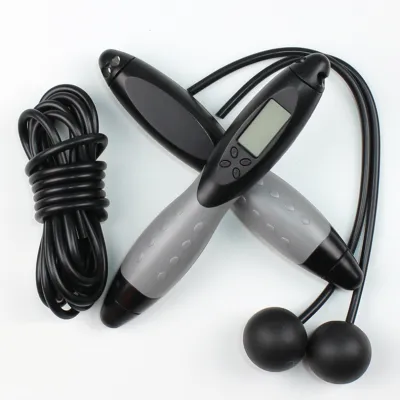
![🇸🇬 [READY STOCK] Speed Skipping Rope PVC Fitness Weight Loss Portable Jump Unisex Children Adult Fitness Crossfit Boxing Jumping Rope](https://img.lazcdn.com/g/p/02cf9944198f7f859b56bd41a5e472c2.jpg_400x400q80.jpg_.webp)
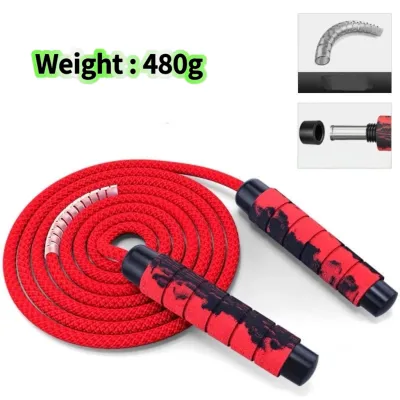
![[Ready Stock] Neon Colour Skipping Rope](https://img.lazcdn.com/g/p/c13444921594b2198d689e2bddcafe33.png_400x400q80.png_.webp)
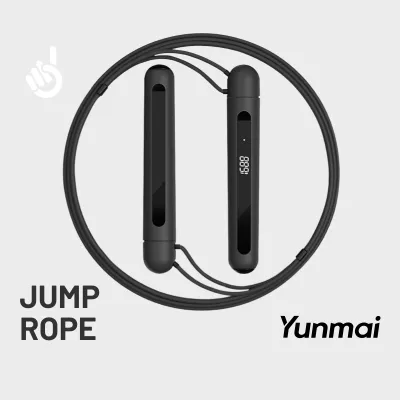
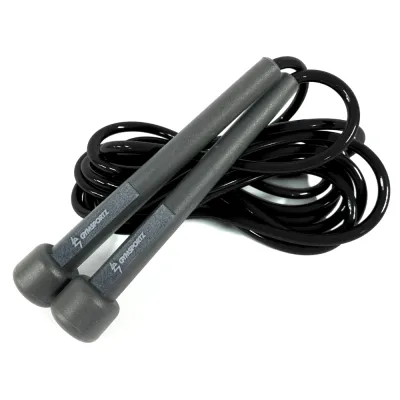

Prices are valid at publication and may change. Please refer to the product page for the latest price.
The material and texture of the handle grip play an equally important role, especially during intense, sweat-inducing workouts. Smooth plastic or bare metal handles can quickly become slippery, leading to a compromised grip and interrupted rhythm. Look for handles wrapped in textured polyurethane, silicone sleeves, or moisture-wicking foam tapes that absorb sweat and provide a reliable tactile surface without requiring excessive squeezing.
Weight distribution within the handle also affects how the rope feels during rotation. Some designs place heavy weights inside the handles to increase the workout intensity, but this can place unnecessary strain on the wrists if your grip strength is still developing. For most cardiovascular and speed training, a lightweight handle with a balanced center of gravity is preferable, as it allows the wrist to control the rotation smoothly without localized strain.
Rope Material and Weight: Aligning with Workout Intensity
The weight and material of the cable itself dictate the speed of the rotation and the type of physical feedback you receive. Lightweight speed ropes, often made of thin steel wire coated in protective nylon or vinyl, are designed for rapid turnover and minimal aerodynamic drag. These are highly effective for advanced footwork and high-intensity interval training, but they require precise timing because they offer very little physical feedback as they spin.

In contrast, heavier ropes—such as solid PVC cables or dedicated weighted ropes—provide a distinct tactile sensation with every rotation. This feedback is incredibly helpful for beginners who are still learning the rhythm of jumping, as it helps you feel exactly where the rope is in its arc. For those focusing on muscular endurance and upper-body conditioning, a heavier cable increases the resistance, requiring more effort from the shoulders, back, and core.
When shopping, it is important to check the manufacturer’s specifications for the exact weight of the cable rather than relying on vague marketing terms like “lightweight” or “heavy.” Look for the actual weight listed in grams or ounces on the product packaging. This verification ensures you select a weight that matches your current fitness level and prevents you from inadvertently purchasing a rope that is too heavy for your wrists to control safely.
Adjustability and Sizing: Finding the Right Length for Your Height
An improperly sized skipping rope is a primary cause of tripping, poor posture, and joint strain. To establish a baseline length that matches your height, use the standard step-on measurement method. Stand directly on the center of the cable with one foot and pull the handles straight up along the sides of your body; for general fitness, the tips of the handles should reach approximately to your armpits.
The mechanism used to adjust and secure this length varies significantly between models. Some ropes utilize adjustable thumb screws or sliding collar clamps that allow you to change the length in seconds without tools. These adjustable systems are ideal if you plan to share the rope with other household members or if you want to experiment with different lengths as your jumping form improves.
For a more permanent, streamlined setup, many high-speed wire ropes require you to cut the excess cable with wire cutters once you find your ideal length. While this eliminates excess cable bulk at the ends of the handles, it makes the adjustment permanent. If you travel frequently or use your rope on varying surface heights, a non-destructive, adjustable segmented design or a rope with internal storage for excess cable may be more practical.
Rotation and Bearing Systems: Matching Your Skill Level
The connection point between the cable and the handle determines how smoothly the rope rotates and how much effort is required to maintain momentum. Basic skipping ropes often feature simple plastic pegs or swivel joints where the rope feeds directly through the handle. While these are highly durable and sufficient for slow, steady-state cardio, they tend to produce friction and can cause the rope to twist or tangle during faster sessions.
For smoother, faster rotations, look for ropes equipped with integrated ball-bearing systems inside the handles. These bearings allow the cable to spin independently of the handle with minimal friction, which is essential for mastering advanced techniques like double unders. The smooth rotation reduces the torque transferred to your wrists, allowing you to maintain a consistent speed with less physical effort.
Additionally, pay attention to the angle of the connection. A 90-degree perpendicular connection—where the cable exits the handle at a right angle rather than straight out of the top—improves energy transfer and reduces wear on the cable. This design helps the rope maintain a clean, open arc as it spins, reducing the likelihood of clipping your feet during transitions.
Building Your Shortlist: A Feature Checklist for Your Goals
To finalize your choice, map the technical features of the rope to your primary workout environment and fitness goals. If your routine consists of high-intensity interval training (HIIT) or boxing conditioning, a slim-handled speed rope with a ball-bearing system will offer the quick response you need. For general cardiovascular health or outdoor workouts at a local fitness corner, a durable PVC rope with textured, sweat-resistant grips is often the most practical option.
The surface where you plan to jump should also dictate your choice of outer casing. Jumping on rough outdoor surfaces like concrete, asphalt, or void deck tiles will quickly wear down bare metal wires or soft plastics. If you train outdoors, look for ropes with thick protective sleeves or choose a durable beaded design that can withstand abrasive friction.
Finally, when purchasing from online sports retailers, take a moment to verify the return policies and sizing guarantees. Because finding the perfect rope length and handle feel can involve some trial and error, choosing a retailer that offers clear exchange terms ensures you can swap the product if the handle diameter or weight distribution does not meet your expectations.
Frequently Asked Questions (FAQ)
Do I need a different skipping rope for indoor and outdoor workouts?
Yes, the workout surface directly impacts the lifespan of your rope. Bare steel cables and thin vinyl coatings are highly susceptible to fraying and cracking when used on abrasive outdoor surfaces like concrete or asphalt. For outdoor sessions, it is best to use a rope with a thick PVC cord, a protective nylon sleeve, or a beaded design, while reserving lightweight speed cables for smooth indoor gym floors or rubber fitness mats. Always check the manufacturer’s guidelines to ensure your rope is rated for the surface you intend to use.
How often should I replace my skipping rope?
The replacement frequency depends on your usage volume and training surface, but you should regularly inspect your equipment for physical signs of wear. Check the cable for visible kinks, exposed inner wire, or severe thinning, especially at the center point where the rope contacts the ground. Additionally, listen to the handles during rotation; if you notice grinding noises, debris buildup, or a sudden loss of spin smoothness in the bearings, it is time to clean the mechanism or replace the rope to maintain safe, smooth performance.

Community discussion
Share your experience or ask a question. Comments are reviewed before publication.