
Finding the best small Tupperware bottle for sports and gym use with good insulation requires choosing a double-walled vacuum-insulated stainless steel model rather than a standard single-walled plastic bottle. While plastic options are lightweight and highly portable, they do not offer thermal retention. To secure the best performance for active workouts, you must evaluate specific capacity needs, lid designs, and insulation markings on the product packaging. This guide outlines the essential criteria, material specifications, and verification steps to help you select a durable, high-performing bottle that keeps your drinks cold and fits seamlessly into your fitness routine.
Key Criteria for Evaluating Small Tupperware Bottles for Workouts
When selecting a small water bottle for your fitness routine, defining your specific hydration needs is the first step. A “small” sports bottle typically falls within the range of 350ml to 600ml. This capacity is highly practical for standard gym sessions lasting between 45 and 60 minutes. It provides enough water to sustain your performance without becoming a heavy, bulky burden to carry from one exercise station to another.
In Singapore’s warm and humid climate, managing your hydration is particularly critical. Even during indoor workouts in air-conditioned gyms, sweat rates can be surprisingly high. If you participate in high-intensity interval training (HIIT), spin classes, or heavy weightlifting, a 500ml bottle serves as an optimal baseline. For shorter, low-intensity activities like yoga or stretching, a more compact 350ml bottle may be entirely sufficient.
Products mentioned in this guide
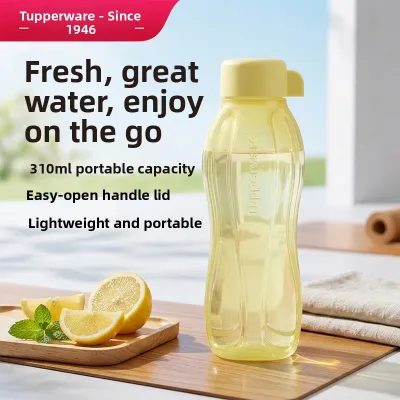
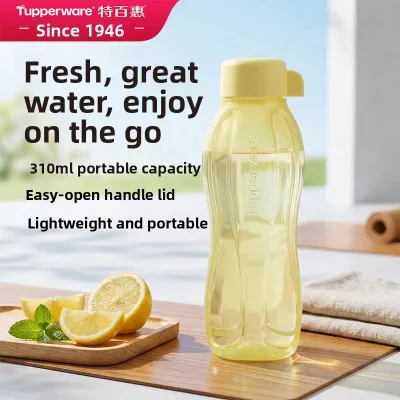
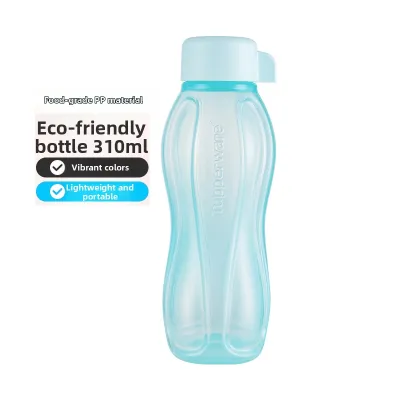
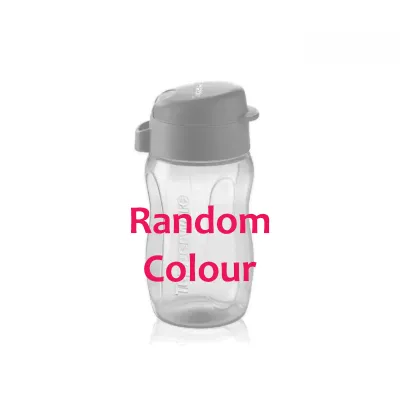
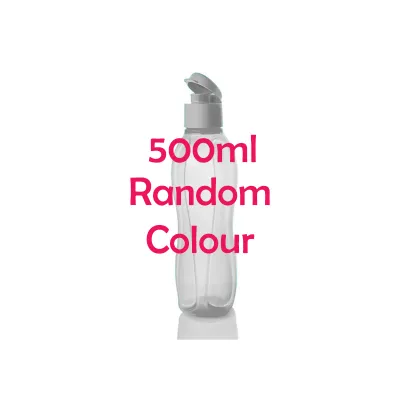
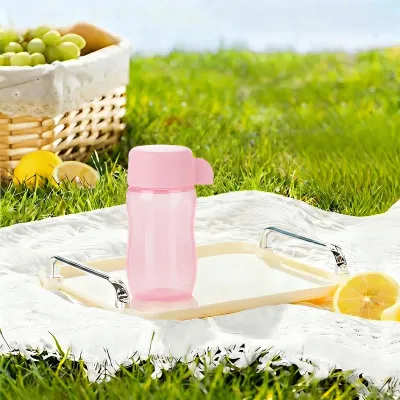
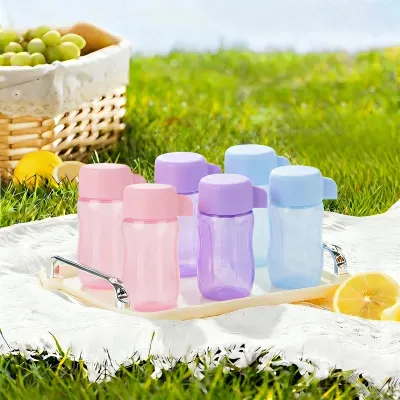
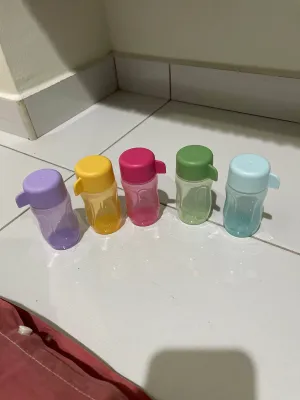
Prices are valid at publication and may change. Please refer to the product page for the latest price.
Portability and space management are equally important when packing your gym gear. A smaller bottle easily slides into the side mesh pockets of a standard backpack or fits neatly inside a compact duffel bag. Furthermore, you should consider cup holder compatibility. Most treadmills, stationary bikes, and elliptical trainers feature standard bottle holders designed for diameters under 7.5 centimeters. Choosing a bottle that fits these dimensions ensures your hydration is always within arm’s reach during intense cardio intervals.
Your primary workout environment should dictate the physical design of the bottle. For outdoor running or track workouts, carrying comfort is paramount; a slim profile that fits comfortably in your hand or features a dedicated finger loop is ideal. For indoor gym workouts where the bottle is frequently placed on rubber flooring or metal equipment shelves, stability and a non-slip base become much more valuable.
Understanding Insulation and Material Specifications
To ensure your water stays cold throughout your workout, you must understand how to read product labels and verify insulation capabilities. Many sports bottles claim to keep drinks cold, but only those with specific structural designs can deliver reliable thermal retention. When browsing options, look closely at the manufacturer’s packaging for terms such as “double-wall vacuum insulation” or “thermal barrier.”

The science behind insulation relies on a physical barrier to heat transfer. A double-walled bottle features an inner and an outer container, usually made of stainless steel, with the air evacuated from the space between them. This vacuum layer prevents heat from transferring via conduction or convection. Consequently, cold water inside the bottle remains cold, and warm ambient air cannot easily penetrate the barrier. Single-wall plastic bottles, while lightweight and excellent for simple storage, lack this vacuum layer and will quickly sweat in humid conditions, allowing your drink to reach room temperature rapidly.
Material safety is another critical factor to verify on the product label or base. Look for clear markings indicating that the bottle is BPA-free and made from food-grade materials. For stainless steel insulated bottles, high-quality food-grade alloys like 18/8 stainless steel (also known as grade 304) are the industry standard. This material is highly resistant to rust, does not retain flavors from previous drinks, and is durable enough to withstand daily use.
Before making a purchase, check the base of the bottle or the accompanying user manual for official certification symbols. These markings confirm that the product has undergone testing to meet food safety standards. If a bottle lacks these basic material specifications or safety labels, it is best to look for an alternative that provides transparent manufacturing details.
Portability, Durability, and Gym-Friendly Features
An effective sports bottle must be able to withstand the active, fast-paced environment of a gym. One of the most critical features to evaluate is the lid mechanism. Gym-friendly lids generally fall into three categories: flip-tops, screw-caps, and straw inserts. Each has distinct advantages and trade-offs depending on your workout style.
Flip-top lids are highly popular for gym use because they offer quick, one-handed access. This allows you to take a fast sip between sets without interrupting your momentum. However, you must ensure the flip-top features a secure locking latch to prevent it from popping open accidentally inside your gym bag. Screw-caps provide the most reliable leak-proof seal, making them excellent for transit, but they require two hands to open, which can be inconvenient during active exercise. Straw inserts allow you to drink without tilting the bottle, which is highly beneficial for cycling or treadmill running, though they require more meticulous cleaning.
Handling a water bottle with sweaty hands can easily lead to accidental drops. To prevent this, look for bottles that incorporate ergonomic grips, textured powder-coated finishes, or integrated silicone sleeves. These features significantly improve your hold on the bottle. Additionally, a sturdy carrying loop or carabiner clip allows you to attach the bottle to your gym bag or carry it easily with a single finger.
Drop resistance is a key durability consideration. In a gym, your bottle is likely to encounter hard concrete floors, rubber mats, and heavy metal weights. While high-quality stainless steel bottles are incredibly tough, a severe drop can dent the outer wall. If a dent is deep enough to touch the inner wall, it can compromise the vacuum seal, permanently reducing the bottle’s insulation performance. Plastic sports bottles are more flexible and less prone to permanent denting, but they can crack under high impact if dropped while completely full. Checking the manufacturer’s specifications for impact resistance can help you choose a model built for active environments.
How to Verify Product Claims Before Purchasing
With a wide variety of water bottles available on the market, verifying product authenticity and performance claims before you buy is essential. This is especially true when shopping for reputable brands like Tupperware, which are sometimes targeted by counterfeit manufacturers. Taking a few minutes to inspect the product can save you from purchasing an underperforming or unsafe imitation.
When shopping in physical retail stores, start by inspecting the packaging. Authentic products typically feature high-quality, crisp printing, clear brand logos, and detailed product specifications. Many reputable brands also include holographic security seals or unique serial numbers on the box. Check the physical bottle for embossed or engraved brand markings rather than cheap, easily peeled stickers.
If you are purchasing online, cross-reference the stated capacities, dimensions, and insulation specifications with the official brand website. Authentic listings should provide precise measurements, material compositions, and clear care instructions. Be cautious of listings on third-party ecommerce platforms or online marketplaces that use generic product descriptions, lack detailed specification sheets, or fail to provide clear manufacturer origin information.
Another common red flag is an unrealistically low price. High-quality insulated stainless steel bottles require precise manufacturing processes, which is reflected in their retail price. If you find a listing on an online marketplace offering a premium insulated bottle for a fraction of its standard retail cost (for example, S$5 instead of S$30), it is highly likely to be a counterfeit or a low-quality single-walled alternative. Stick to authorized retailers, official brand stores, or well-established department stores to ensure you receive a genuine product.
Care and Maintenance for Long-Lasting Performance
Proper care and maintenance are vital to preserving your bottle’s insulation performance and keeping it hygienic over time. Failing to clean your bottle correctly can lead to the deterioration of seals, mold growth, and unpleasant odors that ruin your drinking experience.
Always consult the manufacturer’s care instructions before washing your bottle. While some sports bottles are labeled as dishwasher safe, many vacuum-insulated models require hand-washing. The intense heat, prolonged moisture, and harsh chemicals used in dishwashers can degrade the vacuum seal over time or damage the exterior powder coating. Hand-washing with warm, soapy water and a soft bottle brush is generally the safest method to maintain the structural integrity of the insulation.
Thorough drying is just as important as washing. After cleaning, disassemble all removable parts of the lid, including silicone gaskets, O-rings, and straws. Moisture trapped in these tight spaces is a primary cause of mold and mildew buildup. Allow all components to air-dry completely in a well-ventilated area before reassembling or storing the bottle. Storing the bottle with the lid off when not in use also helps prevent stale odors from developing.
Regularly inspect the silicone gaskets and O-rings for signs of wear, cracking, or mold. These small components are responsible for keeping your bottle leak-proof. If you notice any degradation, check if the manufacturer offers replacement gaskets, as replacing a worn seal is a simple and cost-effective way to extend the lifespan of your sports bottle.
Frequently Asked Questions (FAQ)
Can I put hot beverages in a small Tupperware sports bottle?
Before putting hot liquids into your sports bottle, you must check the manufacturer’s maximum temperature threshold printed on the product label or user manual. Many sports bottles, especially those with flip-top lids, straw inserts, or push-button mechanisms, are strictly designed for cold liquids. Placing hot beverages in these bottles can cause steam and pressure to build up inside the sealed container. When you open the lid, this pressure can cause hot liquid to spray out, posing a significant burn risk. Always verify that your specific model is explicitly rated for hot beverage insulation and features a lid designed to safely vent steam before using it for hot drinks.
How do I remove lingering odors from the bottle lid and seals?
To remove stubborn odors from your bottle’s lid and silicone seals, start by checking the care manual for approved cleaning agents. Avoid using harsh abrasives, bleach, or highly concentrated chemicals, as these can degrade the silicone and ruin the seals. Disassemble all removable parts of the lid, including the gaskets and straws. For a safe, low-risk deodorizing method, you can soak these components in a mixture of warm water and a small amount of baking soda or mild dish soap for about 30 minutes, provided this is approved by the manufacturer. Rinse all parts thoroughly with clean water and allow them to air-dry completely in a sunny, well-ventilated spot to eliminate any remaining odors.

Community discussion
Share your experience or ask a question. Comments are reviewed before publication.