
A reliable sports towel is an essential, yet often overlooked, piece of gear for men starting out in golf. While beginners frequently focus on clubs and balls, maintaining clean clubfaces and dry grips directly impacts shot consistency and control. Because the market offers a wide variety of options without a single universal standard, finding the right sports towel requires matching specific features to your playing environment and habits. This guide breaks down the critical evaluation criteria—including dimensions, fabric performance, and mounting mechanisms—to help you build a targeted shortlist and select a towel that genuinely supports your game on the course.
To make the best choice, you must look beyond basic aesthetics and evaluate how a towel performs under real-world playing conditions. Golf courses expose your equipment to soil, sand, grass clippings, and moisture, all of which can compromise your swing if not managed properly. A well-chosen towel acts as your primary line of defense, ensuring that your hands remain dry and your club grooves stay clear of debris. By understanding the functional differences between standard towels and specialized golf accessories, you can make an informed decision that enhances your comfort and confidence on every hole.
Why a Dedicated Golf Towel Matters for Beginners
When you step onto the golf course, you quickly realize that golf is a game of precision where minor details dictate the outcome of a shot. A dedicated golf towel serves two distinct, equally important functions: cleaning debris from clubface grooves and drying your hands or grips between shots. Standard gym or bath towels are rarely designed to handle both tasks simultaneously, often becoming saturated or transferring dirt back onto your hands.
Products mentioned in this guide
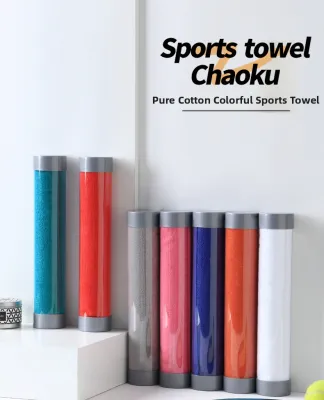
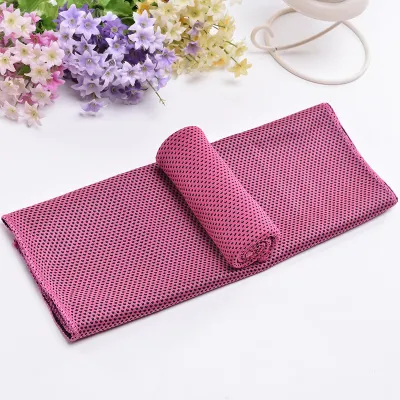
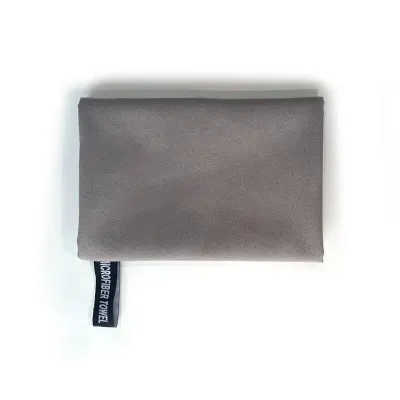
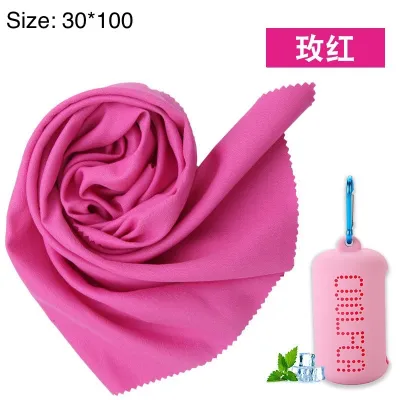
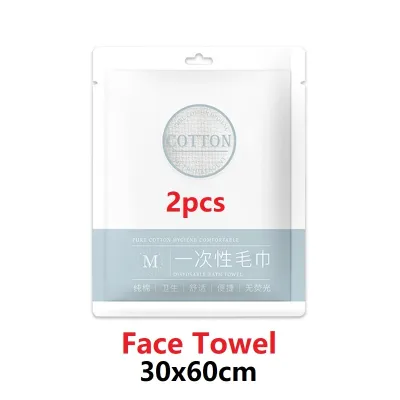
![[✅SG Ready Stock] Sports Travel Disposable Towels Set - Bath Towel Face Towel Thickened Compressed Pure Cotton Absorbent Large Towel for Swimming Pool Swim Gym Fitness Yoga Beach Golf Camping Exercise Men Women Essentials 一次性浴巾](https://img.lazcdn.com/g/p/dad4debacb954187cb4442268bfc52f4.jpg_400x400q80.jpg_.webp)
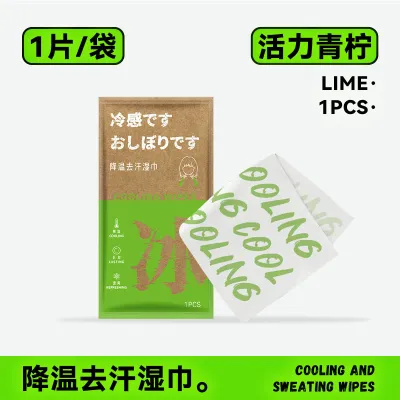
![[SG Stock]Disposable Cooling Towel | Instant Cool Sweat & Dirt Removal Non-Sticky Quick Dry for Outdoor & Sports凉感毛巾](https://img.lazcdn.com/g/p/269b0c1a9d6ebcb2f23211f8fefff4c5.png_400x400q80.png_.webp)
Prices are valid at publication and may change. Please refer to the product page for the latest price.
During a swing, the grooves on your clubface are designed to channel away moisture and grass, allowing the club to make clean contact with the ball. If these grooves are packed with soil, sand, or morning dew, the ball can slide up the face, resulting in a loss of spin, unpredictable trajectories, and reduced distance. For a beginner working on establishing a consistent swing, this added variability makes learning much more difficult.
Furthermore, moisture on your hands or club grips can cause the club to slip mid-swing, leading to mis-hits or even lost clubs. In humid climates, such as Singapore, sweat is a constant challenge that requires frequent drying. A dedicated towel provides a reliable way to maintain a secure grip, allowing you to swing with confidence.
Given that you will likely use your towel dozens of times during a typical eighteen-hole round, it needs to be highly accessible and durable. Standard household towels lack the structural integrity and attachment options required for this level of use. Investing in a dedicated golf towel ensures you have a reliable tool that remains attached to your bag and performs consistently throughout your round.
Key Features to Evaluate When Choosing a Golf Towel
Selecting the right golf towel involves analyzing how its design matches your playing style and bag setup. Rather than choosing the first option you see, you should evaluate three primary decision pillars: physical dimensions, material properties, and attachment security. Balancing these factors will help you find a towel that offers maximum cleaning efficiency without adding unnecessary bulk to your gear.

Size, Shape, and Coverage
The physical dimensions and shape of a golf towel dictate how much surface area you have for cleaning and how the towel hangs on your bag. Standard rectangular towels are highly common, but you will also encounter tri-fold, waffle-weave, and multi-panel designs. Each shape offers distinct advantages depending on how you prefer to organize your gear and access your towel during play.
Tri-fold towels are particularly popular among golfers who prefer a neat, streamlined appearance. These towels are folded into three sections and secured at the top, which minimizes the width of the towel as it hangs from your bag. This design keeps the towel compact, preventing it from flapping in the wind or getting caught on other accessories, while still providing ample surface area when unfolded.
Larger rectangular towels offer the maximum possible surface area, which is highly beneficial on wet days or when playing on muddy courses. However, the trade-off is added bulk and weight, especially when the towel absorbs water. A very large towel can also drag on the ground or dip into wet grass when you set your bag down, leading to unnecessary dirt accumulation.
When evaluating size, consider the minimum length required to reach the ground or your hands comfortably when the towel is clipped to your bag. If you use a stand bag that sits at an angle on the turf, a towel that is too long may drag, while one that is too short will require you to bend over awkwardly or unclip it constantly. A length of approximately 50 to 60 centimeters is generally considered optimal for most stand and cart bags.
Material, Texture, and Absorbency
The fabric of your golf towel directly influences how quickly it absorbs moisture and how effectively it removes stubborn dirt from your clubs. Microfiber and cotton blends are the two most common materials used in modern golf towels, each offering unique performance characteristics. Understanding these differences is key to choosing a fabric that suits your local climate and playing conditions.
Microfiber is highly regarded in the sports world for its exceptional moisture retention and rapid drying speed. Microfiber split-weave fibers are incredibly fine, allowing them to trap dirt and absorb several times their weight in water without feeling heavy or soggy. This material is also highly durable and resists mildew, making it an excellent choice for humid environments where gear struggles to dry.
Cotton blends, on the other hand, offer a classic feel and excellent initial absorbency. However, cotton tends to hold onto moisture longer than microfiber, which can result in a heavy, damp towel if you play in wet weather or heavy morning dew. Cotton towels also tend to wear out faster and can become stiff after repeated wash cycles.
To clean club grooves effectively, look for a towel with a textured surface, such as a waffle pattern or an integrated scrubbing patch. The raised ridges of a waffle-weave towel act as gentle scrapers, lifting dirt and grass out of the grooves without scratching the polished finish of your clubs. Avoid overly abrasive materials or harsh synthetic fibers, as these can damage delicate clubheads, particularly those with matte or painted finishes.
Attachment Mechanisms and Accessibility
A golf towel is only useful if it remains secure and easily accessible throughout your round. If your towel falls off your bag or is difficult to reach, you will likely stop using it, compromising your grip and club cleanliness. Common attachment mechanisms include carabiner clips, magnetic attachments, grommet holes, and hook-and-loop straps.
Carabiner clips are the most common and reliable fastening method. They clip securely to the towel ring on your golf bag, ensuring the towel cannot fall off even when walking over rough terrain or transporting your bag in a vehicle. The main drawback is that you must unclip the entire towel if you want to carry it to the green, which can be tedious.
Magnetic attachments have gained popularity because they allow you to detach the towel instantly with a simple pull. These systems use a strong magnet attached to the towel that sticks to a metal plate on your bag or the metal frame of a golf cart. While highly convenient, you must verify that the magnet is strong enough to hold the weight of a wet towel and will not easily brush off when walking.
Grommet holes are simple metal-reinforced rings that allow you to hang the towel over a clubhead or thread a strap through it. While durable, they offer less flexibility than carabiners or magnets. Hook-and-loop straps are lightweight and quiet, but they can collect grass and debris over time, reducing their holding power. Consider where you plan to attach the towel on your bag to ensure it does not block access to your pockets or clubs.
Building Your Shortlist: Matching Towel Profiles to Your Needs
To simplify your buying decision, it helps to match your typical playing conditions and habits to a specific towel profile. Beginners often play in diverse environments, from early morning tee times with heavy dew to hot, humid afternoons. By identifying which scenario best describes your routine, you can narrow down your options to the most practical choices.
If you frequently play in wet climates, during early morning hours, or in areas with high humidity, focus on the Wet Climate or Morning Dew profile. For these conditions, prioritize high-absorbency, quick-dry microfiber towels. You might also consider carrying two smaller microfiber towels rather than one large one; this allows you to keep one dry for your hands and grips while using the other to clean wet grass and mud from your clubs.
For players who prioritize club maintenance and clean grooves above all else, the Utility-Focused profile is the ideal match. Look for dual-texture towels that feature a soft microfiber side for drying and a dedicated, heavy-duty scrubbing patch or waffle pattern for removing packed dirt. Ensure the towel has a secure carabiner clip, as you will be pulling and tugging on it frequently to clean your irons after turf contact.
If you prefer a clean, uncluttered bag or primarily ride in a golf cart, the Minimalist or Cart-Path profile is highly suitable. Focus on compact, tri-fold designs that take up minimal space. A magnetic attachment is highly beneficial here, as you can easily stick the towel to the metal struts of the golf cart, keeping it at eye level and ready for use after every shot without needing to walk back to your bag.
Regardless of which profile fits your style, always check the manufacturer’s specifications and product labels before making a purchase. Verify the exact material composition, dimensions, and care instructions to ensure the towel meets your expectations. Taking the time to match these specifications to your actual playing habits will prevent you from buying a towel that is either too bulky or insufficient for your needs.
Care and Maintenance for Longevity
Proper care and maintenance are essential to preserve the absorbency, texture, and hygiene of your golf towel over time. Because these towels are exposed to soil, grass stains, sweat, and chemical fertilizers used on the course, they require regular cleaning. Failing to wash them correctly can ruin the fibers and drastically reduce their performance.
When washing your golf towel, always follow the general guidelines provided by the manufacturer. As a rule, avoid using fabric softeners or bleach. Fabric softeners leave a thin, chemical coating on the fibers, which clogs the micro-gaps in microfiber and cotton, severely reducing their ability to absorb water. Bleach can degrade synthetic fibers and fade the colors of your towel.
It is highly recommended to separate heavily soiled golf towels from your regular household laundry. Golf towels often carry abrasive sand particles, grass stains, and outdoor allergens that can transfer to your clothing or delicate fabrics during a wash cycle. Running them in a separate, small load with a mild, liquid detergent is the best way to prevent cross-contamination.
For drying, air drying is the safest and most effective method to protect the structural integrity of microfiber and specialized scrubbing textures. If you must use a dryer, select a low-heat or tumble-dry setting. High heat can melt the ultra-fine synthetic fibers in microfiber towels, causing them to lose their softness and scrubbing efficiency.
Frequently Asked Questions (FAQ)
Can I use a regular gym towel for golf?
While you can technically use a regular gym towel, it is not recommended for regular golf use due to several practical limitations. Gym towels typically lack secure, built-in attachment mechanisms like carabiners or magnets, meaning you will have to drape them over your clubs, where they can easily fall off and get lost on the course. Additionally, standard gym towels are often made of thick terry cloth cotton, which absorbs and retains a large amount of water, making the towel heavy, soggy, and slow to dry during a round. They also lack the textured surface or waffle weave necessary to scrub dirt and grass out of club grooves effectively.
How many towels should a beginner carry in their golf bag?
As a baseline, a beginner should carry at least one primary, larger towel dedicated to cleaning clubfaces and wiping down grips. This towel should have a textured side for dirt removal and a softer side for drying. If you play in wet weather, high humidity, or early morning dew, it is highly beneficial to add a second, smaller towel to your bag. This second towel should be kept completely dry and used exclusively for wiping your hands and the grips of your clubs, ensuring you maintain a secure hold on the club throughout your round.
Are magnetic golf towels safe for all golf bags?
Magnetic golf towels are generally safe, but you should exercise caution depending on how you organize your gear. The strong magnets used in these towels can potentially interfere with sensitive electronic devices, such as rangefinders, GPS watches, or smartphones, if they are stored in adjacent pockets close to the magnet. Before using a magnetic towel, check your bag’s pocket layout to ensure your electronics are kept at a safe distance. Additionally, verify that your bag has a suitable metal attachment point or that the fabric is thin enough to allow the magnet to hold securely when the towel is wet and heavy.

Community discussion
Share your experience or ask a question. Comments are reviewed before publication.