
Angling in Singapore offers a rewarding escape, whether you are casting a line from a coastal jetty or waiting for a bite along a reservoir bank. However, the tropical climate presents a dual challenge: intense, direct sunlight and sudden, heavy downpours. For beginner anglers, managing a fishing rod, tackle box, and bait while trying to hold a traditional umbrella is nearly impossible. An umbrella hat serves as a highly practical, hands-free solution that keeps you shielded from the elements. The best umbrella hats for beginners in Singapore are lightweight, double-canopy models equipped with adjustable headbands, secure chin straps, and verified ultraviolet protection. By prioritizing these structural features, novice fishers can maintain their focus on mastering casting techniques and handling fish safely without constantly battling the weather.
Why Beginner Anglers Need Hands-Free Weather Protection
When you are learning to tie knots, bait hooks, and cast, your hands must be completely free. Holding a traditional umbrella or trying to wedge one into a chair mount is clumsy and unreliable. An umbrella hat sits securely on your head, moving naturally as you turn your gaze, ensuring your hands remain dedicated to your gear.
Standard baseball caps or even wide-brimmed bucket hats often leave the back of the neck, ears, and shoulders exposed to angled sunlight. This is especially true during early afternoon sessions when the sun reflects off the water’s surface. A properly sized umbrella hat provides a wide perimeter of shade, significantly reducing direct skin exposure.
Products mentioned in this guide

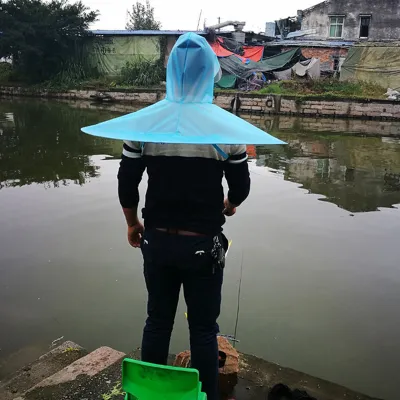
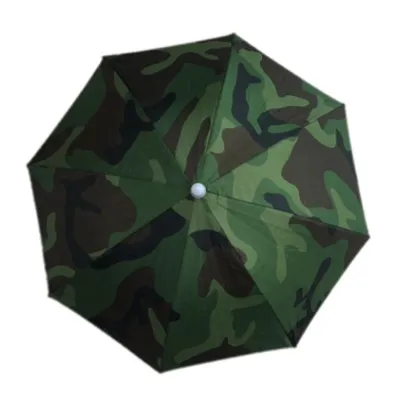
![[SG FREE ] Portable Outdoor Sports Hat Folding Umbrella Headwear Umbrella Hats Cap Hands Free For Fishing Hiking Beach](https://img.lazcdn.com/g/p/da5f2e660c90bd3489dacae41164ca2e.jpg_400x400q80.jpg_.webp)
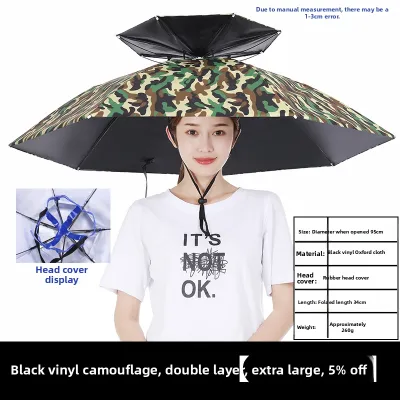
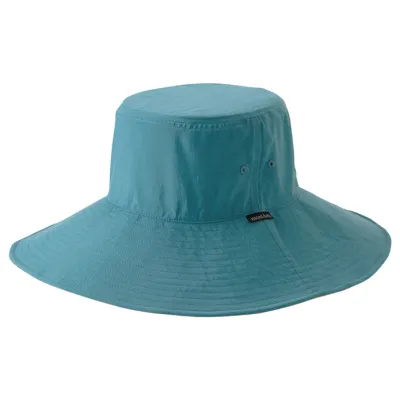
Prices are valid at publication and may change. Please refer to the product page for the latest price.
Constantly wiping sweat from your brow or adjusting a slipping cap distracts from the subtle vibrations of a fish biting your bait. By creating a personal canopy of shade, these hats lower the perceived temperature around your face, allowing you to stay patient and focused during long waiting periods.
Key Features to Evaluate in an Entry-Level Umbrella Hat
When browsing online marketplaces or local outdoor stores, it is easy to be overwhelmed by dozens of seemingly identical options. To find a reliable entry-level model, you must evaluate three primary categories: coverage area, physical comfort, and structural durability.

Relying solely on promotional images can be highly misleading. Photos often fail to convey the actual weight of the frame, the texture of the headband, or the flexibility of the ribs. Understanding how to read the technical specifications is crucial to avoiding a flimsy product that collapses at the first sign of a breeze.
Canopy Size and Sun Protection Labels
The diameter of the canopy determines your level of protection. For most adult anglers, a diameter between 65 and 80 centimeters strikes the ideal balance between adequate coverage and manageable wind resistance. A canopy that is too small will leave your shoulders exposed, while an excessively large one becomes difficult to balance.
Do not assume that dark or thick fabrics automatically block harmful ultraviolet rays. Look for manufacturer-stated UPF (Ultraviolet Protection Factor) ratings, such as UPF 50+, on the product specifications. This rating indicates that the fabric has been treated or woven specifically to block a high percentage of UVA and UVB radiation.
Pay close attention to the underside of the canopy. A silver or reflective inner lining is highly beneficial for tropical fishing. This coating helps reflect heat away from your head and minimizes the glare bouncing off the water, which can otherwise cause eye strain during extended sessions.
Weight, Balance, and Headband Comfort
Because the hat rests directly on your head, every gram matters. Heavy metal frames can quickly cause neck fatigue or headaches. Look for lightweight materials like fiberglass or reinforced plastics in the rib construction to ensure the hat remains comfortable for hours.
The headband is the only part of the hat in direct contact with your skin. In high-humidity environments, a cheap plastic band will trap sweat, leading to skin irritation and slippage. Prioritize headbands made from breathable, moisture-wicking fabrics or soft elastics that can be easily washed after a sweaty day outdoors.
A secure fit is essential, but it should not come at the cost of comfort. Look for adjustable elastic bands or dial-fit systems that distribute pressure evenly around your skull. Avoid models with rigid, non-adjustable plastic bands that pinch or leave painful indentations on your forehead.
Wind Resistance and Structural Durability
Coastal jetties and open reservoirs are prone to sudden gusts of wind. Standard umbrella ribs made of thin wire can easily bend or snap, rendering the hat useless. Opt for flexible fiberglass ribs that can bend slightly under wind pressure and spring back into shape without breaking.
A double-layered or vented canopy is one of the most effective features for wind resistance. The small gap between the upper and lower layers allows trapped air to escape, preventing the hat from acting like a sail and pulling upward against your neck.
Never purchase an umbrella hat for fishing without a secure chin strap or tether. A sudden gust can easily lift the hat off your head and send it floating into the water. An adjustable drawstring chin strap keeps the hat firmly anchored, even when you are moving your head rapidly to track a catch.
Adapting to Singapore's Fishing Conditions
Singapore’s tropical climate means you will be sweating almost constantly, even when stationary. A closed, non-vented umbrella hat can trap hot air around your head, creating a mini-greenhouse effect. Choosing a model with a wide ventilation gap between the headband and the canopy is essential to promote continuous airflow and keep your head cool.
Rainstorms can develop rapidly in Singapore, turning a sunny afternoon into a torrential downpour within minutes. Your umbrella hat must feature a highly water-resistant canopy with sealed or taped seams. Check that the fabric is rated for water resistance so that moisture does not seep through the stitching and drip onto your face.
Fishing spots like coastal jetties or the banks of open reservoirs are notoriously windy. Without a proper aerodynamic profile and a tight chin strap, the wind can exert significant leverage on the hat, straining your neck muscles. Ensuring your hat has a low-profile dome shape and a reliable tensioner on the chin strap is vital to prevent physical strain and potential injury.
How to Build Your Shortlist and Verify Before Buying
When searching on online marketplaces, use specific search terms like “adjustable fishing umbrella hat” or “UV protection double canopy umbrella hat.” Filter the results to exclude generic party novelty hats, which are often made of cheap, non-waterproof materials and lack proper headbands.
Look past the overall star rating and read the detailed feedback from buyers who have used the product in real-world outdoor conditions. Search for keywords like “wind,” “comfort,” “sweat,” and “sun.” Pay attention to reviews that mention how well the elastic holds up over time and whether the metal joints rust quickly.
Once your hat arrives, perform a thorough quality check before taking it to the water. Open and close the canopy several times to ensure the mechanism operates smoothly without catching. Inspect the stitching where the fabric attaches to the ribs, as this is a common failure point, and check for any strong chemical odors that might indicate low-quality fabric treatments.
Practical Tips for Wearing and Maintaining Your Umbrella Hat
Always handle the opening and closing mechanism with care. Pulling the cord or pushing the runner too forcefully can bend the delicate ribs or tear the fabric near the top hub. Follow the manufacturer’s instructions closely, ensuring the locking pin or button is fully engaged before placing the hat on your head.
Saltwater is highly corrosive to metal joints, and reservoir water can carry mud and organic matter that promotes mold growth. After every fishing trip, rinse the entire hat thoroughly with clean, fresh tap water. Open the canopy fully and allow it to air dry completely in a shaded, well-ventilated area before folding it away.
Store your dry, collapsed umbrella hat in a cool, dark cupboard or gear bag. Avoid leaving it in the trunk of a hot car or in direct sunlight on a balcony, as extreme heat and prolonged UV exposure will degrade the elastic headband, weaken the plastic joints, and cause the water-resistant coating to peel.
Frequently Asked Questions (FAQ)
Can I use a regular umbrella instead of an umbrella hat for fishing?
While a regular handheld umbrella provides excellent coverage, it is highly impractical for active angling. You need both hands to cast your line, manage the reel, tie knots, and handle slippery fish safely. Attempting to hold an umbrella while performing these tasks is frustrating and increases the risk of dropping your expensive fishing gear or losing your catch.
Are umbrella hats suitable for night fishing?
Umbrella hats are generally not recommended for night fishing sessions. Since sun protection is unnecessary after dark, the extra weight and bulk of the canopy offer no benefit and only serve to restrict your field of vision. For night fishing, a lightweight headlamp, a standard cap with integrated LED clip-on lights, or a neck light is a much safer and more practical choice to keep your hands free and your surroundings illuminated.

Community discussion
Share your experience or ask a question. Comments are reviewed before publication.