
Choosing a yoga block brand in Singapore requires balancing your current practice level, physical needs, and the local tropical climate. While many brands market their products as universally suitable, the reality is that a block’s material, density, and structural integrity must align with your specific stage of practice. Beginners often require the forgiving cushioning of lightweight foam blocks to assist with basic alignment, whereas intermediate and advanced practitioners need the uncompromising stability of high-density cork or wood blocks for weight-bearing poses and inversions. By understanding how to evaluate these physical specifications, you can select a brand that supports your practice safely and effectively.
Understanding Material, Density, and Size Trade-Offs
Yoga blocks are not uniform utility items; their performance depends heavily on their material composition. The most common materials available in Singapore are ethylene-vinyl acetate (EVA) foam, natural cork, bamboo, and traditional hardwoods. Each material presents distinct trade-offs in terms of grip, weight, durability, and comfort.
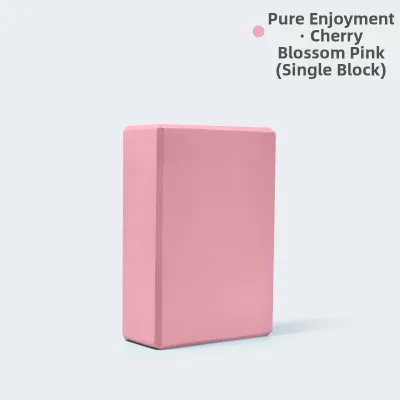
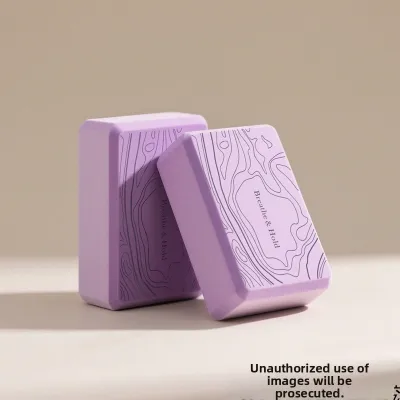
EVA foam blocks are highly popular due to their lightweight nature and budget-friendly pricing, typically ranging from S$10 to S$25. They provide a soft, forgiving surface that is comfortable under sensitive joints, such as the knees or sacrum. However, foam blocks are prone to compression under heavy loads and can become slippery when exposed to sweat, which is a significant consideration in Singapore’s humid environment.
Products mentioned in this guide
![[✅Sg Ready Stock] Yoga Block Brick RectangularHigh Density 200gram](https://img.lazcdn.com/g/p/c37c451a612d50ff7a0349e72a1d8116.jpg_400x400q80.jpg_.webp)
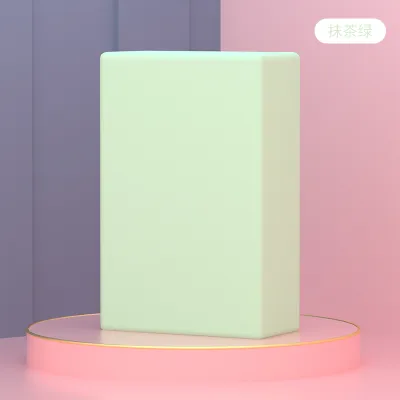
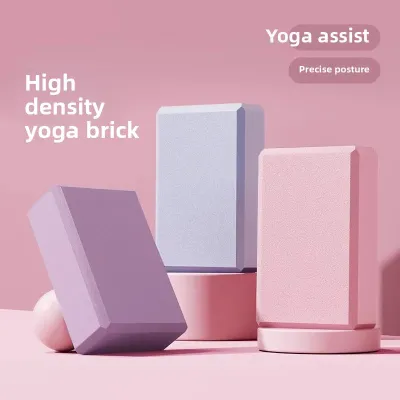
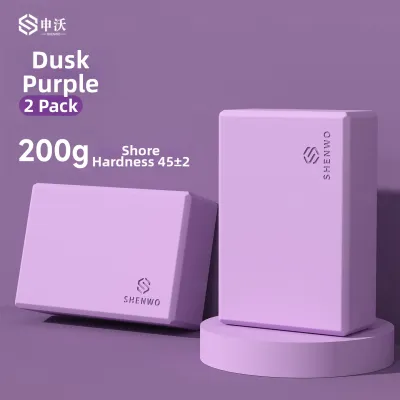
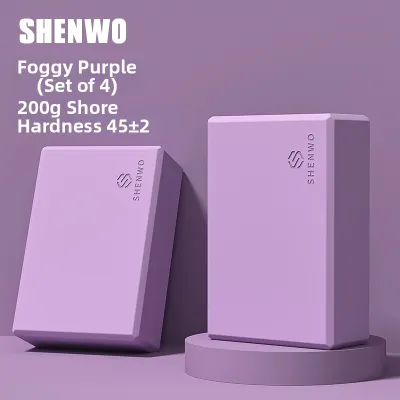
Prices are valid at publication and may change. Please refer to the product page for the latest price.
Cork blocks offer a middle ground, providing a firmer, more stable platform than foam. Natural cork possesses inherent non-slip properties that actually improve when slightly damp, making it highly suitable for sweaty practices. The trade-off is weight; cork blocks are noticeably heavier than foam, making them less convenient to carry in a daily commute bag, and they can feel uncomfortably hard against bony prominences during restorative poses.
Bamboo and wooden blocks represent the most rigid and durable options. They provide absolute stability and do not compress under any amount of body weight, making them excellent for precise alignment. However, they are heavy, lack cushioning, and can be quite expensive. They also require textured finishes to prevent slipping on polished studio floors.
Density and firmness are critical metrics that dictate a block’s stability. High-density blocks resist deformation, ensuring that your wrists and ankles remain properly aligned during weight-bearing exercises. Low-density blocks, while comfortable for passive stretching, can warp under pressure, potentially leading to joint strain.
Standard dimensions for a yoga block are typically 9 x 6 x 4 inches (approximately 23 x 15 x 10 cm). However, brands also offer travel sizes, which are thinner (around 3 inches or 7.5 cm), and oversized blocks for larger body frames. Edge-beveling is another crucial design feature; rounded or chamfered edges reduce pressure points on the palms and fingers, significantly improving comfort during prolonged weight-bearing holds.
Matching Block Features to Beginner, Intermediate, and Advanced Needs
As your yoga practice evolves, the physical demands you place on your equipment change. Matching the features of a yoga block to your skill level is essential for both safety and progressive skill development.

For beginners, the primary goal is to bridge the gap between the body and the floor safely. Tight hamstrings, hips, and shoulders often make standard poses difficult to access without compromising spinal alignment. Beginners should look for brands that offer high-quality, high-density EVA foam blocks. These blocks are lightweight enough to reposition quickly during transitions and soft enough to prevent bruising or discomfort if you lose your balance and land on them. The forgiving nature of foam allows beginners to focus on learning correct posture without the distraction of joint pain.
Intermediate practitioners typically begin exploring deeper stretches, longer holds, and moderate weight-bearing poses, such as Half Moon Pose (Ardha Chandrasana). At this stage, transitioning to a firmer foam block or a lightweight cork block is highly recommended. As you hold poses longer, a block that compresses even slightly can cause micro-instability in the supporting ankle or wrist, leading to fatigue or minor strains. A firmer block provides the reliable feedback your nervous system needs to find balance and build strength.
Advanced practitioners require equipment that can support their full body weight in complex inversions and arm balances, such as Crow Pose (Bakasana) or handstand variations. For these intense applications, high-density cork or solid wood blocks are the safest choice. These materials do not yield under concentrated pressure, ensuring that the angle of your wrist remains stable and protected. The substantial weight of cork and wood blocks also acts as a secure anchor, preventing the block from tipping over when you shift your center of gravity.
Regardless of your level, you must verify the load-bearing capacity of the block if you plan to use it for full weight-bearing exercises. If a brand does not specify a weight limit or density rating for its foam blocks, avoid using them for advanced arm balances and stick to cork or wood instead.
A Practical Checklist for Evaluating Yoga Block Brands
When shopping for yoga blocks in Singapore, you will encounter numerous brands claiming to offer the highest quality. To make an objective decision, use this structured checklist to evaluate any brand before purchasing.
First, verify the material composition and safety certifications. For foam blocks, look for brands that explicitly state their products are non-toxic, non-plasticized, and free from harmful chemicals like phthalates, heavy metals, and BPA. Certifications such as OEKO-TEX or SGS testing reports provide independent verification of these claims. For cork and wood blocks, check if the brand sources its materials from sustainably managed forests, often indicated by Forest Stewardship Council (FSC) certification.
Second, examine the manufacturer’s specifications for density and weight. A high-quality cork block should typically weigh between 700 grams and 1 kilogram. If a cork block feels unusually light, it may be made of low-density composite cork shavings bound with excessive synthetic glue, which is prone to crumbling over time. For foam blocks, look for “high-density” or “closed-cell” designations, which indicate better resistance to moisture absorption and structural deformation.
Third, assess the physical construction of the block. Inspect the edges to ensure they are deeply beveled rather than sharply cut. Check customer reviews specifically for feedback regarding long-term edge wear. Low-quality foam blocks often suffer from permanent indentations or chunking at the corners, while cheap cork blocks may begin to flake or shed small particles after a few months of regular use.
Finally, review the brand’s warranty and return policies. Reputable brands often provide a warranty against manufacturing defects, such as splitting wood or crumbling cork. A brand that stands behind its product durability is generally a safer investment, especially when purchasing premium materials that cost upwards of S$40 per block.
Buying Yoga Blocks in Singapore: Channels and In-Store Checks
Singapore offers several avenues for purchasing yoga blocks, ranging from specialized local boutiques to large-scale sports retailers and online marketplaces. Each channel has its advantages and distinct verification steps.
Purchasing from official brand stores or specialized yoga boutiques ensures authenticity and access to knowledgeable staff who can explain material specifications. Specialized sports retailers often carry a range of mid-tier to premium brands, allowing you to compare different materials side-by-side. General e-commerce platforms and online marketplaces offer the widest variety and competitive pricing, but they require extra vigilance to avoid counterfeit products or low-quality imitations that do not meet safety standards.
If you are buying in person, perform these physical checks to ensure the block is suitable for your practice:
- The Grip Test: Rub your palm firmly across the surface of the block. It should feel slip-resistant. To simulate a sweaty practice, apply a tiny drop of water to your hand and press down on the block. If your hand slides easily, the material may not be safe for dynamic or hot yoga sessions.
- The Compression Test: Press your thumb firmly into the center of a foam block. A high-density block should resist deep indentation and spring back to its original shape immediately. If your thumb leaves a lasting impression or sinks in easily, the block lacks the structural integrity required for weight-bearing support.
- The Odor Check: Sniff the block closely. Low-quality synthetic foam blocks often emit a strong, chemical chemical smell (volatile organic compounds or VOCs). This off-gassing can be highly distracting and unpleasant during breathing exercises or restorative poses where your face is close to the block.
Additionally, consider Singapore’s highly humid climate. High humidity promotes the growth of mold and mildew on organic materials. If you choose cork or wood, ensure you have a well-ventilated storage area at home. Closed-cell foam blocks are completely moisture-resistant, making them highly practical for humid conditions and easy to sanitize, though they lack the premium feel and natural traction of cork.
Frequently Asked Questions (FAQ)
How do I clean and maintain cork versus foam yoga blocks?
To clean foam yoga blocks, wipe them down after each session with a soft cloth dampened with water and a few drops of mild dish soap. Avoid using harsh chemical cleaners, bleach, or abrasive scrubs, as these can degrade the synthetic material and ruin the surface texture. Never submerge foam blocks in water, as moisture can get trapped in tiny crevices. Allow them to air dry completely in a shaded, well-ventilated area away from direct sunlight, which can cause the foam to fade and become brittle.
For cork yoga blocks, use a very lightly damp cloth with plain water or a highly diluted white vinegar solution. Cork contains natural antimicrobial compounds that resist mold, so heavy chemical sanitizers are unnecessary. Do not saturate or submerge cork blocks, as excess water will weaken the binding agents and cause the cork to crumble. Always allow cork blocks to dry thoroughly in an open space before packing them into a closed bag or cupboard, especially in Singapore’s humid climate.
Can I use two different types of yoga blocks in the same session?
Yes, you can use different types of blocks in a single session, provided you use them for different purposes. For example, you might use a firm cork block under your hands for stability in standing balance poses, and a softer foam block under your hips or head for comfort during restorative poses at the end of class.
However, if you are using two blocks simultaneously to support symmetrical alignment—such as placing one under each hand in a forward fold or under each knee in a seated bound angle pose—they must be identical. Using blocks of different heights, widths, or densities will create an uneven foundation, leading to asymmetrical joint loading, muscle strain, and a compromised posture.

Community discussion
Share your experience or ask a question. Comments are reviewed before publication.