
Finding the best yoga mat strap for your practice depends on your mat’s physical specifications, your commute environment, and how much moisture the strap must endure. Instead of looking for a single universal winner, you should evaluate brands based on their material durability, closure mechanisms, and carrying comfort. A strap that works perfectly for a lightweight travel mat may fail completely when paired with a heavy natural rubber mat.
Commuting to a local studio via public transit or walking through humid outdoor stretches means your carrying gear must handle sweat, sudden downpours, and crowded spaces. A strap that slips off a damp mat or absorbs sweat without drying quickly will quickly become a liability. By analyzing your mat’s weight, your preferred yoga style, and your transit habits, you can identify the exact strap specifications required to keep your gear secure and your hands free.
Investing in the right strap also extends the lifespan of your yoga mat. A secure, well-designed strap prevents your mat from unrolling unexpectedly, protecting the edges from fraying and keeping the surface clean from dirt and debris. By choosing a strap that matches your specific routine, you ensure a seamless transition from your home to the studio.
Products mentioned in this guide
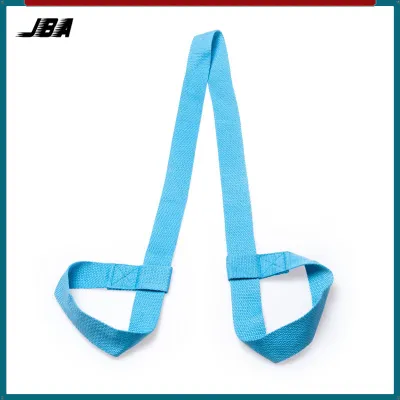
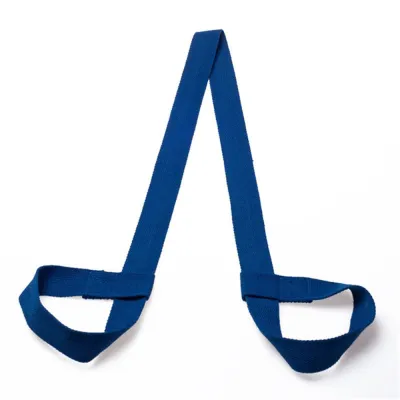
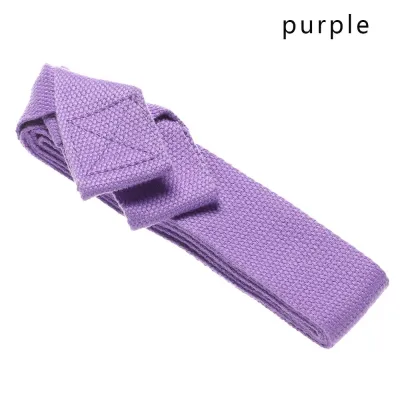

Prices are valid at publication and may change. Please refer to the product page for the latest price.
Assess Your Mat Weight, Practice Style, and Commute
Before comparing different brands, you must evaluate the physical dimensions and weight of your yoga mat. Heavy mats, such as 4mm to 6mm natural rubber options that often weigh over 3kg, exert significant downward force when carried. A thin, unpadded strap will cut into your shoulder under this weight, making even a short walk uncomfortable. Conversely, lightweight travel mats under 1.5kg require far less structural support, allowing you to prioritize minimalist, highly packable designs.
Your practice style directly dictates the material requirements of your strap. If you practice hot yoga, Vinyasa, or high-intensity power flows, you will roll up your mat while it is still damp with sweat. This moisture transfers directly to the strap. Materials like untreated cotton can absorb this sweat, leading to bacterial growth, persistent odors, and fabric degradation in warm, humid climates. Synthetic webbing or treated water-resistant materials are much better suited for these high-moisture environments.
Your daily commute method is the final critical factor in your assessment. Walking or taking public transit in humid weather requires a strap that keeps the mat tight against your body to prevent it from swinging and bumping into other commuters. A bulky, fully enclosed mat bag can feel suffocating and trap heat against your back during outdoor walks. A streamlined, breathable strap or sling keeps your back clear, allows air circulation, and lets your mat air out naturally after class.
Core Design Features to Compare Across Brands
When evaluating different brands, start by comparing the strap width and the presence of shoulder padding. Standard utility straps are typically 3.8cm wide, which is sufficient for light mats but inadequate for heavier loads. Brands that design for comfort offer wider straps of 5cm or include integrated shoulder pads. Look for padding made of closed-cell foam or breathable mesh, which distributes weight evenly across your collarbone without absorbing sweat.

Next, analyze the closure and securing mechanisms used by different brands. Elastic loops offer quick, slip-on convenience but can lose their tension over time or slip on wet, high-grip mat surfaces. Velcro closures are highly adjustable but can snag delicate activewear fabrics like nylon-spandex blends during transport. Slip-through buckles or metal D-rings are highly secure and adjust to any mat thickness, though they require a few extra seconds to thread and tighten before you can walk.
Finally, consider additional utility features like integrated pockets for keys, transit cards, or wet wipes. While these features add convenience, they can also add unnecessary bulk and shift the center of gravity of your carried mat. If a strap features storage pockets, verify that they are positioned flat against the strap and do not cause the mat to swing or sag when loaded with your personal items.
Matching Strap Designs to Your Yoga Routine and Transit
Selecting the right strap requires balancing your physical comfort with the practical realities of your daily schedule. Different yoga routines and transit methods demand distinct strap configurations to ensure your gear remains secure and easy to carry. By matching your specific profile to the correct design, you avoid the frustration of a strap that is either too bulky or lacks the necessary support.
Minimalist slings are excellent for quick trips and light gear, but they offer no protection against sudden weather changes. On the other hand, full-featured carriers with integrated storage provide excellent utility but can be cumbersome to pack away inside a small studio locker. Understanding these trade-offs helps you narrow down your choices to the designs that truly support your lifestyle.
Hot Yoga and High-Frequency Studio Commuters
For those who attend hot yoga sessions multiple times a week, moisture management is the primary concern. You should prioritize straps made from moisture-wicking, quick-dry synthetic materials like polyester or nylon webbing. These materials resist water absorption, dry rapidly after exposure to sweat, and can be easily wiped clean with a damp cloth to prevent odor buildup between washes.
Slippery, damp mats require a strap with high-tension securing mechanisms to prevent the mat from sliding out during your commute. Look for brands that utilize mechanical cinch designs, such as metal D-rings, which naturally tighten under the weight of the mat itself. Avoid simple elastic loops that can stretch out when wet, as they may allow a damp mat to slowly slip loose while you are walking.
Streamlined, lightweight designs are ideal for navigating crowded public transit systems in warm weather. A simple sling keeps the rolled mat parallel to your body, minimizing its profile and preventing it from catching on turnstiles or bumping into other passengers. This minimalist approach also ensures the strap does not trap excess body heat against your shoulder or back during your walk to the studio.
Restorative Practice and Heavy Mat Owners
Practitioners of restorative or Yin yoga often prefer thick, heavy mats to provide maximum cushioning for joints during long-held poses. Carrying these substantial mats requires a strap designed specifically for load distribution. Look for brands that offer wide, heavily padded shoulder straps to prevent the webbing from digging into your shoulder muscles during longer walks.
Heavy mats also demand robust hardware and construction to withstand constant tension. Verify that the strap features heavy-duty hardware, such as reinforced metal buckles or high-density polymer adjusters, rather than thin plastic clips. Examine the stitching at key stress points, particularly where the loop meets the main strap, to ensure it features double-stitching or box-stitching for long-term durability.
Because thick mats have a much larger rolled circumference, you must ensure the strap offers sufficient adjustable length. A strap with limited loop expansion will not fit around an 8mm or 10mm mat, rendering it useless. Choose a brand that specifies a wide range of adjustment, allowing you to secure a thick mat tightly while still leaving enough strap length to wear comfortably across your chest.
How to Verify Brand Quality and Durability Claims
To avoid purchasing a strap that fails after a few weeks of use, you must learn to verify brand quality claims independently. Do not rely on vague marketing terms like “heavy-duty” or “premium quality.” Instead, look for specific material compositions in the product description, such as “1000D nylon,” “organic cotton canvas,” or “shatter-resistant polyacetal buckles.” Specific material listings indicate a higher standard of manufacturing.
User reviews and photos are invaluable resources for verifying durability. Search online marketplaces and review sections for feedback regarding long-term wear. Look specifically for reports of elastic degradation, fraying edges, or buckle snapping. Photos uploaded by other buyers can reveal whether the fabric begins to pill or if the color bleeds when exposed to sweat or rain.
Finally, review the brand’s return policy and warranty coverage as indicators of product confidence. Brands that stand behind their manufacturing quality often offer straightforward return windows or warranties against hardware defects. Responsive customer service channels, such as live chat or dedicated support emails, are also crucial if you need to address a manufacturing defect or request a replacement part.
Building Your Purchase Shortlist
When you are ready to buy, start by setting a realistic budget. High-quality, durable yoga mat straps typically range from S$15 to S$40, depending on the materials and features. Filter your options on official brand websites or reputable e-commerce platforms, keeping your specific material and hardware requirements in mind to narrow down the candidates.
Before checking out, cross-reference the strap’s stated maximum mat thickness and length limits with your actual mat dimensions. Roll your mat tightly and measure its circumference with a tape measure to ensure it falls well within the strap’s adjustment range. This simple step prevents the inconvenience of purchasing a strap that is too short to secure your specific mat.
Lastly, verify the shipping times and local return conditions for your selected retailer. Choosing a seller with clear, local return policies ensures you can easily exchange the strap if it does not meet your expectations upon arrival. Checking for the availability of matching accessories or replacement parts can also help you get the most value out of your purchase over time.
Frequently Asked Questions (FAQ)
Will a standard carrying strap fit an extra-thick or oversized yoga mat?
Standard carrying straps are designed to fit typical mats ranging from 3mm to 6mm in thickness. To determine if a strap will fit an extra-thick mat, roll your mat tightly and wrap a measuring tape around the roll to find its circumference. Compare this measurement to the maximum loop capacity specified by the strap manufacturer. If your mat’s rolled circumference exceeds the strap’s limit, the loops will not close securely, and you should look for specialized extra-long straps or adjustable mat bags.
How should I clean my yoga mat strap after a sweaty session?
For synthetic straps made of nylon or polyester, wipe them down with a damp cloth and mild soap after use, then allow them to air-dry completely. For fabric straps like cotton, hand-wash them in cold water with a gentle detergent to prevent shrinkage and preserve the fibers. Avoid using harsh chemicals, bleach, or fabric softeners, which can degrade the materials or damage elastic components. Always air-dry your strap in a shaded, well-ventilated area; never tumble dry or expose it to direct, intense sunlight, which can weaken the hardware and fabric over time.

Community discussion
Share your experience or ask a question. Comments are reviewed before publication.