
Selecting the right pair of boxing gloves requires balancing your training goals, physical build, and experience level. Venum offers a wide array of gloves designed for different disciplines, from traditional boxing to Muay Thai and mixed martial arts. Finding the suitable model and weight is not just about aesthetics; it directly impacts your hand safety, your sparring partner’s well-being, and the longevity of your gear. In tropical climates like Singapore, where high humidity can accelerate material wear and odor buildup, making an informed choice regarding materials, weight, and closure systems is essential for a comfortable and sustainable training routine.
To choose the correct Venum boxing gloves, you must first identify your primary training activity and match it with the appropriate ounce weight. From there, you can select a material tier—ranging from entry-level synthetic options to premium genuine leather—that aligns with your training frequency and budget. Finally, evaluating the wrist support, closure system, and overall fit ensures your hands remain protected during heavy bag work, pad drills, or live sparring sessions.
Determining the Correct Ounce (oz) Weight for Your Training
Selecting the correct glove weight is the most critical decision in your purchasing process. Boxing gloves are measured in ounces (oz), which represents the weight of the padding and the overall size of the glove rather than the physical fit of the hand compartment. The right weight depends heavily on whether you are hitting a heavy bag, working on focus mitts with a coach, or engaging in live sparring with a partner.
Products mentioned in this guide
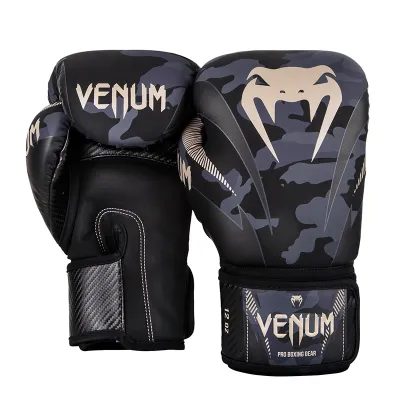
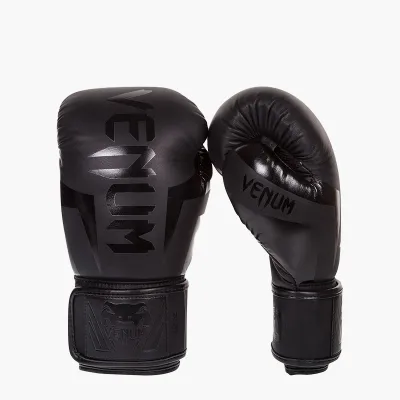
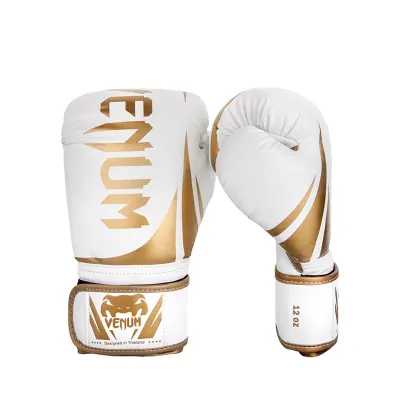
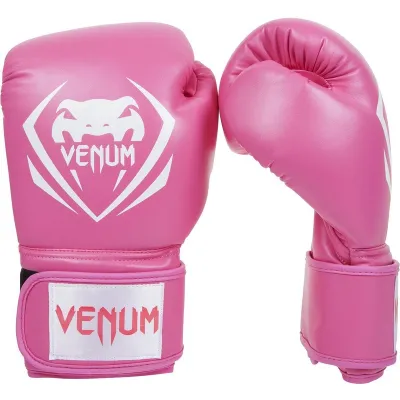
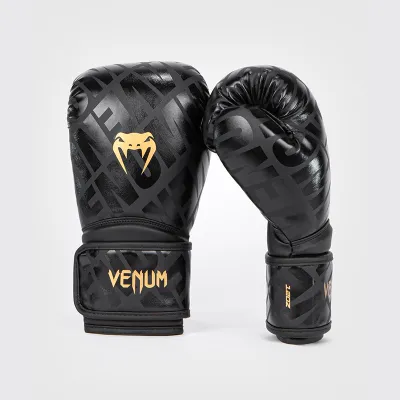
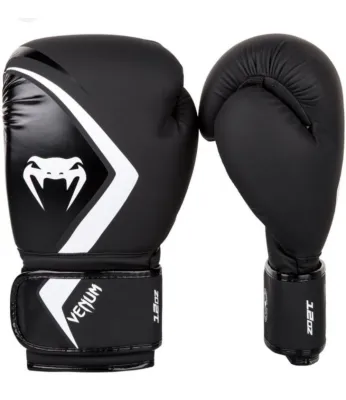
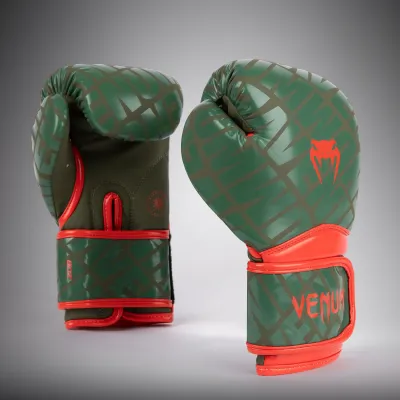
Prices are valid at publication and may change. Please refer to the product page for the latest price.
For light training, pad work, and speed drills, lighter gloves ranging from 10 oz to 12 oz are highly common. These weights allow you to focus on hand speed, technique, and cardiovascular endurance without being weighed down by heavy padding. However, because these gloves have thinner padding profiles, they offer less protection for your knuckles when striking dense, heavy bags repeatedly.
If your training consists primarily of heavy bag work, a 12 oz or 14 oz glove is generally recommended for medium-sized individuals. The extra padding helps absorb the shock of high-impact strikes, protecting the delicate bones in your hands from stress fractures and bruising. For larger individuals weighing over 75 kg, a 14 oz or even 16 oz glove may be necessary for daily bag work to ensure adequate joint protection.
When it comes to sparring, safety is the top priority. Most combat sports gyms enforce strict rules mandating a minimum of 16 oz gloves for sparring sessions, regardless of the practitioner’s size. This rule is designed to protect your sparring partner from unnecessary facial trauma and cuts, while also providing maximum protection for your own hands. Lighter individuals under 60 kg may occasionally be permitted to spar in 14 oz gloves, but you must always check your local gym’s specific regulations before making a purchase.
It is vital to remember that equipment cannot replace proper training, controlled power, and sound defensive judgment. Using a 16 oz glove does not justify striking with full force during a technical sparring session. Always prioritize control and technique, and stop training immediately if you experience sharp hand pain, wrist instability, or if your glove’s padding feels flat or compromised.
Navigating Venum Glove Tiers and Materials for Your Experience Level
Venum categorizes its boxing gloves into distinct tiers based on material composition, construction quality, and intended training frequency. Understanding these tiers allows you to invest in a pair of gloves that matches your commitment level without overspending on features you do not yet require.

For beginners training once or twice a week, entry-level synthetic gloves are highly practical and cost-effective. These gloves are typically constructed from polyurethane (PU) or specialized synthetic leather blends. They are lightweight, require virtually no break-in period, and are generally priced between S$60 and S$100 on major online marketplaces. While synthetic options are excellent for budget-conscious beginners, they lack the long-term durability of genuine leather and do not breathe as well, which can lead to rapid heat buildup during intense sessions. Look for models with mesh palms or perforated panels to assist with airflow.
As you progress to training three or more times a week, upgrading to mid-tier or advanced gloves becomes highly beneficial. Mid-tier models often utilize high-grade semi-leather or reinforced synthetic materials designed to withstand frequent impact. These gloves feature improved multi-layered foam padding, which distributes shock more evenly across the hand and wrist.
For advanced practitioners, competitive fighters, and those training daily, premium genuine leather gloves (such as those made from Nappa leather) offer excellent durability and comfort. Genuine leather is highly resilient, naturally breathable, and gradually molds to the unique shape of your hand over time, providing a highly customized fit. These premium models also feature advanced shock-absorption technologies, such as triple-density or quadruple-density foam systems, which protect your hands during high-volume, high-intensity training.
Before purchasing, always verify the material claims and specifications directly on the manufacturer’s official product labels or website. Look for clear indications of the foam type, outer material, and intended use cases. Additionally, review the manufacturer’s warranty details, as premium leather models often come with longer coverage periods against manufacturing defects compared to basic synthetic options.
Evaluating Fit, Wrist Support, and Closure Systems
A boxing glove must fit securely and support your wrist properly to prevent acute injuries and chronic joint strain. When evaluating different Venum models, pay close attention to the closure system, the width of the wrist strap, and how the glove accommodates hand wraps.
The choice between Velcro (hook-and-loop) and lace-up closure systems involves a direct trade-off between convenience and support. Velcro closures are the industry standard for everyday training. They allow you to put on and take off your gloves independently in seconds, making them ideal for structured gym classes where you must quickly transition between striking drills, partner work, and water breaks. Lace-up gloves, on the other hand, provide a highly secure, custom fit and excellent wrist stabilization, but they require a coach or training partner to tie and untie them for you, making them impractical for solo training sessions.
Wrist support is another critical safety feature to analyze. Look for gloves with wide, rigid cuffs that extend well past the wrist joint. A sturdy cuff acts as a splint, keeping your hand and wrist in proper alignment when you land a punch. If you train in Muay Thai or kickboxing, you will want a glove design that distributes padding evenly along the back of the hand and wrist to help block incoming kicks and elbows.
To ensure a proper fit, never guess your glove size based on weight alone. Use a flexible measuring tape to measure your hand circumference just below your knuckles, excluding the thumb. Compare this measurement against the official Venum sizing chart to find the corresponding size. Keep in mind that you must always wear hand wraps underneath your gloves to protect your knuckles and secure your wrist joints. When trying on new gloves, ensure there is sufficient internal space to accommodate a standard 4.5-meter hand wrap comfortably without restricting your blood circulation or forcing your fingers into an unnatural position.
Care and Maintenance to Protect Your Investment
Proper care and maintenance are essential to preserve the structural integrity of your gloves and prevent the buildup of unpleasant odors, especially in warm, humid climates. Taking a few simple steps after every training session can significantly extend the lifespan of your gear.
The most crucial rule of glove care is to dry them thoroughly after every use. Leaving damp gloves inside a closed gym bag creates a dark, humid environment where bacteria and mold thrive, leading to persistent odors and rapid material degradation. As soon as you return home, remove your gloves from your bag, open the Velcro straps as wide as possible, and place them in a well-ventilated, shaded area. Avoid exposing your gloves to direct sunlight or using artificial heat sources like hair dryers, as extreme heat can warp synthetic materials and cause genuine leather to dry out, crack, and split.
When cleaning your gloves, always refer to the manufacturer’s care label. For synthetic gloves, wipe down the exterior and interior with a damp microfiber cloth and a mild, highly diluted soap solution. For genuine leather gloves, use a dedicated leather cleaner and conditioner periodically to keep the leather supple and water-resistant. Never submerge your boxing gloves in water, and never place them in a washing machine or clothes dryer, as this will severely damage the internal foam padding and ruin the outer material.
Finally, monitor your gloves regularly for observable signs of wear and tear. Over time, the internal foam padding will naturally break down and lose its shock-absorbing capabilities. If you can feel your knuckles bottoming out against the heavy bag, or if the padding feels soft, lumpy, or shifted, it is time to replace your gloves. Other clear indicators that your gloves have reached the end of their lifespan include torn seams, exposed inner lining, or a persistent, deep-seated odor that does not go away even after thorough drying.
Frequently Asked Questions (FAQ)
Can I use the same Venum gloves for both heavy bag work and sparring?
Using a single pair of gloves for both heavy bag work and sparring is generally not recommended due to safety concerns for your training partners. Heavy bag training involves repeated, high-force impacts against a dense surface, which gradually compresses and hardens the glove’s internal foam padding over time. If you use those same compressed gloves for sparring, you risk inflicting significant discomfort or injury on your partner, as the hardened foam can no longer absorb impact safely. Additionally, bag gloves often accumulate rough spots or dirt on the outer surface that can scratch a partner’s face. For optimal safety and performance, it is best to maintain two separate pairs: a dedicated, slightly lighter pair for bag and pad work, and a softer, 16 oz pair reserved exclusively for sparring.
How do I break in new Venum boxing gloves safely?
Breaking in new boxing gloves should always be done gradually using low-impact methods to preserve the structural integrity of the foam and stitching. The safest way to mold new gloves to the shape of your hands is through light shadow boxing, technical partner drills, and light pad work. These activities allow the materials to flex and soften naturally without subjecting the foam to excessive force. Avoid destructive, unverified break-in methods such as forcefully bending the gloves backward, hitting them with heavy objects, or applying moisture and heat, as these actions can permanently damage the wrist support and compromise the protective padding. Always check the product manual or manufacturer’s guidelines for any specific break-in instructions or warranty conditions before using your new gloves.

Community discussion
Share your experience or ask a question. Comments are reviewed before publication.