
A beginner golfer choosing their first golf ball collector should focus on three primary factors: capacity, handle ergonomics, and the grabber mechanism. The ideal collector matches your typical practice volume, fits comfortably in your hands without requiring you to bend over, and operates smoothly on the specific surfaces where you practice, such as driving range mats or backyard grass. By prioritizing these features, you can avoid physical strain and maximize your actual hitting time.
Selecting a tool that aligns with your physical height and storage limits ensures that practice remains an enjoyable routine rather than a chore. This guide breaks down the essential mechanical and structural features to evaluate, helping you select a reliable collector that matches your specific practice environment and physical needs.
Why Beginners Need a Dedicated Golf Ball Collector
Golf is a game of repetition, and building a consistent swing requires hitting dozens, if not hundreds, of balls during a single practice session. For a beginner, this high-volume practice is essential for developing muscle memory. However, the physical toll of bending down to retrieve each ball individually can quickly overshadow the benefits of the session.
Products mentioned in this guide
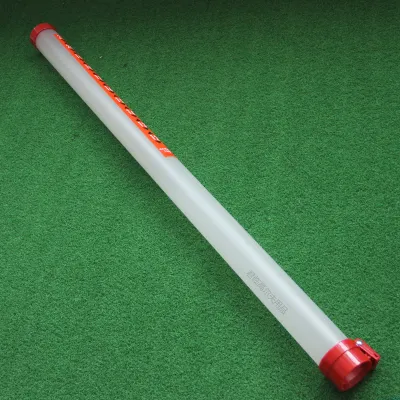
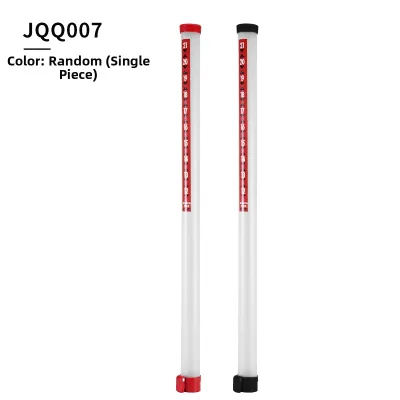
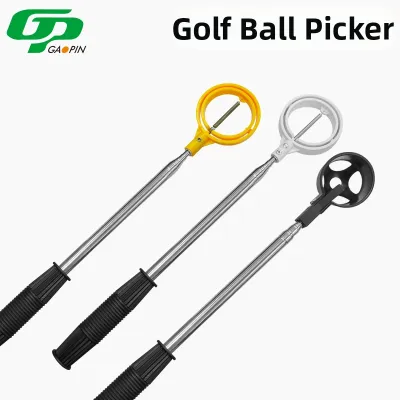
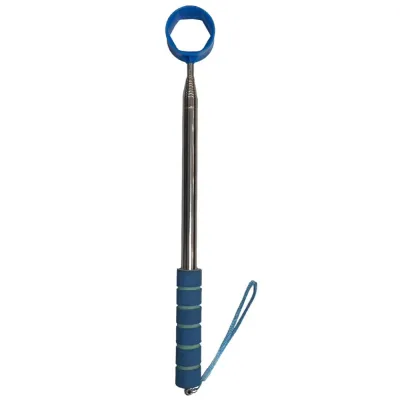
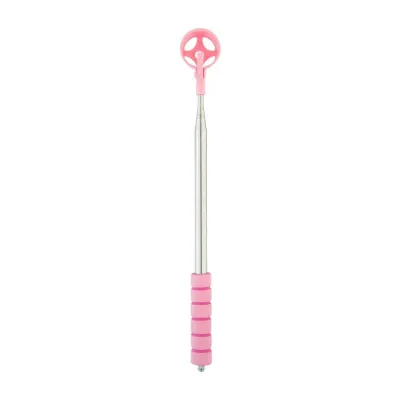
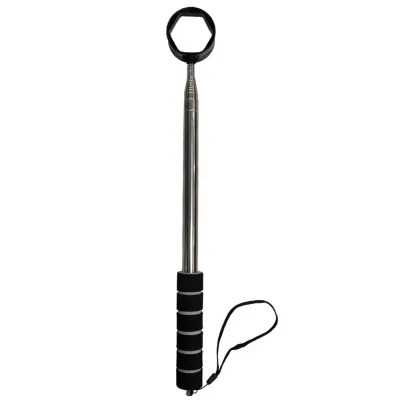
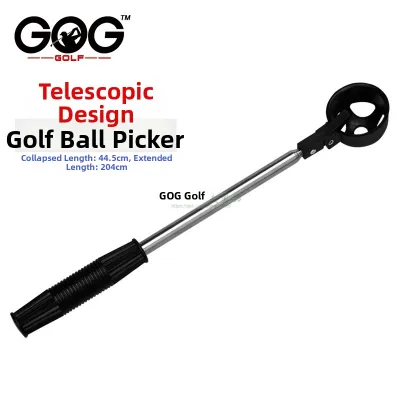
Prices are valid at publication and may change. Please refer to the product page for the latest price.
Using a dedicated golf ball collector transforms this tedious chore into a quick, upright task. Instead of spending valuable energy and focus on bending over, you can gather your practice balls in a fraction of the time. This efficiency allows you to maintain your physical stamina and focus entirely on your swing mechanics.
Repetitive bending is a common source of lower back fatigue, especially for those who are not accustomed to the physical demands of golf. A collector acts as an ergonomic aid, allowing you to maintain a neutral spine throughout your cleanup routine. By minimizing unnecessary strain, you reduce the risk of post-practice soreness that could otherwise sideline you for days.
Additionally, a collector helps you keep your practice balls organized and separate from your premium on-course balls. Keeping your scuffed practice balls in a dedicated tube or bag ensures you do not accidentally play them during a round, preserving your best equipment for when it matters most.
Key Features to Evaluate for Your Practice Routine
Selecting the right golf ball collector requires looking past basic aesthetics and focusing on how the tool performs in your specific practice environment. The primary decision axes to evaluate are capacity, handle ergonomics, and the pickup mechanism. Each of these features directly impacts how easily you can collect balls and how comfortable the tool is to use over long sessions.

Your choice should also align with where you plan to practice most frequently. A flat, predictable surface like an artificial driving range mat or an indoor putting green demands different physical characteristics from a collector than uneven backyard grass or a sandy practice bunker. Understanding these variables ensures you select a tool that works with your routine rather than against it.
Capacity and Tube Diameter
Golf ball collectors generally come in several standard capacities, typically ranging from 20 to 80 balls. For beginners, a tube that holds around 20 to 35 balls is often the most practical starting point. This volume matches the size of a standard small bucket of balls at many practice facilities, allowing you to clear your practice area in a single sweep without carrying excessive weight.
The internal diameter of the tube is a critical specification to verify before purchasing. The tube must be wide enough to allow standard golf balls (which have a minimum diameter of 42.67 mm) to slide freely without jamming. However, it must not be so wide that the balls can double up or wedge against each other, which can cause frustrating blockages that require manual clearing.
There is a direct trade-off between a collector’s capacity and its ease of use. While a high-capacity collector holding 75 or more balls reduces the number of times you need to empty it, the overall weight increases significantly when fully loaded. A standard golf ball weighs approximately 45.93 grams, meaning a fully loaded 80-ball collector will add nearly 3.7 kilograms of dead weight, which can strain your wrists and shoulders during transport.
Handle Length and Ergonomics
The length of the collector’s handle determines whether you can stand completely upright while retrieving balls. Fixed-length collectors are highly durable and have fewer moving parts to wear out, but they must be matched carefully to your height. If a fixed handle is too short, you will still find yourself hunching over, defeating the ergonomic purpose of the tool.
Telescopic or adjustable handles offer greater versatility, allowing you to customize the length to your exact height. This feature is particularly useful if multiple family members share the collector or if you need to collapse the tool for compact storage. When evaluating telescopic options, check the locking mechanism to ensure it holds firmly under pressure without slipping.
Grip materials play a significant role in comfort, especially during warm or humid practice sessions. Look for textured rubber, foam, or non-slip synthetic grips that provide a secure hold even when your hands are sweaty. A comfortable grip reduces the amount of squeeze pressure required, preventing hand fatigue and blisters during extended use.
To find your optimal handle length, stand upright with your shoulders relaxed and your arms hanging naturally at your sides. The top of the collector’s handle should reach approximately to your wrist crease or hip joint. This height allows you to press down on the ball with a comfortable arm angle, keeping your spine neutral and your posture relaxed.
Grabber Mechanism and Release Types
The grabber mechanism at the bottom of the collector is the most active mechanical component and dictates how easily the tool picks up balls. Spring-loaded wire cages use flexible metal wires that part slightly when pressed over a ball, snapping back into place once the ball passes through. This design is highly durable and works well on both hard surfaces and soft turf.
Plastic claw mechanisms, on the other hand, rely on molded plastic fingers that flex outward to capture the ball. While often lighter and less expensive, plastic claws can be more sensitive to temperature extremes and may wear down or crack over time if used frequently on abrasive surfaces like concrete or gravel.
Emptying the collector is just as important as filling it, and this is managed by either a bottom-release valve or a top-pour design. Bottom-release models typically feature a trigger or a sliding collar near the handle that opens the bottom gate, allowing the balls to drop directly into a bucket. Top-pour designs require you to flip the collector upside down to let the balls slide out of the top opening, which can be slightly more awkward but has fewer mechanical parts to break.
When evaluating these mechanisms, consider the spring tension and overall build quality. The tension must be firm enough to hold the balls securely inside the tube while you walk, yet flexible enough that you do not have to press down with excessive force to capture a ball. Testing or verifying the flexibility of the wires or claws on your preferred practice surface is highly recommended.
Portability and Storage Considerations
A golf ball collector is only useful if you can easily transport it to your practice sessions. If a collector is too bulky or awkward to carry, it will likely end up left behind in your garage or storage locker. Look for models that feature collapsible, folding, or detachable handles, which significantly reduce the tool’s footprint when not in use.
The overall weight and balance of the collector should be evaluated in both its empty and fully loaded states. A lightweight aluminum or high-grade plastic tube keeps the empty weight minimal, making it easy to carry alongside your golf bag. Pay attention to how the weight is distributed; a top-heavy collector can feel unbalanced and awkward to swing or carry over long distances.
Before making a purchase, measure the storage spaces you plan to use. Check the collapsed dimensions of the collector against the side pockets of your golf bag, your car’s trunk space, or your home storage compartments. Many compact collectors are designed to slide directly into the umbrella holder or a long side pocket of a standard stand bag, keeping your hands free for carrying your clubs.
Building Your Shortlist: Matching Specs to Your Drills
To narrow down your options, it is helpful to match the specifications of the collector to your primary practice scenarios. If your routine consists mostly of backyard net practice, your space and volume needs will differ from someone who spends hours on a dedicated short-game practice green.
For backyard net practice, prioritize compact storage, lighter weight, and moderate capacity. Since you are likely hitting into a net and retrieving balls from a concentrated area, a collector that holds 20 to 30 balls is perfectly adequate. Look for a highly collapsible model that can be stored easily in a closet or shed alongside your practice net, ensuring it does not take up valuable living space.
If your practice routine involves frequent trips to a driving range or a dedicated chipping green, prioritize high capacity, durable mechanisms, and easy emptying. A collector that holds 50 to 80 balls will allow you to gather a large volume of balls quickly, maximizing your active practice time. In this environment, a robust aluminum tube with a spring-loaded wire cage and a quick bottom-release valve is highly beneficial.
To streamline your purchasing decision, create a personalized checklist divided into must-have features and nice-to-have additions. Must-have features should address your physical comfort and storage limits, such as a specific handle length or a maximum collapsed size. Nice-to-have features might include a specific color, a built-in stand, or a specialized grip material that, while convenient, does not directly impact the tool’s core functionality.
Maintenance and Care for Longevity
Proper maintenance ensures your golf ball collector remains functional and reliable for many seasons. After each practice session, take a moment to clean any dirt, sand, or grass clippings from the grabber wires or plastic claws. Debris buildup can interfere with the flexibility of the mechanism, making it harder to pick up balls and potentially scratching their covers.
In humid climates or after practicing on damp morning grass, moisture can accumulate on the metal components. Regularly check for signs of rust or wear on the spring components and wire cages. Wiping down the metal parts with a dry cloth after use and occasionally applying a light, silicone-based lubricant to the moving parts will help prevent corrosion and maintain smooth operation.
Store your collector in a cool, dry place away from direct sunlight when not in use. Prolonged exposure to UV rays can degrade plastic tubes and claws, making them brittle and prone to cracking. Additionally, avoid storing the collector with balls left inside, as constant pressure on the bottom mechanism can lead to spring fatigue and reduce the grabber’s tension over time.
Frequently Asked Questions (FAQ)
Can I use a golf ball collector on uneven terrain or thick rough?
Standard golf ball collectors are designed primarily for flat, uniform surfaces like driving range mats, putting greens, and short fairway turf. While they can be used on uneven terrain or moderate rough, their efficiency decreases as the grass gets longer. In thick rough, the grass blades can wrap around the grabber wires or claws, preventing them from flexing properly to capture the ball.
If you must retrieve balls from thick grass, proceed with caution and avoid pressing down with excessive force. Forcing the collector against hard ground or thick roots can bend the metal wires or snap plastic claws. Always check the manufacturer’s specifications for any terrain limitations, and revert to manual retrieval if the surface is too overgrown or rocky to prevent damaging the tool.
Do golf ball collectors work with practice balls or limited-flight balls?
Most standard golf ball collectors are engineered specifically for the dimensions and weight of regulation golf balls. If you use foam, plastic, or limited-flight practice balls, compatibility will depend on their size and structural rigidity. Foam balls, for instance, may compress too easily, causing them to slip through the grabber wires or get stuck inside the tube due to friction.
Lightweight plastic practice balls may not have enough weight to push past the spring tension of a heavy-duty wire cage without requiring significant downward force, which can crush the hollow plastic. If you primarily practice with non-standard balls, look for a collector with adjustable tension or verify with the manufacturer that the grabber mechanism is compatible with lightweight or compressible practice balls.

Community discussion
Share your experience or ask a question. Comments are reviewed before publication.