
Starting your journey into Lutei fishing—a dynamic style of lure fishing—can feel overwhelming given the sheer volume of specialized gear on the market. For a beginner, the key to success lies in selecting a setup that is forgiving, versatile, and easy to manage. Instead of chasing high-end, highly specialized equipment, your initial focus should be on a balanced system that helps you master casting accuracy, lure control, and fish retrieval. A well-chosen entry-level setup minimizes frustrating line tangles and allows you to focus on learning how fish react to different movements.
The most reliable starting point for almost any novice is a medium-light or medium-power spinning rod paired with a matching spinning reel. This combination offers the perfect balance of sensitivity and durability, making it highly forgiving of common beginner mistakes such as improper casting form or incorrect drag settings. By focusing on a versatile setup, you can explore various fishing environments—from quiet freshwater reservoirs to bustling coastal jetties—without needing to purchase multiple expensive outfits. While high-end setups can cost hundreds of dollars, a reliable beginner combo can often be found for under S$100, offering excellent value without compromising on essential features.
Understanding Lutei Gear Categories for Beginners
To build a solid foundation, it is essential to understand how the core components of a Lutei setup work together. The system consists of four primary elements: the rod, the reel, the line, and the terminal tackle, which includes leaders, snaps, and lures. Each component plays a distinct role in how you cast, detect bites, and land fish, and choosing the right entry-level options will significantly shorten your learning curve.
Products mentioned in this guide
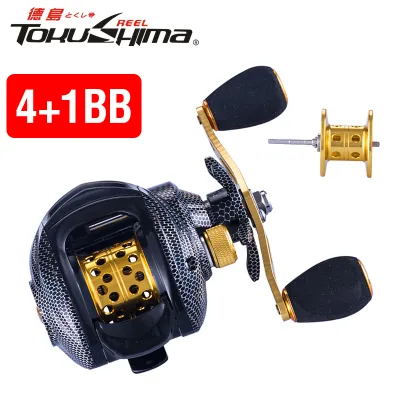
Prices are valid at publication and may change. Please refer to the product page for the latest price.
The rod acts as an extension of your arm, storing energy during the cast to propel the lure forward and absorbing the shock when a fish strikes. For beginners, a rod with a moderate amount of flexibility is highly beneficial because it cushions sudden movements, reducing the likelihood of snapping your line or losing a fish. It also provides the tactile feedback necessary to feel the vibration of your lure and distinguish between a rocky bottom and a genuine fish strike.
The reel is responsible for line storage, retrieval, and managing the tension on the line when fighting a fish through its drag system. Spinning reels are universally recommended for beginners because their open-face design and stationary spool make them incredibly easy to operate. Unlike baitcasting reels, which require precise thumb control to prevent the spool from overrunning and creating tangled “birds’ nests,” spinning reels allow the line to flow off freely during a cast with minimal risk of tangling.
The fishing line serves as your direct link to the underwater world, and its characteristics greatly influence your casting distance and sensitivity. Beginners typically start with either monofilament line, which is stretchy and highly forgiving, or a braided line paired with a fluorocarbon leader, which offers superior sensitivity and strength. Choosing a line that matches the weight recommendations of both your rod and reel ensures smooth casting and prevents premature line breakage.
Finally, terminal tackle and lures are what actually attract and hook the fish. Lutei fishing relies on artificial lures—such as soft plastics, minnows, and spoons—rather than live bait. For beginners, using simple snaps makes it easy to swap lures quickly without constantly tying new knots, allowing you to experiment with different lure actions and depths to see what works best in your local waters.
Key Specifications to Check on Lutei Rods and Reels
When shopping for your first Lutei setup, you will encounter a variety of technical specifications printed directly on the rod blank and reel body. Understanding how to read these labels is crucial for selecting gear that matches your skill level and prevents physical fatigue during long practice sessions.

On the rod, you will find three primary ratings: length, power, and action. For a beginner, a rod length between 6.6 feet and 7.2 feet (approximately 2.0 to 2.2 meters) is the ideal sweet spot. This length provides sufficient leverage for long casts while remaining manageable enough to control in tight spaces, such as under overhanging trees or on crowded public piers.
Rod power refers to the amount of pressure required to bend the rod, ranging from ultra-light to extra-heavy. A “Medium” (M) or “Medium-Light” (ML) power rating is highly recommended for beginners because it is versatile enough to handle a wide range of common lure weights, typically from 5 grams to 15 grams. This versatility allows you to target small to medium-sized fish species without the rod feeling too stiff or too flimsy.
Rod action describes where the rod bends along its blank when pressure is applied. “Fast” action rods bend primarily near the tip, offering excellent sensitivity and quick hook sets, while “Moderate” action rods bend further down the blank, providing a more forgiving cushion when fighting a fish. A “Moderate-Fast” action is often the perfect compromise for beginners, offering a blend of casting distance, sensitivity, and forgiveness.
When evaluating spinning reels, the most important specifications to check are the reel size and the gear ratio. Reel sizes are usually designated by numbers like 2000, 2500, or 3000. A 2500-size reel is generally the most balanced choice for a medium or medium-light rod, providing ample line capacity without adding unnecessary weight to your setup.
The gear ratio indicates how many times the spool’s internal mechanism rotates for every single turn of the handle. For example, a 5.2:1 gear ratio means the rotor spins 5.2 times per handle turn. Beginners should look for a moderate gear ratio between 5.0:1 and 6.0:1, which provides a balanced retrieval speed that works well for both slow-moving soft plastics and faster moving hard baits.
Lastly, consider the overall weight and materials of the gear. Rods constructed from high-modulus carbon fiber (often labeled as graphite) are incredibly lightweight and sensitive, which helps reduce wrist and arm fatigue during hours of repetitive casting. Reels with carbon composite or aluminum frames offer a good balance of durability and weight reduction, ensuring your fishing experience remains comfortable and enjoyable.
Matching Lutei Equipment to Your Target Fish and Environment
Your choice of Lutei gear should always be guided by where you plan to fish and the species you hope to catch. Different environments place unique demands on your equipment, and matching your gear to these conditions will prevent premature gear failure and improve your catch rate.
If you plan to fish in saltwater environments, such as coastal breakwaters, rocky shores, or public jetties, you must verify that your equipment is specifically rated for saltwater use. Saltwater is highly corrosive and can quickly ruin standard freshwater gear. Look for reels that feature sealed stainless steel ball bearings, corrosion-resistant frames, and anodized aluminum spools to ensure longevity in harsh marine conditions.
For freshwater environments like local reservoirs, ponds, or slow-moving rivers, corrosion is less of a concern, allowing you to focus more on sensitivity and stealth. In these calmer waters, fish can be more easily spooked by heavy lines and bulky hardware. Opting for a lighter fluorocarbon leader (around 6lb to 10lb test) and smaller, more natural-looking lures can significantly increase your chances of attracting bites.
It is also vital to match your line weight and lure weight to the specific ratings printed on your rod. If you attempt to cast a lure that is too heavy for your rod’s rating, you risk overloading the blank and snapping the tip during a cast. Conversely, casting a lure that is too light will result in poor distance and accuracy because the rod will not load properly. Always check that your chosen lures fall comfortably within the recommended range on the rod label.
The physical structure of your fishing spot also influences your gear requirements. When fishing from high structures like concrete piers or elevated breakwaters, a slightly longer rod (around 7.2 to 7.6 feet) helps you keep your line clear of the structure’s edge and makes it easier to lift fish out of the water. For shore fishing along overgrown reservoir banks, a shorter rod (around 6.0 to 6.6 feet) is much easier to cast without getting caught in nearby branches.
What to Inspect Before Buying Your Lutei Starter Kit
Before finalizing your purchase, taking the time to carefully inspect your potential Lutei starter kit can save you from future frustration and unexpected expenses. Whether you are buying online or at a local tackle shop, a systematic check ensures your gear is ready for the water.
One of the first decisions you will face is whether to buy a pre-matched rod and reel combo or purchase the components separately. For absolute beginners, a pre-matched combo is highly recommended. Manufacturers design these combos to ensure the rod and reel are perfectly balanced in terms of weight, power, and line capacity, eliminating the guesswork for novices. However, if you choose to buy separately, make sure to physically mount the reel onto the rod to check that the reel seat holds it tightly without any play or wobbling.
If you are purchasing a complete starter kit, inspect the packaging to verify exactly what accessories are included. Many beginner kits come with pre-spooled line, a small selection of lures, snaps, and a basic tackle box. Ensure that the included line is of a suitable weight for the rod’s specifications and that the lures are appropriate for your target environment.
Physical inspection of the rod and reel is crucial. Run your fingers along the rod blank to check for any hairline cracks, deep scratches, or manufacturing defects. Pay close attention to the rod guides (the rings that hold the line); they should be perfectly aligned, securely attached to the blank, and free of any sharp edges or cracked ceramic inserts that could fray your fishing line.
On the reel, turn the handle to ensure the rotation is smooth and free of any grinding noises or resistance. Test the drag system by tightening the drag knob and pulling line off the spool by hand; the line should release smoothly and consistently without jerking. Also, verify that the bail arm clicks open and snaps shut crisply when you turn the handle.
Finally, review the manufacturer’s warranty and the retailer’s return policy. A reliable warranty is particularly valuable for beginners, as accidental rod tip breakages are common during the learning phase. Ensure you understand what is covered, how to register your product, and what care instructions are recommended to keep your warranty valid.
Frequently Asked Questions (FAQ)
Are Lutei fishing combos better than buying separate rods and reels for beginners?
Yes, for most beginners, a pre-matched Lutei fishing combo is the superior choice. Combos offer guaranteed compatibility, meaning the manufacturer has already paired a rod of the correct power and action with a reel of the appropriate size and weight. This eliminates the risk of buying mismatched gear that is difficult to cast or balance. Additionally, combos are typically more cost-effective than purchasing a rod and reel separately, often saving you enough money to invest in high-quality line and terminal tackle. As your skills improve and you develop specific fishing preferences, you can easily transition to buying separate, specialized components to customize your setup.
How do I maintain my Lutei fishing gear after use?
Proper maintenance is essential for extending the lifespan of your Lutei gear, especially if you fish in saltwater or muddy environments. After every outing, gently rinse your rod and reel with cool, fresh water to remove salt, sand, and dirt; avoid using high-pressure hoses, as this can force debris into the reel’s internal gears. Wipe down the rod blank and guides with a soft cloth, and inspect the guides for any chips or cracks. For the reel, back off the drag tension slightly before storing it to prevent the drag washers from compressing and losing their effectiveness. Periodically inspect your fishing line for frays or nicks, cutting away any damaged sections to ensure your next catch doesn’t break off.

Community discussion
Share your experience or ask a question. Comments are reviewed before publication.