
Prawn fishing, locally known as “prawning,” is a highly popular recreational activity in Singapore. While it might seem similar to traditional angling, targeting freshwater prawns (such as the Giant River Prawn) requires a completely different approach to gear selection. Standard fishing rods designed for catching fish are generally too stiff, heavy, and insensitive for the delicate nature of prawning. To choose a good beginner prawn fishing rod in Singapore, you should focus on highly sensitive, ultra-light telescopic or multi-piece rods that allow you to feel the subtle “tap-tap” of a prawn. Rather than focusing on a single brand, beginners should learn to evaluate build quality, tip flexibility, and local tackle shop support.
Why Prawn Fishing Requires Specialized Gear
Prawns do not strike bait with the aggressive force of a predatory fish. Instead, they use their small claws to pinch, manipulate, and slowly consume the bait while sitting on the pond floor. This behavior results in incredibly subtle movements that are difficult to detect. A beginner using a stiff rod will often fail to notice these light nibbles, or worse, feel the bite too late after the prawn has already discarded the bait. A specialized prawn fishing rod features an incredibly sensitive, flexible tip that transmits these minute vibrations directly to your hand, allowing you to time your hook set perfectly.
Furthermore, the physical environment of prawning facilities in Singapore dictates the type of gear you can use. Most prawning ponds are concrete-lined structures located either indoors under low ceilings or outdoors under large canopy tents. These confined spaces leave very little room for casting or maneuvering long rods. A specialized rod is designed to be short and highly maneuverable, allowing you to drop your line vertically and lift your catch safely without hitting overhead structures or neighboring anglers.
Products mentioned in this guide
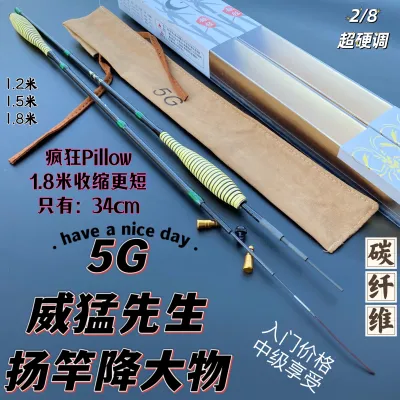
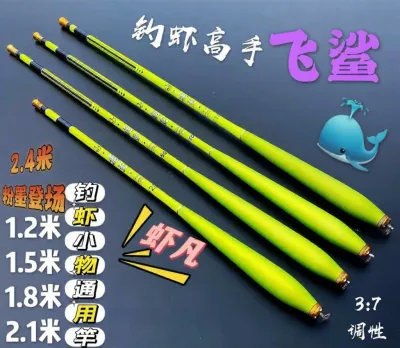
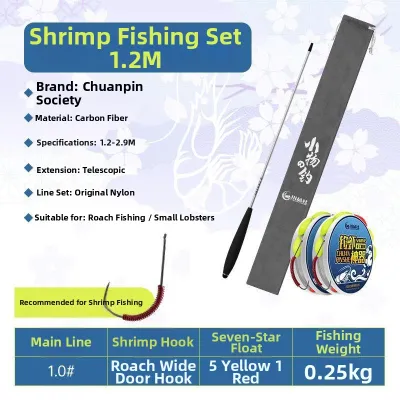
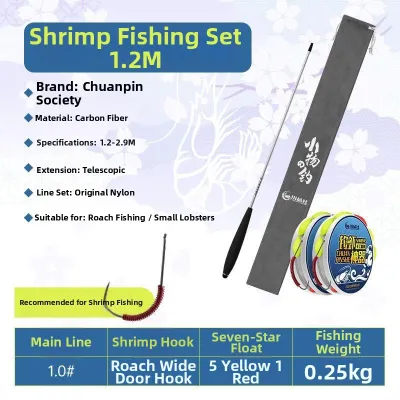
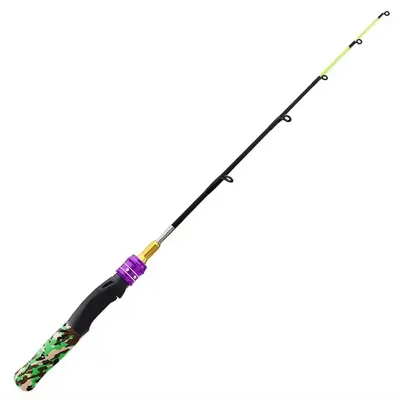
Prices are valid at publication and may change. Please refer to the product page for the latest price.
Finally, safety is an important consideration in these crowded environments. Prawning ponds often have multiple anglers sitting close together. Using a long, stiff rod increases the risk of accidentally hooking someone nearby during a sudden hook set. A shorter, highly flexible rod keeps your movements contained and predictable, ensuring a safer experience for everyone around the pond.
Essential Specifications to Check Before You Buy
When shopping for your first prawn fishing rod, understanding the technical specifications will help you make an informed decision without relying solely on brand names. The key specifications to evaluate include length, action, material, and guide configuration.

Rod Length and Portability For the typical prawning ponds found across Singapore, a rod length between 4.5 feet and 6 feet (approximately 1.37 to 1.83 meters) is highly recommended for beginners. Shorter rods provide excellent control and accuracy when dropping bait into specific spots, such as near aerators or pond corners where prawns tend to gather. Telescopic rods are incredibly popular in the local scene because they collapse down to a fraction of their extended length, making them easy to transport in a backpack or small bag on public transport.
Rod Action and Power In prawning, you require an ultra-light (UL) or super ultra-light (SUL) power rating. The “action” of a rod refers to where it bends when pressure is applied. For beginners, a moderate-to-slow action is highly forgiving. A rod that bends deeply throughout its upper half cushions the hook set. Because prawns have delicate, soft mouthparts and shells, a sudden, violent hook set with a stiff rod can easily tear the hook free. A softer action ensures a steady, gentle tension that keeps the hook secure without damaging the prawn.
Material Composition and Weight The two primary materials used in prawn rod construction are carbon fiber (graphite) and fiberglass. Carbon fiber rods are exceptionally lightweight and offer unmatched sensitivity, allowing you to feel the faintest leg movements of a prawn. However, they are more brittle and can snap if mishandled or bent at extreme angles. Fiberglass rods are heavier and less sensitive, but they are incredibly durable and highly flexible, making them excellent, budget-friendly options for absolute beginners who are still learning proper handling techniques. Composite rods blend both materials to offer a balanced middle ground.
Guide Rings and Line Flow Inspect the guide rings along the rod blank. Even on budget rods, the guides should have smooth ceramic or metal inserts to prevent the fishing line from fraying. Because you will be using very thin nylon monofilament or braided lines (often between 2-lb and 6-lb test), any rough edges on the guides can cause line breakage. Ensure the guides are spaced closely together near the tip to distribute the bending curve evenly, which prevents localized stress points on the rod blank.
How to Evaluate Entry-Level Brands and Build Quality
The Singapore market offers a wide variety of entry-level prawn fishing rods, ranging from unbranded options in neighborhood tackle shops to budget-friendly regional brands. Since you cannot always rely on brand reputation alone at lower price points, learning how to physically inspect a rod is crucial.
Physical Inspection in the Shop If you are purchasing from a physical tackle shop, always ask to handle the rod before buying. Extend the rod fully (if it is telescopic) and check the alignment of the guide rings. They should form a perfectly straight line from the reel seat to the tip. Next, gently wiggle the rod to feel its recovery rate; it should not feel excessively floppy or “dead.” Inspect the joints of a telescopic rod to ensure each section locks securely into place without any wobbling or slipping.
Reel Seat and Grip Evaluation The reel seat must hold your reel firmly without any play. Tighten the locking nut to ensure the threads are smooth and do not slip under pressure. For the grip, EVA foam and cork are the most common materials. EVA foam is highly recommended for beginners because it is durable, provides a secure grip even when wet, and is easy to clean. Prawn bait—such as chopped earthworms, chicken liver, or preserved shrimp—can be messy and leave residues that are difficult to remove from porous cork grips.
Analyzing User Feedback and Common Failure Points When browsing online marketplaces or local fishing forums, look for reviews that detail the longevity of the rod. The most common failure point for beginner prawn rods is tip breakage, which usually occurs when an angler lifts a heavy prawn directly out of the water at a sharp angle (known as “high-sticking”). Look for feedback on whether the manufacturer or seller offers replacement tip sections, as this can save you from having to purchase an entirely new rod if an accident occurs.
Balancing Cost and Upgrade Paths For your very first setup, spending a fortune is unnecessary. A reliable, entry-level prawn rod in Singapore typically costs between S$15 and S$40. This price range allows you to learn the basics of bite detection, hook setting, and rod maintenance without a significant financial commitment. Once you develop a feel for the sport and decide to pursue it more seriously, you can upgrade to high-end, specialized carbon rods that offer superior sensitivity and custom aesthetics.
Where to Shop and How to Verify Your Purchase
Navigating the retail landscape in Singapore requires a balance between hands-on inspection and online convenience. Both purchasing channels have distinct advantages and potential pitfalls.
Local Tackle Shops vs. Online Marketplaces Visiting a local brick-and-mortar tackle shop is highly recommended for beginners. Singapore has numerous reputable tackle shops located in areas like Beach Road, Geylang, and various heartland neighborhoods. Shopping in person allows you to seek advice from experienced staff, physically test the rod’s flex, and ensure the rod feels comfortable in your hand. Conversely, online marketplaces offer unmatched convenience and often lower prices, but you lose the ability to inspect the product before paying.
Verifying Online Purchases If you choose to buy online, take steps to verify the seller’s credibility. Look for listings with high ratings and read customer reviews that specifically mention how the rod was packaged for shipping. Fragile telescopic carbon rods can easily crack during transit if they are not shipped in rigid PVC tubes or thick cardboard mailing tubes. Avoid listings that show generic stock photos without any close-ups of the actual rod guides, reel seat, or tip.
Combo Sets vs. Individual Components Many retailers offer complete beginner “combo” sets that include a rod, a small reel, line, floats, and pre-tied hooks. While these combos are highly convenient and budget-friendly, the individual components—particularly the line and hooks—may sometimes be of lower quality. If you purchase a combo, inspect the line for memory (coiling) and ensure the hooks are sharp. Alternatively, purchasing a budget rod and pairing it with a decent, entry-level brand-name reel allows for better quality control and a smoother fishing experience.
Pre-Purchase Inspection Checklist Before finalizing your purchase, whether in-store or immediately upon receiving an online delivery, perform this quick quality check:
- Run your fingers gently along the entire length of the rod blank to check for cracks, splinters, or uneven spots.
- Ensure the tip section is perfectly straight and has not been bent or damaged.
- Check that all guide inserts are intact and securely glued inside their metal frames.
- Test the telescopic sections to ensure they extend smoothly and collapse without binding.
- Verify that the reel seat locking mechanism tightens securely.
Frequently Asked Questions (FAQ)
Can You Use a Standard Ultralight Rod for Prawn Fishing?
While you can technically use a standard ultralight (UL) spinning rod designed for fish, it is far from ideal for prawn fishing. Standard UL rods are typically designed to cast lightweight lures and have a stiffer mid-section to handle fighting fish. This stiffness makes it difficult to detect the incredibly light, slow pulls of a prawn.
Additionally, standard UL rods are often 6 to 7 feet long, which can be highly unwieldy in the cramped, covered environments of Singapore’s indoor prawning ponds. A dedicated prawn rod features a much softer, highly sensitive solid tip designed specifically to bend under the weight of a tiny prawn without alerting the creature or tearing its delicate mouthparts.
Which Reel Type Pairs Best With a Beginner Prawn Rod?
For beginner prawn fishing, a small spinning reel in the 500 to 1000 size range is the most practical choice. These reels are lightweight, easy to operate, and balance perfectly with short prawn rods. Because you do not need to cast long distances in a prawning pond—usually just dropping the line a few meters in front of you—large line capacities are unnecessary.
Look for a reel with a smooth drag system and a lightweight graphite or aluminum body to minimize wrist fatigue during long sessions. Avoid heavy saltwater reels, as they will throw off the balance of your ultra-light rod and make bite detection much more difficult.

Community discussion
Share your experience or ask a question. Comments are reviewed before publication.