
Selecting your first shore casting setup can feel overwhelming, especially when navigating specialized equipment designed for coastal environments. For a first-time angler looking to fish from sandy beaches, rocky breakwaters, or estuary banks, finding a balanced rod and reel combination is the key to a successful and frustration-free experience. A Surf Gazer style rod—known for its ability to cast heavy sinkers long distances—paired with a robust, saltwater-resistant spinning reel offers an excellent entry point for shore fishing.
To make the right choice, you must look beyond cosmetic features and focus on how the equipment’s physical specifications match your local fishing environment and physical comfort. A beginner-friendly setup should prioritize ease of handling, forgiveness of casting errors, and durability against harsh saltwater conditions. By understanding how rod length, power, reel size, and drag systems interact, you can assemble a reliable combo that helps you develop proper casting techniques while maximizing your chances of landing a catch.
Understanding Surf Gazer Rods for Singapore's Coastal Conditions
Surf Gazer rods are specialized tools engineered specifically for surf casting, which involves throwing weighted baits from the shoreline into deeper water. Unlike standard shore rods, these blanks are designed with a stiff lower section to generate high casting power and a sensitive tip to register bites even when positioned high in a rod stand. This design allows anglers to cast heavy sinkers past the breaking waves, keeping the bait anchored firmly on the seabed where target species feed.
Products mentioned in this guide
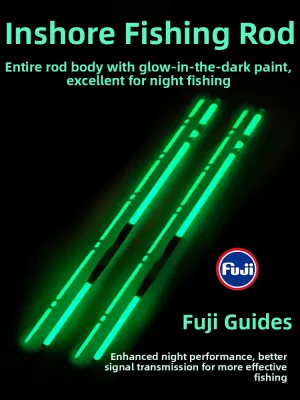
Prices are valid at publication and may change. Please refer to the product page for the latest price.
In Singapore, coastal fishing environments present unique challenges that make a dedicated surf casting rod highly beneficial. Popular shore fishing spots, such as the sandy stretches along East Coast Park, the rocky breakwaters of Changi Beach, or the muddy margins of northern estuaries, often feature moderate tidal currents and shallow coastal shelves. To reach the deeper channels where larger fish patrol, you need a rod that can cast a substantial sinker—often ranging from 80 to 150 grams—without buckling under the load.
Furthermore, local waters are subject to constant tidal movements that carry seaweed, debris, and silt along the bottom. A standard, short spinning rod forces your line to sit low to the water, where it easily snags floating debris and gets dragged around by the shore break. A longer surf casting rod allows you to prop the setup high in a sand spike or rod holder, keeping the majority of your main line elevated above the shore waves and floating seaweed, which ensures a direct connection to your bait.
While general-purpose spinning rods are highly versatile for jetty fishing or light casting in calm ponds, they lack the structural backbone and length required for serious shore casting. Attempting to cast heavy surf sinkers with a light utility rod can lead to structural failure or severely limited casting distance. Investing in a dedicated surf casting rod ensures you have the leverage and weight rating necessary to handle coastal currents and sandy bottoms safely.
Choosing Rod Specs That Forgive Beginner Mistakes
When selecting your first surf casting rod, the physical specifications—specifically length, power, and action—will determine how easily you can cast and control your gear. For beginners, the primary goal is to find a balance between casting distance and physical manageability. While experienced anglers often use exceptionally long rods to maximize distance, a novice will find shorter, more manageable lengths far more forgiving.

Rod length is the first critical decision. Surf casting rods typically range from 3.6 meters (12 feet) to 4.5 meters (15 feet). For a first-time angler, a rod length of 3.6 to 4.0 meters is highly recommended. This length provides ample leverage to achieve impressive casting distances while remaining easy to transport, assemble, and swing in confined spaces or busy public beaches. A rod that is too long can be physically exhausting to cast repeatedly and difficult to control, often leading to inaccurate casts or tangled lines.
Rod power refers to the amount of pressure required to bend the rod blank. For coastal shore fishing, a medium-light to medium power rating is ideal for beginners. This rating is strong enough to cast the heavy sinkers required to hold bottom in local currents, yet sensitive enough to prevent smaller fish from pulling free. A rod with too much power (heavy or extra-heavy) will feel like a stiff broomstick, making it incredibly difficult for a beginner to load the rod during a cast and reducing bite detection significantly.
Finally, pay close attention to the rod’s action, which describes where the blank bends when under load. A moderate or moderate-fast action rod is highly recommended for novices. These rods bend deeper down the blank, providing a slower, more forgiving casting cycle that helps beginners develop smooth casting mechanics. Additionally, the deeper bend acts as a shock absorber when a fish makes a sudden run, reducing the likelihood of snapping your line or pulling the hook out of the fish’s mouth.
Pairing the Right Reel for Smooth Casting and Retrieving
A high-quality surf casting rod is only as good as the reel paired with it. The reel must balance the rod’s physical weight, hold an adequate amount of line, and withstand the highly corrosive nature of tropical saltwater environments. For a beginner, a spinning reel (also known as a threadline reel) is the undisputed choice due to its ease of use, minimal backlash risk, and straightforward maintenance.
To achieve proper balance with a 3.6-to-4.0-meter surf rod, look for a spinning reel in the 5000 to 8000 size range. A reel in this category provides a spool large enough to accommodate thick monofilament or braided lines without creating excessive friction during the cast. If you pair a large surf rod with a small 3000-size reel, the setup will feel incredibly tip-heavy, causing rapid wrist fatigue and severely limiting your casting distance due to the small spool diameter.
When evaluating reel features, prioritize a smooth and reliable drag system. The drag is the mechanism that allows a fish to pull line from the reel under a controlled amount of tension. A jerky or sticky drag can easily snap your line when a strong fish surges. Look for reels featuring multi-disc carbon fiber drag washers, which offer consistent performance even when subjected to heat and moisture. Additionally, ensure the reel body is constructed from corrosion-resistant materials, such as high-grade graphite, aluminum, or sealed composite alloys, to protect the internal gears from salt spray.
The gear ratio of the reel is another important specification to verify. The gear ratio dictates how many times the spool spins for every single turn of the handle. For general shore casting, a moderate gear ratio between 4.8:1 and 5.3:1 is ideal. This range provides a balanced combination of retrieving speed and cranking power. A high-speed reel retrieves line quickly but can lack the torque needed to pull a heavy sinker or a stubborn fish through thick coastal currents, while a low-speed reel can make retrieving from long distances tedious.
Assembling and Checking Your Combo Before the First Cast
Before heading down to the shoreline, taking the time to assemble and verify your rod and reel combination at home can prevent costly gear failures and ensure a comfortable day on the water. Start by checking the manufacturer specifications printed directly on the rod blank, usually located just above the reel seat. These markings indicate the recommended line weight (e.g., 15 to 30 pounds) and cast weight (e.g., 80 to 150 grams).
Next, compare these ratings with the line capacity specifications printed on your reel’s spool. Your chosen fishing line must fall within the recommended limits of both the rod and the reel. Using a line that is too heavy for the rod can lead to structural damage if the rod is overloaded during a cast, while using a line that is too light can result in frequent breakages when casting heavy sinkers. Always ensure your sinker weight matches the rod’s cast weight rating to achieve optimal casting distance safely.
To check the physical balance of your assembled combo, mount the reel securely into the reel seat and spool it with line. Hold the rod with one finger placed just in front of the reel stem. A well-balanced setup should rest relatively flat or tilt slightly upward at the tip. If the rod tip dives sharply toward the ground, the reel is too light to counterbalance the length of the rod, which will lead to shoulder and wrist strain during long fishing sessions. If necessary, adjust your reel choice to achieve a more comfortable balance point.
When allocating your S$ budget for your first setup, it is highly beneficial to prioritize the quality of the reel over high-end cosmetic features on the rod. A basic, durable fiberglass or composite surf rod is incredibly tough and will easily survive beginner casting mistakes. However, a cheap, unsealed reel will quickly succumb to saltwater corrosion, leading to seized bearings and a ruined fishing trip. Investing a larger portion of your budget into a reel with reliable saltwater sealing and a smooth drag system ensures your gear remains operational season after season.
Frequently Asked Questions (FAQ)
How should I clean my Surf Gazer rod and reel after saltwater use?
Proper post-trip maintenance is essential to protect your investment from the highly corrosive tropical saltwater environment. Immediately after returning from your fishing trip, rinse both the rod and reel thoroughly with a gentle stream of fresh water from a garden hose or tap. Never use high-pressure sprays, as this can force salt crystals, sand, and water past the rubber seals and directly into the reel’s internal gears and drag system.
Pay close attention to the rod guides, line roller, and reel seat, as these areas are prone to salt buildup and rust. Use a soft cloth or toothbrush to gently scrub away any stubborn salt crust. Once rinsed, loosen the reel’s drag knob slightly to relieve pressure on the internal drag washers during storage. Allow both the rod and reel to dry completely in a shaded, well-ventilated indoor area before packing them away in a rod bag or storage cabinet.
What type of fishing line is best for a beginner surf combo?
For a first-time angler, monofilament line is highly recommended as the primary choice. Monofilament is inexpensive, easy to knot, and highly resistant to abrasion from rocks, shells, and sand. Its most significant advantage for beginners is its natural stretch, which acts as a safety cushion. This stretch absorbs the shock of violent casting mistakes and sudden fish runs, preventing the line from snapping easily and helping to keep the hook secured in the fish’s mouth.
While braided line offers superior casting distance and incredible sensitivity due to its thin diameter and lack of stretch, it is highly prone to wind knots and tangles, which can be extremely frustrating for a novice to untangle on a windy beach. Additionally, braided line requires specialized knots and can easily cut your fingers if handled improperly during a heavy cast. Starting with a high-quality 15-to-20-pound monofilament line allows you to focus on mastering your casting technique before transitioning to advanced line setups.

Community discussion
Share your experience or ask a question. Comments are reviewed before publication.