
Selecting your first Tachi fishing rod requires balancing ease of use with enough versatility to handle various fishing conditions. For most beginners, the optimal choice is a medium-power, moderate-fast action spinning rod configuration, typically measuring between 6.6 and 7.0 feet. This specific combination provides a highly forgiving learning curve, allowing you to develop proper casting techniques while minimizing common frustrations like line tangles and missed hooksets. While highly specialized setups exist for advanced techniques, starting with a versatile, balanced configuration ensures you can explore different environments and target species without struggling against your equipment.
Before purchasing any gear, it is essential to understand that no single rod is perfect for every single scenario. Your physical size, the specific venue you plan to fish, and local weather conditions all play a role in determining the ideal setup. For instance, a taller angler might find a 7-foot rod highly comfortable, whereas a younger or shorter angler may prefer a 6.6-foot model for better control. Safety should also be your top priority when fishing near water; equipment can never replace situational awareness, proper training, and respect for local weather patterns. Always check local tide charts and weather forecasts, and never fish during lightning storms or in areas with unsafe footing.
Understanding Rod Classifications for Novice Anglers
When browsing the Tachi rod lineup, the first major decision you will face is choosing between a spinning setup and a casting setup. For novice anglers, a spinning configuration is almost always the recommended starting point. Spinning reels mount underneath the rod, allowing gravity to help balance the setup naturally in your hand. More importantly, the line flows freely off a fixed spool during a cast, which drastically reduces the risk of backlash—the frustrating tangles that occur when a casting reel’s spool rotates faster than the line can exit. Mastering a casting reel requires precise thumb control and coordination, which can distract a beginner from learning fundamental skills like bite detection and lure presentation.
Products mentioned in this guide
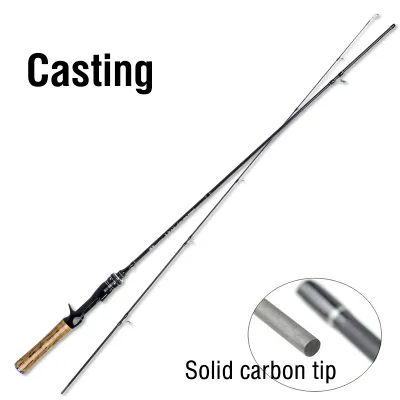
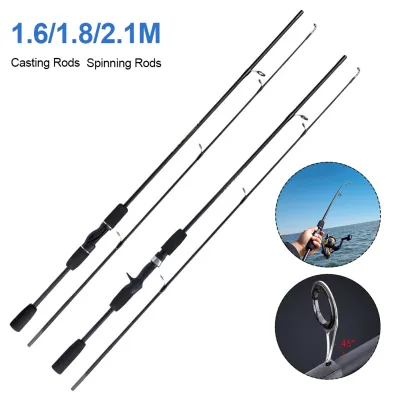
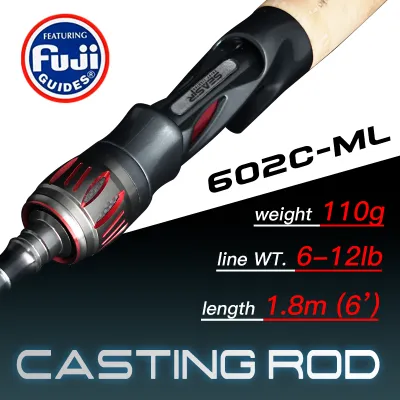
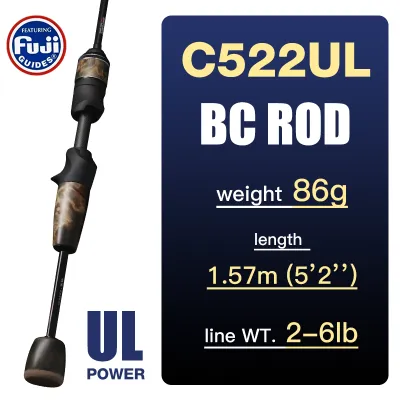
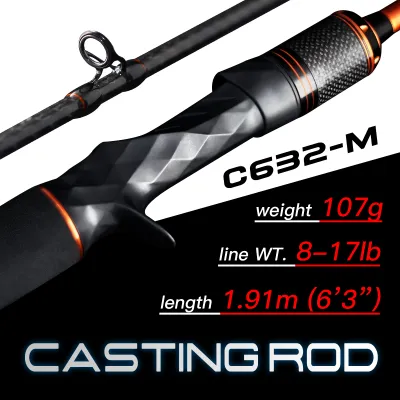
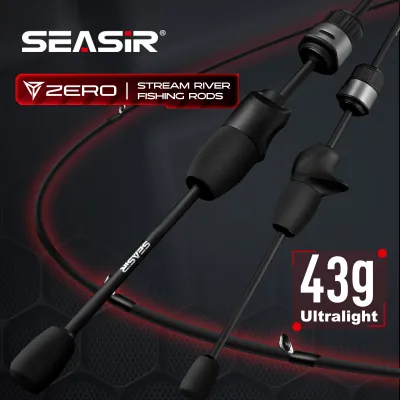
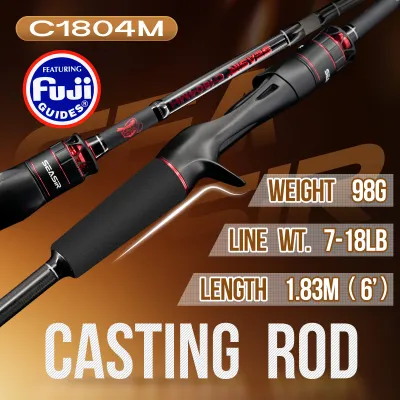
Prices are valid at publication and may change. Please refer to the product page for the latest price.
Rod power is another critical classification that determines how the rod performs under load. Power ranges from ultra-light to extra-heavy, representing the rod’s resistance to bending. For a beginner, a Medium (M) or Medium-Light (ML) power rating offers the most versatile performance. A medium-power rod provides a solid “backbone” near the handle, giving you enough leverage to control moderately sized fish, while remaining flexible enough at the tip to cast lighter lures effectively. If you choose a rod that is too heavy, you will struggle to cast common beginner-friendly baits; if you choose one that is too light, you may lack the power to set the hook properly or prevent a strong fish from swimming into underwater obstructions.
Finally, consider the physical length of the rod, which directly influences your casting distance, leverage, and handling comfort. A standard length of 6.6 to 7.0 feet is widely considered the sweet spot for beginners. Rods within this range are long enough to achieve excellent casting distance from shore or a jetty, yet short enough to remain highly manageable. A rod that is too long can feel top-heavy and unwieldy, leading to rapid wrist fatigue, while a rod that is too short limits your ability to keep the line clear of obstacles near the water’s edge.
Decoding the Specifications on the Rod Blank
To ensure you select a Tachi rod that matches your skill level and intended use, you must learn to read the technical specifications printed directly on the rod blank, usually just above the handle. These markings serve as a manufacturer-approved guide to the rod’s physical limits and optimal operating parameters. Staying within these specified limits is crucial for preventing structural damage and ensuring the rod performs as engineered.

The two most critical ratings to check are the recommended line weight and lure weight. The line weight rating (typically expressed as a range, such as 8–15 lb) indicates the strength of the line the rod is designed to support. Using a line that exceeds this rating is highly risky; if your line gets snagged and you pull too hard, the line may not break, causing the rod blank to absorb excessive force and snap. The lure weight rating (such as 1/4 to 3/4 ounces) indicates the weight range that will properly load the rod during a cast. Attempting to cast a lure that is heavier than the maximum limit overstresses the graphite or fiberglass fibers, which can lead to a sudden fracture during casting. Conversely, a lure that is too light will not bend the rod sufficiently, resulting in extremely short, inaccurate casts.
Rod action is another vital specification, describing where along the blank the rod bends when pressure is applied. While fast-action rods bend primarily near the tip, a moderate or moderate-fast action is highly recommended for beginners. A moderate action allows the rod to bend deeper into the middle section, creating a progressive, cushioning effect. This deeper bend acts as a shock absorber during a fight, which helps prevent the hook from tearing out of the fish’s mouth if you apply too much pressure. It also slows down the casting motion slightly, making it much easier for a novice to develop a smooth, consistent casting rhythm.
As a secondary check, inspect the physical components of the rod, including the guides and the handle. The number of guides along the blank helps distribute line tension evenly; a higher guide count generally leads to smoother casts and better fish-fighting performance. Verify that the guide frames are constructed from durable materials and feature smooth ceramic or aluminum oxide inserts, which minimize friction and protect your line from heat damage. For the handle, look for high-density EVA foam or quality cork. EVA foam is exceptionally durable, easy to clean, and provides a secure grip even when your hands are wet or covered in fish slime, making it an excellent choice for beginners.
Matching the Setup to Your Local Fishing Environment
Your choice of Tachi rod specifications must align closely with the specific water bodies and environments you plan to fish. Different venues present unique challenges, from corrosive saltwater to physical space constraints, all of which dictate the type of gear that will perform reliably.
If you plan to fish in coastal areas, estuaries, or saltwater canals, verifying the corrosion resistance of the rod’s components is a non-negotiable step. Saltwater is highly destructive to metals, and low-grade components will quickly develop rust, leading to guide failure or a seized reel seat. Look for rods that explicitly feature stainless steel guide frames and double-anodized hoods. Even when fishing in freshwater reservoirs, high humidity and exposure to rain mean that durable, rust-resistant components are always a smart investment for long-term reliability.
You must also match your rod’s power and length to the target species common in your local area. For example, if you are targeting smaller species like panfish or small tilapia in local ponds, a medium-light rod provides excellent sensitivity and makes the experience highly engaging. However, if you are targeting larger, hard-fighting predatory fish like barramundi or snapper, a medium-power rod is necessary to provide the lifting power required to turn the fish away from structures. Using a rod that is underpowered for the target species prolongs the fight unnecessarily, which can exhaust the fish to the point of exhaustion and increase the risk of line breakage.
Physical space constraints at your chosen fishing venue should also influence your decision. If you plan to fish from crowded public structures, such as Bedok Jetty or local piers, space to swing a rod is often limited. In these crowded environments, a slightly shorter rod of 6.6 feet allows you to execute controlled, precise casts without risking hitting overhead railings or nearby anglers. Similarly, if you are fishing from a kayak or a small boat, a shorter rod is much easier to maneuver when bringing a fish close to the hull for netting, whereas a long rod can make landing a fish in a confined space awkward and potentially dangerous for the rod tip.
Building Your Tachi Rod Shortlist and Finalizing the Setup
With a clear understanding of classifications, specifications, and environmental needs, you can begin building a shortlist of potential Tachi rod models. Start by visiting the official manufacturer website or visiting an authorized local tackle shop to cross-reference your requirements with the active Tachi series. Focus your search on entry-level or mid-range series that offer dedicated spinning models in the medium or medium-light power range, as these are engineered to provide the best balance of performance and value for those starting out.
Once you have selected a rod, pairing it with a compatible spinning reel is the next crucial step to ensure a balanced and comfortable setup. For a 6.6 to 7.0-foot medium-power Tachi rod, a 2500 to 3000 size spinning reel is generally the ideal match. To check the balance, mount the reel onto the rod’s reel seat and hold the setup at the top of the handle. The rod should balance relatively flat in your hand, without feeling excessively heavy at the tip or the butt. An unbalanced setup forces your wrist and forearm muscles to work constantly to keep the rod level, leading to rapid fatigue and reducing your ability to detect subtle bites.
Before making your final purchase, take the time to verify the warranty terms, return policies, and local stock availability with the retailer. A reliable warranty is highly valuable for a beginner, providing protection against manufacturing defects as you learn the ropes. If purchasing in person, perform a quick physical inspection: run your fingers along the blank to check for any rough spots or hairline cracks, ensure all the guides are perfectly aligned in a straight line, and verify that the reel seat locks down smoothly and securely. Finally, always consult the manufacturer’s manual or care guide for any specific break-in instructions, maximum drag recommendations, and routine care guidelines to ensure your new gear remains in peak condition for years to come.
Frequently Asked Questions (FAQ)
How do I properly clean my rod after a saltwater fishing trip?
To prevent corrosion and maintain the smooth performance of your Tachi rod, it is essential to clean it thoroughly after every saltwater outing. Begin by rinsing the entire rod with a gentle stream of fresh, lukewarm water. Avoid using high-pressure hose nozzles, as the intense pressure can force salt crystals, sand, and grime deep into the guide wraps, reel seat threads, and ferrule joints, causing premature wear.
After rinsing, wipe down the entire blank, guides, and handle using a soft microfiber cloth dampened with mild soapy water. Pay close attention to the metal guide frames and the areas where they attach to the blank, as salt deposits tend to accumulate in these small crevices. Rinse the rod once more with fresh water to remove any soap residue, then dry it thoroughly with a clean towel. Allow the rod to air dry completely in a well-ventilated, shaded area before storing it to prevent mildew or moisture buildup.
What is the best way to store a multi-piece fishing rod to prevent damage?
Proper storage is critical for protecting the structural integrity of a multi-piece Tachi rod when it is not in use. When disassembling the rod, always pull the sections straight apart without twisting them, as twisting can stress and damage the ferrules. Place the individual sections into a padded rod sock or a hard protective rod tube, which will shield the delicate blank and guides from accidental impacts, scratches, or crushing forces during transport. For example, budgeting S$10 to S$20 for a quality protective rod sock is a highly cost-effective way to safeguard your investment.
Store your rod in a temperature-controlled indoor environment away from direct sunlight. Avoid leaving your fishing gear in areas subject to extreme heat, such as a closed car trunk or an unventilated metal shed, as high temperatures can degrade the epoxies and resins holding the graphite fibers together, potentially warping the blank. For long-term storage, keep the rod horizontal on a dedicated rod rack or vertical in a secure stand, ensuring that it does not lean at a sharp angle, which can cause the blank to develop a permanent bend over time.

Community discussion
Share your experience or ask a question. Comments are reviewed before publication.