
Selecting your first tachi rod requires a shift in mindset from chasing high-end, ultra-sensitive professional gear to prioritizing structural durability, forgiveness, and practical utility. Tachi, or hairtail (cutlassfish), possess a unique fighting style characterized by sudden, violent downward lunges and aggressive head-shaking. For a beginner, a rod that can absorb these erratic movements without snapping or pulling the hook out of the fish’s relatively soft mouth is far more valuable than a brittle, high-modulus carbon rod designed for experienced tournament anglers. By focusing on a balanced blank construction, reliable guide components, and a specification set tailored to your local fishing environment, you can establish a solid foundation for this highly engaging sport.
Understanding Tachi Rod Basics for New Anglers
Tachi fishing is a highly specialized pursuit that targets the ribbon-like hairtail, a species known for its metallic silver body, razor-sharp teeth, and vertical swimming posture. Unlike typical game fish that run horizontally, hairtail often hover vertically in the water column, striking prey from below and then shaking their heads violently to sever or disable it. This distinct behavior dictates the design of a dedicated tachi rod. The rod must feature a highly sensitive, supple tip section to register the subtle, tentative pecks of a curious fish, paired with a rapid transition into a robust, powerful mid-section and butt to drive the hook home through the fish’s bony jaw.
For novice anglers, the primary gear requirement is error tolerance rather than extreme, lightweight sensitivity. High-modulus carbon rods, while incredibly light and responsive, are highly susceptible to structural failure when subjected to improper handling. Common beginner mistakes, such as high-sticking—lifting the rod past a 90-degree angle during the landing phase—or accidentally striking the blank against a concrete jetty railing, can easily shatter a fragile, high-modulus blank. A composite blank or a low-to-medium modulus carbon rod offers a much higher degree of resilience, bending deeply under load to absorb both the fish’s lunges and the angler’s operational errors.
Products mentioned in this guide
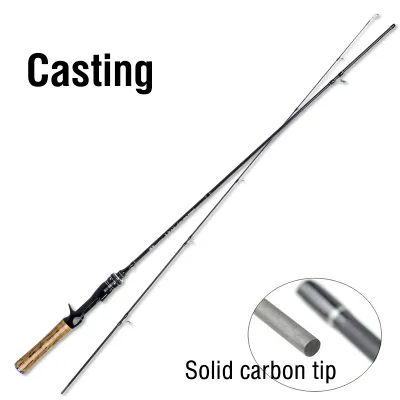
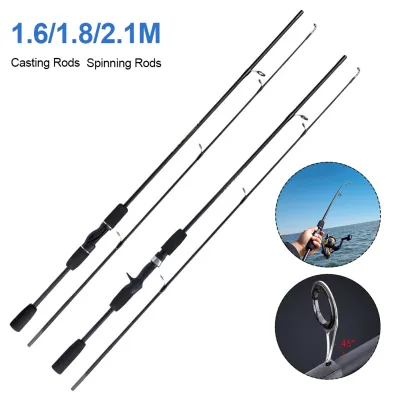
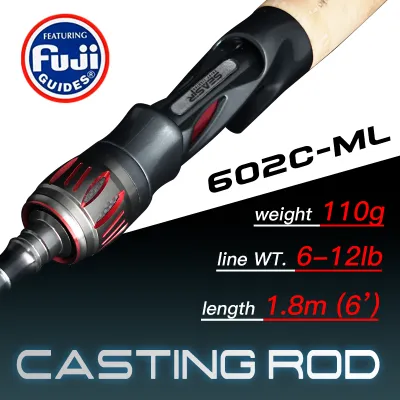
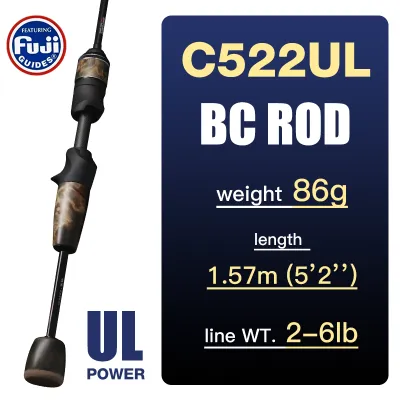
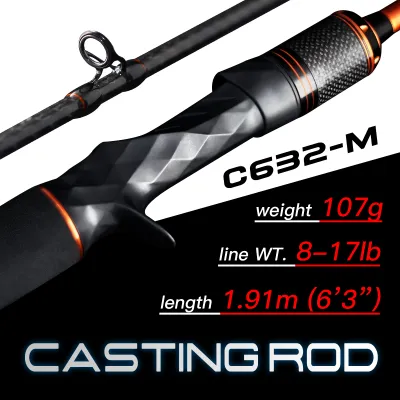
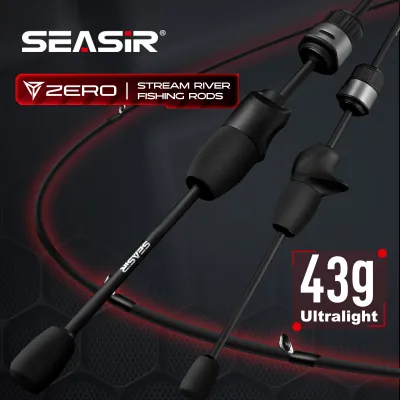
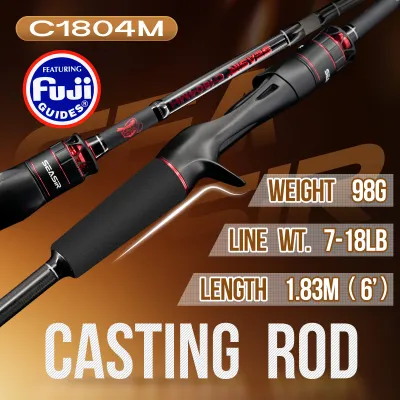
Prices are valid at publication and may change. Please refer to the product page for the latest price.
A major pitfall for first-time buyers is the temptation to purchase a rod based solely on generic marketing terms or aesthetic appeal. Many beginners mistakenly buy heavy shore jigging rods or stiff boat rods, assuming that extra stiffness will make hook setting easier. In reality, an overly stiff rod often results in missed hookups, as the fish feels immediate resistance and spits the bait, or the hook tears through the soft tissue of the mouth during the fight. Understanding the balance between tip flexibility and backbone strength is the first step toward selecting a tool that works with you, rather than against you, on the water.
Key Specifications to Match Your Fishing Environment
To choose the right tachi rod, you must first identify where and how you plan to fish, as the physical environment dictates the optimal rod length and weight. If you intend to fish from shorelines, concrete breakwaters, or public jetties, you will need a longer rod, typically ranging from 8.3 feet to 9.6 feet. This extra length is essential for maximizing casting distance with lightweight lures, wind game setups, or float rigs, and it helps you steer the fish away from sharp, barnacle-encrusted structures near the water’s edge. Conversely, if you are fishing from a charter boat, a shorter rod between 6.0 feet and 7.6 feet is far more practical. Boat rods prioritize vertical control and maneuverability in tight spaces, allowing you to work tenya jigs or vertical jigs directly beneath the vessel without fatiguing your arms over a long session.

The action and power of the rod are equally critical parameters that govern how the blank behaves under tension. For beginners, a moderate-fast or fast action is highly recommended. A moderate-fast action allows the rod to bend progressively down its upper third, providing a forgiving cushion that dampens the sudden, sharp head shakes of the hairtail. In terms of power, a medium-light (ML) or medium (M) rating is the most versatile starting point. This power range typically supports casting weights from 7 grams to 30 grams for shore casting, which perfectly matches standard tachi jigs, soft plastics, and light wire rigs. For boat-based tenya fishing, ensure the rod’s power rating matches the local current conditions and depth, often specified in tenya weight sizes (such as size 30 to 40, which translates to approximately 110 to 150 grams).
Finally, pay close attention to the guides and the reel seat, as these components directly impact the rod’s longevity and performance. Because tachi fishing almost exclusively utilizes braided PE lines for their low stretch and high sensitivity, the rod guides must be constructed from high-quality materials that can withstand constant friction. Look for rods equipped with reputable guide brands, such as Fuji, featuring ceramic inserts like aluminum oxide or Alconite. These materials dissipate heat efficiently and resist the grooving that abrasive braided lines can cause over time. The reel seat must feature a secure, ergonomic locking mechanism—ideally with a double-nut system or a textured screw-down hood—to prevent the reel from wobbling or backing loose during active jigging sequences.
Evaluating Brands and Entry-Level Build Quality
When navigating the market, focusing on established manufacturers with a proven track record in saltwater fishing is a reliable way to ensure quality. Brands like Shimano, Daiwa, and Major Craft offer dedicated entry-level series designed specifically for tachi or light utility saltwater applications. These manufacturers benefit from economies of scale, allowing them to trickle down advanced design philosophies—such as specialized blank wraps that reduce twisting—into their budget-friendly lineups. Furthermore, choosing a reputable brand ensures access to reliable after-sales support and local warranties. In Singapore’s active angling community, having access to authorized local distributors means you can easily source replacement sections if an accident occurs, rather than having to discard the entire rod.
Evaluating build quality in a physical store or immediately upon delivery requires a systematic physical inspection. Begin by examining the thread wraps that secure the guides to the carbon blank. The epoxy coating over these wraps should be perfectly smooth, even, and free of air bubbles or cracks. Any exposed thread or cracked epoxy can allow saltwater to penetrate beneath the guide foot, leading to hidden corrosion and eventual guide failure. Next, inspect the ferrule joints where the rod sections connect. For a two-piece rod, a spigot or put-over joint should leave a visible gap of about 5mm to 15mm when fully assembled. This gap is an intentional design feature that allows the joint to tighten naturally as the material wears down over years of use; if the sections flush completely on day one, the joint will soon become loose and twist during casting.
A smart budget allocation strategy is vital for beginners to avoid the common mistake of overspending on the rod itself. A fishing setup is a system, and its performance is limited by its weakest link. A balanced approach involves allocating approximately 30% of your total budget to the rod, 40% to a reliable spinning or overhead reel with a smooth, progressive drag system, and the remaining 30% to high-quality braided line, fluorocarbon shock leaders, wire bite leaders, and terminal tackle. For instance, if your total budget is S$300, spending roughly S$90 to S$100 on a well-constructed entry-level rod leaves ample room to secure a durable reel and the essential accessories needed to handle the hairtail’s sharp teeth and aggressive strikes.
Buying Channels and Pre-Use Safety Checks
Where you purchase your tachi rod can significantly influence your overall experience and the authenticity of the product. Visiting a local physical tackle shop is highly recommended for beginners, as it allows you to physically hold the rod, test its balance with different reels, and receive personalized advice from experienced staff. If you choose to buy online, prioritize official brand stores or authorized dealers on reputable ecommerce platforms to avoid counterfeit products or grey-market items that lack warranty coverage. Be cautious of unbranded, extremely cheap listings on general online marketplaces, as these products often use inferior fiberglass composites that lack the necessary action and durability for tachi fishing.
Once your rod arrives or before you leave the store, conduct a thorough receiving verification to identify any hidden transit damage. Gently tap the carbon blank along its entire length with your fingernail; a sharp, consistent ringing sound indicates a healthy structure, whereas a dull, hollow thud or a clicking sound can signal an internal fracture or delamination caused by rough handling during shipping. Run your fingers along the ceramic inserts of every guide ring to check for hairline cracks, chips, or rough edges. Even a microscopic chip in a ceramic guide can act like a razor blade, instantly severing your braided line under the tension of a casting stroke or a fighting fish.
Before heading to the water, perform a controlled first assembly and safety test at home. Align the guides meticulously and push the sections together firmly with a slight twist to lock them in place. Mount your reel securely into the reel seat, ensuring the locking hood is fully tightened. Thread your line through every guide, double-checking that the line does not wrap around the blank between guides. To conduct a static load test, secure the end of the line to a low-friction object or have a partner hold it, then slowly lift the rod to a 45-degree angle to create a smooth bend. Listen closely for any creaking, popping, or clicking sounds from the blank or the joints. If you hear any unusual noises or feel sudden resistance, stop immediately, disassemble the rod, and inspect the ferrule connection for debris or structural misalignment.
Frequently Asked Questions (FAQ)
Can I use a general-purpose spinning rod instead of a dedicated tachi rod?
Yes, a general-purpose medium-light spinning rod, such as a seabass or light shore jigging rod, can serve as a temporary substitute for shore-based tachi fishing. These rods often possess the necessary length and casting weight range to throw light jigs or soft plastics. However, they generally lack the highly specialized, ultra-supple tip action found on dedicated tachi rods. A dedicated rod is designed to let the hairtail take the bait without feeling immediate resistance, which is crucial for maximizing hookup rates. For boat-based tenya fishing, a dedicated rod is highly recommended, as the technique requires extreme tip sensitivity to detect subtle upward bites when the fish lifts the tenya jig.
How do I know if a tachi rod is too stiff or too soft for my target catch?
You can determine the suitability of a tachi rod by checking the manufacturer’s specifications printed directly on the blank near the reel seat. This label lists the recommended lure weight range (either in grams or tenya sizes) and the compatible line ratings (usually in PE line sizes). If your lures are lighter than the minimum recommended weight, the rod will be too stiff, resulting in poor casting distance, reduced bite detection, and a high likelihood of tearing the hook out of the fish’s mouth. Conversely, if your lures exceed the maximum recommended weight, the rod will be too soft, causing the blank to overload during casting or jigging, which severely compromises control and risks snapping the rod under load.

Community discussion
Share your experience or ask a question. Comments are reviewed before publication.