
Fitting a home gym bicycle into a typical Singapore HDB flat requires a smart balance of fitness utility and spatial awareness. With bedrooms and living areas often serving multiple purposes, choosing a bulky, commercial-grade exercise bike can quickly turn a functional room into a cramped, cluttered space. The key to successfully integrating cardio equipment into your home is selecting a model designed specifically for compact living—one that can be easily tucked away, folded, or positioned in a corner without obstructing daily foot traffic. By focusing on footprint, portability, and your specific workout needs, you can maintain an active lifestyle without compromising the comfort and flow of your living space.
Measuring Your Available Space and Clearance Needs
Before browsing different home gym bicycle models, it is essential to measure your designated workout area with precision. Many fitness enthusiasts make the mistake of looking only at the static dimensions of the machine, forgetting that the active footprint is always larger than the storage footprint. When you are pedaling, your knees, feet, and body shift, requiring extra lateral and vertical clearance. You must account for the full pedaling radius, the reach of the handlebars, and the space needed to safely mount and dismount the bike.
In a standard HDB bedroom or living room corner, walkway clearance is a primary safety consideration. A parked or active bike should never block door swing paths, wardrobe doors, or main pathways. It is highly recommended to maintain a clearance zone of at least 50 to 60 cm around the entire perimeter of the bike during use. Additionally, consider ventilation gaps; placing a bike too close to a wall or window can restrict airflow, making your workouts uncomfortably warm in Singapore’s humid climate. Finally, do not overlook ceiling height. If you plan to use an indoor cycling bike that encourages standing pedal strokes, verify that your head will clear any ceiling fans, light fixtures, or low-hanging beams when you are at the peak of your riding position.
Products mentioned in this guide
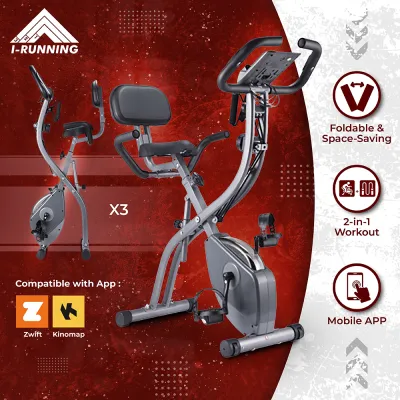
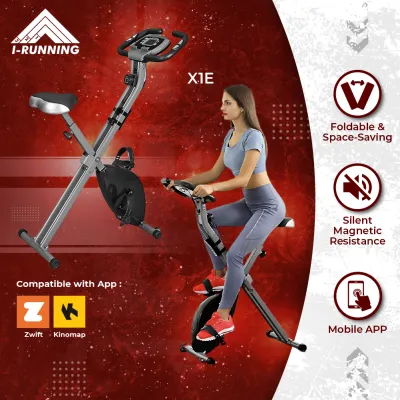
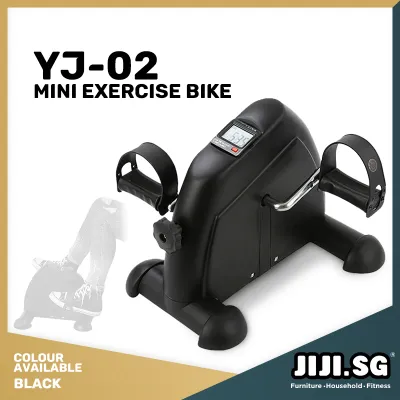
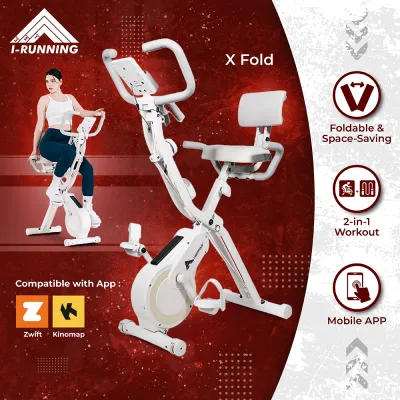
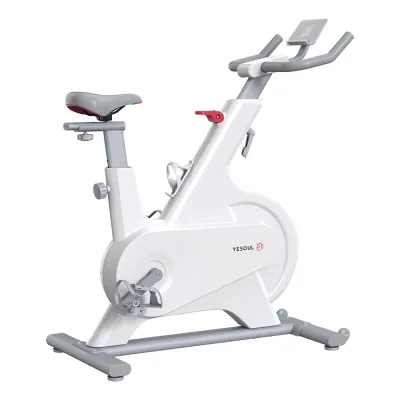
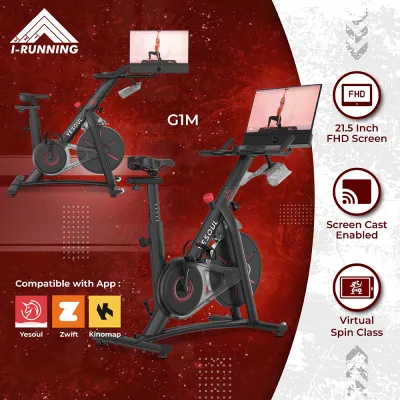
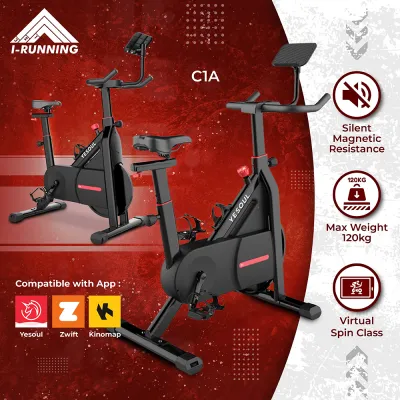
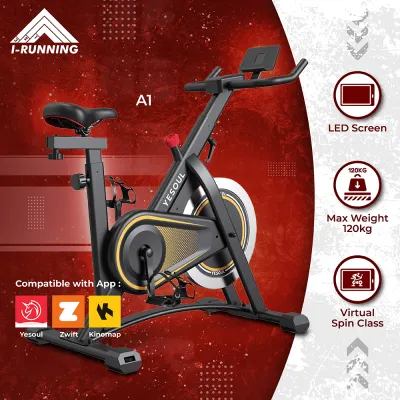
Prices are valid at publication and may change. Please refer to the product page for the latest price.
Comparing Bicycle Types for Small Bedrooms and Corners
Different styles of home gym bicycles offer distinct advantages and trade-offs when it comes to space efficiency and workout intensity. Understanding these differences allows you to choose a model that aligns perfectly with your HDB layout and fitness goals.

Folding exercise bikes are highly popular for small spaces because they can be collapsed into a compact X-shape when not in use. This dramatically reduces their floor footprint, allowing you to roll them into a utility closet, behind a door, or next to a wardrobe. However, the folding mechanism introduces a hinge in the frame, which naturally reduces overall frame rigidity. Consequently, folding bikes typically have lower maximum weight capacities and may feel less stable during high-intensity workouts. They are best suited for moderate, steady-state cardio rather than vigorous sprinting.
Compact upright bikes offer a sturdy middle ground. They feature a traditional riding position with a smaller footprint than recumbent models, but they generally do not fold. Because they rely on vertical height rather than horizontal length, they fit well into tight corners. When evaluating an upright bike, check the adjustment range of the seat and handlebars to ensure it accommodates your height while maintaining a stable center of gravity.
Indoor cycling bikes, often referred to as spin bikes, are designed for high-intensity training and out-of-saddle riding. They feature a narrow frame width, making them easy to align parallel to a wall. However, their overall wheelbase length is often longer than that of a standard upright bike to support a heavy flywheel and provide stability. If you choose an indoor cycling bike, measure your room’s length carefully to ensure the extended wheelbase does not protrude into your main walking paths.
Standard recumbent bikes, which feature a reclined seat and forward pedals, are generally unsuitable for tight HDB layouts. Their elongated frames require significant floor space, making them difficult to place in small bedrooms or corners. Unless you find an ultra-compact variant specifically engineered with a shortened slide rail, it is best to avoid traditional recumbents if space is your primary constraint.
Key Space-Saving Features to Look For
When shopping for a home gym bicycle, specific design features can make a massive difference in how easily the equipment integrates into your daily routine. Prioritizing these details ensures your bike remains a convenient tool rather than an annoying obstacle.
First and foremost, look for built-in transport wheels and a manageable frame weight. Even if a bike does not fold, front-mounted wheels allow you to tilt the machine and roll it out of the way with minimal effort. This is crucial if you need to move the bike from a sleeping area to a living area for your workouts. A frame that is too heavy or lacks wheels will quickly discourage you from exercising due to the hassle of moving it.
Next, consider the design of the resistance mechanism and console. Magnetic resistance systems are highly recommended for HDB flats because they are incredibly quiet and require less physical space than bulky friction flywheels. Look for streamlined console mounts that hold your tablet or phone securely without adding unnecessary bulk to the handlebars. Some modern space-saving bikes even feature foldable handlebars or quick-release seat posts, allowing you to lower the bike’s overall profile so it can be stored under a raised bed frame or inside a deep cabinet.
Finally, integrated accessories like built-in water bottle cages and device holders are highly practical. They eliminate the need to place a separate side table or stand next to your bike, keeping your workout zone self-contained and saving valuable floor space in tight quarters.
Safety, Stability, and Floor Protection in Compact Setups
Operating fitness equipment in a confined space requires careful attention to safety and floor preservation. A compact setup should never compromise your physical safety or damage your home’s interior.
Always verify the manufacturer’s stated weight capacity and the width of the base stabilizers. A bike with a narrow base is easier to store, but it must still provide enough lateral stability to prevent tipping or wobbling when you pedal at high speeds. Before purchasing, check user reviews or product specifications to ensure the base is wide enough to handle your body weight and riding style safely.
Floor protection is another critical factor in HDB flats, which commonly feature ceramic tiles, vinyl, or parquet flooring. The weight of the bike combined with the friction of your pedaling can easily scratch, dent, or discolor these surfaces. Placing a high-density, non-slip floor mat under your bike is essential. Ensure the mat is sized correctly for the bike’s active footprint and that its edges lie completely flat. Curled edges on a floor mat can easily become a trip hazard in a narrow bedroom walkway.
Additionally, inspect the stabilizer knobs and leveling feet on the bottom of the bike. HDB floors, especially in older flats, may have slight unevenness. Adjustable leveling feet allow you to stabilize the bike on uneven surfaces, preventing annoying rocking motions during your workout. Lastly, if you use a folding bike, always follow the manufacturer’s exact guidelines for locking the frame in place before mounting. Regularly inspect the safety pins and hinges to prevent accidental folding or structural wear over time.
Frequently Asked Questions (FAQ)
Can I keep an exercise bike in an HDB bedroom without blocking the walkway?
Yes, you can successfully keep an exercise bike in an HDB bedroom by utilizing dead spaces and planning your layout carefully. Position the bike parallel to a wall, in the gap beside a wardrobe, or next to a window where foot traffic is minimal. To ensure safety, maintain at least 50 cm of clear walkway space around the bike when it is in use. If your bedroom is exceptionally tight, a folding exercise bike is the most practical option, as it can be rolled behind a door or into a closet when your workout is complete.
Do folding exercise bikes offer enough resistance for serious workouts?
Folding exercise bikes generally use magnetic resistance systems with lighter flywheels, which are excellent for moderate cardio, active recovery, and steady-state endurance training. However, they may not provide the heavy resistance or structural stability required for high-intensity interval training (HIIT) or out-of-saddle climbing simulations. If your fitness goals involve intense strength or sprint training, verify the manufacturer’s specifications regarding flywheel weight and maximum resistance levels to ensure the bike can support your training needs.

Community discussion
Share your experience or ask a question. Comments are reviewed before publication.