
Standard single-wall plastic bottles do not insulate. When comparing 2000ml plastic sports bottles for cold retention, the decision relies on identifying double-wall plastic constructions or external insulating sleeves, rather than expecting vacuum-level performance from any brand. Because plastic is a natural conductor of heat compared to vacuum-sealed metals, a 2000ml plastic bottle will always exchange heat with the surrounding air. However, choosing the right structural design and utilizing smart cooling strategies can help maintain a refreshing temperature during your workouts.
Understanding Why Standard Plastic Bottles Struggle to Keep Water Cold
To understand why large-capacity plastic bottles struggle with temperature control, it is essential to look at the materials used in their construction. Most popular sports bottles are made from plastics such as Tritan co-polyester, polypropylene (PP), or polycarbonate. While these materials are highly valued for their impact resistance, lightweight nature, and BPA-free safety profiles, they possess relatively high thermal conductivity. This means heat from the outside environment easily passes through the plastic barrier and warms the water inside.
A standard single-wall construction offers virtually no thermal resistance. The single layer of plastic acts as a direct bridge between the warm ambient air and your cold beverage. In contrast, double-wall plastic bottles feature an inner and outer container separated by a thin air gap. While air is a poor conductor of heat and provides a slight insulating barrier, it lacks the high-efficiency thermal resistance of a true vacuum. Consequently, even double-wall plastic designs only delay temperature equalization rather than stopping it.
Products mentioned in this guide
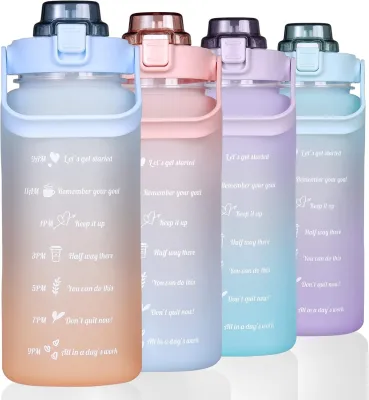
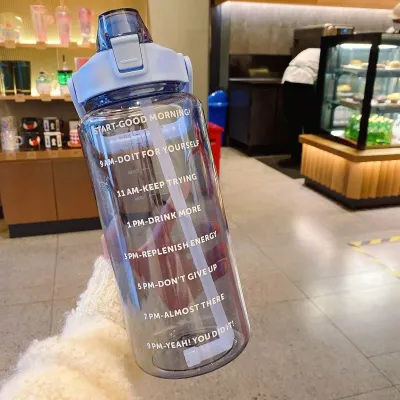
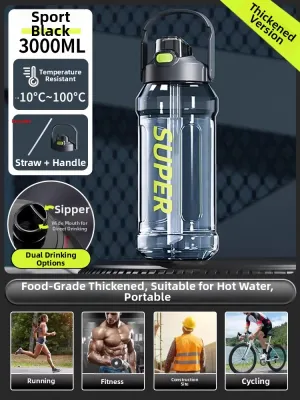
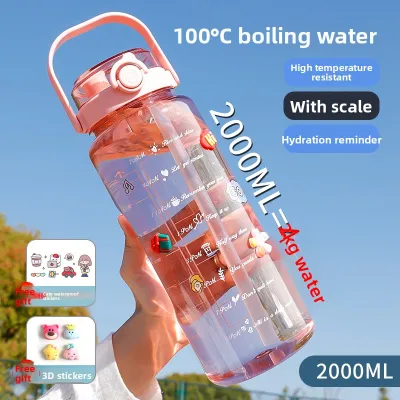
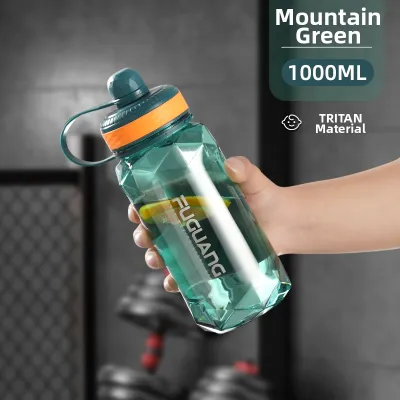
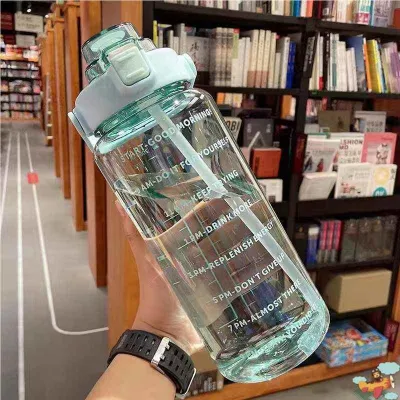

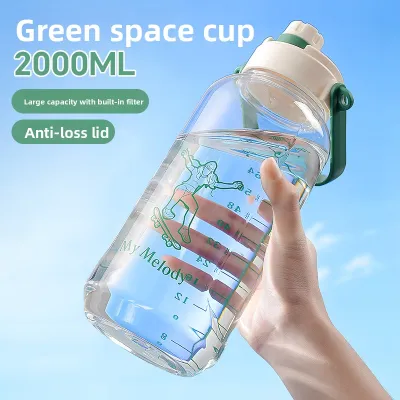
Prices are valid at publication and may change. Please refer to the product page for the latest price.
Another physical challenge of using single-wall plastic bottles in warm, humid environments—such as outdoor fitness parks or indoor gyms in Singapore—is external condensation, commonly known as sweating. When cold water is poured into a single-wall bottle, the outer surface of the plastic rapidly drops in temperature. Moisture in the humid air condenses on this cold surface, creating a constant layer of water droplets. This sweating does not just make the bottle slippery to hold; it also accelerates heat transfer, as the moisture on the outside acts as a thermal conductor, drawing warmth from the surrounding air directly into your drink.
Key Design Features to Look for in 2000ml Plastic Bottles
When shopping for a 2000ml plastic sports bottle with the goal of keeping your water cold, specific structural features can make a noticeable difference. The first feature to verify is double-wall construction. Although double-wall plastic bottles are bulkier and slightly heavier than their single-wall counterparts, the air layer trapped between the walls slows down the rate at which heat penetrates the liquid. This design also significantly reduces external condensation, keeping your gym bag and hands dry.

A wide-mouth opening is another critical feature for temperature management. Large openings allow you to easily insert large ice cubes or solid ice blocks rather than small, crushed ice. Large ice blocks have a lower surface-area-to-volume ratio, meaning they melt at a much slower rate than crushed ice. This slower melting process keeps the surrounding water cold for a longer duration during extended training sessions.
External insulating sleeves offer a highly effective physical barrier against ambient heat. Typically made from neoprene or thick, insulated fabric, these sleeves slide over a standard single-wall bottle. The dense structure of neoprene traps air pockets, providing a layer of insulation that is often superior to double-wall plastic alone. Additionally, these sleeves absorb external condensation and protect the plastic bottle from scratches and drops.
Finally, consider the opacity and color of the plastic material. Opaque, dark, or UV-blocking plastics help prevent solar radiation from directly penetrating the bottle. When training outdoors under direct sunlight, radiant heat can rapidly warm clear liquids. By choosing a bottle that blocks or reflects light, you minimize the greenhouse effect occurring inside your water container.
Comparing Common 2000ml Plastic Bottle Designs for Workouts
Selecting the right 2000ml plastic bottle requires balancing the trade-offs between weight, durability, and thermal performance. Single-wall clear plastic bottles are the most common and affordable option on the market. They are exceptionally lightweight and highly durable, making them easy to carry around a fitness center or track. However, their cold retention is minimal. If you fill a single-wall bottle with ice water, it will likely reach room temperature within an hour in a warm environment. These bottles are best suited for short, indoor workouts where immediate consumption is the priority.
Double-wall plastic bottles offer a step up in thermal performance without the heavy weight of stainless steel. They provide moderate insulation, keeping water cool for roughly twice as long as a single-wall bottle under identical conditions. The primary trade-off is their physical size; because of the double-wall design, a 2000ml capacity bottle will have a significantly larger outer diameter, making it bulkier to carry and less likely to fit into standard cup holders or bicycle cages. They are ideal for indoor gym sessions where you want to avoid condensation puddles on the equipment.
Bottles equipped with insulated neoprene sleeves represent a highly versatile middle ground. This configuration allows you to enjoy the lightweight durability of a single-wall bottle while gaining a removable layer of thermal protection. The sleeve can be slipped on for outdoor workouts in the heat and removed for easy cleaning or indoor use. However, this setup requires regular maintenance, as the fabric sleeve must be washed and dried periodically to prevent mold and odor buildup from sweat and condensation.
Practical Tips to Maximize Cold Retention During Workouts
Because plastic bottles have inherent thermal limitations, your preparation and usage habits play a massive role in how long your water stays cold. A highly effective technique is to pre-chill your empty plastic bottle in the refrigerator before your workout. Filling a warm plastic bottle with cold water immediately transfers some of the water’s cold energy to the plastic material, raising the initial temperature of your drink. Pre-chilling ensures the bottle itself is cold before the liquid is introduced.
When preparing your ice, opt for frozen water blocks instead of standard ice tray cubes. You can create these by freezing water in small, food-safe silicone molds that fit through your bottle’s mouth. These larger blocks melt much slower, providing a steady release of cold water over several hours. Additionally, always fill your 2000ml bottle completely to the top. Minimizing the empty air space inside the bottle reduces the amount of warm air that can circulate and accelerate the melting of your ice.
Strategic storage during your workout is equally important. Never leave your plastic water bottle in direct sunlight, on hot concrete, or inside a parked vehicle. Even a high-quality insulated sleeve cannot withstand the intense heat buildup of a closed car or direct midday sun. Instead, keep your bottle tucked inside a shaded gym bag, under a bench, or wrapped in a dry towel when training outdoors.
When to Switch from Plastic to Insulated Stainless Steel
While a 2000ml plastic bottle is an excellent choice for many athletes, there are specific scenarios where plastic simply cannot meet your hydration needs. If your workouts involve multi-hour outdoor hiking, all-day sports tournaments, or long beach training sessions in high heat, plastic bottles will fail to keep your water cold. Under intense, prolonged heat, even a double-wall plastic bottle with a sleeve will allow ice to melt completely within a few hours.
In these demanding environments, vacuum-insulated stainless steel becomes the necessary alternative. Double-wall vacuum insulation in steel bottles creates a near-perfect vacuum between the walls, virtually eliminating heat transfer by conduction or convection. This allows steel bottles to keep ice frozen for up to 24 hours or more, even in tropical climates. However, this performance comes with a significant weight penalty; a metal bottle is substantially heavier than a plastic one, which can be a drawback if you need to carry your hydration over long distances on foot.
The decision rule is straightforward: choose a 2000ml plastic bottle if your primary concerns are lightweight portability, impact durability, and budget-friendly high-volume hydration for workouts lasting under two hours. If your priority is long-term ice retention over several hours in hot conditions, and you do not mind the extra carrying weight, investing in a vacuum-insulated stainless steel bottle is the better choice.
Frequently Asked Questions (FAQ)
Can I put boiling water in a 2000ml plastic sports bottle?
You should not put boiling water into a plastic sports bottle unless the manufacturer explicitly states it is safe to do so. Many common sports plastics, such as standard polyethylene (PET) or lower-grade polypropylene (PP), have low heat deflection temperatures and can warp, crack, or leach chemicals when exposed to boiling water. Even heat-resistant materials like Tritan co-polyester, which can technically withstand high temperatures, may degrade faster over time if repeatedly exposed to boiling liquids. Always check the maximum temperature rating printed on the product label or user manual before introducing hot liquids.
Why does my plastic bottle sweat when filled with cold water?
Sweating is a natural physical phenomenon that occurs when the warm, humid ambient air comes into contact with the cold outer surface of a single-wall plastic bottle. The temperature drop causes the moisture vapor in the air to transition into liquid water droplets on the bottle’s exterior. To manage this moisture and protect your gym gear, you can use a custom-fit neoprene sleeve, wrap the bottle in a microfiber towel, or choose a double-wall plastic bottle design, which keeps the outer surface closer to room temperature and minimizes condensation.

Community discussion
Share your experience or ask a question. Comments are reviewed before publication.