
Selecting a 500ml sports water bottle that can withstand Singapore’s year-round tropical heat requires looking past generic marketing promises. While many manufacturers claim their bottles keep drinks cold for up to 24 hours, these tests are typically conducted in climate-controlled laboratories at temperatures far below the typical 32°C outdoor heat and high humidity of Singapore. To find a bottle that truly performs during an afternoon run along the East Coast Park or a long commute, you must evaluate the physical construction, lid design, and material specifications of each option.
A 500ml capacity is highly popular because it balances portability with adequate hydration for short-to-medium workouts. However, because smaller bottles have a higher surface-area-to-volume ratio than their larger counterparts, they are more susceptible to rapid heat transfer if the insulation is compromised. Understanding how heat enters your bottle and how different designs mitigate this transfer is the key to making an informed purchase.
Core Insulation Technologies to Verify on Product Labels
Double-wall vacuum insulation is the baseline standard for thermal performance in modern sports bottles. This design features an inner and outer wall of stainless steel with the air evacuated from the space between them. Because a vacuum contains no air molecules, it virtually eliminates heat transfer via conduction and convection. When shopping, look specifically for “vacuum insulated” rather than simply “double-walled,” as some budget bottles only contain air or foam between the walls, which is far less effective at blocking tropical heat.
Products mentioned in this guide
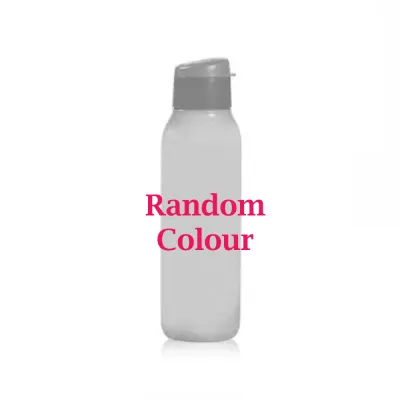
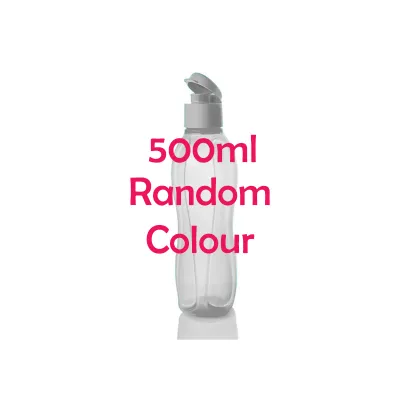
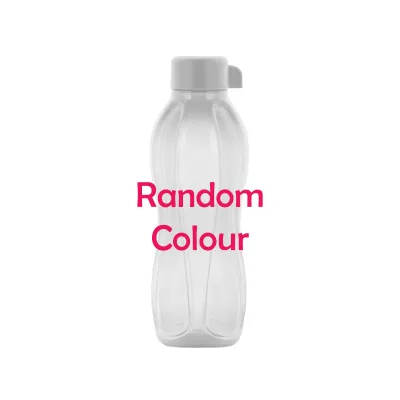
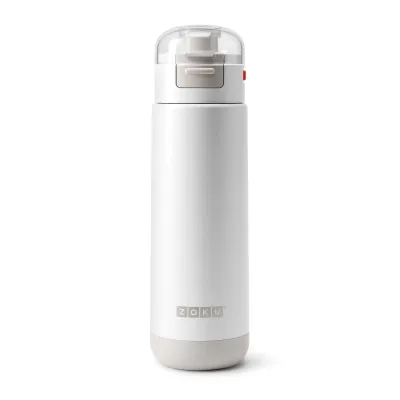
![[DRM ONLINE] Official Distributor | NEW! Eplas (EGH 500ml) BPA-Free Water Bottle (Black / Stars)](https://img.lazcdn.com/g/p/876f0f0746f3b5d9e02aac723e428fc4.jpg_400x400q80.jpg_.webp)
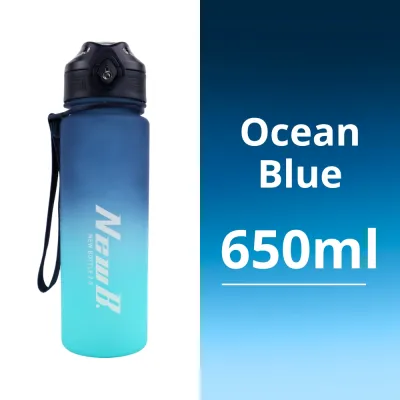
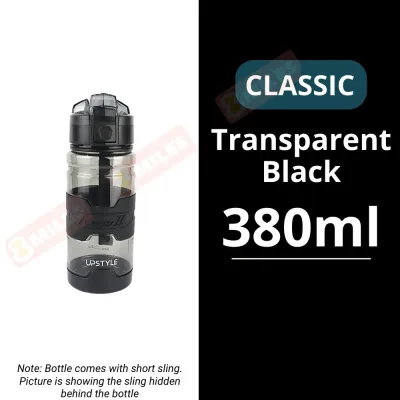
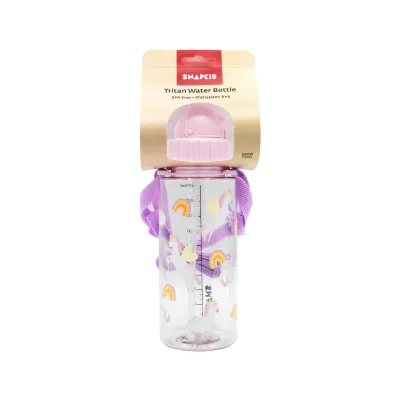
Prices are valid at publication and may change. Please refer to the product page for the latest price.
To combat radiant heat transfer, premium sports bottles often incorporate a third layer or a reflective copper lining on the outer surface of the inner wall. This copper plating acts as a thermal mirror, reflecting infrared radiation away from your cold beverage. When examining product packaging or online specifications, check if the manufacturer explicitly lists a copper lining or a triple-layer thermal barrier. This feature is particularly valuable if you plan to leave your bottle in direct sunlight, such as on an outdoor tennis court or a kayak deck.
Manufacturer labels often boast long cold-retention hours, but these claims are usually based on starting with a bottle filled entirely with solid ice and kept in a mild room. In Singapore’s ambient outdoor temperatures, which frequently exceed 30°C, real-world cold retention will be significantly shorter. Look for brands that disclose their testing parameters, such as the starting water temperature and the external testing temperature. If a brand does not provide these details, treat their hourly claims as a relative baseline rather than an absolute guarantee.
How to Compare Brand Specifications and Marketing Claims
High-performance insulation requires robust materials, which inevitably adds weight to the vessel. A high-quality 500ml insulated stainless steel bottle typically weighs between 250 and 350 grams when empty. If a bottle feels exceptionally light, it may have thinner steel walls or a narrower vacuum gap, which can compromise its structural integrity and thermal performance over time. Compare the empty weight of different models to find a balance between carrying comfort and insulation durability.

Many established outdoor brands publish third-party testing certifications to validate their thermal claims. Look for references to standardized thermal testing protocols, such as those matching international standards for vacuum flasks. Be cautious of brands that use vague, proprietary terms for their insulation without explaining the underlying technology or providing independent verification.
No matter how advanced a bottle’s technology is, external factors will dictate its actual performance. The ratio of ice to water you use is the most critical factor; a bottle filled with 50% ice will maintain a low temperature significantly longer than one filled with chilled water alone. Additionally, pre-chilling your bottle by filling it with ice water for a few minutes before packing your actual drink will cool the inner steel wall, preventing it from immediately absorbing heat from your beverage. Finally, keeping your bottle shaded inside a backpack rather than exposed to direct sunlight will dramatically extend its cold retention.
Lid and Exterior Designs for Singapore's High Humidity
The lid is almost always the primary source of heat leakage in an insulated bottle, as it is typically made of plastic rather than vacuum-insulated steel. Fully sealed, insulated screw caps offer the best thermal performance because they minimize the surface area exposed to external air and often contain foam insulation inside the cap. In contrast, straw lids and flip-tops offer convenience during active sports but introduce air gaps and uninsulated pathways that allow cold air to escape and warm air to enter.
Singapore’s high relative humidity can cause condensation to form on uninsulated parts of a bottle, particularly around the collar and lid. While a high-quality vacuum seal prevents the body of the bottle from sweating, a textured powder-coat finish on the exterior is still highly beneficial. This exterior coating provides a non-slip grip when your hands are sweaty from outdoor exercise and prevents water droplets from pooling in your bag or gym locker. Avoid smooth, painted finishes that can become slippery when wet.
Wide-mouth bottles make it easy to insert large ice cubes directly from a home freezer, which is essential for maximizing cold retention. However, a wider opening also allows a larger volume of cold air to escape every time you open the bottle to drink. Narrow-mouth bottles are more thermally efficient during use because they limit this air exchange, but they require smaller ice cubes or crushed ice, which melts faster due to its higher surface area. Consider your ice access and drinking preferences when choosing between these designs.
Decision Framework: Choosing the Right 500ml Bottle for Your Routine
If your routine involves prolonged outdoor exposure—such as hiking the Southern Ridges, cycling along the park connector network, or spending hours at the beach—prioritize maximum thermal efficiency. Look for a bottle with a copper-lined vacuum chamber, a fully sealed screw cap, and a durable powder-coated exterior. While these bottles may be slightly heavier, their ability to preserve ice in high ambient temperatures is essential for safety and comfort during extended outdoor activities.
For those whose activities are primarily indoor-based, such as gym workouts, yoga classes, or office commutes, a lightweight bottle with standard double-wall insulation is often more practical. These bottles are easier to carry in a tote bag or backpack and do not need to withstand hours of direct solar radiation. A straw lid or quick-access flip-top is highly suitable for these environments, offering convenience without the risk of rapid warming.
Before purchasing, verify that the physical dimensions of the 500ml bottle match your existing gear. Standard bicycle bottle cages, treadmill cup holders, and backpack side pockets typically accommodate bottles with a diameter of 70mm to 75mm. Some insulated bottles have wider bases due to their double-wall construction, which may prevent them from fitting securely in standard holders. Measure your equipment and check the bottle’s specifications to ensure a secure fit, preventing accidental drops during transit or exercise.
Maintenance Rules to Protect the Vacuum Seal
To maintain the integrity of the vacuum seal, always follow the manufacturer’s cleaning guidelines. While some stainless steel bottles are labeled as dishwasher safe, the high heat and harsh detergents of a dishwasher cycle can degrade exterior powder coatings and damage the seals on the lid. Hand-washing with warm, soapy water and a bottle brush is generally the safest method to preserve both the appearance and the thermal performance of your bottle.
Extreme temperature fluctuations can stress the metal welds that hold the vacuum seal together. Never place your insulated bottle in the freezer; as water freezes, it expands, which can easily deform the inner steel wall and permanently destroy the vacuum insulation. Similarly, avoid pouring boiling water directly into a bottle that has just been stored in a cold refrigerator, as the rapid expansion and contraction of the metal can compromise the seal.
A single hard drop onto concrete can create a dent that brings the inner and outer steel walls into contact. If these walls touch, a thermal bridge is created, allowing heat to bypass the vacuum layer entirely. If you notice a hot spot on the exterior of your bottle after filling it with ice water, or if condensation begins to form on the outside of the steel body, the vacuum seal has likely been compromised, and the bottle will no longer retain cold temperatures effectively. Using a protective silicone boot on the base of the bottle can help absorb impacts and prevent this damage.
Frequently Asked Questions (FAQ)
Does a 500ml bottle keep water cold as long as a larger capacity bottle?
No, a 500ml bottle generally loses its cold temperature faster than a 1-liter or 1.5-liter bottle of the same design. This is due to the volume-to-surface-area ratio: smaller volumes of liquid have relatively more surface area exposed to the surrounding insulated walls, allowing heat to transfer more quickly. To compensate for this physical limitation, it is even more important to use a high ratio of ice and pre-chill your 500ml bottle before use.
Can I put hot liquids in a sports bottle optimized for cold retention?
While the vacuum insulation technology works equally well for hot and cold liquids, sports lids—especially those with straws, bite valves, or flip-tops—are often not designed for hot beverages. Hot liquids can cause steam pressure to build up inside a sealed bottle, leading to leaks or sudden spraying when the lid is opened. If you plan to use your bottle for hot drinks, ensure you switch to a fully sealed screw cap rated for hot liquids and verify the manufacturer’s maximum temperature limits.

Community discussion
Share your experience or ask a question. Comments are reviewed before publication.