
When exercising in Singapore’s intense tropical heat, keeping your hydration ice-cold is more than a luxury—it is a key factor in maintaining performance and staying refreshed. While many popular brands claim their drinks bottle offers the ultimate cold retention, the reality is that no single brand holds a universal crown. Without standardized, independent testing across all manufacturers, the actual thermal performance of any sports water bottle depends heavily on its vacuum insulation specifications, lid design, and how well it matches your specific workout environment. To find the most effective option, you must look past marketing slogans and evaluate how a bottle’s physical construction stands up to real-world variables.
Decoding Cold Retention Claims and Real-World Variables
To make an informed choice, start by examining the manufacturer labels on any drinks bottle you consider. Most premium brands advertise cold retention capabilities ranging from 12 to 24 hours, or sometimes even longer. However, these claims are typically established under controlled laboratory conditions, which often involve filling the bottle with water near freezing point (around 1 to 4 degrees Celsius) and keeping it in a temperature-controlled room of about 20 to 22 degrees Celsius without opening the lid.
In Singapore’s outdoor climate, where ambient temperatures frequently exceed 30 degrees Celsius and humidity levels remain high, these laboratory ratings will inevitably degrade. The rate at which your drink warms up is dictated by several real-world factors that you can control. The most significant of these is the ice-to-water ratio; filling a bottle entirely with chilled water will not preserve temperature as long as a mixture that includes a generous volume of solid ice cubes.
Products mentioned in this guide
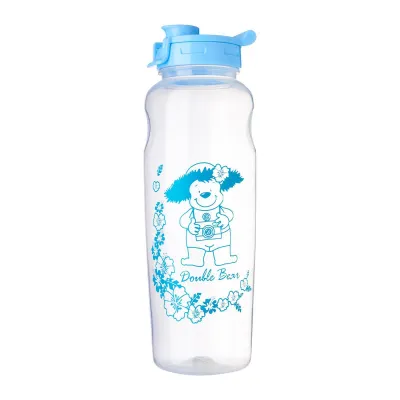
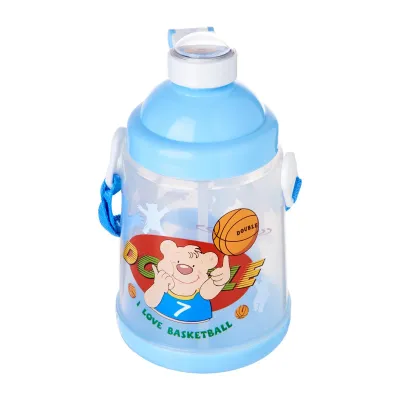
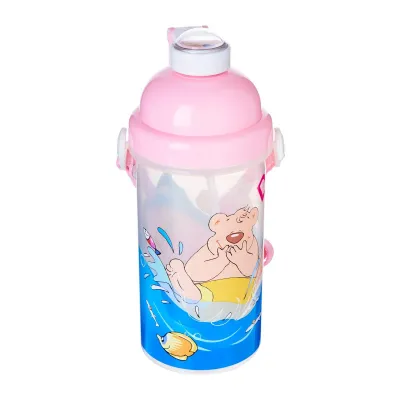
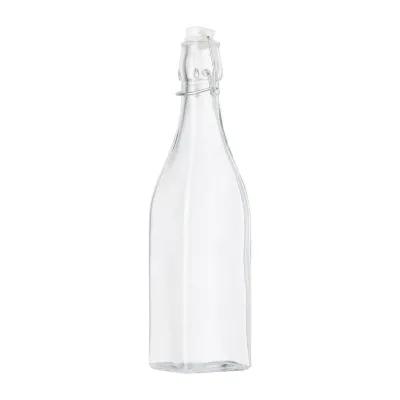
Prices are valid at publication and may change. Please refer to the product page for the latest price.
Every time you open the lid to take a sip, you introduce warm, humid ambient air into the bottle, accelerating heat transfer. Direct exposure to sunlight during outdoor activities—such as running along East Coast Park or cycling along the Green Corridor—also heats the outer steel shell, forcing the vacuum barrier to work much harder. Understanding these variables allows you to set realistic expectations and choose a bottle based on its structural features rather than optimistic label claims.
Evaluating Lid Designs for Thermal Sealing and Quick Access
The lid of an insulated drinks bottle is the primary point of thermal vulnerability. While the double-walled stainless steel body is highly effective at preventing heat transfer, the lid is typically made of plastic and silicone, which offer lower insulation values. Consequently, the mechanism you choose to access your water plays a decisive role in how long that water remains cold during a workout.

Simple screw-on caps provide the most reliable thermal seal. Because they completely seal the opening with a thick, insulated plug and have no moving parts or straw channels, they minimize heat exchange. However, unscrewing a cap mid-workout can be inconvenient and unsafe during fast-paced activities like cycling or running.
In contrast, flip-top lids, spout lids, and straw mechanisms offer rapid, one-handed access, making them highly popular for sports. The trade-off is a reduction in thermal efficiency. Straw lids, for instance, require air vents and internal pathways that can allow small amounts of warm air to enter the bottle even when closed. Furthermore, if these seals wear down, they can permit minor leaks and faster temperature loss.
Another critical aspect of lid performance is condensation management. A high-quality vacuum-insulated bottle should never “sweat” or form condensation on its exterior, even in Singapore’s humid air. If you notice moisture building up on the outside of the bottle body, it indicates a failure in the vacuum seal. However, minor condensation can sometimes form around the lid itself, especially if it is a single-walled plastic design. Choosing a bottle with an insulated lid helps prevent this moisture from dampening your gym bag or making the bottle slippery to hold.
Matching Insulated Bottle Profiles to Your Workout Style
Selecting the right drinks bottle requires matching its physical profile to your specific exercise routine rather than searching for a generic “best” brand. Different workouts demand different balances of capacity, weight, and accessibility.
For high-intensity gym sessions, functional fitness classes, or yoga, a wide-mouth bottle is often the most practical choice. These designs allow you to easily load large ice cubes directly from standard freezer trays and make thorough cleaning straightforward. The wide opening also permits rapid hydration when you have dedicated rest intervals between sets.
If your workouts involve continuous movement, such as road cycling, distance running, or outdoor trail hiking, a narrow-neck bottle or a straw-lid design is far more suitable. These configurations allow you to drink safely on the move without spilling water over yourself. For cycling, ensure the bottle’s outer diameter is compatible with standard bicycle bottle cages, as many insulated bottles are wider than traditional plastic sports bottles.
Weight and portability are crucial trade-offs to consider. Insulated bottles are constructed from double-walled stainless steel, making them significantly heavier than single-walled plastic or aluminum alternatives. While a larger 1.2-litre bottle ensures you have plenty of cold water for a long outdoor session, its weight when full can exceed 1.5 kilograms. For cardio-heavy workouts where every gram matters, a smaller 500ml or 600ml bottle that fits comfortably in a running belt or handheld carrier may be preferable, provided you have access to a chilled water refill station at your workout venue.
Verifying Build Quality, Materials, and Warranty
Before purchasing a sports drinks bottle, it is essential to verify the quality of its construction to ensure it is safe, durable, and capable of maintaining its insulation properties over years of use. High-quality insulated bottles are almost exclusively manufactured from food-grade stainless steel, typically labeled as 18/8 or grade 304 stainless steel. This material is highly resistant to rust, does not retain flavors from previous drinks, and is robust enough to withstand accidental drops.
Always inspect the product packaging or manufacturer specifications to confirm that all plastic components, especially the lid and internal straws, are certified BPA-free. Bisphenol A (BPA) is a chemical used in some plastics that can leach into beverages, posing potential health risks. Ensuring your bottle is free from such chemicals is a basic safety requirement for any product used daily.
The exterior finish of the bottle also contributes to its usability. Look for bottles featuring a durable powder-coated finish rather than a simple painted exterior. Powder coating is baked onto the steel, creating a textured surface that resists chipping, scratching, and peeling. More importantly for sports use, this textured finish provides an excellent grip when your hands are sweaty or wet.
Finally, examine the manufacturer’s warranty terms. Reputable brands often provide multi-year or lifetime warranties that specifically cover the loss of vacuum insulation. If a bottle’s vacuum seal fails due to a manufacturing defect, the bottle will lose its ability to keep drinks cold and will begin to sweat on the outside. A warranty that covers this specific failure protects your investment, whereas warranties that only cover cosmetic damage or normal wear and tear offer limited practical value.
Maintaining the Vacuum Seal in Humid Climates
To ensure your insulated drinks bottle continues to perform effectively in Singapore’s warm and humid climate, proper maintenance is essential. The vacuum insulation layer is incredibly thin and sensitive to extreme temperature changes and physical impacts.
While some manufacturers state that their bottles are dishwasher safe, hand-washing is highly recommended to prolong the life of the vacuum seal. The intense heat and prolonged high temperatures inside a dishwasher can cause the metal walls to expand and contract excessively, potentially compromising the seal over time. Dishwasher detergents can also degrade the exterior powder coating, leading to discoloration or peeling. Wash the bottle body by hand using warm water, mild dish soap, and a soft bottle brush.
In humid environments, mold and bacteria can rapidly accumulate in the small crevices of bottle lids, silicone gaskets, and straw mechanisms. After every workout, disassemble the lid completely, removing any removable silicone rings or straws. Clean these parts thoroughly with a small detail brush and allow them to air-dry completely in a well-ventilated space before reassembling. Storing a damp bottle with the lid tightly closed creates a breeding ground for musty odors and mold.
Additionally, never place your insulated bottle in the freezer. Water expands as it freezes, and because the liquid is trapped inside the rigid stainless steel inner flask, the expansion can easily deform the metal and permanently rupture the vacuum seal. If you want ice-cold water, fill the bottle with pre-chilled water and ice cubes instead. Similarly, if your bottle is labeled strictly for cold beverages, do not use it for hot liquids, as the lid materials or pressure buildup may not be designed to handle high temperatures safely.
Frequently Asked Questions (FAQ)
Can I put standard ice cubes in any insulated bottle?
Not all insulated bottles are designed to accommodate standard ice cubes. Bottles with narrow-neck openings are excellent for spill-free drinking, but their openings are often too small for typical ice cubes produced by home freezer trays or commercial ice dispensers. If you prefer using standard ice cubes to keep your drinks cold, prioritize wide-mouth bottle designs. For narrow-neck bottles, you will need to purchase specialized slim ice cube molds designed to slide easily through narrow openings.
Why is my insulated bottle sweating on the outside?
A properly functioning vacuum-insulated bottle should never sweat or develop condensation on its outer stainless steel surface, regardless of how cold the liquid inside is or how humid the surrounding air is. The vacuum layer between the inner and outer walls prevents heat from transferring, meaning the outer wall should remain at ambient room temperature. If condensation forms on the steel body, it is a clear sign that the vacuum seal has been compromised, allowing heat to transfer freely. In this scenario, you should contact the manufacturer to inquire about a replacement under their warranty terms.
Does the exterior color affect temperature retention?
While darker colors absorb more solar radiation when exposed to direct sunlight, the impact on the temperature of your drink inside a high-quality vacuum bottle is minimal. The vacuum insulation layer acts as an incredibly efficient barrier, preventing the heat absorbed by the outer painted shell from reaching the inner flask. However, during long outdoor workouts in direct sunlight, a dark-colored bottle can become very hot to the touch on the outside. If you frequently exercise outdoors, choosing a lighter color or a natural stainless steel finish can keep the bottle’s exterior more comfortable to handle.

Community discussion
Share your experience or ask a question. Comments are reviewed before publication.