
Staying hydrated during a run is essential for maintaining performance and preventing heat-related issues, especially when training in hot and humid environments. When runners ask which running water bottle keeps drinks the coldest, the immediate answer points to double-wall vacuum-insulated stainless steel. However, the pursuit of ice-cold water introduces a critical compromise: thermal efficiency comes at the cost of weight, bulk, and carrying ergonomics. For runners, selecting the right bottle is not simply about finding the one with the longest cold-retention rating, but rather finding the optimal balance between temperature control and running comfort.
In tropical climates like Singapore, where high humidity limits the body’s natural cooling through sweat evaporation, drinking cold fluids can provide a welcome psychological and physiological lift. Yet, carrying a heavy, rigid bottle for kilometers can alter your running gait, strain your wrists, or bounce uncomfortably in a hydration vest. To make an informed choice, you must evaluate how different insulation materials, lid designs, and carrying systems interact with your specific running habits, distance goals, and physical comfort.
The Core Trade-Off: Cold Retention vs. Weight and Carry Comfort
The primary challenge of using an insulated running water bottle is managing the physical weight of the container. Double-wall vacuum insulation requires two layers of metal or specialized plastic with a sealed vacuum gap between them. This construction inherently adds substantial weight compared to thin, single-wall plastic bottles or collapsible soft flasks. While a standard empty soft flask might weigh less than 50 grams, an empty insulated stainless steel bottle can easily exceed 250 grams before you even add a single drop of water.
Products mentioned in this guide
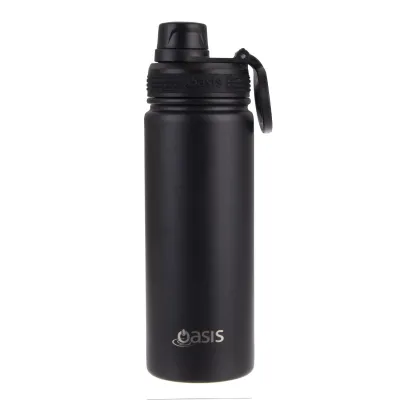
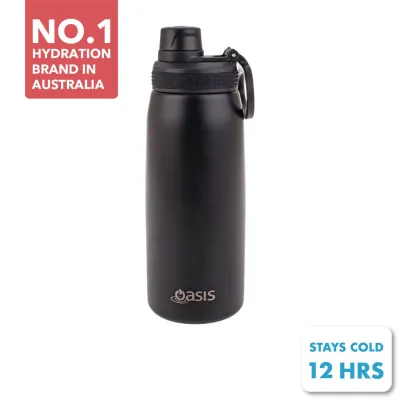
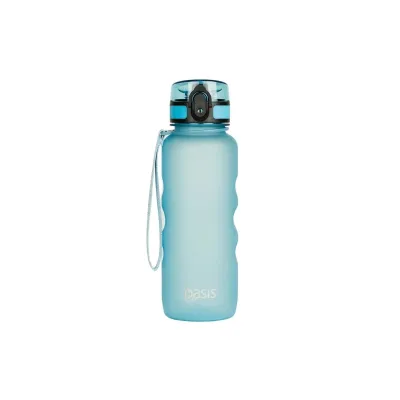
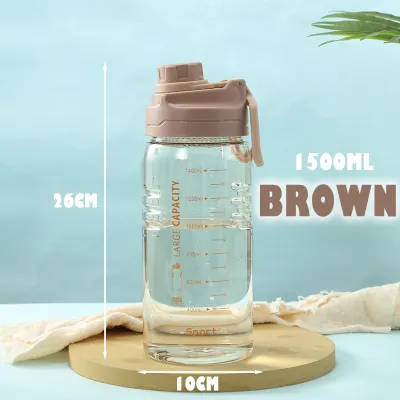
Prices are valid at publication and may change. Please refer to the product page for the latest price.
When you fill that insulated bottle with water, the total weight increases significantly, as every 100 milliliters of liquid adds 100 grams of load. Carrying this weight in your hand over long distances can lead to muscle fatigue in your forearm, shoulder tension, and an asymmetrical running stride. If you prefer handheld carrying, look for bottles designed with integrated hand straps that allow you to relax your grip, reducing the energy expended just to hold the bottle.
For runners who use hydration vests or waist belts, rigid insulated bottles present compatibility challenges. Most hydration vests are designed around soft, flexible flasks that conform to the shape of your chest and compress as you drink to prevent sloshing. Inserting a rigid, heavy stainless steel bottle into these front pockets can cause painful pressure points, excessive bouncing, and fabric wear. If you plan to use a vest, you must verify the pocket dimensions and choose a bottle shape that sits securely without shifting during high-impact movement.
Insulation Materials and Technologies Compared
To choose the right running water bottle, it is helpful to understand how different materials manage heat transfer. Heat enters your drink through three primary mechanisms: conduction, convection, and radiation. Different bottle constructions address these pathways with varying degrees of success.

Stainless steel vacuum-insulated bottles represent the most effective option for thermal performance. By removing the air between two stainless steel walls, manufacturers eliminate the medium required for conduction and convection. This vacuum barrier prevents external heat from warming your beverage, allowing drinks to remain cold for many hours. While this technology is highly effective, the rigid steel construction cannot compress, meaning the water will slosh as you run, and the bottle remains bulky even when empty.
Single-wall plastics and Tritan bottles offer a lightweight and highly durable alternative, but they provide virtually no insulation. Because plastic is a poor thermal barrier, heat from the surrounding air and the warmth of your hand will rapidly transfer to your drink. If you use a single-wall plastic bottle, you will need to rely on pre-chilling your beverage or filling the bottle with a high ratio of ice cubes before your run.
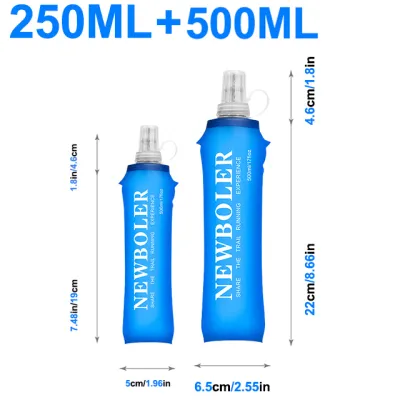
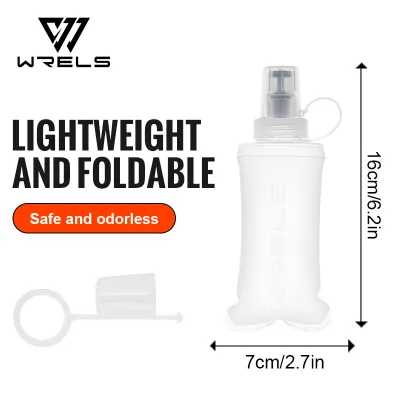
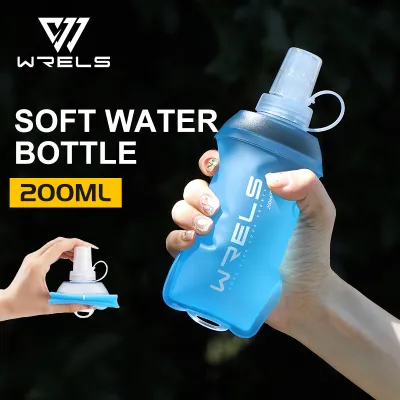
Soft flasks and collapsible bottles are favored by trail runners and marathoners for their minimal weight and packability. Made from flexible polyurethane, these flasks shrink as you drink, eliminating sloshing and saving space. However, they offer zero thermal insulation. The heat from your body transfers directly through the thin fabric of your hydration vest or hand sleeve, warming the liquid almost immediately.
Neoprene sleeves and insulated fabric wraps serve as external add-ons for single-wall bottles and soft flasks. These sleeves work by trapping a thin layer of air to provide a mild thermal buffer and, more importantly, absorbing condensation. While a neoprene sleeve will not match the performance of a double-wall vacuum seal, it can extend the cool temperature of your drink slightly while preventing sweat from making the bottle slippery.
Design Features That Protect Cold Drinks and Grip
Beyond the primary material of the bottle, several structural design features influence how well a running water bottle maintains cold temperatures and how easy it is to handle during active exercise.
The lid mechanism is a critical point of heat exchange. Every time you open a bottle to drink, warm air enters and cold air escapes. Straw lids and bite valves allow you to drink without unscrewing the main cap, which limits the surface area exposed to the outside air and helps preserve the internal temperature. Screw caps, while offering a highly secure and leak-proof seal, require you to expose the entire opening to the elements, accelerating heat transfer during long runs.
In humid climates like Singapore, sweat-proof exteriors are essential for safety and comfort. When cold liquid is placed inside a non-insulated or poorly insulated bottle, moisture from the humid air condenses on the cold outer surface. This condensation makes the bottle incredibly slippery, increasing the risk of dropping it on hard pavement or trails. Premium insulated bottles feature powder-coated finishes or textured grips that prevent condensation from forming on the exterior, ensuring you maintain a secure hold even when your hands are sweaty.
The width of the bottle’s mouth also plays a practical role in temperature management. Wide-mouth openings make it easy to drop in standard ice cubes directly from your freezer before you head out. Adding ice is one of the most effective ways to prolong cold retention, as the ice must absorb a significant amount of heat energy to melt before the water temperature begins to rise.
How to Verify Brand Claims and Specifications
When shopping for a running water bottle, you will encounter numerous marketing claims promising to keep drinks cold for 12, 24, or even 36 hours. Because there is no universal testing standard enforced across all brands, it is important to know how to verify these specifications independently before making a purchase.
First, look for specific thermal retention details on the product packaging or manufacturer website rather than relying on vague slogans. Reputable brands will often specify the starting temperature of the liquid, the ambient testing temperature, and the final temperature after a set number of hours. If a brand claims “24 hours cold,” check if this refers to maintaining ice-cold water (around 4 degrees Celsius) or simply keeping the water below room temperature. For running, you want a bottle that can maintain a refreshing temperature under active, warm outdoor conditions, not just in a climate-controlled laboratory.
Second, verify the material grades used in the construction. For stainless steel bottles, look for food-grade 18/8 (304) stainless steel, which offers excellent corrosion resistance and durability without transferring metallic tastes to your water. Ensure that all plastic components, silicone seals, and lid assemblies are explicitly certified as BPA-free and food-safe. High-quality seals are crucial; a degraded or poorly fitting silicone gasket will allow vacuum loss and air leakage, severely compromising both insulation and leak prevention.
Finally, evaluate the manufacturer’s warranty terms and replacement part availability. A brand that offers a lifetime warranty against manufacturing defects, including vacuum insulation failure, demonstrates confidence in their build quality. Over time, dropping a metal bottle can cause micro-dents that compromise the vacuum seal. Checking if the brand sells replacement lids, gaskets, and straw assemblies is a practical way to ensure your investment remains functional for years without needing to replace the entire bottle.
Choosing the Right Setup for Your Running Routine
No single running water bottle is universally suitable for every runner or every workout. To find the right setup, you must assess your typical running distance, carrying preferences, and physical comfort limits.
You should choose a vacuum-insulated stainless steel bottle if your primary goal is enjoying ice-cold water on long, steady-state runs, and you use a hydration belt or vest that can securely accommodate the rigid weight. This setup is ideal for hot-weather training where hydration temperature directly impacts your comfort and motivation. To minimize wrist strain, look for models with ergonomic shapes or integrated straps that distribute the weight evenly across your hand.
Conversely, you should opt for single-wall plastic bottles or flexible soft flasks if you prioritize speed, agility, and minimal weight. These options are best suited for shorter runs, track workouts, or races where aid stations are frequent, and you do not need to keep water cold for hours. If you still want cool water with this lightweight setup, you can pre-chill your bottle in the refrigerator or use an insulated hand sleeve to provide a temporary thermal barrier.
Before purchasing any heavy or rigid bottle, always verify your personal physical constraints. If you have small hands, limited grip strength, or a history of wrist or shoulder strain, carrying a heavy metal bottle can exacerbate these issues. In such cases, a lightweight soft flask paired with a hand sleeve or a waist belt that carries the weight close to your center of gravity is a much safer and more comfortable choice than a heavy handheld steel bottle.
Frequently Asked Questions (FAQ)
Can I put ice cubes in any running water bottle?
Whether you can add ice cubes depends entirely on the bottle’s material and opening size. Wide-mouth stainless steel and rigid plastic bottles are ideal for ice, as their openings easily accommodate standard cubes. However, you should avoid putting solid ice cubes into flexible soft flasks, as the sharp edges of the ice can puncture or wear down the thin polyurethane material during movement. Additionally, never freeze water directly inside a completely filled single-wall rigid plastic bottle, as water expands when frozen and can crack the plastic or warp the base of the bottle.
Does a neoprene sleeve actually keep water cold?
A neoprene sleeve provides only a minor thermal barrier and will not replicate the performance of a true vacuum-insulated bottle. Its primary function is to absorb condensation and improve your grip on humid days, preventing the bottle from slipping out of your hand. While it can slow down heat transfer from your warm hand to the bottle for a short period, it will not keep water ice-cold on a long run in hot weather. Think of a neoprene sleeve as a comfort and grip enhancer rather than a high-performance insulation solution.

Community discussion
Share your experience or ask a question. Comments are reviewed before publication.