
Staying hydrated with ice-cold water is a necessity when facing Singapore’s year-round heat and high humidity. While many sports water bottle brands promise to keep your drinks cold for hours, the actual performance often varies significantly under real-world tropical conditions. The convenience of an insulated water bottle with a straw introduces unique thermal challenges, as the straw mechanism creates a pathway for heat to enter an otherwise sealed vacuum container. To find a bottle that truly performs, you must look past marketing slogans and evaluate the physical construction, lid design, and material specifications of each option.
Key Factors That Determine Cold Retention in Humid Climates
The primary mechanism behind any high-performing sports bottle is double-wall vacuum insulation. This design features an inner and outer stainless steel container with the air sucked out of the space between them. Because a vacuum contains virtually no atoms, it prevents heat transfer via conduction and convection, leaving radiation as the only way heat can slowly penetrate the bottle. The thickness of this vacuum gap and the quality of the steel walls directly dictate how long the interior liquid remains shielded from external temperatures.
However, the lid is almost always the weakest link in any insulated bottle’s thermal defense. While a solid, foam-insulated screw cap provides an excellent barrier, an insulated water bottle with a straw requires an opening mechanism that inevitably allows ambient air to interact with the cold liquid inside. Every time you flip open the straw or take a sip, warm, humid air enters the bottle, accelerating the warming process. Furthermore, the straw itself is typically made of non-insulated plastic or silicone, which acts as a thermal bridge, conducting heat from the outside environment directly down into your drink.
Products mentioned in this guide
![[TYESO Official Authentic]Tyeso Thermos Cup Tumbler with Handle and Straw Stainless Steel Insulated Double Vacuum Coffee Tumbler Leakproof Flip Travel Mug Reusable Water Bottle for Home Office Party Coffee Cup for Hot and Cold](https://img.lazcdn.com/g/p/62ddfa1274ef16e291bf5befed4f067f.jpg_400x400q80.jpg_.webp)
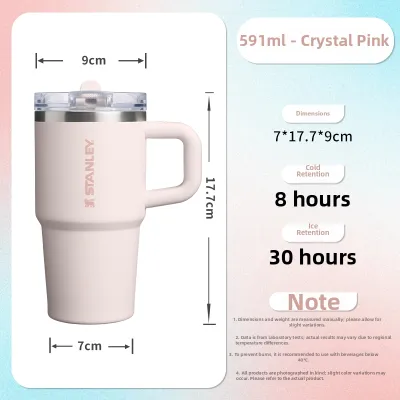
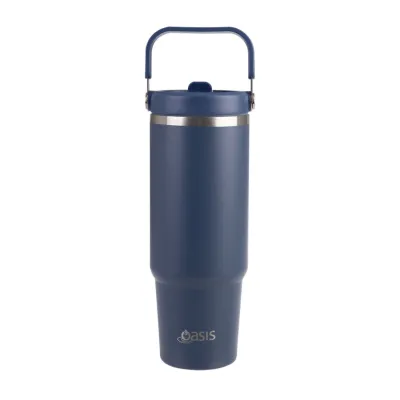
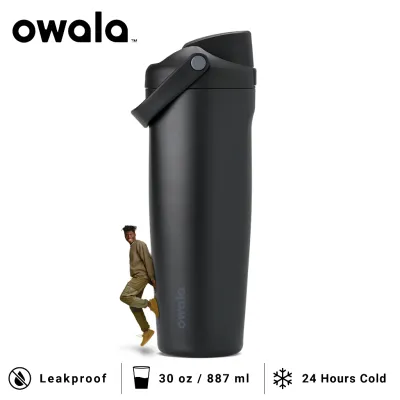
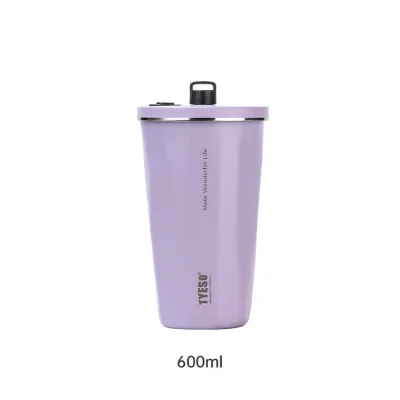
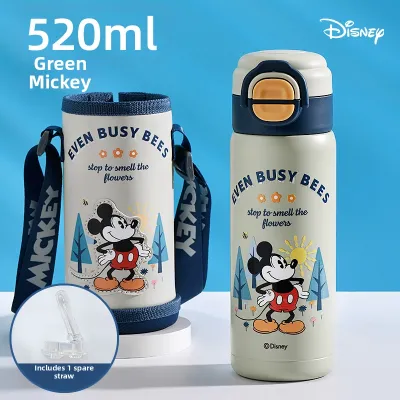
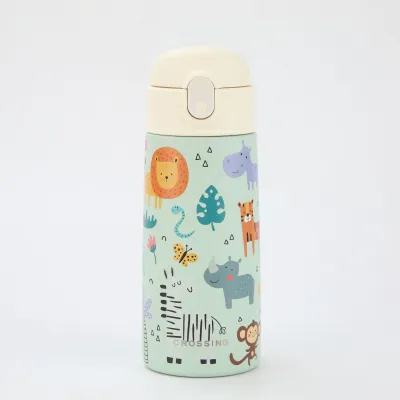
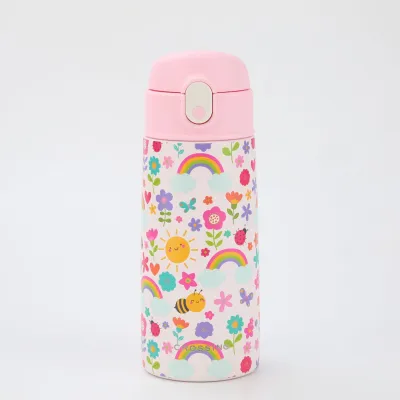
Prices are valid at publication and may change. Please refer to the product page for the latest price.
In Singapore’s humid climate, condensation management is another critical factor to consider. High-quality insulated bottles should never form condensation on their outer walls. If you notice moisture beads forming on the exterior of your bottle, it indicates that heat is actively transferring through the walls, cooling the outer surface and causing atmospheric moisture to condense. To prevent this and ensure a secure grip during intense workouts, look for bottles finished with a durable, sweat-proof powder coating. This textured exterior not only protects the bottle from drops and scratches but also keeps the surface dry and easy to hold when your hands are sweaty.
How to Compare Insulation Specifications Across Brands
When shopping for a sports water bottle, you will frequently encounter bold claims of cold retention, often ranging from 12 to 24 hours or even longer. It is crucial to understand that these ratings are typically established under highly controlled laboratory conditions, usually in air-conditioned environments around 20°C to 22°C, with the bottle filled entirely with ice and kept completely sealed. In Singapore, where outdoor temperatures regularly exceed 30°C and humidity levels remain high, these laboratory estimates will rarely match your real-world experience. As a rule of thumb, you should expect the actual cold retention time during active outdoor use to be roughly half of the manufacturer’s advertised rating.

To make an accurate comparison, look closely at the construction specifications provided by the manufacturer. High-quality bottles utilize food-grade 18/8 (304) stainless steel for both the inner and outer walls, which offers excellent durability and resistance to corrosion from sweat and sports drinks. Some premium brands also incorporate a copper lining on the outer surface of the inner wall. This thin copper layer acts as a reflective barrier that minimizes radiative heat transfer, significantly improving the bottle’s overall thermal efficiency compared to standard double-wall designs.
Additionally, you must verify whether the manufacturer’s thermal rating applies specifically to the straw lid or to a standard solid lid. Many brands advertise their maximum cold retention hours based on tests conducted with a fully sealed, insulated loop cap, while shipping the bottle with a less-insulated straw lid. If you plan to use the straw lid as your primary drinking interface, check the product specifications to see if the straw lid itself features integrated insulation, rubberized gaskets, or a recessed design that minimizes exposure to the outside air when closed.
Practical Usage Conditions That Affect Performance
Even the most advanced insulated water bottle will struggle to keep drinks cold if it is subjected to poor usage habits. Direct sunlight is one of the most significant contributors to rapid temperature rise. When a dark-colored or bare metal bottle is left exposed on a sunny football field, tennis court, or fitness corner, the exterior surface absorbs solar radiation rapidly, heating up the outer wall and placing a heavy thermal load on the vacuum barrier. Choosing a light-colored or white bottle can help reflect a portion of this solar radiation, keeping the exterior surface cooler to the touch.
The frequency with which you drink also plays a major role in heat exchange. Each time you flip open the straw and sip, the volume of liquid inside decreases, and warm, humid ambient air is drawn in to replace it. This warm air immediately begins transferring its heat to the remaining cold water. If you leave the bite valve or straw nozzle exposed between sips rather than folding it down immediately, you create a continuous thermal chimney that allows cold air to escape and warm air to enter, rapidly degrading the bottle’s internal temperature.
To maximize cold retention, the initial state of your beverage is paramount. Filling a bottle with lukewarm tap water and a few ice cubes will result in rapid ice melt, as the ice must first work to cool down the water itself. For the best results, always pre-chill your water in the refrigerator before filling your bottle, and maximize the ice-to-liquid ratio. Utilizing large, solid ice cubes rather than crushed ice also slows down the melting rate, as larger ice pieces have a smaller surface-area-to-volume ratio, allowing them to absorb heat much more slowly.
Evaluating Straw Lid Designs for Sports and Outdoor Use
Choosing the right straw lid design requires balancing drinking convenience with thermal efficiency, durability, and hygiene. Sports bottles generally feature either a soft silicone bite valve or a hard plastic flip-up straw. Silicone bite valves offer a comfortable, high-flow drinking experience and can often be opened with one hand or your teeth, making them ideal for cycling or running. However, silicone is more prone to wear and tear over time and can accumulate dirt more easily than hard plastic. Hard plastic straws are typically more durable and easier to wipe clean, but they may require more effort to open and can crack if the bottle is dropped.
Leak prevention is another critical consideration, especially if you plan to toss your bottle into a gym bag alongside clean clothes and electronics. Look for straw lids that feature a secure, mechanical locking mechanism or a folding nozzle that completely pinches the internal silicone tube when closed. A reliable seal prevents accidental spills caused by pressure changes, which are common when moving between air-conditioned indoor spaces and the humid outdoor heat of Singapore.
Hygiene is a particularly pressing issue in Singapore’s warm, humid climate, which provides the perfect breeding ground for mold and bacteria. Straw lids, with their complex internal pathways, silicone gaskets, and flexible tubes, are notoriously difficult to keep clean. When selecting a bottle, prioritize designs that can be completely disassembled. The straw, bite valve, and rubber gaskets should all be easily removable so you can scrub them thoroughly with a dedicated straw brush. Avoid lids with deep, unreachable crevices where moisture can trap and foster mold growth.
Decision Framework: Matching the Bottle to Your Activity
To select the ideal insulated water bottle with a straw, you must match the bottle’s specifications to your primary activities and daily routine. If your lifestyle involves long outdoor training sessions, field sports, or hiking in nature reserves, prioritize a high-capacity bottle (typically 900ml to 1.2 liters) with a rugged powder-coated exterior and a heavy-duty straw lid. While larger bottles are heavier to carry, the increased volume of cold water and ice creates a larger thermal mass, which naturally retains cold temperatures much longer than smaller bottles under the intense sun.
For indoor gym workouts, fitness classes, or daily commuting, a more compact and lightweight bottle (around 500ml to 700ml) is generally more practical. In these environments, extreme thermal performance is less critical because you can easily refill the bottle from water dispensers, and the ambient temperature is often controlled by air conditioning. For these activities, focus on finding a bottle with a highly reliable, leak-proof locking lid that fits comfortably into standard cup holders, bicycle cages, or backpack side pockets.
Finally, if your absolute priority is keeping your drinks ice-cold for an entire day outdoors, consider a modular bottle system that allows you to swap lids. Use the convenient straw lid during your active workouts when quick, one-handed hydration is essential. When you are traveling, commuting, or resting, switch to a fully insulated, solid screw cap. This simple adjustment eliminates the thermal gap of the straw mechanism, maximizing the efficiency of the vacuum insulation and ensuring you always have access to refreshing, cold water when you need it most.
Frequently Asked Questions (FAQ)
Does adding ice make a significant difference in straw-lid bottles?
Yes, adding ice is highly beneficial when using a straw-lid bottle. Because straw lids inherently allow more heat exchange than solid caps, the presence of ice acts as a crucial thermal buffer. As heat enters the bottle, it is absorbed by the ice as it melts rather than raising the temperature of the water. To make this practical, ensure you choose a bottle with a wide-mouth opening, which allows you to easily insert standard-sized ice cubes from home freezers or ice dispensers without having to crush them.
How can I prevent mold in the straw during Singapore's humid weather?
Preventing mold in Singapore’s humid climate requires a strict daily cleaning routine. After every use, completely disassemble the lid, removing the straw, bite valve, and any removable silicone gaskets. Wash all parts thoroughly with warm, soapy water, using a narrow wire brush to clean the inside of the straw and the lid’s internal ports. Crucially, allow all components to air-dry completely in a well-ventilated area before reassembling the bottle. Storing the bottle with the lid off when not in use prevents residual moisture from being trapped inside, which is the primary cause of mold development.

Community discussion
Share your experience or ask a question. Comments are reviewed before publication.