
Evaluating the insulation performance of the Oasis thermal flask against other prominent sports water bottle brands requires looking beyond flashy marketing slogans and focusing on the underlying engineering. Because standardized, third-party laboratory tests comparing every major brand under identical environmental conditions are rarely available, your best tool for comparison is a systematic evaluation of physical specifications. The thermal efficiency of any sports flask—including Oasis—is determined by its vacuum structure, material thickness, internal lining, and lid configuration.
When choosing a bottle for high-intensity workouts, outdoor cycling, or long hikes, understanding these technical elements helps you predict how well a flask will maintain your desired beverage temperature. Rather than assuming one brand is universally superior, you can use observable design features to determine whether Oasis or a competing brand is better suited for your specific hydration needs. This guide breaks down the core technologies, key specifications, and practical verification steps to help you make an informed decision.
Core Insulation Technologies in Sports Water Bottles
To understand how Oasis compares to other brands, you must first understand the physics of thermal retention in modern sports bottles. The primary mechanism used by high-performance flasks is double-wall vacuum insulation. This design features an inner and outer wall, typically made of stainless steel, with the air evacuated from the space between them during manufacturing. Because a vacuum contains virtually no matter, it prevents heat transfer via conduction and convection, which are the two primary ways heat moves into or out of your beverage.
Products mentioned in this guide
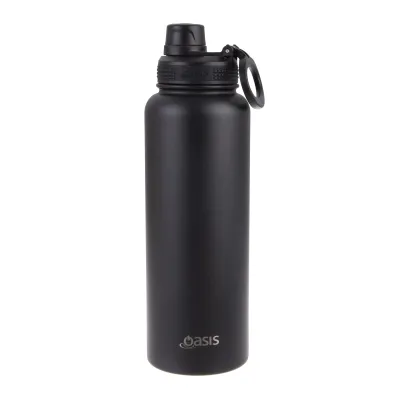
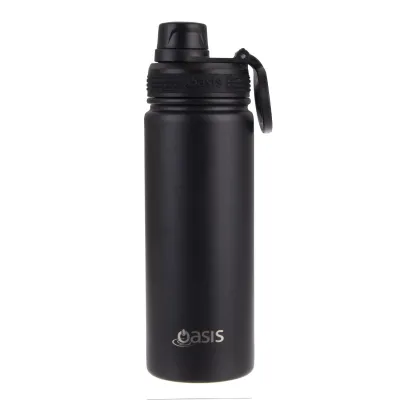
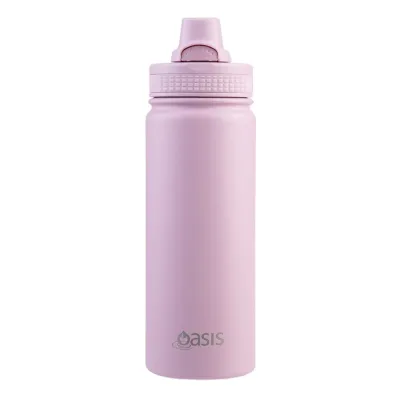
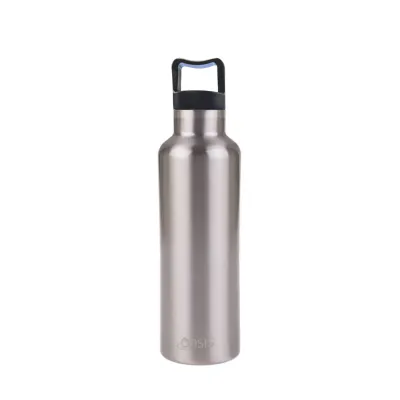
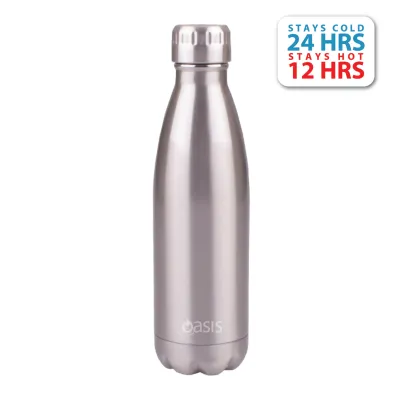
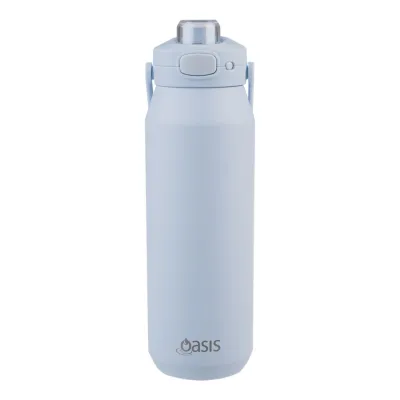
Prices are valid at publication and may change. Please refer to the product page for the latest price.
While double-wall vacuum insulation is the industry standard, some premium brands introduce a triple-wall structure or add an extra insulating layer, such as copper or aluminum plating, on the outer surface of the inner wall. This metallic lining acts as a radiant barrier, reflecting infrared heat waves back into the liquid rather than allowing them to escape or enter through the vacuum gap. When comparing Oasis to other brands, checking whether the manufacturer specifies a copper-plated reflective layer is a reliable way to gauge its radiant heat protection.
The weakest point in any insulated flask is not the metal body, but the lid. While the double-wall stainless steel body blocks heat transfer exceptionally well, the lid is typically made of plastic or silicone and represents a direct pathway for thermal leakage. A simple screw-top lid with a thick silicone gasket provides a highly secure seal that minimizes heat exchange. In contrast, convenient sports lids—such as flip-up straws, bite valves, or push-button spouts—introduce more seams, moving parts, and thinner materials, which naturally allow more heat to escape or enter over time.
Key Specifications to Compare Oasis and Competing Brands
When comparing the Oasis thermal flask to alternative sports bottles, you should start by examining the manufacturer’s stated thermal retention hours. Most brands advertise performance metrics, such as keeping drinks cold for up to 24 hours or hot for up to 12 hours. However, these claims are based on specific, controlled testing environments, usually starting with ice-cold water near 0°C or boiling water near 100°C in a temperature-controlled room. To make a fair comparison, look for the fine print regarding the initial liquid temperature and the ambient testing temperature used by each brand.

Another critical specification is the material grade of the stainless steel. High-quality sports flasks, including Oasis and its main competitors, typically use food-grade 18/8 (Type 304) stainless steel for both the inner and outer walls. This alloy contains 18% chromium and 8% nickel, providing excellent rust resistance, durability, and taste neutrality. Some premium outdoor brands utilize 18/10 stainless steel for enhanced corrosion resistance, which is an important consideration if you plan to use your flask for coastal sports.
The physical dimensions, weight, and volume ratio of the flask also play a major role in its practical performance. Thicker steel walls and wider vacuum gaps improve insulation durability and thermal retention, but they also add significant weight and bulk. For active sports like running or cycling, a heavy flask can be a drawback. Compare the empty weight of an Oasis flask against competitors of the same volume; a lighter bottle might use thinner steel, which could make it more prone to denting if dropped, potentially compromising the vacuum seal. Whether you are looking at a budget-friendly option or a premium flask costing upwards of S$40, comparing these physical specifications is essential.
Matching Insulation Performance to Specific Sports and Conditions
Your choice of insulation level should align directly with your activity profile rather than a desire for the maximum possible retention hours. For high-intensity, short-duration activities like a one-hour gym session or an indoor fitness class, extreme 24-hour cold retention is rarely necessary. In these settings, a lighter, single-wall bottle or a minimally insulated flask might be preferable, as they are easier to carry, fit better in standard cup holders, and allow you to consume water quickly without the added weight of heavy thermal walls.
Conversely, all-day outdoor endurance events, such as hiking, backpacking, or long-distance cycling, demand robust thermal performance. In hot climates, like a humid afternoon in Singapore, an insulated flask prevents ice water from turning lukewarm within an hour. In cold climates, the same insulation prevents your drinking water from freezing during rest stops. For these demanding scenarios, prioritizing a flask with a proven double-wall vacuum and a highly sealed screw-top lid is essential.
Portability trade-offs must also be carefully weighed against insulation needs. If your sport requires you to carry your water on your body—such as trail running with a hydration vest—the weight of a stainless steel thermal flask can be counterproductive. In these cases, flexible, lightweight, non-insulated flasks or specialized insulated plastic bottles are often the superior choice, even though their thermal retention is significantly lower. Save the heavy, high-performance thermal flasks for base camp, vehicle-supported adventures, or sports where the bottle can be securely stored in a bag or cage.
How to Verify Thermal Claims and Build Quality
Because independent laboratory data is rarely available for every brand, you can perform several simple, observable checks to verify the build quality and thermal integrity of your Oasis flask or any competing bottle. The most immediate test for a compromised vacuum seal is checking for exterior condensation, commonly known as “sweating.” When you fill an insulated flask with ice water, the outer surface should remain completely dry and close to room temperature. If you feel cold spots on the exterior steel or notice condensation forming, the vacuum seal has failed, allowing heat to transfer freely.
You should also closely inspect the physical construction of the flask, starting with the seam welding. High-quality flasks feature smooth, virtually invisible welds along the inner chamber and the bottom cap. Rough or uneven seams are weak points that can crack under pressure or when dropped, leading to a slow loss of the vacuum over time. Additionally, examine the silicone gasket inside the lid. The gasket should be thick, pliable, and sit flush within its groove without warping, as any gap in this seal will allow air to circulate and rapidly degrade the bottle’s thermal performance.
Finally, review the manufacturer’s warranty terms, which often serve as a strong indicator of long-term build quality. Reputable brands that are confident in their vacuum technology typically offer multi-year or lifetime warranties against manufacturing defects, specifically covering the loss of vacuum insulation. Before purchasing, check if the warranty covers vacuum failures and verify how easy it is to file a claim in your region.
Decision Framework: When to Choose Oasis or Alternatives
To finalize your decision between an Oasis thermal flask and other sports water bottle brands, you can use a structured decision framework based on your specific physical requirements and athletic activities.
Choose Oasis if:
- The stated thermal retention hours (such as keeping liquids cold for up to 24 hours) align with your typical activity duration.
- You prefer a robust, classic double-wall stainless steel build that prioritizes durability over ultra-lightweight performance.
- The available lid options, such as a secure screw-cap or a convenient straw lid, match your preferred drinking style during workouts.
Choose a competing brand if:
- You require specialized sports lids, such as high-flow bite valves or integrated carry clips, that are not compatible with the Oasis thread design.
- You are an ultralight backpacker or trail runner who needs to minimize every gram of gear weight, making a specialized lightweight titanium or insulated plastic bottle more suitable.
- You need a highly specific ergonomic grip, rubberized outer sleeve, or integrated timing markers to track your daily water intake.
Before making any purchase, always verify the physical compatibility of the flask with your existing sports gear. Measure the base diameter of the bottle and compare it to your bicycle’s bottle cage, your car’s cup holders, or the side pockets of your running pack. An insulated flask is of little use if it cannot be securely transported during your activities.
Frequently Asked Questions (FAQ)
Does pre-chilling or pre-heating a thermal flask actually improve retention?
Yes, temperature-priming your thermal flask significantly improves its ability to maintain your beverage’s temperature. When you pour cold or hot liquid into a room-temperature flask, the stainless steel inner wall immediately absorbs or transfers heat to reach thermal equilibrium with the liquid, which slightly degrades the initial temperature of your drink. By filling the flask with ice water or boiling water for about five to ten minutes before empty-filling it with your actual beverage, you bring the inner steel wall to the desired temperature beforehand, ensuring maximum thermal retention during your workout.
Can I put carbonated sports drinks or hot coffee in a vacuum-insulated flask?
You should exercise caution when putting carbonated sports drinks or hot coffee into a vacuum-insulated flask. Carbonated beverages release carbon dioxide gas, which can build up immense pressure inside an airtight, sealed flask, potentially causing the lid to pop off violently or leak when opened. For hot coffee or dairy-based protein shakes, the main challenges are staining, persistent odors, and rapid bacterial growth if the flask is not cleaned immediately after use. If you do use your flask for these beverages, ensure you use a lid designed to handle pressure and clean all silicone gaskets thoroughly to prevent mold and odor retention.

Community discussion
Share your experience or ask a question. Comments are reviewed before publication.