
Finding the right yoga matt in Singapore is not about tracking down a single, universally “best” product. Instead, it is a highly personal decision that depends on your specific practice style, joint sensitivity, and how well a mat handles the local tropical climate. If you are flowing through a fast-paced Vinyasa class in a humid studio, your grip and stability requirements will differ vastly from someone holding restorative Yin poses on a hard condo floor.
The Singapore market features a diverse landscape of yoga mat options. Premium brands often focus on natural materials like rubber or polyurethane (PU), prioritizing maximum wet grip and eco-friendly construction. Meanwhile, mid-tier and mainstream brands tend to offer exceptional versatility, utilizing highly durable synthetic materials that resist moisture and wear. This guide breaks down how thickness and build quality vary across popular brand categories to help you select the ideal foundation for your practice. For a direct path to your purchase, you can skip to the decision framework at the end of this article.
Why Thickness and Build Quality Define Your Yoga Matt's Lifespan
Thickness and build quality are the two most critical factors determining how a yoga mat performs and how long it lasts. The thickness of a mat directly influences your physical connection to the ground. A thinner mat keeps you close to the floor, providing the solid, unyielding stability required for complex standing balances and active transitions. Conversely, a thicker mat disperses pressure, offering essential cushioning for sensitive joints, knees, and spine during floor-based postures.
Products mentioned in this guide
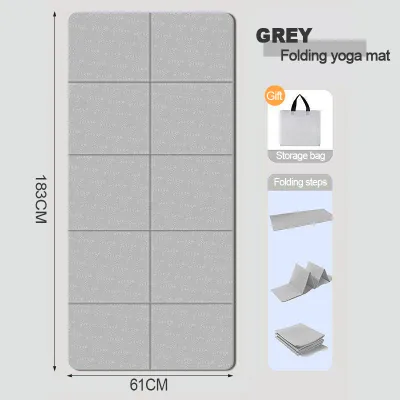
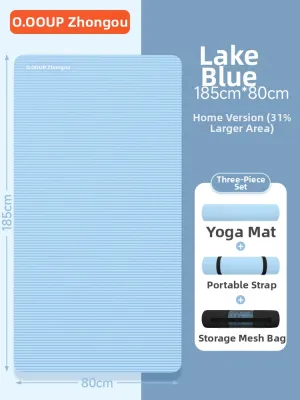
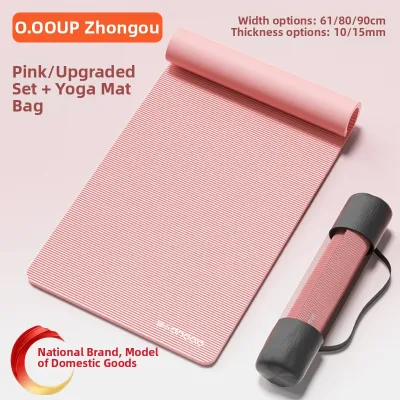
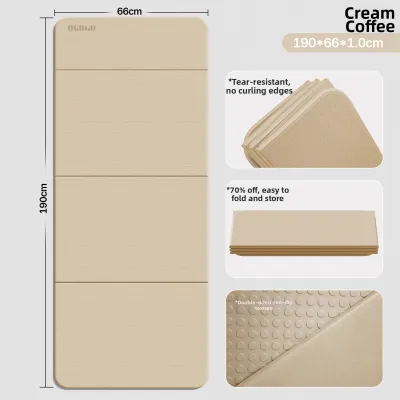
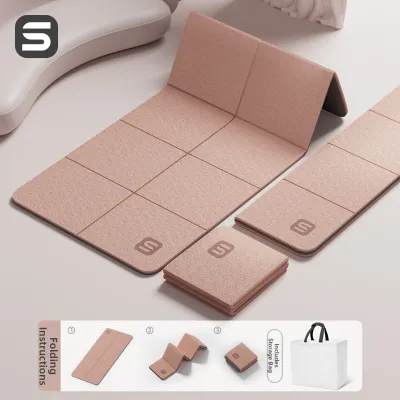
Prices are valid at publication and may change. Please refer to the product page for the latest price.
However, thickness alone does not tell the whole story; it must be evaluated alongside build quality. In the yoga industry, build quality refers to material density, structural composition, edge resilience, and surface texture. A cheap, low-density foam mat will compress completely under pressure, leaving your joints resting directly against the hard floor despite its apparent thickness. A high-density mat, on the other hand, maintains its structural integrity under load, offering superior support even at a lower profile.
In Singapore, our year-round tropical heat and high humidity add another layer of complexity to build quality. High humidity accelerates the degradation of low-grade materials, causing them to flake, peel, or lose their grip. Furthermore, sweat and ambient moisture can easily penetrate low-quality open-cell structures, turning the mat into a breeding ground for bacteria and persistent odors. Choosing a mat with high-quality construction ensures it can withstand both your daily practice and the demanding local climate without breaking down prematurely.
Thickness Options: How Leading Brands Cater to Different Needs
Different yoga practices require different levels of support and grounding. Popular brands structure their product lines around specific thickness tiers to cater to these diverse needs. Understanding these categories allows you to match a mat’s profile to your primary style of yoga.

Thin and Travel-Friendly Mats (1mm – 3mm)
Ultra-thin mats, ranging from 1mm to 3mm, are designed primarily for portability, travel, and advanced practitioners who prioritize a strong, unyielding ground connection. These mats allow you to feel the floor completely, which is highly beneficial for executing precise balancing postures where any instability can throw off your alignment. They are also highly flexible, often allowing you to fold them into a backpack or carry-on bag for outdoor sessions at East Coast Park or classes at a local studio.
Because these mats are so thin, material strength is paramount to prevent stretching or tearing during active transitions. Premium brands address this by using high-density natural rubber or reinforced polymer layers. This dense construction ensures that even a 1.5mm travel mat provides a reliable, non-slip surface that does not bunch up under your feet. However, because they offer minimal cushioning, these mats are generally not recommended for individuals with joint sensitivities or for practices that involve prolonged kneeling.
Standard All-Rounders (4mm – 5mm)
The 4mm to 5mm thickness range is widely considered the industry standard for a versatile, all-purpose yoga mat. This range strikes an ideal balance, providing enough cushioning to protect your knees and elbows during cat-cow or low lunges, while remaining thin and firm enough to maintain stability during standing poses like Warrior III. It is the go-to choice for mainstream and premium brands alike, making it highly accessible in local retail stores across Singapore.
When shopping in this category, it is vital to recognize that build quality and material density vary dramatically. A premium 4mm mat made from high-density natural rubber or dense polyvinyl chloride (PVC) will often feel significantly more supportive and stable than a cheap, low-density 5mm or 6mm mat. The denser material prevents your joints from “bottoming out” against the floor, ensuring consistent support throughout your entire practice. These mats are slightly heavier to commute with, but they offer the best overall performance for a mixed practice of Hatha, Vinyasa, and light stretching.
Extra-Thick Mats for Joint Support (6mm and Above)
Extra-thick mats, measuring 6mm or more, are engineered specifically for practitioners who require maximum joint protection, beginners who find standard mats uncomfortable, or those focusing on restorative and Yin yoga. The generous padding is excellent for long-held floor poses, protecting the hips, knees, and spine from hard surfaces. It is also a popular choice for multi-purpose fitness enthusiasts who use their mats for core workouts, Pilates, and general stretching.
The primary trade-off with extra-thick mats is the potential loss of stability. Lower-quality thick mats often use cheap, low-density foams that feel overly spongy or squishy. When you attempt a standing balance on a squishy surface, your ankles must work twice as hard to stabilize, which can lead to muscle fatigue or improper alignment. High-quality brands solve this engineering challenge by using advanced dual-layer construction or high-density, closed-cell foams. This design provides a firm, supportive top layer to keep your feet stable, paired with a shock-absorbing bottom layer that cushions your joints without letting you sink completely through the mat.
Build Quality and Material Durability in a Humid Climate
Singapore’s tropical climate means your yoga mat is constantly exposed to moisture, whether from intense sweat during a hot yoga session or the ambient humidity of a non-air-conditioned room. The materials used in your mat’s construction dictate how it responds to these environmental factors, how easy it is to clean, and how long it will remain usable.
Natural Rubber and Polyurethane (PU)
Natural rubber and polyurethane (PU) are the gold standards for premium, high-performance yoga mats, particularly valued for their exceptional grip. PU-topped natural rubber mats feature an open-cell surface structure that acts like a sponge, rapidly absorbing sweat and moisture to maintain a completely slip-free surface. This makes them incredibly popular among Vinyasa and hot yoga practitioners in Singapore, as they eliminate the need for a separate yoga towel even during the sweatiest sessions.
However, this open-cell design requires diligent maintenance, especially in a humid environment. Because the mat absorbs sweat, oil, and moisture, it can easily harbor bacteria and develop unpleasant odors if not cared for properly. After every practice, these mats must be allowed to air dry completely in a shaded, well-ventilated space before being rolled up. They should never be left in a hot car or exposed to direct sunlight, as UV rays and extreme heat will cause natural rubber to oxidize, dry out, and crumble. Additionally, they require gentle, pH-balanced cleaning solutions to avoid breaking down the delicate PU surface layer.
Thermoplastic Elastomer (TPE) and PVC
For those seeking a low-maintenance, highly durable option, synthetic materials like Thermoplastic Elastomer (TPE) and high-density Polyvinyl Chloride (PVC) are excellent alternatives. TPE is a lightweight, non-toxic synthetic material that offers decent cushioning and grip at a more affordable price point. High-density PVC, used by several renowned premium brands, is famous for its virtually indestructible nature, often coming with lifetime guarantees from manufacturers.
Both TPE and PVC feature a closed-cell structure, meaning they do not absorb any moisture, sweat, or bacteria. In Singapore’s humid climate, this is a massive advantage for hygiene and longevity; sweat sits on top of the mat rather than soaking in, making it incredibly easy to wipe clean after class. The trade-off is that these mats can become slippery when wet. If you tend to sweat heavily, you will likely need to pair a closed-cell mat with a microfiber yoga towel to maintain your grip. However, for general Hatha, Yin, or air-conditioned studio practices, a premium high-density PVC or TPE mat offers unmatched durability and hassle-free maintenance.
Side-by-Side Comparison: Thickness Ranges and Material Quality
To help you visualize how different brand tiers approach these key specifications, the table below compares the most common brand profiles available in Singapore. It highlights the crucial relationship between material density and thickness, demonstrating why a thinner, denser mat often outperforms a thicker, softer alternative.
| Brand Profile | Typical Thickness Range | Primary Materials | Build Quality Highlights | Best Suited For |
|---|---|---|---|---|
| Premium Eco-Focused | 1.5mm – 5mm | Natural Rubber, PU, Cork | Exceptional dry and wet grip; open-cell moisture absorption; high density but heavier weight. | Intense Vinyasa, Hot Yoga, and dedicated practitioners prioritizing grip. |
| Premium High-Density Synthetic | 3mm – 6mm | High-Density PVC | Virtually indestructible; closed-cell structure resists moisture; superior joint support without squishiness. | All-round practice, studio use, and those wanting a lifetime, low-maintenance mat. |
| Mainstream Versatile | 3mm – 6mm | TPE, Medium-Density PVC | Lightweight; closed-cell and hygienic; moderate durability; highly portable. | Beginners, casual practitioners, and those commuting regularly to studios. |
| Budget / Entry-Level | 4mm – 10mm | Low-Density PVC, NBR Foam | Very lightweight; highly cushioned but prone to stretching, bottoming out, and tearing under tension. | Gentle stretching, restorative home practice, and budget-conscious beginners. |
As shown in the comparison, premium eco-focused and high-density synthetic brands prioritize material density over sheer thickness. A 4mm premium natural rubber mat provides a much firmer, more stable foundation than a 10mm budget NBR (Nitrile Butadiene Rubber) foam mat, which will compress easily and compromise your balance. When choosing a mat, always consider the material’s density alongside its thickness to ensure you get the right level of support.
Decision Framework: Which Brand Should You Buy?
To finalize your decision, match your specific practice style, lifestyle, and maintenance preferences to one of the following brand profiles.
Choose a premium natural rubber or PU brand if:
- Your primary practice consists of dynamic, sweaty styles like Vinyasa, Ashtanga, or Hot Yoga.
- You prioritize an absolute, non-slip grip directly on the mat's surface without using a separate towel.
- You are committed to a regular maintenance routine, including wiping down the mat with a specialized cleaner and allowing it to air dry fully in a shaded, ventilated room after every session.
Choose a high-density synthetic (PVC or TPE) brand if:
- You want a highly durable, low-maintenance mat that will last for years without degrading in Singapore's humidity.
- You prefer a closed-cell surface that is easy to sanitize and does not absorb sweat or odors.
- You practice a mix of styles (Hatha, Yin, Pilates) and do not mind using a yoga towel on the rare occasions you sweat heavily.
Choose an extra-thick specialized brand if:
- Your practice focuses primarily on gentle, restorative, or Yin yoga where you spend most of your time in floor postures.
- You have highly sensitive joints, knees, or wrists that require deep cushioning from hard ceramic tiles or wood floors.
- You do not plan to carry your mat frequently and do not mind a heavier, bulk-filled profile.
Verify first if: Before making your final purchase, check the current stock levels at local Singapore specialty sports stores or official online brand portals. It is highly recommended to verify the return and warranty policies, particularly regarding manufacturing defects or premature peeling. Finally, read recent local user reviews to see how well the specific model you are eyeing performs in tropical conditions, as real-world feedback from fellow practitioners in Singapore is invaluable for assessing long-term durability.
Frequently Asked Questions (FAQ)
Is a thicker yoga mat always better for beginners?
No, a thicker mat is not always better. While extra thickness (6mm or more) provides comfortable cushioning for kneeling and floor poses, it can make standing balance poses significantly more difficult by creating an unstable, squishy foundation. For most beginners, a high-density mat with a standard thickness of 4mm to 5mm offers the ideal compromise, providing sufficient joint protection while maintaining the stability needed to learn proper alignment safely.
How do I prevent my natural rubber yoga mat from degrading in Singapore's humidity?
To protect a natural rubber mat in Singapore’s humid climate, always air dry it completely in a cool, shaded, and well-ventilated indoor area before rolling it up. Never leave it exposed to direct sunlight or store it in hot spaces like a car trunk, as heat and UV rays accelerate oxidation, causing the rubber to become brittle and crumble. Clean it only with a damp cloth or a mild, pH-balanced mat wash formulated specifically for natural rubber, avoiding harsh chemical sprays.
Can I use a thick yoga mat for travel or studio commuting?
Using a thick mat (5mm or more) for commuting is generally impractical because they are bulky, heavy, and difficult to fit into standard carrying bags. If you regularly travel or commute via the MRT or bus to a studio, look for a dedicated travel mat in the 1mm to 2mm range. These lightweight mats can be folded easily into a tote bag and placed directly over a rental mat at the studio for hygiene and grip.

Community discussion
Share your experience or ask a question. Comments are reviewed before publication.