
Selecting a running belt pouch that keeps you cool and dry depends less on a specific brand logo and more on the underlying material engineering and structural design. While many athletic brands market proprietary ventilation technologies, the most breathable options consistently utilize open-weave mesh, minimalist profiles, and suspended back panels to facilitate continuous airflow. For runners seeking to minimize sweat buildup, comparing the physical construction of these waist packs is the most reliable way to identify a model that performs under pressure.
During high-intensity exercise, the human body relies on the evaporation of sweat to regulate its core temperature. When you strap a running belt around your waist, you introduce an insulating barrier that traps metabolic heat and moisture against your skin. If the belt is constructed from dense, non-porous materials, sweat quickly accumulates, leading to discomfort, skin irritation, and chafing. Understanding how different fabrics and structural designs influence airflow allows you to make an informed choice that matches your specific running environment and sweat rate.
Key Material and Design Features That Drive Breathability
To evaluate running belt pouch breathability, look at the primary materials used in its construction. The most common fabrics include air mesh, perforated neoprene, and solid technical synthetics like nylon or polyester.
Products mentioned in this guide
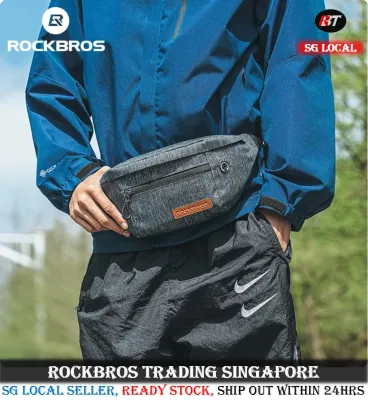
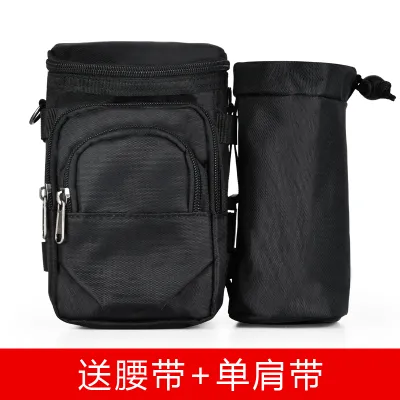
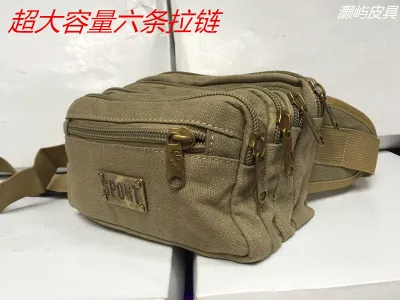
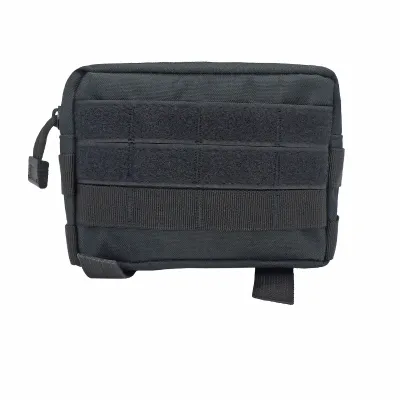
Prices are valid at publication and may change. Please refer to the product page for the latest price.
Air mesh is the gold standard for ventilation in running accessories. This fabric is knitted with visible, open spaces between the fibers, allowing air to pass directly through. Within this category, 3D spacer mesh offers excellent performance. It consists of two separate layers of mesh joined by a vertical layer of monofilament yarns, creating a physical gap—often between two and five millimeters thick—between the pouch body and your skin. This gap acts as a micro-climate channel, allowing air to flow laterally and carry away warm, humid air before it condenses.
Perforated neoprene is another material used in structured running pouches. Neoprene provides structural rigidity and water resistance, holding heavier items without sagging. However, because raw neoprene is non-porous, manufacturers must punch physical holes into the material to allow for ventilation. While perforated neoprene is more breathable than solid neoprene, it still traps heat in the solid sections between the perforations. It is generally heavier and less flexible than air mesh, making it better suited for shorter runs where maximum airflow is not the primary concern.
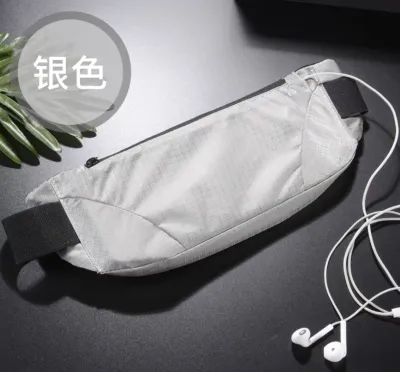
Solid technical fabrics, such as tightly woven nylon or polyester, are often treated with moisture-wicking chemical finishes. These finishes pull sweat away from the skin and spread it across the outer surface of the fabric to accelerate evaporation. While effective in dry conditions, these fabrics lack the physical openings of mesh. If the manufacturer adds a heavy polyurethane coating or a Durable Water Repellent (DWR) finish to the exterior to protect the contents from rain, the fabric’s breathability drops significantly. The coating seals the microscopic gaps between the woven threads, trapping heat and moisture inside the belt.
How Leading Running Apparel Brands Approach Belt Pouch Ventilation
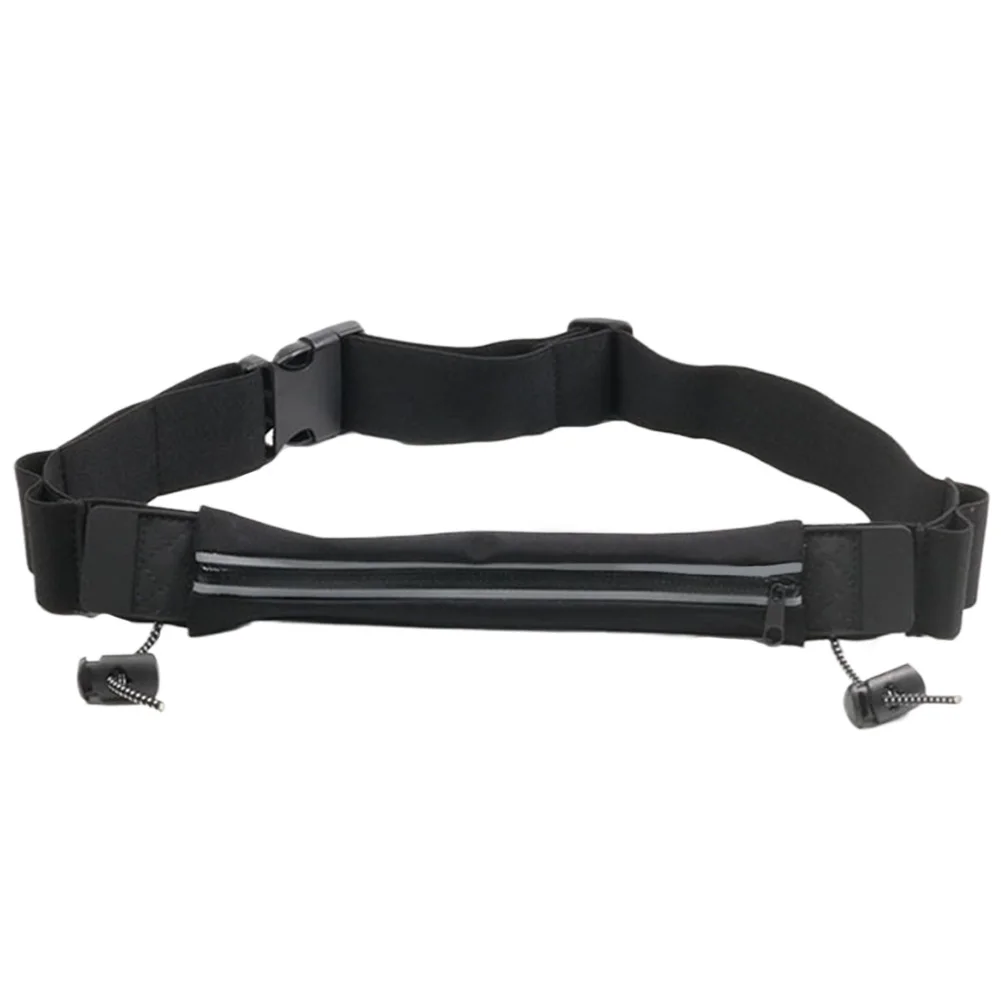
Major running apparel and gear brands approach belt pouch ventilation through two distinct design philosophies: minimalist tube-style belts and structured zippered pouches. Specialized running brands often champion the minimalist tube design, which consists of a continuous, wide band of highly elastic fabric wrapping snugly around the waist. These tubes typically feature an all-over mesh construction or a high percentage of elastane blended with porous synthetic fibers. Lacking heavy zippers, buckles, or thick padding, they offer high air permeability and a low-profile fit that minimizes the surface area of trapped heat.

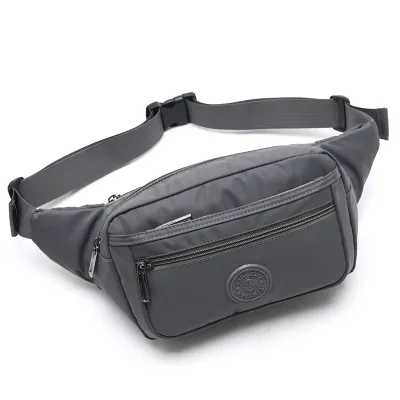
In contrast, broader sports apparel brands frequently design structured zippered pouches. These models utilize a dedicated storage compartment supported by an adjustable webbing strap and a buckle. To ensure these pouches do not bounce when loaded with heavy items like smartphones, they require a stiffer back panel. To maintain breathability, high-quality structured pouches incorporate a multi-layered back panel featuring 3D spacer mesh or raised foam pods covered in mesh. These raised elements create physical channels that keep the flat storage compartment from resting directly against your lower back.
When comparing these design philosophies, you must balance breathability with carrying requirements and bounce reduction. A wider, minimalist tube belt distributes weight evenly around your waist, reducing bounce without requiring high tension. However, because it covers a larger total surface area of your skin, it can feel warmer overall if the fabric is not highly porous. A structured pouch covers less total skin surface area but concentrates the weight in one spot, requiring a tighter fit that can compress the underlying mesh and reduce ventilating efficiency.
To verify ventilation claims before purchasing, use this checklist when reading product descriptions, material tags, or inspecting the item in person:
- Examine the skin-facing material: Ensure the side contacting your body is made of 3D spacer mesh or highly porous air mesh, rather than solid nylon.
- Check the fabric composition: Look for nylon or polyester blended with elastane for stretch, and avoid heavy, non-perforated synthetic rubbers.
- Observe the weave density: Hold the fabric up to a light source; a highly breathable material will allow light to pass through easily, revealing open pores.
- Inspect the seams: Look for flatlock or bonded seams, as bulky, rough seams can cause chafing when sweat softens your skin.
Evaluating Breathability for High-Humidity Running Environments
In tropical climates like Singapore, high ambient humidity presents a severe challenge to standard running gear. When relative humidity regularly exceeds 80%, the air is already heavily saturated with water vapor. This saturation drastically reduces sweat evaporation, which is the body’s primary cooling mechanism. In these conditions, standard moisture-wicking fabrics cannot perform as advertised because the sweat pulled to the outer surface has nowhere to evaporate, leaving the belt saturated and heavy.
To combat high humidity, you must prioritize running belt designs that minimize skin contact area and maximize physical airflow. Ultra-thin profiles and open-weave mesh backings are essential. Every square centimeter of fabric touching your skin acts as an insulating layer that traps heat. Choosing a belt with a narrow width or one utilizing an extremely open, fishnet-style mesh allows ambient air currents to reach your skin directly, facilitating whatever natural evaporation is possible.
Avoid heavily padded or fully waterproofed pouches for daily runs in high-heat, high-humidity environments. While a heavily padded back panel may feel comfortable initially, the thick foam acts as an insulator, trapping body heat and rapidly becoming waterlogged with sweat. Similarly, while a fully waterproof pouch protects your phone from external rain, it also creates an impermeable barrier that traps sweat from your body. This can lead to a highly humid micro-environment inside the pouch itself, potentially exposing electronics to condensation while making the belt feel hot and clammy against your waist.
Decision Framework: Choosing the Right Belt Pouch for Your Run
To select the ideal running belt pouch, you must match the design of the accessory to your specific sweat rate, run duration, and carrying needs. There is no single belt that is perfect for every runner, but using a structured decision framework can help you find the optimal balance of breathability, stability, and storage.
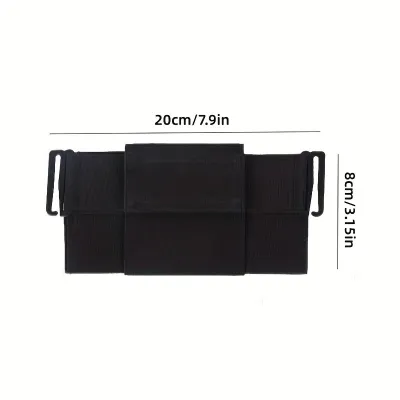
If your primary goal is maximum airflow and you only need to carry flat, lightweight essentials—such as keys, cards, and energy gels—you should choose a minimalist mesh tube belt. These belts offer a high breathability-to-weight ratio. Because they are constructed from thin, highly elastic mesh, they dry rapidly and do not retain large amounts of moisture. They are ideal for high-intensity workouts, track sessions, and short to medium runs where keeping cool is your top priority.
If you need to carry heavier or bulkier items—such as a smartphone or a soft hydration flask—you should opt for a structured pouch with a dedicated 3D spacer mesh back panel. When selecting this style, verify that the spacer mesh is thick enough to maintain its structure under tension. If the mesh is too soft, the weight of your items will compress the fabric completely, flattening the airflow channels and trapping heat against your back. Look for models that feature raised foam ridges or molded channels beneath the mesh to ensure air can continue to circulate even when the belt is loaded.
Finally, always verify that the belt allows for precise micro-adjustments. A proper fit is critical for both comfort and breathability. If a belt is too loose, it will bounce and slide, creating friction against sweat-softened skin and causing painful chafing. Conversely, if a belt is too tight, it will compress your skin and the belt’s own mesh layers, closing the ventilation pores and restricting breathing. Choosing a belt with an adjustable buckle or a tensioning system allows you to fine-tune the fit on the fly, ensuring the belt remains secure without sacrificing airflow. Investing in a well-engineered, adjustable belt can significantly improve your running comfort and protect your skin from heat-related irritation.
Frequently Asked Questions (FAQ)
Does a water-resistant running belt pouch sacrifice breathability?
Yes, there is an inherent physical trade-off between water resistance and breathability in running gear. To prevent rain or sweat from penetrating the storage compartment, manufacturers must use tightly woven fabrics, internal polyurethane membranes, or external Durable Water Repellent (DWR) coatings. These barriers block liquid water droplets, but they also block air molecules and trap water vapor. As a result, a highly water-resistant pouch traps body heat and sweat, making the area beneath the belt feel significantly warmer and wetter.
If you run frequently in wet weather but want to maintain maximum breathability, a practical alternative is to use a highly breathable, non-waterproof mesh belt paired with an internal waterproof sleeve. Placing your phone and electronics inside a simple, lightweight zip-top plastic bag or a dedicated dry sleeve before sliding them into your mesh belt protects your gear from moisture while allowing the rest of the belt to ventilate freely.
How should I wash a mesh running belt to maintain its moisture-wicking properties?
To preserve the technical performance and structural integrity of your mesh running belt, always consult the manufacturer’s care label first. Generally, the best practice is to hand wash the belt in cold water using a mild, liquid detergent, or place it in a mesh laundry bag and run it on a delicate cycle. This prevents the delicate mesh fibers from snagging on zippers or buttons from other garments.
Avoid using fabric softeners when washing technical running gear. Fabric softeners leave a thin, silicone-like chemical coating over the fibers, which clogs the microscopic pores in mesh fabrics and destroys their moisture-wicking capabilities. Additionally, always air dry your running belt in a shaded, well-ventilated area. High heat from a clothes dryer can warp the elastane fibers that provide elasticity, degrade adhesive seams, and shrink the mesh, permanently ruining the fit and breathability of the accessory.

Community discussion
Share your experience or ask a question. Comments are reviewed before publication.