
Selecting a running vest that performs well in Singapore’s relentless heat and humidity requires looking beyond marketing claims. While many popular brands advertise proprietary cooling technologies, independent laboratory breathability rankings are rarely accessible to everyday runners. To make an informed decision, you must evaluate the physical construction of the vest, focusing on mesh density, back-panel architecture, and hydration placement. By understanding how these design elements interact with your body’s natural cooling mechanisms, you can select a vest that maximizes airflow while carrying your essential gear.
In a tropical climate where relative humidity frequently exceeds 80 percent, sweat cannot evaporate easily from your skin. This makes ventilation the single most critical factor in preventing heat exhaustion and maintaining comfort during outdoor runs. A running vest essentially acts as an extra layer of clothing, meaning any area covered by dense fabric or water storage will trap heat against your torso. Therefore, finding the right balance between carrying capacity and open-air ventilation is key to surviving long runs along the Green Corridor or East Coast Park.
Key Breathability Features to Check in Running Vests
When shopping for a running vest, the manufacturer’s spec sheet and a close physical inspection are your best tools for assessing potential airflow. Start by checking the fabric composition listed on the product label. Look for high percentages of synthetic fibers like polyamide, polyester, and elastane, which naturally resist water absorption and dry quickly. Avoid any vests that incorporate heavy cotton blends or thick, non-porous laminates in areas that sit directly against your skin, as these materials will hold onto sweat and quickly become heavy.
Products mentioned in this guide
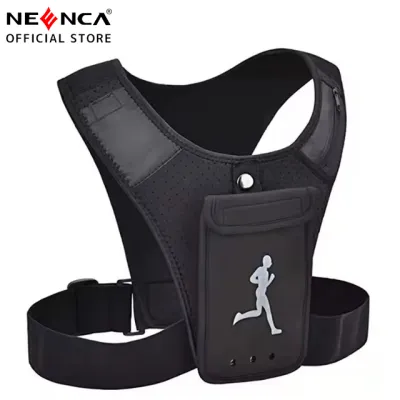
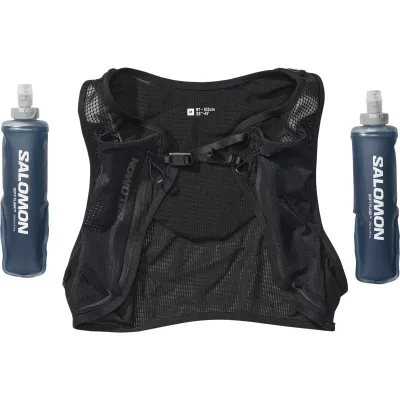
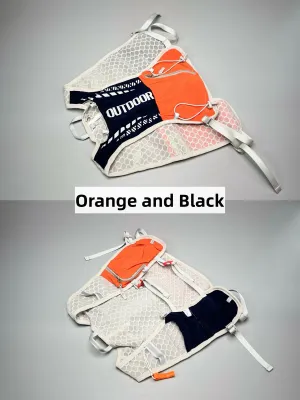
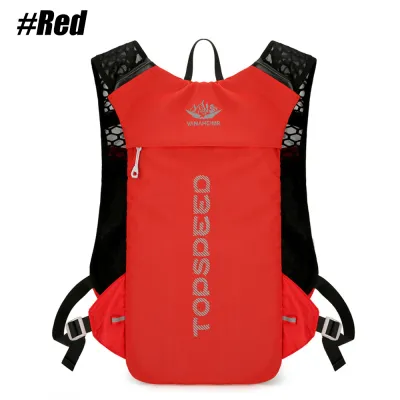
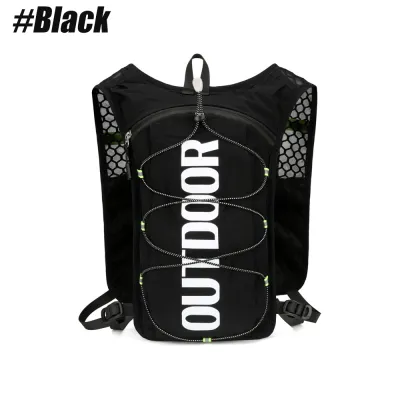
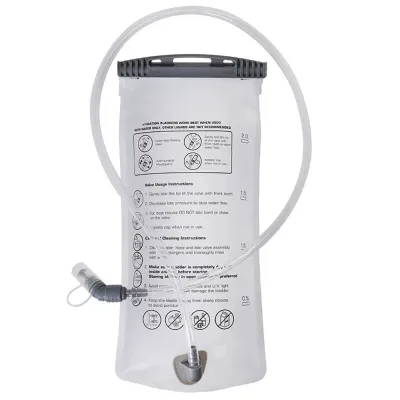
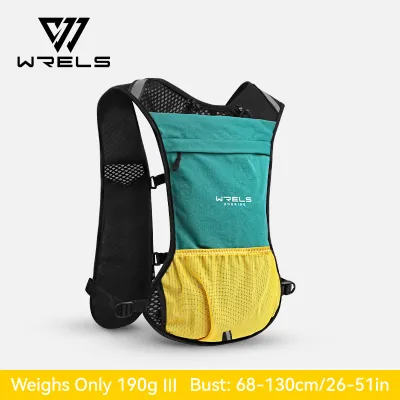
Prices are valid at publication and may change. Please refer to the product page for the latest price.
Next, examine the mesh structure used throughout the chassis of the vest. Not all mesh is created equal; some brands utilize a fine, tightly woven mesh that prioritizes durability, while others use open-pore mesh with visible gaps to facilitate maximum air passage. Look closely at the shoulder straps and back panels to see if they feature 3D spacer mesh. This specialized fabric uses vertical fibers to create a physical gap between your body and the outer layer of the vest, allowing air to circulate even when the vest is pulled tight against your torso.
Finally, inspect the back panel for strategic cutouts and dedicated ventilation channels. High-performance vests designed for hot climates often feature a split-back design or a central channel where fabric is completely omitted along the spine. Because the spine is a primary area for heat dissipation, keeping this zone clear of fabric can significantly reduce thermal buildup. When evaluating different brands in a local retail store, hold the back panel up to the light to verify how much open space actually exists within the weave.
Vest Structures and Their Impact on Airflow
The physical architecture of a running vest dictates how efficiently your body can dump heat during high-exertion activities. Every pocket, zipper, and adjustment strap added to a vest introduces another layer of material that can potentially trap warm, moist air against your skin. Consequently, there is an inherent trade-off between a vest’s storage capacity and its overall breathability. Understanding this structural relationship allows you to choose a design that matches your gear requirements without causing you to overheat.

Full-Mesh vs. Panel-Mesh Designs
Full-mesh designs are constructed almost entirely from lightweight, perforated netting, minimizing the amount of solid fabric in contact with your body. These vests are exceptionally light and allow wind to pass through virtually unobstructed, making them highly suitable for Singapore’s humid conditions. However, because mesh is inherently stretchy and less structured, these vests typically offer limited storage capacity and may bounce if overloaded with heavy items.
In contrast, panel-mesh designs combine breathable mesh zones with structured fabric panels, usually made of durable ripstop nylon or weather-resistant synthetics. These solid panels are strategically placed to support larger pockets, secure zippered compartments, and stabilize heavier loads during long-distance runs. While they excel at keeping your gear secure and bounce-free, these solid fabric zones inevitably block airflow and create localized hot spots on your chest and back. If you choose a panel-mesh vest, verify that the solid panels are kept to a minimum and do not cover major sweat zones.
Hydration Bladder vs. Soft Flask Configurations
How you choose to carry your water has a profound impact on the breathability of your running vest. Carrying a large hydration bladder in the rear compartment of your vest creates a thick, heavy barrier directly against your upper back. This bladder acts as an insulating layer, trapping body heat along your spine and preventing any air from reaching your skin, regardless of how breathable the underlying mesh is. Furthermore, as the water in the bladder warms up from your body heat, it can create an uncomfortable, humid microclimate against your back.
To maximize ventilation, consider opting for a vest configured for front-mounted soft flasks. By moving your water storage to the chest straps, you leave the entire back panel of the vest open and unobstructed. This configuration allows breeze to pass freely across your back, facilitating rapid sweat evaporation where you need it most. While front flasks may feel different initially, they distribute weight more evenly across your frame and eliminate the heat-trapping insulation effect of a rear bladder.
Matching Vest Breathability to Your Running Profile
Selecting the ideal running vest requires a realistic assessment of your personal running habits, sweat rate, and typical route conditions. If you primarily engage in high-intensity workouts, short trail runs, or fast road sessions under an hour, your hydration and gear needs are relatively low. For these runs, prioritize a minimalist vest with front-only storage and a completely open, full-mesh back. This setup ensures that your body can cool itself as efficiently as possible during intense efforts when your sweat rate is at its peak.
For long-distance endurance training, such as preparing for a local marathon or ultra-trail event, you must balance the need for ventilation with the practical requirements of carrying mandatory gear, nutrition, and sufficient fluids. In these scenarios, a pure minimalist mesh vest may not offer enough storage or load stability. Look for a hybrid design that features a highly breathable 3D mesh back panel combined with structured, lightweight pockets on the sides and front. This allows you to carry essential items like salt tablets, energy gels, and a mobile phone without completely sacrificing airflow.
It is also beneficial to consider the timing of your runs when evaluating your comfort thresholds. A humid morning run in Singapore, where the air is thick and wind speed is often low, demands the absolute highest level of mesh breathability to assist with evaporative cooling. Evening runs, while still warm, may offer slightly lower relative humidity or a light breeze, allowing for a slightly more structured vest if you require extra storage. Always test your gear under various conditions to determine how your body responds to different levels of coverage.
Decision Framework: Which Vest Type Fits Your Needs?
To finalize your purchase decision, use a structured framework based on your primary running conditions rather than relying on brand popularity alone. If your absolute priority is staying cool and keeping weight to a minimum during hot, humid daytime runs, select a full-mesh vest designed specifically for front-mounted soft flasks. This combination offers the least resistance to airflow and keeps your back completely clear to maximize sweat evaporation.
If your training requires you to carry a hydration bladder, heavy safety gear, or extensive nutrition for ultra-distance trail runs, accept that you will need a more structured panel vest. In this case, mitigate the heat-trapping effect by selecting a model that features deep ventilation channels along the spine and uses highly porous 3D spacer mesh on the shoulder straps. This ensures that even with a loaded back compartment, some air can still circulate through the contact points.
Before committing to any purchase, always perform a physical check of the vest’s adjustment mechanisms. Inspect the sternum straps, side cinch cords, and buckles to ensure they are not made of thick, non-breathable webbing that will absorb sweat and stiffen. Heavy, wet straps can cause localized chafing against your chest and ribs when saturated with sweat. Opt for vests that utilize thin, lightweight cords or perforated elastic bands for their adjustment systems to maintain breathability across the entire chassis.
Fit, Chafing, and Maintenance in High Humidity
The performance of a highly breathable running vest can be severely compromised by a poor fit, especially in Singapore’s humid climate. If a vest is too loose, it will bounce and slide across your shoulders, causing the mesh fabric to bunch up. This bunching not only blocks the engineered ventilation pores but also creates high-friction zones that lead to severe chafing when your skin is wet with sweat. Conversely, a vest that is too tight will compress the 3D spacer mesh, flattening the air gaps and trapping heat directly against your skin.
Proper maintenance is equally critical to preserving the breathability and longevity of your running vest. After every run, your vest will be saturated with sweat, salt, and body oils. If left unwashed, these organic compounds will dry inside the mesh pores, clogging the fabric and significantly reducing its ability to wick moisture and allow airflow. To prevent this, rinse your vest thoroughly in cool, fresh water immediately after your run, and hang it to dry in a well-ventilated, shaded area away from direct sunlight, which can degrade elastic fibers over time.
Over months of heavy use, pay close attention to the condition of the fabric and elastic components. If you notice that the mesh has lost its structure, permanently retains a musty odor even after washing, or no longer allows water to pass through easily, the technical fibers may have degraded. When a vest begins to retain moisture instead of wicking it away, or when the elastic straps lose their tension and cause the vest to sag, it is time to replace the gear to avoid painful chafing and heat buildup on your future runs.
Frequently Asked Questions (FAQ)
Does a darker vest color affect heat absorption during daytime runs?
While dark colors like black or navy naturally absorb more solar radiation than lighter shades, the impact on your overall thermal comfort is secondary to the vest’s airflow. In high-humidity environments, your body relies almost entirely on evaporative cooling to regulate temperature. Therefore, a highly breathable dark mesh vest will keep you cooler than a solid, non-breathable light-colored vest. If you frequently run under the direct midday sun, look for vests that offer certified UPF ratings on their solid panels, but prioritize open-mesh construction above color choice.
Can I apply aftermarket cooling sprays or treatments to my running vest?
You should avoid applying any aftermarket chemical sprays, water-repellent coatings, or fabric softeners to your running vest. These substances can coat the synthetic fibers, clogging the microscopic pores of the mesh and permanently destroying the fabric’s engineered moisture-wicking capabilities. Fabric softeners are particularly damaging, as they leave a waxy residue that locks in moisture and odors. To maintain the vest’s performance, stick to mild, sports-specific detergents and follow the manufacturer’s washing instructions precisely.

Community discussion
Share your experience or ask a question. Comments are reviewed before publication.