
Keeping a protein shake cold in Singapore’s tropical climate—where temperatures regularly exceed 30°C with high relative humidity—depends almost entirely on the bottle’s structural insulation rather than brand names alone. While many brands promise all-day cold retention, the actual performance relies on whether the bottle uses double-wall vacuum-insulated stainless steel or basic single-wall plastic. Choosing the right container ensures your post-workout supplement remains palatable and safe from rapid bacterial growth during outdoor training sessions or long commutes.
To make an informed choice, you must look past creative marketing labels and understand the physical mechanisms that prevent heat transfer. By evaluating material construction, lid design, and practical trade-offs, you can select a shaker bottle that maintains the desired temperature throughout your exercise routine.
Quick Answer: What Actually Keeps Shaker Bottles Cold?
The primary driver of temperature control in any shaker bottle is double-wall vacuum insulation. This construction features two layers of stainless steel separated by a vacuum gap. Because a vacuum contains no air molecules, it prevents heat from transferring via conduction or convection from the warm Singapore air into your cold beverage. Bottles utilizing this technology perform exceptionally well at maintaining low temperatures, even when left in hot vehicles or outdoor fitness parks.
Products mentioned in this guide
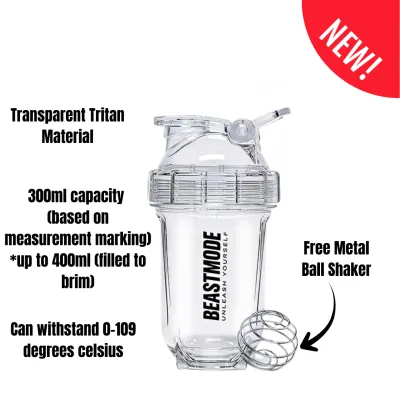
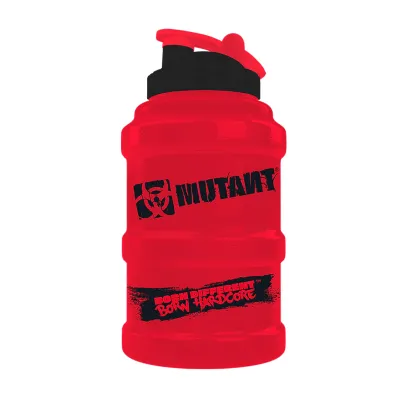
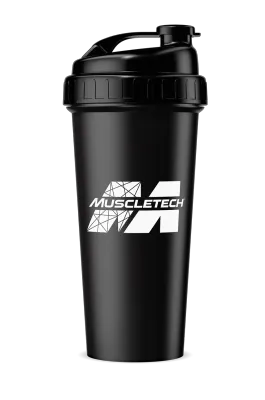
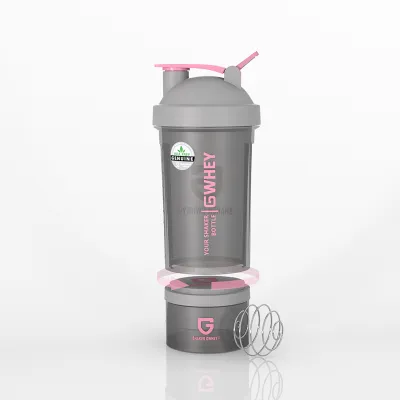
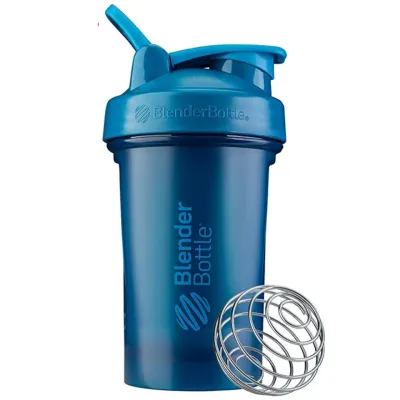
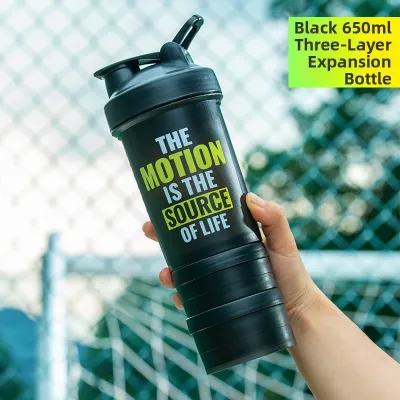
Prices are valid at publication and may change. Please refer to the product page for the latest price.
In contrast, single-wall plastic or standard metal bottles offer virtually no thermal barrier. Heat from the surrounding environment transfers directly through the thin container wall, causing ice to melt rapidly and liquids to warm up within minutes. For these basic bottles, cold retention depends entirely on the volume of ice you add and how quickly you consume the drink.
Beyond the body of the bottle, the lid is a critical point of thermal vulnerability. Warm air can easily enter through poorly sealed spouts or thin plastic caps. High-performing insulated shakers feature thick, airtight lid seals and secure locking mechanisms that prevent warm air exchange, ensuring the vacuum insulation can do its job effectively.
Key Insulation Technologies to Compare Across Brands
When comparing options on online marketplaces or in sports specialty stores, you will encounter several distinct construction methods. Understanding these technologies allows you to assess performance potential without relying on brand-specific claims.

Double-Wall Stainless Steel vs. Insulated Plastic
Double-wall stainless steel remains the gold standard for thermal performance. Typically constructed from food-grade 18/8 stainless steel, these bottles are highly durable and completely block radiant heat when paired with a vacuum seal. Insulated plastic bottles, which often use a double-wall design with a thin layer of air or foam inside, are lighter and less expensive but offer significantly less thermal resistance than their vacuum-sealed steel counterparts.
Vacuum-Sealed Gaps and Lid Gaskets
A true vacuum-insulated bottle requires a specialized manufacturing process to extract air from the space between the inner and outer walls. The quality of this vacuum determines the bottle’s long-term performance. Additionally, look for lids equipped with thick silicone gaskets. These gaskets create a tight physical barrier at the threading, preventing warm ambient air from seeping into the bottle and keeping your shake cold for extended periods.
Sweat-Proof Exterior Finishes
In humid climates, condensation forms quickly on cold surfaces. High-quality insulated bottles feature sweat-proof exterior coatings, such as powder-coated paint. This textured finish prevents moisture from accumulating on the outside of the bottle, ensuring a secure grip during heavy lifting sessions and protecting the contents of your gym bag from water damage.
| Construction Type | Heat Transfer Resistance | Condensation Risk | Weight | Best Use Case |
|---|---|---|---|---|
| Double-Wall Vacuum Stainless Steel | High | Very Low | Heavy | Long outdoor workouts, high-humidity environments |
| Double-Wall Insulated Plastic | Moderate | Low | Moderate | Medium-length indoor workouts, travel |
| Single-Wall Plastic | Low | High | Light | Short sessions, air-conditioned gyms |
How to Evaluate Brand Claims and Specifications
Navigating manufacturer specifications requires a critical eye, as marketing departments often present performance figures under idealized laboratory conditions that do not match real-world usage.
Interpreting Temperature Retention Claims
When a product listing states that a bottle “keeps drinks cold for 24 hours,” this testing is typically conducted in a temperature-controlled room (usually around 20°C to 22°C) with the bottle filled completely with solid ice and water. In Singapore, where outdoor temperatures are much higher and humidity accelerates heat transfer, you should expect the actual cold duration to be shorter. For practical gym use, a bottle that maintains a cold temperature for 4 to 6 hours under local conditions is more than sufficient for a standard workout and commute.
Identifying Vague Marketing Terms
Be cautious of terms like “thermal shield,” “polar barrier,” or “advanced cold technology” if they are not accompanied by structural specifications. A product must explicitly state “double-wall vacuum insulated” to offer true vacuum performance. If a description only mentions “double-wall construction” without referencing a vacuum, the space between the walls likely contains air, which conducts heat much faster than a vacuum.
Verifying Material Specifications
Before purchasing, check the product manual or the manufacturer’s official website to verify the materials used. Look for high-grade 18/8 (304) stainless steel for the body, which resists rust and odor retention. Ensure that all plastic components, especially the lid and mixing mechanisms, are certified BPA-free and phthalate-free to guarantee safety when exposed to varying temperatures.
Practical Trade-offs: Insulation vs. Shaking Performance
While superior cold retention is highly desirable, it introduces several practical trade-offs that can impact your daily gym routine and supplement preparation.
Added Weight and Bulk
Vacuum-insulated stainless steel bottles are inherently heavier and bulkier than their single-wall plastic counterparts. The double-wall steel construction adds noticeable weight to your gym bag, even when empty. If you commute via public transport or walk long distances to your fitness center, this extra weight is an important factor to consider alongside thermal performance.
Internal Clearance and Mixing Mechanisms
The thick walls of an insulated bottle reduce the internal volume relative to the bottle’s external size. This reduced clearance can make it more difficult to fit large ice cubes alongside standard mixing accessories, such as wire whisk balls or plastic grids. Furthermore, metal mixing balls shaking against stainless steel inner walls can create a loud, distracting clanging noise in a quiet gym environment, whereas plastic bottles muffle this sound.
Cleaning and Hygiene Challenges
Insulated bottles often feature narrower necks to minimize the surface area exposed to warm air, which helps maintain cold temperatures. However, this narrow opening makes it challenging to thoroughly clean the bottom of the bottle where protein powder residue tends to accumulate. Additionally, complex lid mechanisms designed for airtight seals—such as spring-loaded caps and deep silicone gaskets—require meticulous cleaning to prevent mold growth, which thrives in warm, humid climates.
Decision Framework: Choosing the Right Insulated Shaker
To select the ideal shaker bottle for your routine, match your specific workout environment and preparation habits to the appropriate bottle structure.
Match Your Workout Environment
If your fitness routine consists of outdoor calisthenics, running, or training in non-air-conditioned spaces, prioritize a double-wall vacuum-insulated stainless steel bottle. The robust thermal barrier is necessary to combat high ambient heat. Conversely, if you train exclusively in air-conditioned commercial gyms and consume your shake within an hour of mixing, a lightweight single-wall plastic bottle filled with ice will meet your needs without the added weight of steel.
Evaluate Your Supplement Type
For thick shakes, such as mass gainers or meal replacements, ensure the bottle has a wide mouth and a highly durable, removable gasket. Thick liquids require vigorous shaking, which can cause leaks if the lid gasket is thin or poorly fitted. If you use supplements that require precise dilution or contain highly acidic ingredients, consult the manufacturer’s guidelines to ensure the inner lining of the bottle is compatible and will not degrade over time.
Inspect the Lid and Portability Features
Choose a bottle with a heavy-duty carry loop if you plan to transport it frequently. Verify that the drinking spout cover locks securely in place with a physical latch rather than a simple friction fit, as pressure can build up inside the bottle during shaking, potentially forcing a weak cap open and causing spills.
Frequently Asked Questions (FAQ)
Can I put ice cubes in a standard plastic shaker bottle to keep it cold?
Yes, you can add ice cubes to a standard plastic shaker bottle, but the ice will melt rapidly due to the lack of insulation. As the ice melts, it will dilute your protein shake, which can negatively affect the texture and flavor. To minimize dilution, try pre-chilling your liquid in the refrigerator before mixing, or use a reusable plastic ice cube that does not release water as it warms up.
Does a sweat-proof exterior really matter for gym workouts?
In humid climates, a sweat-proof exterior is highly beneficial. Non-insulated bottles will develop heavy condensation on the outside, making the surface slippery and difficult to grip during workouts. This moisture can also transfer to your hands, potentially compromising your grip on barbells or dumbbells. Furthermore, a sweat-proof finish prevents condensation from soaking other items inside your gym bag, such as electronics, straps, or clean clothing.

Community discussion
Share your experience or ask a question. Comments are reviewed before publication.