
To find a sports water bottle with a spray function that keeps drinks coldest during workouts, you must look beyond marketing claims and evaluate the bottle’s structural insulation and lid design. While standard insulated bottles rely on a simple, sealed cap to trap cold air, a spray-enabled bottle introduces a mechanical misting system. This system requires internal tubing and nozzle openings that can act as thermal bridges, allowing heat to transfer into your beverage more rapidly.
To maximize cold retention, the primary decision factor is the material construction—specifically, choosing double-wall vacuum-insulated stainless steel over insulated plastic. While plastic misting bottles are lightweight and flexible, they lack the thermal barrier needed to withstand high ambient temperatures during intense exercise. By understanding how the spray mechanism interacts with the bottle’s insulation layer, you can select a model that delivers both refreshing hydration and a cooling mist without sacrificing temperature control.
Key Factors That Affect Cold Retention in Spray Bottles
Evaluating the thermal performance of a spray water bottle requires an understanding of the physical and structural variables that dictate how long it can keep drinks cold during exercise. The most critical component is the insulation technology. Double-wall vacuum insulation works by creating a near-complete vacuum between two layers of stainless steel. Because a vacuum contains no air molecules, it prevents heat transfer via conduction and convection, which are the primary ways external heat warms your drink. The thickness of this vacuum gap and the quality of the seal at the neck of the bottle are paramount; any manufacturing defect in the seal will allow air to seep back into the gap, rendering the insulation ineffective.
Products mentioned in this guide
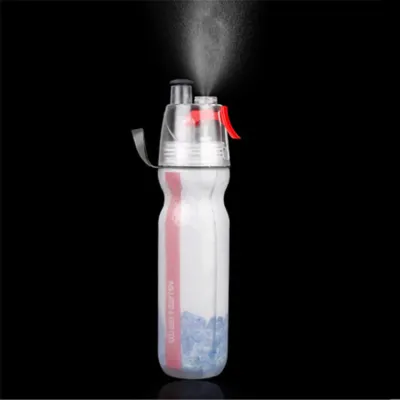
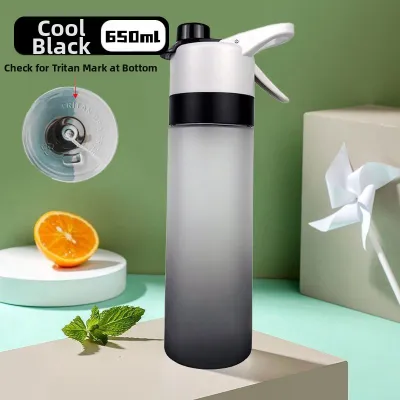

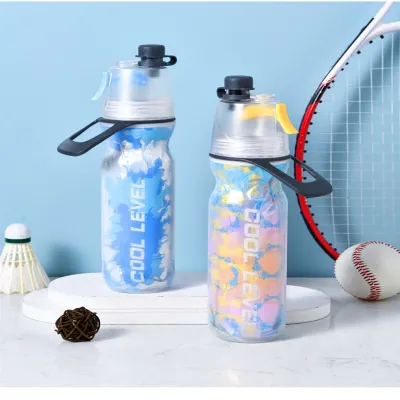
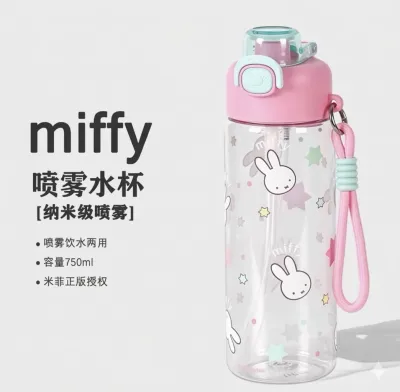
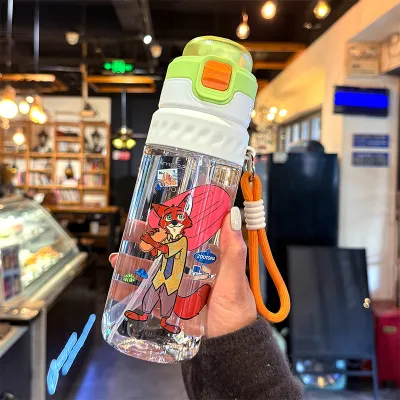
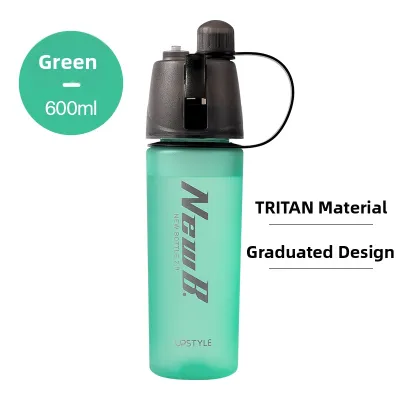
Prices are valid at publication and may change. Please refer to the product page for the latest price.
Bottle capacity and the surface-area-to-volume ratio also play a significant role in temperature maintenance. From a thermodynamic perspective, a larger volume of cold water possesses greater thermal mass, meaning it requires more heat energy to raise its temperature by a single degree compared to a smaller volume. However, larger bottles also have a greater surface area exposed to the surrounding environment, which increases the rate of heat absorption. A well-designed sports bottle balances these factors by utilizing a compact, cylindrical shape that minimizes exposed surface area while maximizing internal volume, helping to sustain cold temperatures over extended periods.
The most challenging aspect of maintaining cold temperatures in a spray bottle is the design of the lid and the spray mechanism itself. Standard insulated bottles feature solid, foam-filled lids that block heat transfer at the opening. In contrast, a spray bottle requires an internal tube—often made of plastic or silicone—that runs from the bottom of the flask up to the nozzle assembly. This tube, along with the mechanical pump and the nozzle opening, creates a series of thermal bridges. A thermal bridge is a pathway that allows heat to bypass the bottle’s vacuum insulation and travel directly into the cold liquid. If the lid is uninsulated or the spray mechanism lacks proper seals, ambient air will continuously warm the water, significantly reducing the bottle’s overall cold retention.
How to Compare Insulation Specifications Across Brands
When shopping for a water bottle with a spray function, you will encounter various manufacturer claims regarding how long a bottle can keep drinks cold. To make an informed decision, you must learn to read these specifications critically and identify verifiable details rather than relying on vague marketing slogans. Manufacturers often state that a bottle keeps drinks cold for a specific number of hours, but these figures are typically generated under ideal laboratory conditions. To evaluate these claims, look for documentation that explains the testing parameters, such as the initial temperature of the water, the ambient temperature of the testing room, and whether the test was conducted with a specific ratio of ice to water.

Material quality is another verifiable specification that directly correlates with insulation performance and durability. High-quality insulated bottles are constructed from food-grade 18/8 stainless steel, also known as grade 304. This material is highly resistant to rust, does not retain flavors from sports drinks, and is strong enough to maintain the integrity of the vacuum seal under the physical stress of outdoor activities. For the plastic components, such as the lid, trigger, and internal spray tube, look for certifications indicating they are BPA-free and made from durable polymers like polypropylene. These materials can withstand repeated exposure to sunlight and moisture without degrading or leaching chemicals into your water.
If you encounter a bottle that promises exceptional cold retention but features a highly complex, multi-part lid with no clear insulation specifications, it is best to pause and seek clarification. Complex lids with multiple moving parts, vents, and triggers are highly susceptible to heat leakage. If the manufacturer does not provide clear information on how the lid is insulated or sealed, you should contact their customer support team to ask about the thermal properties of the cap assembly. A high-quality brand should be able to provide detailed specifications regarding the materials used to prevent heat transfer through the lid.
Evaluating the Spray Mechanism and Usability During Exercise
The design of the spray mechanism affects not only how easily you can mist yourself during a workout but also how well the bottle retains its cold temperature. Spray bottles generally utilize one of two designs: pump-action or squeeze-activated. Pump-action bottles feature a rigid body—usually stainless steel—and a trigger on the lid that you press to spray a fine mist. This design maintains excellent seal integrity because the rigid body does not deform, allowing the vacuum seal to remain completely intact. Squeeze-activated bottles, on the other hand, are made of flexible plastic. While they are highly convenient because you can simply squeeze the bottle to spray, the flexible walls cannot support a true vacuum insulation layer, resulting in significantly lower cold retention.
Another common issue with poorly insulated spray bottles is condensation, often referred to as “sweating.” When warm, humid air comes into contact with a cold surface, the moisture in the air condenses into water droplets on the outside of the bottle. If you notice condensation forming on the body or the lid of your bottle, it indicates that the vacuum seal is compromised or that the internal spray tube is conducting cold directly to the exterior. Sweating not only makes the bottle slippery and difficult to hold during high-intensity exercise but also serves as visual proof that heat is rapidly entering the bottle and warming your drink. A high-performing insulated bottle should remain completely dry on the exterior, even in hot and humid climates like Singapore.
Hygiene and maintenance are also critical when evaluating the usability of a spray bottle. The narrow internal tube, the pump chamber, and the tiny nozzle orifice are highly susceptible to mold and bacterial growth, particularly if you fill the bottle with sports drinks containing sugars or electrolytes. To ensure safe hydration, you must choose a bottle with a spray mechanism that can be easily disassembled for cleaning. If the internal components cannot be reached or flushed effectively, bacteria can quickly accumulate, posing a health risk and causing unpleasant odors. Look for models that allow you to remove the spray straw and flush the pump assembly with warm, soapy water.
Decision Framework: Matching Bottle Specs to Your Workout
Selecting the right spray water bottle requires matching the bottle’s specifications to the specific conditions, duration, and environment of your workouts. If your routine consists of long outdoor endurance sessions, such as long-distance running, cycling, or hiking in warm weather, temperature maintenance is your highest priority. For these activities, you should choose a larger capacity bottle (such as 700ml or more) constructed from double-wall vacuum-insulated stainless steel, paired with a secure pump-action spray lid. The substantial thermal mass of the larger water volume, combined with the superior heat resistance of stainless steel, will ensure your drink remains ice-cold for the duration of your workout, while the misting function provides essential external cooling.
Conversely, if your workouts consist of high-intensity interval training (HIIT), indoor gym sessions, or court sports where workouts are shorter and highly active, portability and ease of use may take precedence over long-term cold retention. In these scenarios, a lighter, squeeze-activated insulated plastic spray bottle may be the more practical choice. Although these bottles do not offer the multi-hour ice retention of stainless steel, their lightweight construction and flexible bodies allow for quick, one-handed sips and rapid misting between intense sets. They are also less likely to cause damage if dropped on a gym floor or court.
Regardless of the activity, you must also verify that the spray mechanism is completely leakproof before packing it for your workout. A bottle that leaks when stored horizontally can quickly ruin the contents of your gym bag, damaging electronics, clean clothes, or training gear. Look for bottles that feature a dedicated physical lock on the spray trigger or a secure, sealing cap that covers the nozzle when not in use. Testing the bottle’s seal by filling it with water and laying it horizontally on a dry surface for several hours is an excellent way to verify its leakproof integrity before taking it on the go.
Frequently Asked Questions (FAQ)
Can I put ice cubes in a water bottle with a spray nozzle?
Yes, you can add ice cubes to a spray water bottle, but you must first check the width of the bottle’s mouth to ensure they fit easily. It is important to avoid forcing large ice cubes into the bottle, as they can strike and damage or bend the internal spray tube that runs down the center. To prevent any damage to the mechanism, tilt the bottle slightly and slide the ice cubes in gently, or use smaller ice chips that can easily pass by the internal tube without putting pressure on it.
Does the spray function make the bottle harder to clean?
Yes, the addition of a spray mechanism makes these bottles more complex to clean than standard water bottles. The narrow internal straw, the pump chamber, and the tiny nozzle cannot be reached with a standard bottle brush, meaning they require active flushing to prevent mold and bacterial growth. To clean the system thoroughly, fill the bottle with warm, soapy water, pump the spray trigger multiple times to run the cleaning solution through the entire mechanism, and then repeat the process with clean water before leaving all parts disassembled to air-dry completely.

Community discussion
Share your experience or ask a question. Comments are reviewed before publication.