
When evaluating which thermal water bottle keeps drinks cold the longest during workouts, there is no single universal winner. Real-world cold retention depends on verifiable physical specifications—such as double-wall vacuum construction and lid sealing—combined with how the bottle is used in Singapore’s high heat and humidity. Rather than relying on unverified marketing claims, a practical way to choose is to match the bottle’s insulation design, capacity, and lid mechanism to your specific workout intensity, environment, and hydration habits.
In a tropical climate where outdoor temperatures regularly climb above 30°C, maintaining hydration at an optimal temperature is crucial for athletic performance and recovery. Cold water is absorbed more rapidly by the body, helping to lower your core temperature during intense physical exertion. However, many manufacturers advertise extreme cold-retention capabilities based on laboratory tests conducted under ideal, air-conditioned conditions. To find a bottle that performs reliably during a humid run along the East Coast Park or a grueling session in a local gym, you must look past marketing slogans and analyze the physical engineering of the bottle itself.
Key Insulation Specs to Check Before Buying
To understand how a thermal water bottle maintains cold temperatures, you must first look at its core construction. A highly effective insulation method is double-wall vacuum insulation. This design features an inner and outer wall of stainless steel with the air evacuated from the space between them. Because a vacuum contains no air molecules, it prevents heat transfer by conduction and convection, which are the primary ways heat from the outside environment reaches your drink. Some advanced bottles also incorporate a copper lining on the outer surface of the inner wall, which reflects radiant heat and further enhances temperature stability.
Products mentioned in this guide
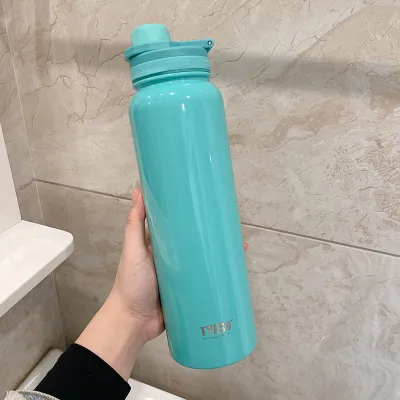
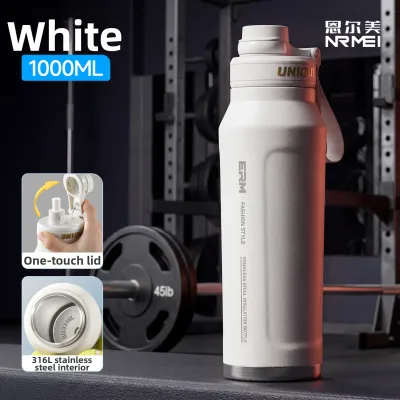
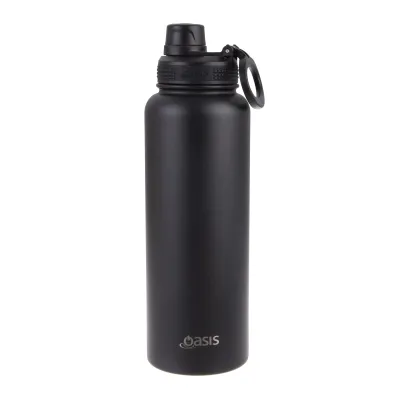
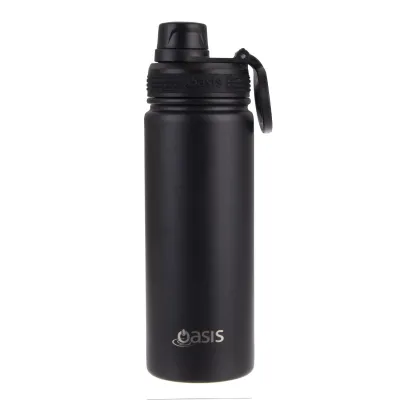
![[Limited Time Discount] SMEG x 24Bottles Clima Bottle 500ml Insulated Stainless Steel Hot 12H Cold 24H BPA-Free](https://img.lazcdn.com/g/p/f7fb1c7db2fb0977c86e90455c7f2604.jpg_400x400q80.jpg_.webp)
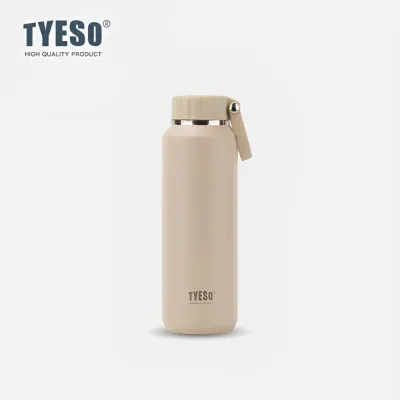
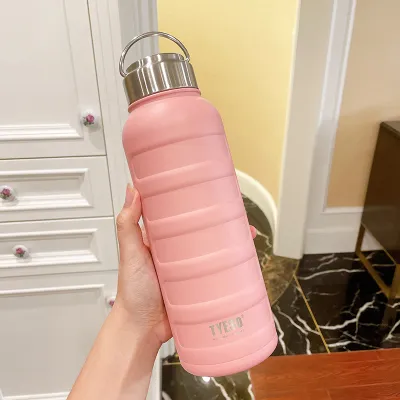
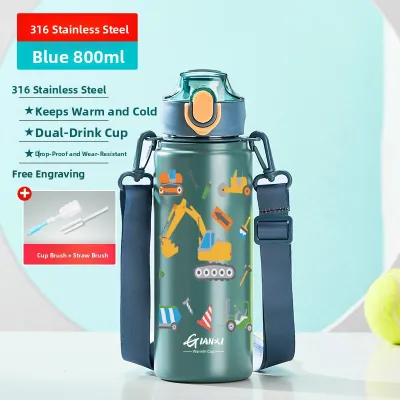
Prices are valid at publication and may change. Please refer to the product page for the latest price.
The material grade of the bottle is equally critical for durability and safety. High-quality thermal bottles are constructed from 18/8 food-grade stainless steel, which contains 18% chromium and 8% nickel. This specific alloy is highly resistant to rust, corrosion, and flavor retention, ensuring your water tastes fresh even after repeated use. The thickness of the steel walls also matters; while thicker walls add slight weight, they provide essential resistance against dents. A severe dent can cause the inner and outer walls to touch, bridging the vacuum gap and permanently destroying the bottle’s insulating properties.
While the body of the bottle prevents heat transfer through the sides, the lid is often the weakest link in thermal performance. Solid screw-on caps generally offer highly efficient insulation because they can be filled with insulating foam and create a tight, continuous seal over the bottle’s opening. In contrast, straw lids and flip-top mechanisms prioritize convenience but introduce thermal vulnerabilities. Straw lids require a small vent hole to allow air pressure to equalize as you drink, which can let warm ambient air enter the bottle. Flip-top lids often have thinner plastic barriers and more moving parts, which can accelerate heat transfer compared to a solid, insulated cap.
Finally, consider the volume-to-surface-area ratio of the bottle. From a physics perspective, a larger volume of cold liquid possesses greater thermal mass, meaning it requires significantly more heat energy to raise its temperature than a smaller volume. Consequently, a 1.2-liter bottle will naturally retain cold temperatures longer than a 500-milliliter bottle of the same design, assuming both are filled to capacity. If long-lasting cold retention is your primary goal, opting for a larger capacity is a simple physical advantage.
How Environmental and Usage Factors Affect Cold Retention
No matter how advanced a bottle’s insulation technology is, real-world conditions in Singapore’s climate will heavily influence how long your drink stays cold. High ambient temperatures and high relative humidity create a steep temperature gradient between the ice-cold water inside the bottle and the hot air outside. This gradient acts as a driving force, accelerating heat transfer through any uninsulated areas, such as the lid or the neck of the bottle. In humid environments, the air carries more moisture, which can also slightly increase the rate of heat transfer to the bottle’s exterior surface compared to dry conditions.

Sun exposure is another critical variable that can quickly override laboratory performance ratings. If you leave your thermal bottle on an open tennis court, running track, or football field under direct sunlight, the metal exterior will absorb solar radiation rapidly. This causes the outer shell to heat up significantly, putting immense stress on the vacuum barrier. Keeping your bottle inside a shaded sports bag, under a bench, or wrapped in a towel can dramatically reduce this thermal load, preserving your ice and cold water for hours longer than if it were left exposed to the sun.
Your personal usage habits also play a major role in temperature maintenance. Every time you open the lid to take a sip, you break the thermal seal, allowing cold air to escape and warm, humid air to enter. If you open the bottle frequently during a high-intensity workout, the cumulative effect of this air exchange will warm your drink much faster than if the bottle remained sealed. Additionally, the initial ice-to-water ratio is vital. Filling a bottle with room-temperature water and only a few ice cubes will result in rapid ice melt as the water cools down. For maximum cold retention, pre-chill the bottle with ice water for a few minutes, empty it, and then fill it with a high ratio of ice to pre-chilled water.
Condensation management is a key indicator of a bottle’s insulation quality. A properly functioning double-wall vacuum bottle should never “sweat” or form condensation on its exterior, regardless of how cold the liquid is inside or how humid the air is outside. If condensation does form, it means heat is actively transferring through the walls, indicating a compromised vacuum seal. A dry, sweat-proof exterior is essential for maintaining a secure grip during intense workouts when your hands are sweaty, and it prevents moisture from damaging your gym gear, electronics, or papers inside your sports bag.
Matching Bottle Features to Your Workout Type
Selecting the right thermal water bottle requires matching its physical features to the specific demands of your exercise routine. For high-intensity or outdoor endurance sports, such as cycling, road running, or outdoor bootcamps, convenience and safety are the top priorities. A medium-capacity bottle (around 600ml to 800ml) equipped with a leak-resistant straw lid is highly effective for these activities. This design allows you to hydrate quickly with one hand and without tilting your head back, keeping your eyes focused on your path. It is also important to verify that the bottle’s outer diameter fits securely into your bicycle’s bottle cage or the side pockets of your running vest before purchasing.
If your workouts are primarily indoors, such as weight training, yoga, or fitness classes in a gym, portability and quick access are less restrictive. In these settings, a wide-mouth, large-capacity bottle (1 liter or more) is often the most practical choice. The wide mouth allows you to easily add large ice cubes from gym ice dispensers and makes thorough cleaning much simpler. Since you can place the bottle on the floor or a nearby shelf between sets, you can prioritize maximum cold volume and a solid, highly insulated screw cap over a slim, lightweight profile.
For low-impact workouts, pilates, or commuting to the gym, a lightweight, slim-profile bottle is a highly convenient option. These bottles typically range from 500ml to 700ml and feature a sleek design that slides easily into standard backpack side pockets, tote bags, or car cup holders. While they may not hold as much ice or retain cold temperatures as long as larger, heavier models, their portability ensures that you actually carry them with you, making consistent hydration throughout the day much easier to achieve.
Before making a final decision, always perform a quick compatibility check with your existing workout gear. Measure the dimensions of the cup holders on your favorite treadmill, stationary bike, or backpack. Many high-capacity or wide-profile bottles do not fit standard holders, which can force you to place your bottle on the floor where it is susceptible to being kicked, dented, or contaminated by gym floor dust.
Maintenance and Care for Long-Term Insulation Performance
To ensure your thermal water bottle continues to keep your drinks cold over years of use, proper maintenance and care are essential. Always check the manufacturer’s care label before cleaning your bottle. Even if a bottle is advertised as dishwasher safe, the intense heat cycles, high water pressure, and harsh detergents of a dishwasher can degrade the powder-coated exterior finish and, over time, compromise the delicate vacuum seal. Hand-washing your bottle with warm, soapy water and a soft bottle brush is a safe and reliable way to preserve its thermal integrity and appearance.
Regularly inspecting and maintaining the silicone gaskets and O-rings inside the lid is crucial for preventing leaks and maintaining an airtight seal. Over time, these silicone components can stretch, crack, or accumulate mold due to trapped moisture. During cleaning, carefully remove the gaskets, wash them thoroughly with mild soap, and allow them to dry completely before reassembling. If you notice any signs of wear or cracking, replace the gaskets immediately, as a compromised seal will allow warm air to enter the bottle and accelerate ice melt.
Complex lid designs, such as straw lids, bite valves, and flip-top mechanisms, require extra attention during cleaning. These lids have narrow channels and hard-to-reach areas that can easily trap moisture, backwash, and sports drink residues, leading to bacterial growth and unpleasant odors. Use specialized straw brushes and pipe cleaners to scrub these areas thoroughly. Avoid using harsh chemicals like bleach or abrasive scrubbers, which can corrode the stainless steel interior and damage the delicate silicone parts.
Finally, be aware of the signs of vacuum failure. If the exterior of your bottle suddenly feels cold to the touch or starts sweating when filled with ice water, the vacuum seal has been compromised. This typically occurs after a hard drop onto a concrete surface or exposure to extreme heat. Once the vacuum seal is lost, the bottle will no longer insulate effectively, functioning only as a single-wall container. If this occurs, stop using the bottle for thermal purposes and consult the manufacturer’s warranty policy to see if a replacement is available.
Frequently Asked Questions (FAQ)
Does a heavier thermal water bottle always keep drinks colder?
Not necessarily. While a heavier bottle often indicates thicker stainless steel walls that provide better physical durability against drops, weight alone does not dictate insulation performance. Key drivers of cold retention are the quality of the vacuum seal between the walls and the airtightness of the lid design. A lighter bottle with a highly efficient, well-sealed lid can easily outperform a heavier bottle with a poorly insulated or loose-fitting lid. When choosing, prioritize the lid construction and vacuum specifications over sheer weight.
Can I put boiling water in a thermal water bottle meant for cold drinks?
You must always check the manufacturer’s instructions on the product label before putting hot liquids in a bottle designed for cold drinks. Many sports bottles feature straw lids, bite valves, or flip-top mechanisms that are not designed to handle hot liquids. High temperatures can cause steam pressure to build up inside the sealed bottle, which can force hot liquid to spray out violently when the lid is opened, posing a severe burn risk. Additionally, extreme heat can deform plastic straw components and degrade silicone seals. If you need to carry hot drinks, use a solid, insulated screw-cap lid specifically rated for hot liquids.

Community discussion
Share your experience or ask a question. Comments are reviewed before publication.