
Selecting a large family tent that can withstand heavy downpours requires looking beyond brand logos and marketing slogans. When a tent must shelter four, six, or more people along with their gear, its physical footprint is significantly larger than that of a standard backpacking tent. This expansive surface area makes family tents highly vulnerable to wind-driven rain, water pooling on flat roof panels, and intense internal condensation. To ensure your family stays dry, you must understand how to evaluate a tent’s technical specifications, structural design, and material composition before making a purchase.
While high-quality gear provides essential protection, equipment alone cannot replace proper planning and outdoor judgment. Before setting out, always check local weather forecasts and understand the limits of your shelter. In cases of extreme weather, such as severe tropical storms or flash flood warnings, the safest decision is to postpone the trip or seek permanent shelter rather than relying solely on a tent. Proper campsite selection—such as pitching on elevated, well-drained ground away from dead tree branches—is just as critical as the waterproof rating of your tent fabric.
Key Waterproof Specifications to Verify Before Buying
When comparing family tents, the Hydrostatic Head (HH) rating is the primary metric used to measure fabric water resistance. Measured in millimeters, this rating indicates the height of a water column the fabric can support before water begins to penetrate. For example, a fabric rated at 2,000mm can theoretically resist a two-meter column of water. For reliable protection in moderate to heavy rain, look for a rainfly with a minimum rating of 1,500mm to 3,000mm.
Products mentioned in this guide
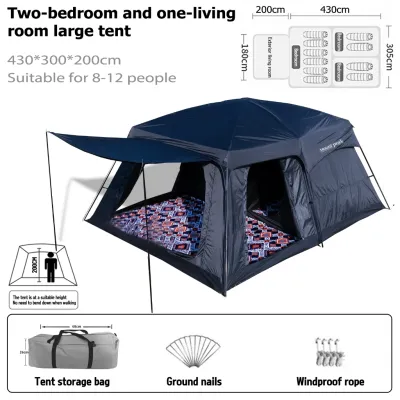
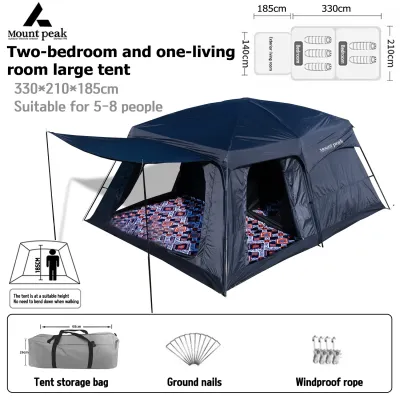
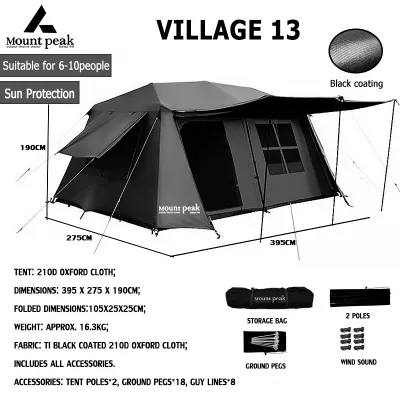
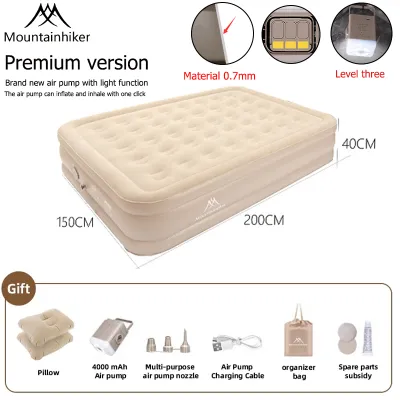
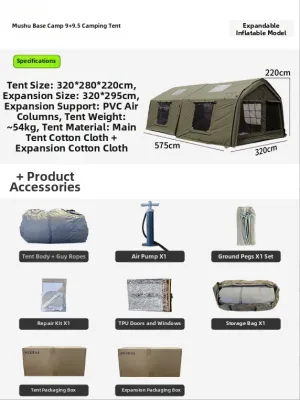
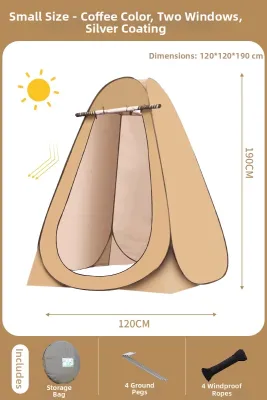
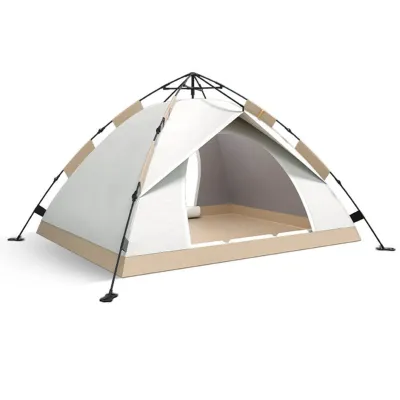
Prices are valid at publication and may change. Please refer to the product page for the latest price.
The tent floor requires a significantly higher waterproof rating than the rainfly. This is because the physical pressure of campers sitting, kneeling, or sleeping on the floor forces water through the fabric much more easily than rain falling on the roof. When verifying specifications, look for a groundsheet rating of 5,000mm or higher to ensure dampness does not seep through from the saturated ground.
Even the most waterproof fabric will leak if the seams are poorly constructed. Look for tents with factory-taped seams, where a waterproof tape is heat-sealed over the stitching on the inside of the tent. Some premium models feature welded seams, which fuse the fabric panels together using heat and pressure, eliminating needle holes entirely. Avoid tents with untreated seams, as sealing a massive family-sized tent yourself is a tedious and error-prone process.
A bathtub floor design is another essential feature to verify on the product label. This construction style allows the waterproof groundsheet material to wrap several inches up the sides of the tent before meeting the wall fabric, keeping ground-level splashes and pooling water outside. Additionally, ensure the rainfly provides adequate overhang; a full-coverage rainfly that extends close to the ground offers the best protection against lateral, wind-driven rain.
Design Challenges and Brand Strategies for Large Tents
The expansive roof panels of large family tents present a major engineering challenge for manufacturers. During heavy downpours, water can easily pool on flat fabric sections, causing the material to sag, stretch, and eventually leak or collapse under the weight. To prevent this, brands utilize specific pole geometries to create sloped surfaces. Geodesic and dome structures use intersecting poles to distribute tension evenly, while tunnel designs use curved hoops to guide water down the sides.

Material selection involves a careful balance between weight, durability, and natural water resistance. Synthetic fabrics, such as polyester and nylon, are lightweight, dry quickly, and are typically coated with polyurethane (PU) or silicone to achieve high waterproof ratings. However, PU coatings can degrade over time when exposed to UV rays and moisture. Alternatively, canvas and polycotton (a blend of polyester and cotton) tents offer natural water resistance because the cotton fibers swell when wet, closing the microscopic gaps in the weave.
While canvas is exceptionally durable, breathable, and excellent at regulating temperature, it is also heavy, bulky, and requires meticulous drying to prevent rot. This makes it more suitable for extended basecamp stays rather than quick weekend trips. Whether you are investing S$300 in a lightweight synthetic tent or S$1,200 in a premium polycotton shelter, matching the material to your transportation capacity and camping style is essential.
High waterproof ratings can trap internal condensation, especially when multiple occupants are sleeping in a single enclosed space. A family of four can produce liters of moisture overnight through respiration and perspiration. If a tent lacks adequate ventilation, this moisture will condense on the cold inner walls and drip down, mimicking a leak. Manufacturers address this by incorporating low-level vents to draw in cool air and high-level mesh panels to allow warm, moist air to escape.
Adapting Waterproof Requirements for Tropical and Heavy Rain Conditions
In tropical environments characterized by sudden, intense downpours and high humidity, maintaining the structural integrity of your tent is paramount. Strong winds often accompany tropical storms, putting immense pressure on the tent fabric. Robust guyline attachment points are critical; they allow you to anchor the rainfly securely and keep the fabric taut. A taut rainfly prevents water from pooling and ensures that the wet outer fly does not touch the breathable inner tent wall.
Tropical soils can become saturated quickly, turning campsites into muddy bogs. Under these conditions, the groundsheet is subjected to constant hydrostatic pressure from below. Furthermore, rough ground surfaces, twigs, and sharp stones can easily puncture a thin groundsheet. When selecting a tent for these environments, verify the denier rating of the floor fabric—a higher denier (such as 150D or thicker) indicates a more robust, puncture-resistant material.
High humidity presents a unique challenge: how to keep rain out while letting air in. In warm, humid climates, a fully closed waterproof tent quickly becomes hot and stuffy. Look for tents that feature deep rainfly awnings or vestibules over the doors and windows. These designs allow you to keep the mesh windows open for ventilation even during a heavy downpour, preventing rain from splashing inside while maintaining a comfortable cross-breeze.
Decision Framework: Matching Tent Features to Your Camping Style
To help you choose the right tent for your family, consider this conditional framework based on your typical camping style and environment:
- Choose high-HH synthetic tents if your priority is lightweight packing, quick drying times, and easy setup for weekend trips or multi-destination camping. These tents are highly portable and dry rapidly, making them ideal for unpredictable weather where you might need to pack up in the rain.
- Choose canvas or polycotton tents if you are planning extended basecamp stays, prioritize long-term durability, and want superior breathability and temperature regulation. These tents excel in both hot and wet conditions, though you must have the vehicle capacity to transport their significant weight and bulk.
- Avoid both options if the tent lacks factory-taped or welded seams, or if the rainfly does not provide full coverage. No matter how high the fabric's HH rating is, water will eventually find its way through exposed seams or unprotected walls during a sustained storm.
- Verify first that the rainfly extends close to the ground to prevent splashback, but still leaves adequate clearance or dedicated vents to maintain airflow. This balance is crucial for preventing both external water ingress and internal condensation buildup.
Post-Purchase Care to Maintain Waterproof Integrity
The single most important rule of tent maintenance is to never store your tent while it is wet or damp. Doing so invites mold and mildew, which can destroy the fabric and ruin the polyurethane waterproof coatings within days. If you must pack up in the rain, pitch the tent at home—either in a garage, backyard, or even draped over furniture indoors—as soon as possible to let it dry completely before long-term storage.
Dirt, sand, and pine needles can abrade the waterproof coatings over time. Clean your tent by gently wiping it down with a soft sponge and clean, lukewarm water. Avoid using harsh household detergents, dish soaps, or washing machines, as these can strip away the Durable Water Repellent (DWR) finish on the outer fabric. For stubborn dirt, use a specialized tent cleaner recommended by the manufacturer.
Over years of use, UV exposure and mechanical wear will naturally degrade a tent’s waterproof performance. Periodically inspect the interior seams for signs of peeling or flaking tape. If you notice water no longer beading on the outer fabric, or if seams begin to weep, you can restore the tent’s performance. Apply a specialized seam sealer to the inside seams and spray a fresh coat of DWR treatment onto the clean, dry outer fabric, following the product instructions carefully.
Frequently Asked Questions (FAQ)
Is a higher Hydrostatic Head rating always better for family tents?
Not necessarily. While a higher HH rating (such as 5,000mm or more) offers excellent water resistance, it often requires thicker, heavier polyurethane coatings. This can make the tent fabric heavier, bulkier, and less breathable, which increases the risk of internal condensation. For most family camping scenarios, a rainfly rating between 1,500mm and 3,000mm provides an optimal balance of waterproof protection, packability, and ventilation, provided the tent’s seams and structural design are high quality.
How can I test a new tent's waterproof performance before a trip?
Testing your tent at home is a safe and highly recommended step before heading into the wilderness. Pitch the tent fully in your backyard or a spacious outdoor area on a dry day, ensuring all guylines are properly tensioned. Use a garden hose with a gentle spray nozzle to simulate a rain shower, directing the water over the roof and sides for 10 to 15 minutes. Step inside the tent to inspect the seams, corners, and floor for any signs of dampness or water ingress. This trial run also helps you familiarize yourself with the setup process.

Community discussion
Share your experience or ask a question. Comments are reviewed before publication.